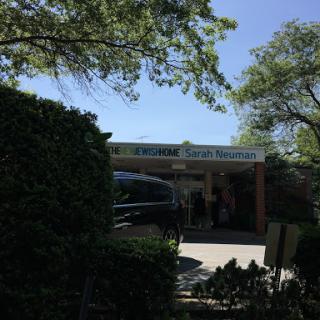
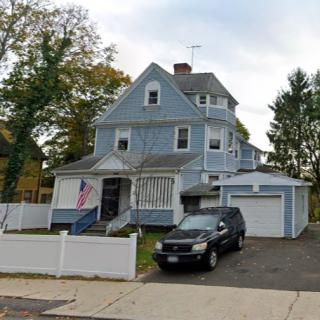
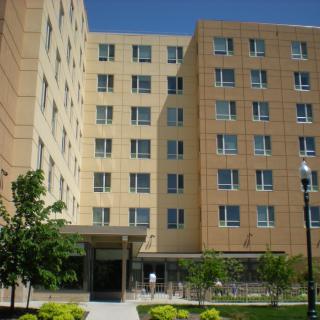
The New Jewish Home - Sarah Neuman in Mamaroneck, NY

Save
The New Jewish Home - Sarah Neuman The New Jewish Home - Sarah Neuman The New Jewish Home - Sarah Neuman The New Jewish Home - Sarah Neuman

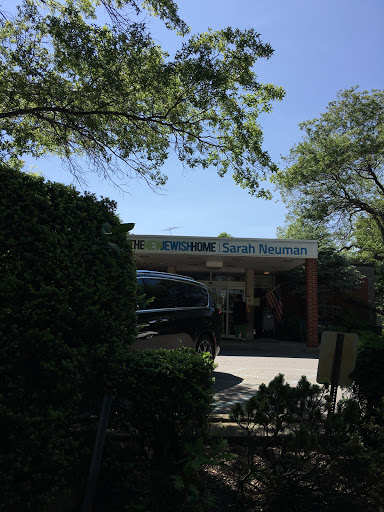
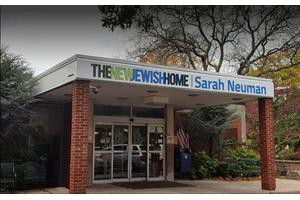
The New Jewish Home - Sarah Neuman in Mamaroneck, NY

Information last verified:

845 Palmer Avenue, Mamaroneck, NY 10543

For more information about senior living options: (844) 490-3973

3.6 from 116 reviews
5 stars
63
4 stars
12
3 stars
5
2 stars
5
1 stars
31

Overall Review of The New Jewish Home - Sarah Neuman

Pros

  • pro The staff are warm, friendly, and attentive, making residents feel cared for.
  • pro The facility is clean and well-maintained, with a welcoming atmosphere.
  • pro The nursing and rehabilitation teams are patient-centered, helpful, and communicative.
  • pro Families feel reassured by responsive and accommodating staff at the front desk and throughout care.
  • pro The meals are nutritious and described as good.
  • pro Physical therapy and other therapies are effective and motivating for residents.
  • pro The check-in process is easy, and the security staff provide a welcoming first impression.
  • pro The Small House, home-like living concept is praised as a positive feature of the facility.

Cons

  • pro The New Jewish Home Sarah Neuman is described as severely understaffed and neglectful, with call bells left unanswered for hours.
  • pro Staff are accused of being rude, unprofessional, and uncaring, allowing residents to sit in their own waste.
  • pro The facility is described as dirty and unsanitary, with hygiene and cleanliness deficiencies.
  • pro There are reports of medication omissions and delays that could endanger patients.
  • pro There are accounts of abuse and neglect on dementia units, including taunting and neglect of residents.
  • pro Some reviews urge state authorities to shut down the facility due to patient neglect.
  • pro One account claims a patient nearly died because medications were not administered in time.

Review

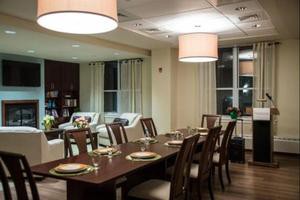
Who this community is best suited for: The New Jewish Home – Sarah Neuman works best for families seeking a rehab- and skilled-nursing oriented environment where a well-maintained campus, clean facilities, and a robust therapy program are the core strengths. When recovery, therapy motivation, and reliable nursing oversight are the top priorities, this campus can deliver, particularly in its rehab wings and the “Small House” concept that aims to create a home-like feel around a central dining and activity hub. Families that value a strong food program, engaged activities, and a steady stream of clinical staff who are responsive in the moment will find Sarah Neuman aligns with those expectations, so long as staffing realities on a given shift and unit are acceptable. In short, practical, therapy-forward care with a pleasant environment is the calling card here.

Who may want to consider alternatives: For residents with high, constant care needs or a history of requiring near-immediate attention, the facility’s staffing variability is a meaningful risk. When calls go unanswered for extended periods, when transitions in care feel inconsistent, or when safety concerns arise, families may prefer facilities with a more uniform staff-to-resident ratio and stronger, more proactive administration. Those seeking consistent, around-the-clock dementia care with intensive monitoring, or a setting with fewer reports of communication gaps and operational friction, should explore other options. Families should also be cautious if constant visibility and accountability of administration are non-negotiable requirements; in that case, look for campuses with demonstrably stable leadership and higher staffing benchmarks.

How the key pros offset or fail to offset the main cons: The strongest offset comes from the rehab and medical care ecosystem. The therapy teams are frequently praised for patient-centered approaches, and many residents rebound well under PT/OT, with staff who are described as caring, patient, and capable. The facility’s cleanliness, attractive public spaces, and a secure entry system add tangible value, reducing anxiety about infection control and safety. Nutritious, well-prepared meals and regular activities, including music, religious services, and social events, help residents feel engaged and well cared for, which can soften the sting of occasional care gaps. However, those advantages often collide with substantial downsides. Chronic understaffing, inconsistent response times to call bells, and reports of neglect on some shifts or units severely undermine the overall experience. When families encounter episodes of delayed or missing care, the daily benefits of therapy excellence are quickly outweighed by safety and dignity concerns. In effect, pros in therapy and environment can offset limited benefits only to a point; when staffing and administration stumble, the most important daily interactions, getting a nurse to answer a call, receiving timely help, or ensuring a resident’s hygiene, cannot be fully offset by music programs or updated interiors.

The patient experience within different parts of the campus illustrates this tension. On rehabilitation floors, families often note strong clinical attention, effective therapy, and positive momentum in recovery, with nurses who communicate and coordinate care well. Yet, reports from memory-care and other units highlight frequent bottlenecks: beeps that go unanswered, extended delays in essential tasks, and a perceived lack of bedside attentiveness. The contrast is real: a well-staffed, well-led rehab wing can feel excellent, while other areas show the strain of understaffing and inconsistent oversight. In such a setting, the decision hinges on which unit the loved one will occupy, and how much weight is given to the likely variation across shifts. Pros about care quality and atmosphere are real but not equally distributed across the campus.

Bottom-line guidance: If the choice is narrowed to Sarah Neuman, approach it as a facility with very solid rehab potential and an inviting environment, but with clear caveats tied to staffing consistency and administrative responsiveness. Engage in targeted due diligence: request to tour multiple times at different hours, speak directly with the director of nursing or an on-floor supervisor, and ask to meet the therapy team for the specific unit under consideration. Probe actual nurse-to-patient ratios on the floor, review the process for call-bell responsiveness, and request recent incident or DOH communications that reflect how concerns are escalated and resolved. If the family cannot tolerate recurring reports of delayed care, or if dementia care requires near-constant supervision, alternatives with proven staffing stability and stronger dementia-specific training should be pursued. For families willing to gamble on a best-case scenario, strong rehab outcomes, clean facilities, and good interpersonal care on the right shifts, Sarah Neuman remains a reasonable, though not universally reliable, option. In the end, the prudent path is a thorough, unit-specific assessment, backed by conversations with current residents and families who have recent, firsthand experience.

Features

Housing

  • 300 resident community capacity 300 resident community capacity

Types of Care

  • Memory Care Memory CareMemory care is crucial for seniors as it provides specialized support and services for individuals with dementia or Alzheimer's disease. These programs offer a safe and secure environment where residents receive personalized care, cognitive stimulation, and help with daily activities. Memory care helps seniors maintain their independence, quality of life, and dignity while also providing peace of mind for their families.
  • Skilled Nursing Facility Skilled Nursing FacilitySkilled Nursing Facilities are crucial for seniors as they provide round-the-clock medical care, rehabilitation services, and assistance with daily activities. These facilities ensure that seniors receive the specialized care they need to maintain their health and well-being as they age.

Amenities

  • Air-conditioning Air-conditioningAir conditioning is important for seniors as they are more vulnerable to heat-related illnesses and may have underlying health conditions that make it difficult for them to regulate their body temperature. It helps to keep them comfortable, safe, and healthy in hot weather.
  • Beauty salon Beauty salonBeauty salons are important for seniors because they provide a space for them to feel pampered, socialize, and maintain their personal grooming and hygiene. Regular visits to a beauty salon can help boost seniors' self-esteem and overall well-being.
  • Cable or satellite TV Cable or satellite TVCable or satellite TV is important for seniors because it provides entertainment, news, and companionship, helping to combat loneliness and boredom. It also offers a wide range of programming options tailored to different interests and preferences.
  • Computer center Computer centerA computer center is essential for seniors as it provides access to technology, communication tools, and resources that can enhance their daily lives. It allows them to stay connected with loved ones, engage in online activities, and learn new skills, ultimately promoting socialization and mental stimulation.
  • Dining room Dining roomDining rooms are important for seniors as they provide a space for socialization, connection, and nutritious meals. They offer opportunities for residents to bond over shared meals, foster a sense of community, and promote healthy eating habits. Dining rooms also ensure that seniors have access to well-balanced meals tailored to their dietary needs and preferences.
  • Fitness room Fitness roomHaving a fitness room in a senior living community is essential for seniors to stay active, maintain their physical health, and improve their overall well-being. Regular exercise can help prevent falls, reduce the risk of chronic diseases, and promote mental sharpness. It also provides social opportunities for residents to connect with others and enjoy a sense of community.
  • Fully furnished Fully furnishedFully furnished senior living communities are important for seniors because they provide convenience, comfort, and a hassle-free moving experience. Seniors can easily settle into their new living space without the stress of having to buy and move furniture. This allows them to focus on enjoying their new home and community.
  • Gaming room Gaming roomGaming rooms are important for seniors as they provide a fun and engaging environment for socializing, cognitive stimulation, and physical activity. Games can improve memory, problem-solving skills, and overall mental well-being while fostering friendships and reducing feelings of isolation.
  • Garden GardenGardens are important for seniors as they provide a peaceful and therapeutic environment for relaxation, physical activity, and socialization. Being in nature has been shown to reduce stress, improve mood, and promote overall well-being. Gardens also offer opportunities for seniors to engage in gardening activities, which can improve mobility, flexibility, and cognitive function. Additionally, gardens create a sense of community and connection with others who share a passion for plants and outdoor spaces.
  • Housekeeping services Housekeeping servicesHousekeeping services are important for seniors because they help maintain a clean and safe living environment, promote independence, and reduce the risk of accidents or illnesses. Additionally, having assistance with household chores can alleviate physical strain and allow seniors to focus on other aspects of their well-being.
  • Kitchenette KitchenetteKitchenettes are important for seniors living in senior living communities because they provide the convenience and independence of being able to prepare simple meals and snacks in the comfort of their own living space. This can help promote a sense of autonomy and well-being for seniors, allowing them to maintain some level of control over their dietary choices and daily routines.
  • Move-in coordination Move-in coordinationMove-in coordination is important for seniors because it helps ease the transition into their new living environment. It ensures that all logistics, such as packing, organizing movers, and setting up utilities are taken care of, allowing seniors to focus on settling in and adjusting to their new home. Having a smooth move-in process can alleviate stress and anxiety, making the transition smoother and more enjoyable for seniors.
  • Outdoor space Outdoor spaceOutdoor spaces are important for seniors as they provide opportunities for physical activity, social interaction, exposure to natural light and fresh air, and a sense of connection to nature. Having access to outdoor spaces can improve overall well-being and quality of life for older adults living in senior communities.
  • Private bathrooms Private bathroomsPrivate bathrooms are important for seniors in senior living communities because they provide independence, dignity, and comfort. Having a private bathroom allows seniors to maintain their personal hygiene routines without the need for assistance, promoting a sense of autonomy and privacy. Additionally, private bathrooms help prevent the spread of infections and provide a safe and clean environment for seniors to navigate safely.
  • Restaurant-style dining Restaurant-style diningRestaurant-style dining is important for seniors because it allows them to enjoy delicious, nutritious meals in a social and upscale setting. This enhances their dining experience, promotes healthy eating habits, and fosters socialization with fellow residents, ultimately contributing to their overall well-being and quality of life.
  • Small library Small librarySmall libraries are important for seniors as they provide access to a variety of reading materials, including books, newspapers, and magazines. This can help stimulate their minds, keep them engaged, and provide a sense of community through book clubs and other social activities. Additionally, reading has been shown to improve cognitive function and overall mental well-being in older adults.
  • Telephone TelephoneTelephones are important for seniors as they provide a lifeline for communication with loved ones, emergency services, and healthcare providers. They offer a sense of security and independence, enabling seniors to stay connected and access assistance when needed.
  • Wellness center Wellness centerWellness centers are important for seniors because they offer a variety of programs and services that promote physical, mental, and emotional well-being. These centers provide opportunities for exercise, socialization, education, and relaxation, helping seniors maintain their overall health and quality of life.
  • Wi-Fi/high-speed internet available Wi-Fi/high-speed internet availableWi-Fi/high-speed internet is important for seniors to stay connected with loved ones, access online resources, and participate in virtual activities to combat feelings of loneliness and isolation. It also allows them to easily manage healthcare needs, access entertainment, and engage in lifelong learning opportunities.

Transportation

  • Westchester Cty (9 miles away) Westchester Cty (9 miles away)
  • LaGuardia (13 miles away) LaGuardia (13 miles away)
  • John F Kennedy International (21 miles away) John F Kennedy International (21 miles away)
  • Community operated transportation Community operated transportationCommunity operated transportation is crucial for seniors as it provides them with the means to access essential services, social activities, and medical appointments. It allows seniors to maintain their independence and quality of life by ensuring they can participate in activities outside of their homes. Additionally, community-operated transportation services offer a safe and reliable way for seniors to travel without having to rely on family or friends for assistance.
  • Transportation arrangement Transportation arrangementTransportation arrangements are crucial for seniors as they may face challenges with driving, mobility, or access to public transportation. Having reliable transportation services ensures that seniors can easily attend appointments, social activities, and maintain their independence and quality of life.
  • Transportation arrangement (non-medical) Transportation arrangement (non-medical)Transportation arrangements are essential for seniors as they provide access to essential services, activities, and social interactions outside the home. This service helps maintain independence, mobility, and overall well-being for seniors who may have limited transportation options.
  • Transportation to doctors appointments Transportation to doctors appointmentsTransportation to doctors appointments is crucial for seniors as it ensures they have access to necessary medical care and support, promoting their health and well-being. It allows them to receive timely treatment, monitor existing conditions, and address any new health concerns efficiently. Additionally, transportation services can help seniors maintain their independence and quality of life by enabling them to stay connected with their healthcare providers.

Care Services

  • 12-16 hour nursing 12-16 hour nursing12-16 hour nursing care is crucial for seniors in order to ensure around-the-clock monitoring, timely medication administration, and prompt response to any health concerns or emergencies. This level of care helps to promote the overall well-being and safety of seniors living in senior living communities.
  • 24-hour call system 24-hour call system24-hour call systems are important for seniors because they provide peace of mind and immediate assistance in case of emergencies. This technology ensures that help is always available, promoting safety and security for elderly individuals living alone or in assisted living facilities.
  • 24-hour supervision 24-hour supervision24-hour supervision is important for seniors to ensure their safety, well-being, and access to immediate assistance in case of emergencies or health issues. This constant support provides peace of mind for both seniors and their loved ones, allowing them to age in place with dignity and security.
  • Activities of daily living assistance Activities of daily living assistanceActivities of daily living assistance are important for seniors because they provide essential support with tasks such as eating, bathing, dressing, and mobility. This assistance helps seniors maintain their independence, dignity, and overall quality of life as they age.
  • Assistance with bathing Assistance with bathingAssistance with bathing is crucial for seniors as it helps maintain personal hygiene, prevents infections, and ensures their overall well-being and comfort. It also provides a sense of dignity and independence for seniors who may struggle with this task on their own.
  • Assistance with dressing Assistance with dressingAssistance with dressing is important for seniors because it helps maintain their independence, promotes personal hygiene, prevents accidents and injuries, and improves overall quality of life. This service ensures that seniors can continue to dress comfortably and confidently, despite any physical limitations they may have.
  • Assistance with transfers Assistance with transfersAssistance with transfers is crucial for seniors as it helps prevent falls and injuries, maintains their independence, and ensures they can safely navigate their living environment. It also provides peace of mind for both seniors and their loved ones.
  • Diabetes diet Diabetes dietA diabetes diet is crucial for seniors as it helps manage blood sugar levels, reduce risks of complications, and improve overall health and well-being. By following a balanced and nutritious diet tailored to their specific needs, seniors can better control their diabetes and enhance their quality of life.
  • Meal preparation and service Meal preparation and serviceMeal preparation and service are crucial for seniors as they may have limited mobility or energy to cook nutritious meals. Having access to healthy and convenient food options can ensure they are getting the proper nutrition needed to maintain their overall health and well-being.
  • Medication management Medication managementMedication management is crucial for seniors to ensure they are taking the right medications at the correct dosages and times. This helps prevent adverse drug interactions, reduces the risk of medication errors, and promotes overall health and well-being. Proactive management also allows for adjustments as needed based on changing health conditions or new prescriptions.
  • Mental wellness program Mental wellness programMental wellness programs are essential for seniors as they promote cognitive stimulation, emotional support, and social engagement. These programs help prevent isolation, depression, and cognitive decline, ultimately enhancing the overall quality of life for older adults.
  • Special dietary restrictions Special dietary restrictionsSpecial dietary restrictions are important for seniors because age-related changes in metabolism and health conditions can make it difficult for their bodies to process certain foods. By following a diet tailored to their specific needs, seniors can maintain their overall health and well-being, manage chronic conditions, and reduce the risk of complications such as malnutrition or food interactions with medications.

Dining

  • Diabetes diet Diabetes dietA diabetes diet is crucial for seniors as it helps manage blood sugar levels, reduce risks of complications, and improve overall health and well-being. By following a balanced and nutritious diet tailored to their specific needs, seniors can better control their diabetes and enhance their quality of life.
  • Special dietary restrictions Special dietary restrictionsSpecial dietary restrictions are important for seniors because age-related changes in metabolism and health conditions can make it difficult for their bodies to process certain foods. By following a diet tailored to their specific needs, seniors can maintain their overall health and well-being, manage chronic conditions, and reduce the risk of complications such as malnutrition or food interactions with medications.

Activities

  • Community-sponsored activities Community-sponsored activitiesCommunity-sponsored activities are important for seniors as they provide opportunities for social interaction, mental stimulation, and physical activity. These activities can help improve overall well-being, combat loneliness and isolation, and promote a sense of belonging and purpose among older adults.
  • Concierge services Concierge servicesConcierge services are essential for seniors as they provide assistance with daily tasks and errands, enhance their quality of life by offering convenience and personalized care, and promote a sense of safety and security.
  • Fitness programs Fitness programsFitness programs are crucial for seniors as they help improve strength, flexibility, balance, and overall well-being. Staying active can reduce the risk of chronic diseases, improve mental health, and enhance quality of life in older adults.
  • Planned day trips Planned day tripsPlanned day trips are important for seniors because they offer opportunities for socialization, mental stimulation, and physical activity. They provide a change of scenery and help seniors stay engaged and connected to their community, promoting overall well-being and quality of life.
  • Resident-run activities Resident-run activitiesResident-run activities are important for seniors as they encourage social interaction, creativity, and a sense of autonomy. These activities empower seniors to stay engaged and active in their community while fostering meaningful connections with their peers.
  • Scheduled daily activities Scheduled daily activitiesScheduled daily activities are important for seniors because they provide structure, socialization, mental stimulation, and physical activity. Engaging in regular activities can improve overall well-being and quality of life for seniors living in a community setting.

Description

The New Jewish Home - Sarah Neuman in Mamaroneck, NY is a premier assisted living community that offers exceptional care and a wide range of amenities to accommodate the needs of its residents. As a skilled nursing facility, it provides round-the-clock care and supervision for individuals who require assistance with daily activities.

The community boasts an array of amenities to promote comfort and convenience. Residents can enjoy visiting the on-site beauty salon or unwind while watching their favorite shows on cable or satellite TV in their private rooms. The community offers community-operated transportation for easy access to nearby destinations, as well as transportation arrangements for non-medical purposes and doctor's appointments.

With the goal of enhancing residents' quality of life, Sarah Neuman provides various recreational facilities such as a fitness room, gaming room, small library, and outdoor space to encourage active lifestyles and social interaction. The dining experience is restaurant-style, ensuring delicious meals that cater to special dietary restrictions.

Around-the-clock care services are available at Sarah Neuman. A 24-hour call system ensures that assistance is just a button away whenever needed. Trained staff members provide assistance with activities of daily living such as bathing, dressing, and transfers. Medication management ensures that residents receive their medications as prescribed.

The community also prioritizes mental wellness with its mental wellness program. This program aims to address the emotional well-being of residents through various therapeutic activities and support services. In addition, meal preparation and service are provided to meet specialized dietary restrictions like the diabetes diet.

Residents at Sarah Neuman have plenty of opportunities for engagement through concierge services, fitness programs, planned day trips, resident-run activities, and scheduled daily activities. Nearby attractions include cafes, parks, pharmacies, restaurants, theaters,and hospitals for easy access to additional amenities outside the community.

Overall, The New Jewish Home - Sarah Neuman offers an enriching assisted living experience with its comprehensive care services and abundance of amenities designed to meet the unique needs and preferences of its residents.

Nearby Places of Interest

This area of Mamaroneck, New York offers a variety of amenities for those considering senior living. With multiple pharmacies within close proximity, easy access to medical care is readily available. Parks such as Memorial Park and Rye Town Park provide opportunities for outdoor recreation and relaxation. Transportation options include several nearby train stations for convenient travel. A selection of cafes and restaurants offer dining options, while hospitals like Montefiore New Rochelle Hospital and White Plains Hospital ensure quality healthcare services. Physicians' offices and specialty centers in the area cater to a range of medical needs. Additionally, theaters and places of worship add diversity to the community, making it a well-rounded choice for senior living in Mamaroneck, New York.

Pharmacies

  • CVS Pharmacy (0.5 miles)
  • Walgreens (0.7 miles)
  • CVS Pharmacy (1.1 miles)
  • CVS Pharmacy (2.4 miles)
  • CVS Pharmacy (3.6 miles)
  • CVS Pharmacy (3.7 miles)
  • Value Drugs Eastchester (3.7 miles)

Parks

  • Memorial Park (0.9 miles)
  • Manor Park (1.8 miles)
  • Rye Town Park (3.4 miles)
  • Hart's Brook Park & Preserve (6.1 miles)
  • Tibbets Park (6.3 miles)
  • Great Captain Island (6.9 miles)
  • The Arbors (6.9 miles)

Transportation

  • Metro North - Larchmont Train Station (1 miles)
  • Metro North - Harrison Train Station (2.7 miles)
  • Pelham Station (4 miles)
  • Metro North - Rye Train Station (4.4 miles)
  • Metro North - Bronxville Train Station (4.6 miles)
  • Metro North - Mt Vernon East Train Station (5 miles)
  • Metro North - Hartsdale Train Station (5.3 miles)

Cafes

  • State Of The Art Coffee (1.8 miles)
  • Cafe Zeppieri (3.4 miles)
  • Starbucks (3.6 miles)
  • Starbucks (4.5 miles)
  • Starbucks (5 miles)
  • Nespresso Boutique at Bloomingdale's, Westchester (5.6 miles)
  • Starbucks (5.7 miles)

Hospitals

  • Montefiore New Rochelle Hospital (3.1 miles)
  • St Vincent's Hospital-Westchester (3.6 miles)
  • Burke Rehabilitation Hospital (5 miles)
  • Northeast Medical Group Family Medicine - Rye Brook (5.3 miles)
  • White Plains Hospital (5.7 miles)
  • Greenwich Hospital (8.6 miles)
  • Bendheim Cancer Center (8.7 miles)

Restaurants

  • Serafina (3.6 miles)
  • Roosters Market (4.8 miles)
  • McDonald's (5.9 miles)
  • Bartaco (6 miles)
  • Kneaded Bread (6.1 miles)
  • Last Stop Bar & Grill (6.2 miles)
  • City Limits Diner (6.6 miles)

Physicians

  • HSS Westchester (4.7 miles)
  • Westmed Medical Group (5.2 miles)
  • Digestive Disease & Nutrition Center of Westchester (5.5 miles)
  • Weill Cornell Psychiatry at NewYork-Presbyterian Westchester Division (5.8 miles)
  • Dickstein Cancer Treatment Center (5.8 miles)
  • WestMed (6 miles)
  • ONS - Orthopaedic & Neurosurgery Specialists (7.4 miles)

Theaters

  • Alamo Drafthouse Yonkers (4.8 miles)
  • AMC Port Chester 14 (5.8 miles)
  • AMC Bay Plaza Cinema 13 (6.8 miles)

Places of Worship

  • The Riverdale Minyan (9.4 miles)

Frequently Asked Questions

Where is The New Jewish Home - Sarah Neuman?
Does The New Jewish Home - Sarah Neuman provide care for residents with dementia or Alzheimer's disease?
What photos are available for The New Jewish Home - Sarah Neuman in Mamaroneck, New York?

Nearby Communities

  • The Kensington White Plains

    The Kensington White Plains

    White Plains, NY

    4.8 from 122 reviews
    $3,000 to $6,588 / month

    pro Friendly staff and a clean, comfortable environment with nutritious meals and engaging activities.
  • Pearl Care Medical Staffing

    Pearl Care Medical Staffing

    Mamaroneck, NY

    2.7 from 11 reviews
     

    pro Convenient access to nearby healthcare and amenities.

  • Westchester Family Care Inc. - Mamaroneck,  NY

    Westchester Family Care Inc. - Mamaroneck, NY

    Mamaroneck, NY

    4.8 from 21 reviews
     

    pro High-quality, compassionate care with reliable staff and strong communication.

  • Elder Home Care - Mamaroneck,  NY

    Elder Home Care - Mamaroneck, NY

    Mamaroneck, NY


    pro Established community with extensive nearby amenities and healthcare access.

  • Sunnydale Home

    Sunnydale Home

    Mamaroneck, NY


    pro Fully furnished setting with 24/7 supervision, ADL assistance, medication management, and transportation coordination.

  • Sunnydale Home For Adults

    Sunnydale Home For Adults

    Mamaroneck, NY

     
    $1,500 to $2,000 / month

    pro Affordable pricing relative to Westchester County and New York averages.

  • Monarch Coopers Corner

    Monarch Coopers Corner

    New Rochelle, NY

    4.6 from 11 reviews
    $8,550 to $11,650 / month

    pro Caring staff with engaging activities in a hotel-like setting.

  • Ambassador Scarsdale

    Ambassador Scarsdale

    White Plains, NY

    4.3 from 44 reviews
    $5,950 to $8,950 / month

    pro Modern, well-maintained facilities with a garden courtyard and diverse on-site activities.

  • Garito Manor Senior Residence

    Garito Manor Senior Residence

    New Rochelle, NY

    3.8 from 25 reviews
    $1,339 to $1,722 / month

    pro Friendly staff, clean facility, and a variety of resident activities with transportation options.

Related Resources

  • assisted living vs memory careUnderstanding the Distinctions: Assisted Living and Memory Care Explained

    The article differentiates between assisted living and memory care, explaining that assisted living supports seniors with daily activities while promoting independence, whereas memory care provides specialized services for individuals with dementia, focusing on secure environments and cognitive support. It also addresses staff training, safety considerations, costs, family involvement, and transition strategies for families navigating these care options.

  • how to talk to someone with dementiaHow to Communicate with a Loved One Living with Dementia: 10 Supportive Strategies
    The article outlines effective communication strategies for interacting with loved ones with dementia, highlighting the need for empathy, patience, and understanding while emphasizing supportive approaches like using simple language, minimizing distractions, and focusing on feelings over facts to maintain dignity and foster connection. It also suggests seeking professional guidance when needed as communication challenges evolve.

  • va nursing homeComprehensive Guide to VA Nursing Homes: A Crucial Long-Term Care Resource for Veterans

    VA nursing homes, or Community Living Centers (CLCs), offer tailored long-term care for veterans, featuring medical attention and rehabilitation in a supportive environment. The guide covers facility types, eligibility criteria, financial assistance options, quality of care standards, and alternatives to full-time nursing home placement.