
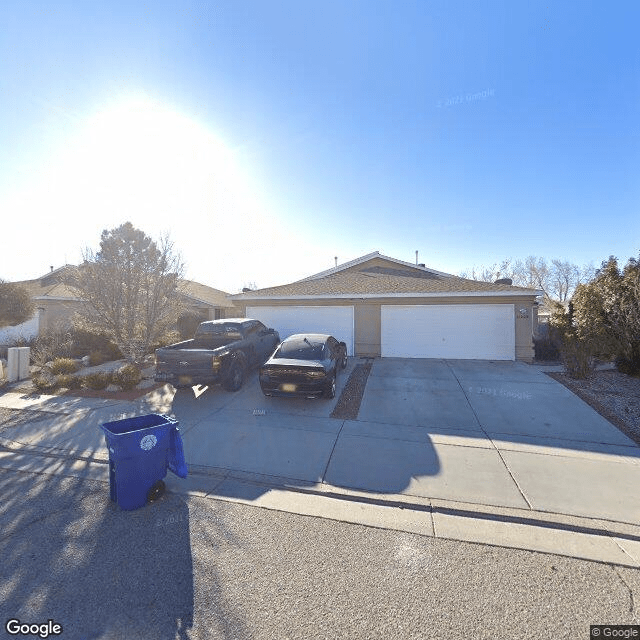
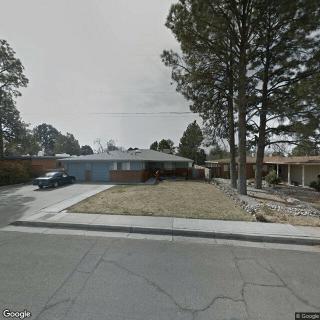
11212 Miravista Place SE, Albuquerque, NM 87123
To contact a resident: (505) 553-9820
For more information about senior living options: (866) 208-4318
A New Day Assisted Living Costs & Pricing
A New Day Assisted Living offers competitive pricing for its residents, with semi-private rooms available at $2,800 per month, significantly lower than the Bernalillo County average of $3,285 and the state average of $3,324. For those seeking private accommodations, the cost is set at $3,200 monthly, which is also more affordable compared to the averages in Bernalillo County ($4,602) and New Mexico as a whole ($4,391). This positioning not only reflects A New Day's commitment to providing quality care but also highlights its dedication to making assisted living accessible for families in the area.
| Floor plans | A New Day Assisted Living | Bernalillo County | New Mexico |
|---|---|---|---|
| Semi-Private | $2,800 | $3,285 | $3,324 |
| Private | $3,200 | $4,602 | $4,391 |
Memory care communities with a similar price nearby
-
About the same
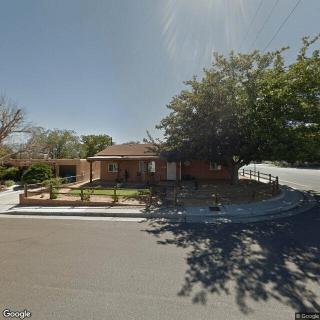
Home Sweet Home - Palomas Drive
$2,800 to $3,500 / month4.2 miles away -
from +$450 / mo
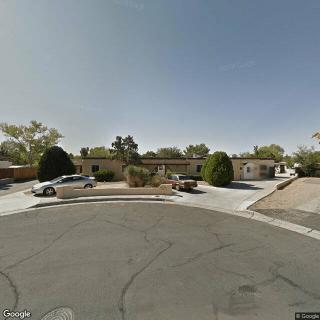
Harmony House
$3,250 to $3,600 / month14.2 miles away -
from +$550 / mo

MorningStar at North Ridge
$3,350 to $10,620 / month7.5 miles away -
About the same

Life Spire Assisted Living Of North Albuquerque Acres
$2,850 to $3,200 / month8.4 miles away -
from +$95 / mo

Neighborhood in Rio Rancho Life Plan Community
$2,895 to $4,410 / month16.3 miles away
Overall Review of A New Day Assisted Living
Pros
 They value spacious, comfortable accommodations for their family.
- They prefer options that provide roomy spaces over cramped ones.
- They recognize the importance of their mom's comfort when choosing lodging.
- They seek stays that meet their space and comfort expectations.
Cons
 Only double occupancy rooms were available, and they were 13x13 in size.
- Her mom would not have been happy sharing that tiny space.
Review
A New Day Assisted Living in Albuquerque is best suited for seniors who can tolerate sharing a living space and who do not place a premium on private quarters. The dominant feature evident in the available feedback is the absence of single-occupancy rooms, with the facility offering only double occupancy at about 13 by 13 feet. For residents who prioritize companionship, routine care, and a straightforward, no-fruss environment over personal space, this community can fit the bill. For anyone who insists on a private bedroom, a larger footprint, or more privacy in daily life, this is not the right fit.
Those who should seriously consider alternatives are families and residents who expect private accommodations or more generous living areas. The reviews make clear that a private room is non-negotiable for many seniors, and the 13x13 shared layout will feel cramped to those accustomed to personal space. If the resident requires quiet for medical equipment, privacy during daily routines, or simply a buffer between lives and schedules, another community with single-occupancy options, larger rooms, or more flexible floor plans will be a better match. In short, privacy-aware or space-demanding seniors should look elsewhere.
The absence of featured advantages in the reviews means the pros would need to substantially offset the main con, the crowded, shared room experience. Unfortunately, the feedback provides no concrete positives to counterbalance the constraint. No notes surface about standout staffing, care responsiveness, safety features, meal quality, or engaging programs. Without clear evidence of meaningful benefits, beyond the basic availability of assisted living services, the small private space becomes a decisive drawback rather than a negotiable trade-off. In such a scenario, the burden of proof lands squarely on value generated by less tangible factors, which the reviews do not substantiate.
Practically, living in a shared 13x13 room amplifies concerns about privacy, personalization, and daily convenience. Shared bedrooms typically compress storage, limit furniture arrangement, and increase sensitivity to a roommate’s schedule and habits. Noise, disruptions, and limited personal control over the space can affect sleep, routines, and comfort, which are central to quality of life in a senior living setting. Public areas and staff support may mitigate some of those stresses, but without private space, residents rely more on the overall environment and roommate compatibility to sustain wellbeing. These dynamics are essential to weigh when considering care, independence, and mood.
For families evaluating options, a targeted next step is crucial: arrange a tour and insist on seeing any available private or larger-room configurations, plus the common areas, dining spaces, and activity rooms. Ask specifically about future openings for single-occupancy rooms, potential room transfers, and whether any private accommodations might be created or released. Gather firsthand impressions from current residents about privacy, noise, and daily routines, and compare those with other Albuquerque communities that offer private rooms and more generous layouts. If privacy and ample living space are non-negotiable, this community should be crossed off the shortlist; if the resident is comfortable with a shared room and values the care framework over footprint, it warrants deeper consideration through direct, in-person evaluation. In the end, flexibility and personal priorities determine whether A New Day Assisted Living can be the right choice or whether better-aligned options exist nearby.
 Board and Care Home
 Memory Care
 Private
 Private bathrooms
 Albuquerque International (5 miles away)
 Ambulatory care





 Engaging Memory Care Activities That Enhance Quality of Life
 When to Transition from Assisted Living to Memory Care: Key Indicators, Steps, and Finding the Right Community
 Understanding the Distinctions: Assisted Living and Memory Care Explained