The Country Home in Morris Plains, NJ

Save

  • Interior

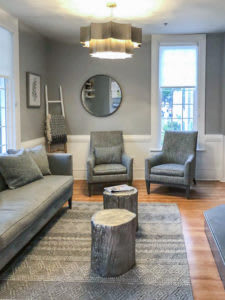
    A modern living room with stylish furniture and neutral tones.
  • Decor

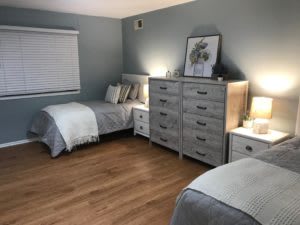
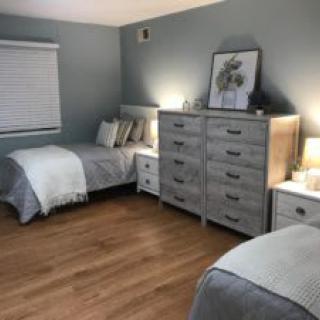
    A tidy bedroom with twin beds, grey tones, and minimalist decor.
  • Building

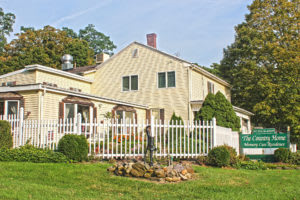
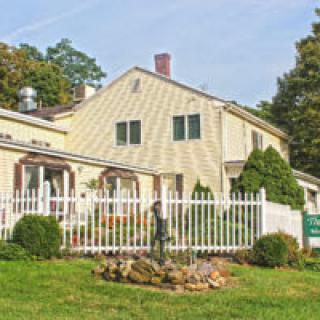
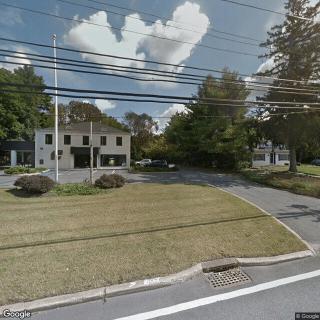
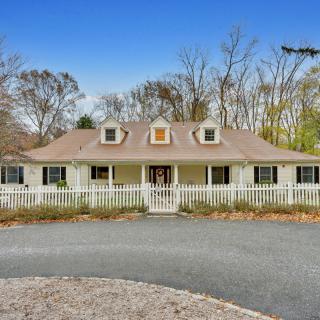
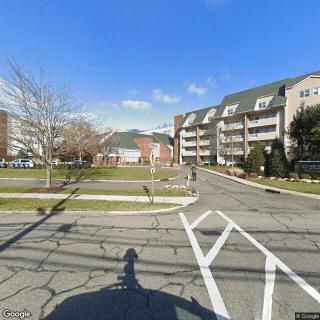
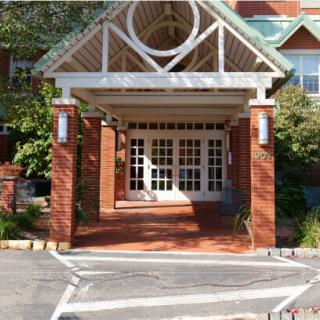
    A charming house with a white picket fence and landscaped yard.
  • Trees

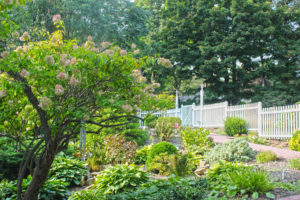
    A lush garden with various plants and a white fence in the background.
  • Landscaping

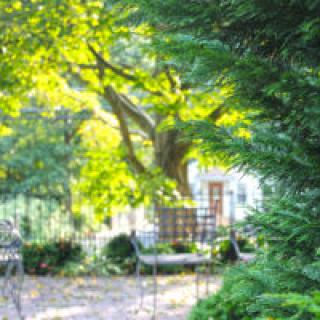
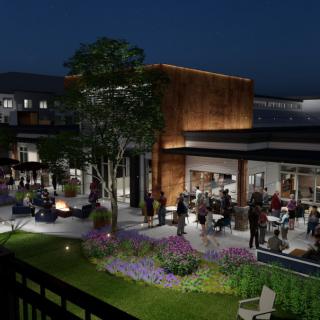
    A peaceful garden with trees and chairs basking in the sunlight.
  • Garden

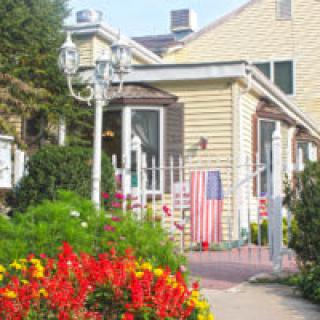
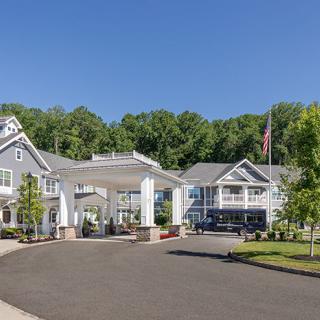
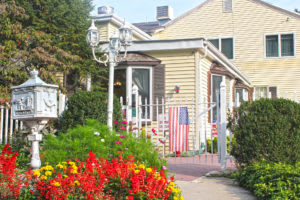
    A cozy house with a garden full of vibrant flowers and an American flag by the entrance.
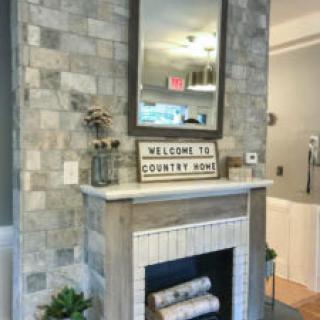
  • Fireplace

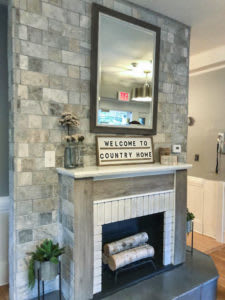
    A rustic-style fireplace with a mirror above and a welcoming 'Country Home' sign.

The Country Home in Morris Plains, NJ

1095 Tabor Road, Morris Plains, NJ 07950

For more information about senior living options: (844) 490-3973

4 from 82 reviews
5 stars
46
4 stars
13
3 stars
7
2 stars
6
1 stars
10

Memory Care

The Country Home Costs & Pricing

At The Country Home, the monthly costs for accommodations reflect a commitment to quality care and comfortable living. For a semi-private room, residents can expect to pay $6,400, which is notably higher than the Morris County average of $5,850 but still more affordable compared to New Jersey's state average of $5,068. Conversely, for those seeking a one-bedroom suite, the rate is set at $6,900. This cost is significantly lower than the median for Morris County at $11,687 while remaining competitive against the broader New Jersey average of $5,994. These pricing structures suggest that The Country Home offers unique benefits and amenities that justify the premium above county standards while providing clear value relative to state comparisons.

Floor plansThe Country HomeMorris CountyNew Jersey
Semi-Private$6,400$5,850$5,068
1 Bedroom$6,900$11,687$5,994

Overall Review of The Country Home

Pros

  • pro The Country Home is in a beautiful setting with well-kept grounds and a homey atmosphere.
  • pro The staff are kind, compassionate, and genuinely care for residents, often forming friendships with them.
  • pro Residents acclimate well through structured activities and a consistent daily schedule.
  • pro Engaging activities like music, art, Bingo, and trivia keep residents lively and connected.
  • pro Families feel at ease knowing their loved ones are well cared for and welcomed by staff.
  • pro The facility is small and intimate, allowing individualized attention and strong staff-resident relationships.
  • pro The dining program is thoughtful, with a caring chef and meals that residents enjoy.
  • pro The staff keep families informed and involved in care decisions, and are responsive to questions.
  • pro The environment features pleasant outdoor spaces, seasonal decor, and a cheerful, calm atmosphere.
  • pro Residents report feeling safe, valued, and happy living at The Country Home, thanks to a dedicated team.

Cons

  • pro The Country Home was awful.
  • pro The original administration was accused of bills not paid, breached contracts, and HIPAA violations, including overcharging.
  • pro Under new management, the facility's quality declined and things have gone downhill.
  • pro The food, laundry, and activities deteriorated, and some staff in charge were abusive.
  • pro There was not a single RN on staff and care was largely custodial rather than skilled.
  • pro Rent was doubled after a year and a half, making it unaffordable for many residents.
  • pro The director and leadership were described as horrible and problematic.
  • pro Staff were sometimes uncaring, with reports of lost clothes and residents being mishandled.

Review

The Country Home in Morris Plains is best suited for families seeking a small, home-like memory-care environment where staff form real connections with residents and routines feel predictable and comforting. It works particularly well for those with dementia or Alzheimer's who benefit from a tightly knit setting, personalized attention, and engaging, day-to-day activities in a tranquil, garden-rich atmosphere. The community's intimate scale - roughly in the 30s - coupled with attentive caregivers and a welcoming dining and living space makes it a compelling choice for families prioritizing warmth, continuity, and affordability over showroom polish.

Alternatives are worth considering for families that want more robust clinical oversight, larger campuses, or a consistently steady leadership presence. If 24/7 skilled nursing coverage, high-frequency physician oversight, and a fully modernized campus are non-negotiables, other facilities may better serve those needs. For families worried about administrative stability, or who require a facility with rock-solid after-hours responsiveness and transparent, up-to-date billing practices, shopping outside The Country Home could reduce long-term risk. In short, this is not the best fit for those chasing a glossy, hospital-like campus or a purely custodial model without strong family-communication channels.

The strongest pros center on humanity and individualized care. Staff are described as genuinely kind, compassionate, and embedded with residents, creating a cheerful, homey ambiance rather than a clinical one. A structured schedule - daily activities, showers, meals, and social events - helps memory-impaired residents acclimate and stay engaged, with families noting real progress and happiness in their loved ones. The intimate size facilitates meaningful interactions, and families repeatedly report that caregivers know resident interests, communicate openly, and encourage family involvement in care decisions. Outdoor space and seasonal decor add to a sense of belonging, while the kitchen staff and small, flavorful meals contribute to dignity and appetite.

Yet the cons warrant close scrutiny. Several reviews raise concerns about management turnover and administrative consistency, with accounts of leadership changes affecting operations, communications, and perceived care quality. Critiques also touch on the depth of "memory care" itself, with some observers feeling the setting functions more like custodial care in an older building, and questions raised about the presence of a registered nurse on site. Financial instability for some families - such as rent adjustments and unclear billing practices - creates anxiety about long-term affordability. Maintenance issues, uneven activity programming during staff gaps, and limited after-hours contact are repeatedly mentioned as friction points.

The balance of pros and cons depends on what a family values most. For those prioritizing a home-like vibe, real staff-resident bonds, and affordable, person-centered programming, The Country Home delivers meaningful benefits that can offset occasional administrative bumps or aging infrastructure. The small scale often translates into faster responses to needs, more consistent caregiving, and a culture that treats residents as people first. However, when leadership is unstable or when expectations include comprehensive, modern memory-care features and robust clinical oversight, the drawbacks become more pronounced and even risky to overlook.

Decision guidance for families: approach this option with a rigorous, door-to-door verification mindset. Schedule multiple visits at different times, including evenings, to gauge after-hours responsiveness. Request current staffing patterns, an up-to-date activity calendar, and a clear description of the memory-care program - how locked doors, safety monitoring, and daily routines are actually implemented. Meet the administrator and ask for direct contact information to reach leadership outside tours. Review the contract line-by-line, especially regarding private-pay terms, billing practices, and any anticipated rate increases. Speak with a few current families and residents to understand day-to-day experiences beyond the brochure. If the aim is a warm, intimate setting where caregivers know residents well and family involvement is welcomed and facilitated, The Country Home can be a standout match - provided the current team and governance are stable and transparent. If those elements feel uncertain, it is prudent to compare with alternatives that offer stronger governance and more expansive memory-care credentials.

Features

Types of Care

  • Memory Care Memory CareMemory care is crucial for seniors as it provides specialized support and services for individuals with dementia or Alzheimer's disease. These programs offer a safe and secure environment where residents receive personalized care, cognitive stimulation, and help with daily activities. Memory care helps seniors maintain their independence, quality of life, and dignity while also providing peace of mind for their families.

Amenities

  • Activities on-site Activities on-siteActivities on-site are important for seniors because they provide opportunities for socialization, mental stimulation, physical activity, and overall well-being. Engaging in activities can help seniors stay active, maintain their independence, and improve their quality of life.
  • Air-conditioning Air-conditioningAir conditioning is important for seniors as they are more vulnerable to heat-related illnesses and may have underlying health conditions that make it difficult for them to regulate their body temperature. It helps to keep them comfortable, safe, and healthy in hot weather.
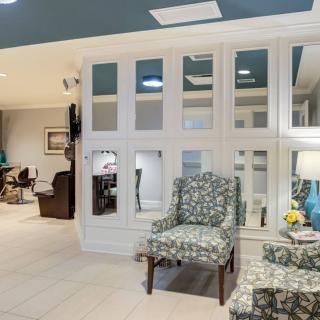
  • Beautician on-site Beautician on-siteHaving a beautician on-site at a senior living community is important for seniors as it allows them to easily access grooming and personal care services, boosting their self-esteem and overall well-being. It also provides convenience and helps seniors maintain their sense of independence and personal style.
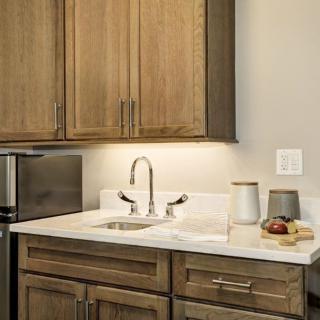
  • Full kitchen Full kitchenHaving a full kitchen in a senior living facility is important for seniors because it allows them to maintain their independence and prepare their own meals. This promotes healthy eating habits, saves money on dining out, and provides a sense of familiarity and comfort for residents.
  • Garden view Garden viewGarden views are important for seniors as they provide natural beauty and tranquility, promoting relaxation and overall well-being. Access to green spaces can also encourage outdoor activity and socialization, enhancing physical and mental health.
  • Handicap accessible Handicap accessible"Handicap accessible" amenities are crucial for seniors to ensure they can easily navigate and access facilities, services, and activities without barriers or limitations due to physical impairments. This promotes independence, safety, and inclusivity for seniors in senior living communities.
  • Indoor common areas Indoor common areasIndoor common areas are crucial for seniors as they provide a space for socialization, recreation, and community engagement, promoting overall well-being and reducing feelings of isolation and loneliness.
  • Outdoor common areas Outdoor common areasOutdoor common areas are important for seniors as they provide a space for socialization, physical activity, and relaxation. Being outside in nature can improve mood and overall well-being, while also encouraging movement and engagement with others. These spaces can help combat feelings of isolation and promote a sense of community among residents.
  • Private patio, deck, or balcony Private patio, deck, or balconyHaving a private patio, deck, or balcony is crucial for seniors living in a retirement community as it provides them with access to fresh air, natural light, and the outdoors without having to leave their home. This outdoor space can promote physical activity, mental well-being, and socialization opportunities for seniors, contributing to an overall improved quality of life.
  • Respite or short term stays offered Respite or short term stays offeredRespite or short term stays provide seniors with a temporary solution when their regular caregiver is unavailable, offering them the opportunity to receive additional care and support during times of need, while also giving caregivers a chance to rest and recharge.
  • Wheelchair accessible showers Wheelchair accessible showersWheelchair accessible showers are crucial for seniors as they provide a safe and independent bathing option for those with mobility challenges. These showers help prevent falls and allow seniors to maintain their dignity and autonomy while ensuring they can bathe comfortably.
  • Wi-Fi/high-speed internet available Wi-Fi/high-speed internet availableWi-Fi/high-speed internet is important for seniors to stay connected with loved ones, access online resources, and participate in virtual activities to combat feelings of loneliness and isolation. It also allows them to easily manage healthcare needs, access entertainment, and engage in lifelong learning opportunities.

Transportation

  • Newark International (20 miles away) Newark International (20 miles away)

Care Services

  • Ambulatory care Ambulatory care"Ambulatory care services provide essential medical support and treatment to seniors without requiring hospitalization, allowing them to maintain their independence and quality of life while managing chronic conditions or receiving routine medical care."
  • Diabetic care Diabetic careDiabetic care is crucial for seniors as they are more susceptible to developing diabetes due to aging and other health conditions. Proper management of diabetes can help prevent complications such as heart disease, vision loss, and nerve damage, improving the overall quality of life for seniors in senior living communities.
  • High acuity care High acuity careHigh acuity care is important for seniors because it provides specialized medical attention and support for individuals with complex medical needs. This level of care ensures that seniors receive the appropriate treatment and assistance to maintain their health and quality of life as they age.
  • Incontinence care Incontinence careIncontinence care is essential for seniors to maintain their dignity, hygiene, and overall quality of life. By addressing incontinence issues promptly and effectively, seniors can enjoy a sense of independence and comfort in their daily activities.
  • Medication management Medication managementMedication management is crucial for seniors to ensure they are taking the right medications at the correct dosages and times. This helps prevent adverse drug interactions, reduces the risk of medication errors, and promotes overall health and well-being. Proactive management also allows for adjustments as needed based on changing health conditions or new prescriptions.

Dining

  • Gluten-free Gluten-freeGluten-free options are important for seniors as they are more prone to digestive issues and dietary sensitivities. Offering gluten-free meal choices in senior living communities can help improve their overall health and well-being.
  • Guest meals Guest mealsGuest meals are important for seniors living in senior living communities because they provide an opportunity for socialization and companionship. Sharing a meal with friends, family, or new acquaintances can help combat feelings of loneliness and isolation, promote a sense of community, and enhance overall well-being. Additionally, guest meals allow seniors to enjoy delicious food in a comfortable setting without the hassle of cooking or cleaning up, making dining a pleasurable and stress-free experience.
  • Kosher KosherKosher options are important for seniors because they adhere to dietary laws that are significant to many Jewish individuals, providing them with peace of mind and an opportunity to maintain their cultural traditions and beliefs while living in a senior living community.
  • Low / no sodium Low / no sodiumLow/no sodium options are important for seniors because excessive sodium intake can lead to high blood pressure, heart disease, and other health issues commonly experienced by older adults. By choosing low/no sodium foods, seniors can better manage their health and reduce their risk of developing these conditions.
  • Meals provided Meals provided"Meals provided" are crucial for seniors in assisted living communities as it ensures they have access to nutritious, balanced meals without the stress of meal planning and preparation. This can help promote overall health and well-being for seniors who may have limited mobility or cognitive abilities.
  • No Sugar No SugarNo sugar diets are important for seniors because they can help prevent or manage chronic conditions such as diabetes, heart disease, and obesity. Sugar can also contribute to cognitive decline and inflammation in the body, so reducing sugar intake can lead to overall improved health and well-being in older adults.
  • Organic OrganicOrganic foods are important for seniors because they contain fewer chemicals and pesticides, which can be harmful to aging bodies. Additionally, organic foods often have higher nutrient levels, making them a healthier choice for maintaining overall well-being in older adults.
  • Vegan VeganVegan diets can provide numerous health benefits for seniors, including lower risk of chronic diseases, improved digestion, and increased energy levels. Additionally, plant-based diets are often rich in essential nutrients that can support overall well-being and longevity in older adults.
  • Vegetarian VegetarianA vegetarian diet is important for seniors because it can help lower the risk of chronic diseases, maintain a healthy weight, and provide essential nutrients needed for aging bodies. Additionally, plant-based diets are often easier on digestive systems and can contribute to overall well-being in older adults.

Activities

  • Bible study group Bible study groupBible study groups provide seniors with a sense of community, spiritual growth, and support during their later years. It helps them stay connected to their faith, find comfort in difficult times, and build meaningful relationships with others.
  • Catholic services Catholic servicesCatholic services are important for seniors because they provide spiritual support, a sense of community, and opportunities for social interaction that can enhance overall well-being and quality of life in their later years.
  • Devotional activities offsite Devotional activities offsiteDevotional activities offsite are important for seniors because they provide social engagement, spiritual growth, and a sense of community outside of their living environment. This can improve overall well-being, mental health, and combat feelings of isolation or loneliness.
  • Devotional activities on-site Devotional activities on-siteDevotional activities on-site provide seniors with a sense of community, spiritual fulfillment, and emotional support, promoting overall well-being and a positive sense of purpose in their lives.
  • Jewish services Jewish servicesJewish services are important for seniors as they provide a sense of community, spiritual support, and connection to their heritage and traditions. These services help enhance overall well-being and quality of life for older adults in senior living settings.
  • Live musical performances Live musical performancesLive musical performances can provide seniors with a sense of joy, nostalgia, and connection. Music has the power to evoke emotions and memories, improve mood and cognitive function, and foster social interaction among seniors. It can also serve as a form of therapy and stress relief for older adults, making it an important activity to include in senior living communities.

  • Mormon/LDS services Mormon/LDS servicesMormon/LDS services are important for seniors as they provide a sense of community, spiritual support, and connection to their faith during their later years. These services offer opportunities for socialization, worship, and guidance in navigating the challenges of aging.
  • Other religious services Other religious servicesOther religious services are important for seniors as they provide a sense of community, spiritual comfort, and opportunities for socializing. These services can help seniors feel connected to their faith and maintain a sense of purpose and belonging in their later years.
  • Protestant services Protestant servicesProtestant services are important for seniors because they provide spiritual nourishment, community support, and a sense of belonging. These services can help seniors connect with others who share their faith, find comfort and guidance in times of need, and maintain a sense of purpose and fulfillment in their later years.
  • Visiting Rabbi Visiting Rabbi"Visiting rabbis provide spiritual and emotional support to seniors in assisted living communities, helping them connect with their faith, find comfort in times of need, and maintain a sense of community and belonging."
  • Visiting chaplain or priest Visiting chaplain or priestHaving a visiting chaplain or priest at a senior living community is important for seniors because it provides spiritual support, comfort, and guidance during a time of life that can be challenging and uncertain. Their presence can help seniors feel connected to their faith, find peace of mind, and cope with the emotional and mental struggles they may face in their later years.

Description

The Country Home in Morris Plains, NJ is an assisted living community that offers a wide range of amenities and care services to meet the needs of its residents. With air-conditioning and wheelchair accessible showers, the community ensures comfort and convenience for all individuals. The beautician on-site allows residents to easily access salon services without leaving the premises.

The full kitchen provides the option for residents to cook their own meals if desired, while also offering delicious and nutritious meals provided by the community. Dietary restrictions are accommodated with options such as kosher, low/no sodium, organic, vegan, vegetarian, and no sugar meals.

Indoor common areas provide spaces for socializing and activities, while outdoor common areas allow residents to enjoy the beauty of nature. Private patios, decks, or balconies offer personal outdoor space for relaxation.

For those in need of short-term stays or respite care, The Country Home offers these options. High acuity care is available for individuals with more complex medical needs such as diabetes or incontinence care. Medication management services ensure that residents receive their necessary medications on time.

In terms of nearby amenities, there are three cafes and 19 restaurants nearby for dining options. Three parks provide opportunities for outdoor recreation and relaxation. Ten pharmacies and six physicians are conveniently located nearby for easy access to healthcare services. Transportation is available for residents who may require it.

The Country Home also recognizes the importance of religious services, offering Catholic services, Jewish services with a visiting rabbi on-site or offsite devotional activities, live musical performances as well as Protestant services with a visiting chaplain or priest from various denominations.

Overall, The Country Home in Morris Plains provides a comprehensive assisted living experience with a variety of amenities, care services, nearby amenities, and religious offerings to support the well-being and happiness of its residents.

Nearby Places of Interest

This part of Morris Plains, New Jersey offers a convenient and diverse range of amenities for senior living. With multiple pharmacies in close proximity, accessing medication and healthcare services is easily manageable. There are also several reputable physician practices and hospitals nearby for medical care. In terms of recreation, there are various parks to enjoy outdoor activities and relax in nature. Additionally, there are several dining options ranging from casual to fine dining, as well as cafes for socializing with friends. For those who enjoy cultural experiences, there are theaters nearby for entertainment purposes. Overall, this area provides a comfortable and accessible environment for seniors looking to settle down in Morris Plains.

Pharmacies

  • CVS Pharmacy (1.3 miles)
  • CVS Pharmacy (1.9 miles)
  • Walgreens (1.9 miles)
  • Wegmans (2.6 miles)
  • Walgreens (2.8 miles)
  • CVS Pharmacy (3.4 miles)
  • Walgreens (3.9 miles)

Physicians

  • Cardiology Consultants (1.4 miles)
  • Denville Pediatrics Medical (1.6 miles)
  • Peter Dabrowksi MD (1.8 miles)
  • Parsippany Pediatrics (2.6 miles)
  • Summit Medical Group (3.8 miles)
  • EHE International (4.5 miles)
  • Changebridge Medical Associates (5.8 miles)

Restaurants

  • Tommy's Tavern + Tap (1.6 miles)
  • Chick-Fil-A (1.6 miles)
  • Wendy's (1.6 miles)
  • Indian Lake Bistro, American & Latin Cuisine (1.7 miles)
  • Thatcher McGhee's (1.8 miles)
  • Ferraro's Italian Food Specialties (1.8 miles)
  • Burger King (2.2 miles)

Parks

  • Gardner Field (2.5 miles)
  • The Morristown Green (4.8 miles)
  • Volunteers Park (4.9 miles)
  • Freedom Park (5.5 miles)
  • Ginty Field (5.7 miles)
  • Loantaka Brook Reservation Recreation Area (6.4 miles)
  • Florham Park Recreation Department (6.6 miles)

Hospitals

  • Greystone Park Psychiatric Hospital (2.8 miles)
  • Saint Clare's Hospital (3.9 miles)
  • St Clare's Hospital (4.1 miles)
  • Morristown Memorial Hospital Atlantic Health (5.2 miles)
  • Saint Clare's Radiology Department (5.6 miles)
  • Saint Clare’s Same Day Surgery (5.6 miles)
  • Kindred Hospital New Jersey - Morris County (5.6 miles)

Places of Worship

  • Liquid Church (3 miles)
  • Resurrection Parish (5.8 miles)
  • Church of Jesus Christ of Latter Day Saints (6.8 miles)

Cafes

  • Starbucks (3.7 miles)
  • Starbucks (3.9 miles)
  • Lokl Cafe (4.9 miles)
  • Panera Bread (5.4 miles)
  • Starbucks (5.4 miles)
  • Starbucks (6.7 miles)
  • Panera Bread (6.7 miles)

Transportation

  • Rockaway Mall Park & Ride (5 miles)
  • Signature Flight Support (5.5 miles)
  • Enterprise Rent-A-Car (9 miles)

Theaters

  • AMC Rockaway 16 (5.4 miles)
  • AMC East Hanover 12 (6.1 miles)

Frequently Asked Questions

How much does it cost to live at The Country Home in Morris Plains, NJ?
Where is The Country Home?
Does The Country Home provide care for residents with dementia or Alzheimer's disease?
What photos are available for The Country Home in Morris Plains, New Jersey?

Nearby Communities

  • FirstLight Home Care - Parsippany,  NJ

    FirstLight Home Care - Parsippany, NJ

    Parsippany, NJ

    5 from 6 reviews
     

    pro Peaceful, vibrant assisted living with convenient access to nearby amenities and services.
  • Touching Hearts at Home of Morris County

    Touching Hearts at Home of Morris County

    Denville, NJ


    pro Compassionate care with convenient access to nearby amenities.

  • Sunrise of Morris Plains

    Sunrise of Morris Plains

    Morris Plains, NJ

    4.4 from 78 reviews
    $5,730 to $11,910 / month

    pro Attentive, friendly staff in a homey, well-maintained setting with good communication.

  • Bayada Nurses

    Bayada Nurses

    Parsippany, NJ


    pro Close to pharmacies, doctors, parks, cafes, and restaurants for convenient, active living.

  • Oaks At Denville

    Oaks At Denville

    Denville, NJ

    4.1 from 74 reviews
     

    pro Restaurant-style dining with comprehensive care options and engaging activities.

  • The Oaks At Denville

    The Oaks At Denville

    Denville, NJ

    4 from 91 reviews
    $99,999 / month

    pro Friendly staff, pleasant independent living options, with robust on-site amenities and activities.

  • Sunrise of Mountain Lakes

    Sunrise of Mountain Lakes

    Mountain Lakes, NJ

    5 from 34 reviews
    $7,740 to $9,660 / month

    pro Attentive, friendly staff in a clean, modern environment with engaging activities and convenient location.

  • Arbor Terrace Morris Plains

    Arbor Terrace Morris Plains

    Morris Plains, NJ

    4.8 from 110 reviews
    $4,300 to $9,460 / month

    pro Immaculate, hotel-like community with attentive staff and engaging activities.

  • Lester Senior Housing Community Life in Whippany

    Lester Senior Housing Community Life in Whippany

    Whippany, NJ

    3.9 from 36 reviews
    $2,718 to $8,000 / month

    pro Friendly, caring staff with engaging activities in a clean, welcoming setting.

Related Resources

  • dementia behaviorsUnderstanding Dementia Behaviors: Practical Insights and Strategies for Caregivers
    Dementia affects memory and cognitive function in older adults, presenting challenges for caregivers due to behavioral changes such as confusion and mood swings. Compassionate, person-centered care that considers individual history and preferences, along with effective communication and environmental modifications, is essential for supporting both patients and their caregivers.

  • dementia and angerWhen Dementia Sparks Anger and Aggression: Understanding the Connection and Ways to Cope
    Dementia leads to cognitive impairment and can cause emotional and behavioral changes, including aggression that arises from frustration, confusion, or fear. Effective coping strategies for caregivers include understanding dementia's nature, recognizing triggers, using empathetic communication, and employing non-pharmacological interventions like music and art therapy.

  • dementia behaviorsDementia Behaviors: In-Depth Understanding and Effective Coping Strategies
    Dementia causes cognitive decline and challenging behaviors that caregivers must manage, necessitating an understanding of the neurological basis of these issues. Effective strategies and self-care for caregivers can enhance support for those with dementia and improve their daily lives.