










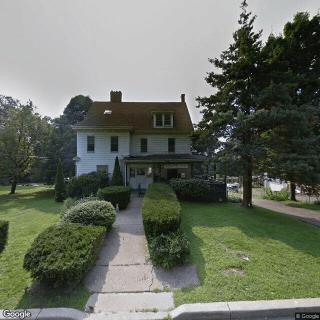
55 River Road, Montville, NJ 07045
For more information about senior living options: (866) 208-4318
Overall Review of Fox Trail at Montville
Pros
 The care at Fox Trail is second to none.
- The residents are very lovely.
- Daniela, the director, created a safe and loving space.
- The food is delicious and freshly cooked at each meal.
- Fox Trail in Montville builds relationships and delivers a personal touch that makes a difference.
Cons
 The reviewer describes Fox Trail as a nightmare and claims the facility failed to watch or care for their mother.
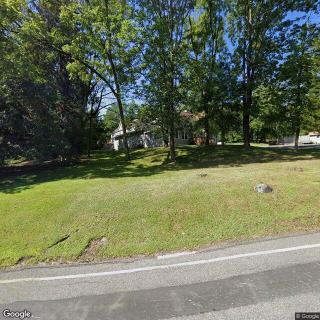
- They allege their mother wandered out the rear of the facility, was found on the main road in a hospital gown, and staff were unaware or unable to explain when or how long she was missing.
- They accuse the facility of having terrible records and zero accountability.
- They report receiving a $13,000 bill months after transferring their mom and call it audacious.
- They state no one cared when their mom went missing or was hurt and note harassing payment letters followed.
- They describe the rooms as Spartan and lacking amenities like a gym.
Review
Fox Trail at Montville is best suited for families that prioritize a warm, relationship-driven care experience in a small, home-like setting. The community leans on a hands-on director leadership style, Daniela is repeatedly credited with creating a safe, loving space where residents feel known. Food is a real plus here, with meals described as freshly cooked and flavorful. The intimate scale of the memory care option, small groups and a homey atmosphere, appears to support meaningful interactions and a sense of belonging for residents who respond well to personal attention. In short, this is a practical choice for families who want a high-touch, neighborly environment where staff are visible and engaged on a daily basis.
But several red flags warrant careful consideration, and they push some families to explore alternatives. The most serious concern is safety and accountability. One resident with memory impairment left the building and wandered into the neighborhood, unmonitored, with consequences that shook the family trust and raised questions about incident reporting and duty of care. Billing and administrative friction followed, including a substantial claim after a transfer, which casts doubt on financial transparency and the consistency of record-keeping. For families prioritizing risk management, rigorous oversight, and predictable billing practices, Fox Trail Montville may not measure up to higher-volume communities with formalized safety protocols and clearer escalation paths.
The community’s strongest positives center on human connection and hospitality, and those do tend to offset some drawbacks when the care needs are clear-cut. The staff’s relational approach, especially the leadership from Daniela, creates a sense of security and belonging that many families value deeply. Residents frequently benefit from a calm, nurse-led care ethos, with caregivers who seem invested in daily routines, meals, and social time. The memory care setting’s small scale can foster meaningful companionship and individualized attention that larger campuses sometimes dilute. On balance, the core advantages align well with families seeking a nurturing environment where staff know the residents’ histories, preferences, and quirks.
That said, the downsides can be consequential, and they should guide a rigorous due diligence process. The lack of robust, demonstrable safety safeguards, such as reliable doors, gates, and wander-management, poses a clear risk to residents with memory issues. Limited amenities beyond basic activities and a sparsen room presentation in some memory care spaces may disappoint families used to more comprehensive programming. The contrast between a highly praised personal touch and occasional reports of care gaps creates a heavy drift between “excellent in practice” and “fragile in operations.” Prospective residents should probe for current staffing levels, certifications, training, and the exact care plans in place for memory-impaired residents, as well as a transparent incident-reporting framework.
Practical due diligence can turn the decision toward confidence rather than concern. Families planning a visit should request a thorough tour of the memory care area, ask to meet the care coordinator, and review recent incident logs and remediation steps. Inquire about staff-to-resident ratios by shift, wander-protection measures, and how emergencies are escalated. Seek written explanations of pricing, what is included, and how billing disputes are resolved. Take the opportunity to speak with current residents and families about continuity of care, responsiveness of management, and the consistency of meals and activities. These conversations help separate the compelling relational culture from the operational fragility that has surfaced in a minority of experiences.
In the end, Fox Trail Montville offers a compelling option for families who prize warmth, personal attention, and a memory-care vibe grounded in close-knit staff relationships. When safety protocols, incident transparency, and predictable billing are managed to a high standard, the positives can outweigh the drawbacks. However, for families where risk management, formal accountability, and robust programming matter more than intimate scale, alternatives with stronger safety records and broader amenities deserve serious consideration. The right choice hinges on aligning the loved one’s needs for comfort, connection, and caregiver continuity with a facility that can demonstrably deliver consistent protection and financial clarity.
 Studio apartments
 Memory Care
 Beautician on-site
 Cable or satellite TV
 Dining room
 Family education and support services
 Fully furnished
 Guest parking
 Home sale assistance
 Housekeeping services
 Laundry
 Outdoor patio
 Outdoor space
 Respite or short term stays offered
 Restaurant-style dining
 Security gate
 Wi-Fi/high-speed internet available
 Newark International (18 miles away)
 24-hour call system
 Activities of daily living assistance
 Assistance with bathing
 Assistance with dressing
 Assistance with transfers
 Companion care
 Coordination with health care providers
 Diabetes diet
 Diabetic care
 Hospice care
 Medication management
 Physical therapy
 Preventative health screenings
 Same day assessments
 Special dietary restrictions
 Arts and crafts
 Book club
 Cooking club
 Educational speakers / life long learning
 Games
Games Gardening club
 Live musical performances
 Religious services






 8 Important Indicators That Memory Care May Be Necessary
 Delving into the Inner World of Dementia: Insights into Thoughts and Awareness
 Five Subtle Dementia Indicators to Observe: An In-Depth Guide to Understanding “Does My Mom Have Dementia?”