
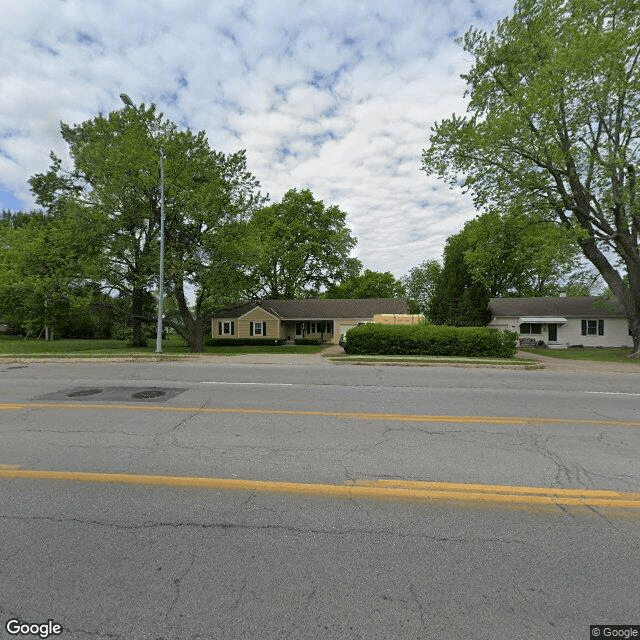
10640 Holmes Road, Kansas City, MO 64131
To contact a resident: (816) 216-7498
For more information about senior living options: (866) 208-4318
Above and Beyond Costs & Pricing
Above and Beyond offers competitive pricing for its accommodations compared to local and state averages. The cost for a private room at Above and Beyond is $2,500 per month, significantly lower than both Jackson County's average of $4,101 and Missouri's state average of $4,483. Similarly, the one-bedroom option at Above and Beyond, priced at $3,500, is higher than Jackson County's average of $2,857 but remains more affordable than the state average of $3,349. This pricing structure underscores Above and Beyond's commitment to providing quality housing options that cater to diverse needs while maintaining affordability in the broader market context.
| Floor plans | Above and Beyond | Jackson County | Missouri |
|---|---|---|---|
| Private | $2,500 | $4,101 | $4,483 |
| 1 Bedroom | $3,500 | $2,857 | $3,349 |
Memory care communities with a similar price nearby
-
from -$80 / mo

Tiffany Springs Senior Living & Rehab
$2,420 to $3,835 / month22.8 miles away -
from +$155 / mo
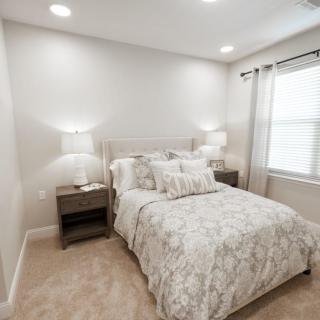
The Wellington Senior Living
$2,655 to $4,620 / month22.2 miles away -
from +$400 / mo
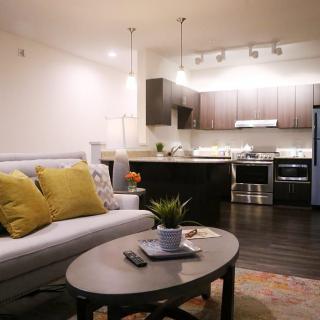
St. Anthony's Senior Living
$2,900 to $4,490 / month4.9 miles away -
from -$200 / mo
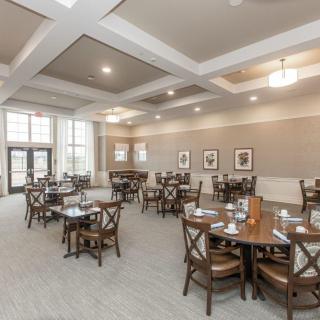
The Madison Senior Living
$2,300 to $4,375 / month4.4 miles away -
from -$251 / mo

Anthology of Olathe
$2,249 to $3,349 / month13.9 miles away
Overall Review of Above and Beyond
Pros
 The home is very quiet and very clean.
- Four residents are accommodated in private rooms, offering privacy.
- Ramps have been installed throughout the interior, improving accessibility.
- The overall environment feels calm and well-maintained.
Cons
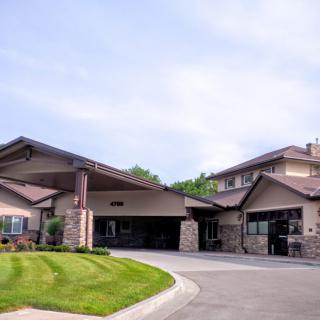
 The home is older and rather dark.
- The caregiver's certification is unknown, raising concerns about qualifications.
- The owner/operator appears to be on-site only at night, implying limited oversight.
Review
This community is best suited for seniors who desire an ultra-small, home-like environment with private rooms, where privacy and quiet take precedence over bustling activity. With only four residents, the atmosphere tends to be calm and predictable, appealing to those who prize cleanliness and a low-stimulation setting. The owner lives on-site, and night-time presence can offer a basic sense of security for families seeking oversight during vulnerable hours. The all-female composition may also be a deliberate preference for some, delivering a gender-specific living experience that can feel safer or more comfortable to certain residents and families.
Those who should consider alternatives are residents who require more robust daily support, daytime supervision, or a broader social environment. The care team’s certifications aren’t clearly documented, and daytime staffing appears limited by the owner’s focus on another nearby facility. The home’s age and darker interior can be a drawback for anyone who wants bright common spaces, modern layouts, or extensive accessibility features beyond what is currently installed. For anyone seeking mixed-gender living, more diverse programming, or stronger visible medical oversight, a larger, more transparent operation will likely be preferable.
The small size and private rooms are undeniable advantages that partially offset the main drawbacks. A four-resident setup minimizes roommate conflicts and allows staff to tailor routines with a level of intimacy that larger facilities often cannot match. The environment’s quiet cleanliness supports a sense of order and predictability that families value when monitoring a loved one’s day-to-day needs. The discreet on-site presence of the owner at night adds a layer of reassurance, even if daytime attention is less evident. The interior has ramps to address level changes, which helps with mobility and accessibility, albeit within a compact footprint.
Yet the same strengths illuminate the critical gaps. The home’s older construction and relatively dark interior can feel less welcoming to residents who crave bright social spaces or modern design. The absence of clear, certified caregiving staff is a meaningful concern for families prioritizing formal credentials and consistent, documented care plans. The owner’s involvement in another facility suggests potential bandwidth limitations, which can translate into slower response times or less proactive programming during daytime hours. Overall, the small, quiet setting trades breadth of services for a veto powerfully in favor of a private, intimate ambiance, great for some, limiting for others.
To make a well-informed decision, families should pursue concrete confirmations before committing. Request a current staffing roster with titles, qualifications, and training schedules, plus a written care plan for any resident, including medication management and emergency protocols. Tour the space at different times of day to gauge how daytime activity, and supervision, feels in practice. Ask for menus, activity calendars, transportation options, and guest policies to determine whether the daily rhythm aligns with expectations. Speak with the current residents or families about consistency of care, responsiveness, and overall satisfaction. If the aim is a broader social milieu or more extensive professional oversight, consider nearby Waterford South or other larger assisted living options in Kansas City that offer clearer staffing structures and more varied programming.
Bottom line: Above and Beyond serves a very particular niche, an ultra-small, private-room environment with a quiet, orderly vibe that can suit seniors who prize privacy and a homelike setting. It is not the right fit for residents who require robust daytime supervision, explicit caregiving credentials, or a lively, activity-packed community. Families prioritizing consistent medical oversight, mixed-gender living, or modern accommodations should confidently explore larger, more transparent options in the area. The pluses are real, but the trade-offs are substantial enough that this community warrants only when privacy, gentle pace, and an intimate footprint are the top priorities.
 Board and Care Home
 Memory Care
 Private



 Understanding Dementia Behaviors: Practical Insights and Strategies for Caregivers
 When Dementia Sparks Anger and Aggression: Understanding the Connection and Ways to Cope
 Dementia Behaviors: In-Depth Understanding and Effective Coping Strategies