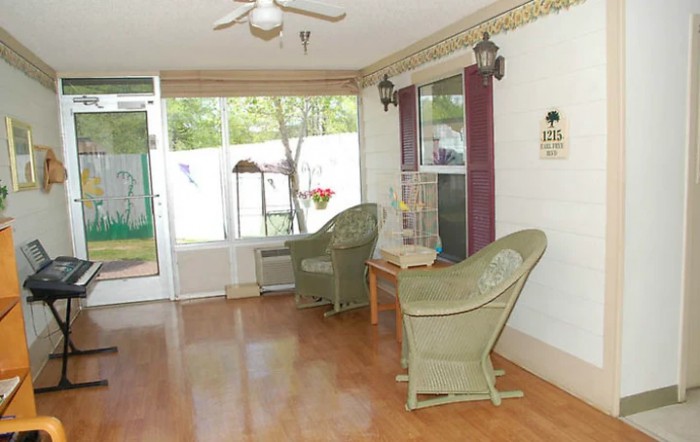
1215 Earl Frye Drive, Amory, MS 38821
For more information about senior living options: (866) 208-4318
Diversicare Of Amory Costs & Pricing
Diversicare of Amory offers a private room at a competitive monthly rate of $5,550, which aligns with the average costs in Monroe County. In contrast, the statewide average for similar accommodations in Mississippi stands significantly lower at $3,581 per month. This pricing indicates that while Diversicare of Amory provides services that may cater to specific needs or preferences, potential residents and their families should consider how these expenses compare not only with local options but also within the broader state market. The higher cost may reflect enhanced amenities or specialized care available at this facility.
| Floor plans | Diversicare Of Amory | Monroe County | Mississippi |
|---|---|---|---|
| Private | $5,550 | $5,550 | $3,581 |
Skilled Nursing Facilities with a similar price nearby
-
from -$1050 / mo
Diversicare Of Tupelo
$4,500 / month21.6 miles away -
from -$755 / mo

River Place Nursing Center
$4,795 / month0.3 miles away
Overall Review of Diversicare Of Amory
Pros
 The Amory team is a great bunch of loving caregivers who exceed expectations.
- The staff provided lots of encouragement and did a great job with residents.
- The mother loves her new community, praising the staff as terrific, conscientious, helpful, and warm.
- The facility has undergone changes and shows great improvements.
- The staff at Amory are described as warm, conscientious, and helpful by family members.
- The caregivers are appreciated for their caring and supportive approach.
Cons
 The staff were mean, rude, uncaring, neglectful bullies.
- Their mistreatment and neglect nearly caused a resident to die.
- They never got him up and did not know he could walk, leaving him with too little medication and an unhealed bed sore.
- The room smelled of urine and the floor was sticky.
- The facility is poorly managed with no system to ensure proper care.
- It was crowded for the size of the place and seemed understaffed, with few staff and no activities; it would not be recommended.
Review
Diversicare of Amory is best suited for families who need a budget-conscious option in Amory and can tolerate a wide range of day-to-day care quality, with active, persistent family oversight. This community often functions as a price-conscious choice that can work when relatives are prepared to monitor care closely, speak up about concerns, and coordinate with staff on a regular basis. The reality is that care quality in practice oscillates between moments of sincere warmth from some caregivers and episodes of neglect and slipshod supervision on other shifts. In short, this is not a setting to entrust a high-need or medically complex loved one without a concrete plan for ongoing advocacy and accountability.
Those who should consider alternatives are families facing significant safety, hygiene, or medical-management risks. Residents who depend on vigilant fall prevention, timely wound care, and proactive medical oversight will struggle here unless family members are ready to intervene routinely and document concerns as they arise. Odor, cleanliness lapses, and inconsistent engagement with residents surface in multiple accounts, making it challenging for anyone who expects a consistently respectful, clean, and actively supervised environment. For any loved one with dementia, high agitation, incontinence-related vulnerabilities, or complex pain management, the safer course is a community with clearly demonstrated staffing stability and stronger oversight.
The strongest redeeming factors center on the human element when it shows up: some caregivers are described as genuinely caring, warm, and responsive, and a few reviews note noticeable improvements as management changes have occurred. Price-sensitive families may appreciate the relative affordability and the sense that, on certain days, staff members exceed what’s required to maintain dignity and comfort. These positives matter because they indicate that the culture can tilt in the right direction with consistent staffing and stronger leadership. Yet those benefits do not erase the structural gaps highlighted in the negative reports, and they cannot reliably compensate for chronic understaffing or the risk of unsafe incidents if oversight remains uneven.
Counterbalancing the occasional kindness is a pattern that concerns families: reports of understaffed shifts, insufficient supervision for residents who need help with mobility and daily care, and observations of lapses in basic safety, things like bed safety for fall risks and timely responses to needs. Several accounts describe neglect or half-measures that culminated in injuries or a prolonged decline. The facility’s history of citations and the perception that care is driven more by compliance than proactive nursing judgment are red flags for anyone assessing high-risk residents. Activities and engagement appear uneven as well, with some days lacking meaningful programs for residents, which matters for mood, cognitive stimulation, and overall well-being. Across reviews, the main cons, understaffing, safety vulnerabilities, and inconsistent cleanliness, outweigh the occasional, positive caregiver interactions and the community’s lower price point.
From a decision-making standpoint, three practical factors shape how far the cons can be offset by the pros. First, staffing consistency is nonnegotiable for many families; without reliable nurse and aide availability, even well-intentioned staff cannot deliver timely assistance, manage wounds, ensure proper hygiene, or prevent dangerous falls. Second, the facility’s handling of safety protocols, sensor technology for fall risks, prompt assistance when a resident presses a call light, and transparent incident reporting, must be visible in daily routines, not just claimed in marketing. Third, the ability to maintain a clean, odor-free environment with well-maintained rooms and common areas is essential; repeated sensory concerns undermine trust and complicate care for people with sensitivities or infections. When taken together, the key pros offer a narrow upside, but the main cons largely override them for residents who require dependable, high-quality care and continuous supervision.
Families weighing Diversicare of Amory should move deliberately: arrange a thorough, in-person tour during multiple shifts; observe how staff interact with residents, how promptly calls are answered, and whether safety measures (like bed alarms or fall-prevention devices) are consistently in use. Request a copy of the most recent state survey results and any internal corrective action plans; ask to see current care plans for similar residents and how frequently those plans are updated. Probe the schedule to understand staffing patterns, talk with current residents or family members during visits to gauge consistency, and consider a temporary respite stay or trial period to assess responsiveness and cleanliness firsthand. Develop a concrete escalation path with a program director so concerns aren’t left unaddressed for days or weeks.
In the end, Diversicare of Amory represents a pragmatic option for families with flexibility, budget constraints, and a readiness to engage relentlessly in advocacy. For anyone whose loved one requires steady, high-touch nursing care, this community is unlikely to deliver the consistent safety net needed without sustained family involvement. Alternatives with stronger staffing assurances, better odor control, and proven falls and wound-management protocols should be actively explored, especially for residents with complex medical needs or a cognitive impairment that mandates vigilant supervision. If choosing Diversicare, approach the journey with clear care expectations, a written plan for ongoing oversight, and a readiness to switch communities promptly if safety or dignity begins to erode.
 152 resident community capacity
 Memory Care
 Skilled Nursing Facility
 Air-conditioning
 Beauty salon
 Cable or satellite TV
 Computer center
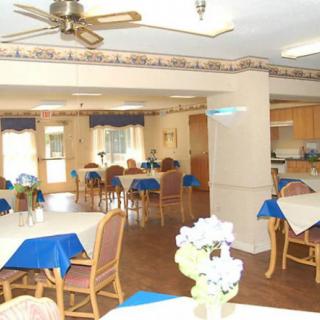
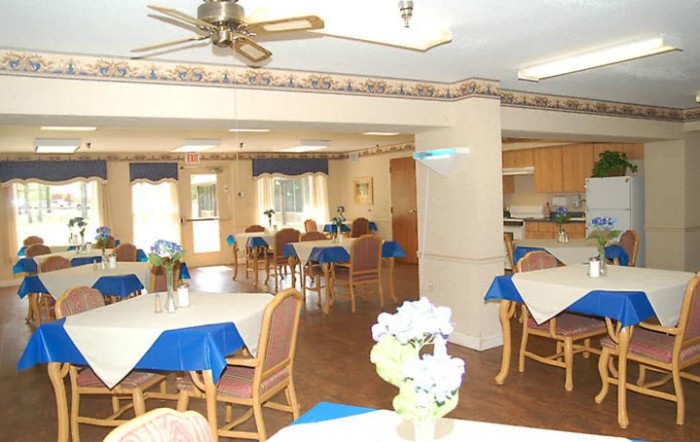
 Dining room
 Fitness room
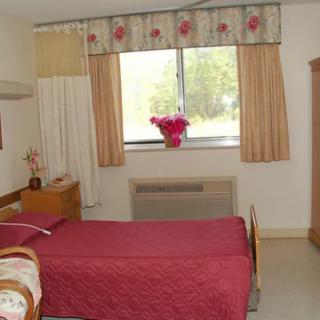
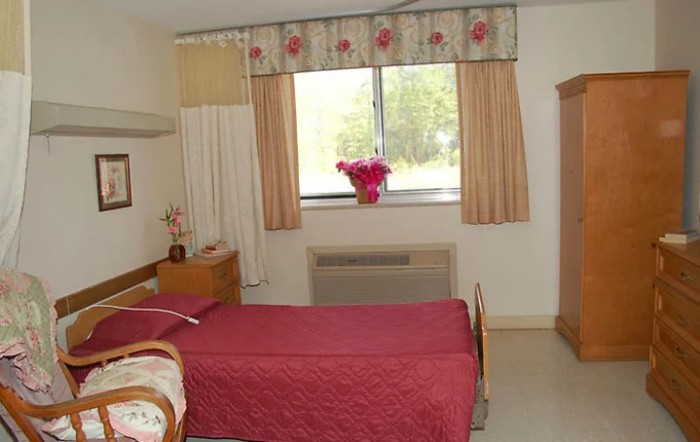
 Fully furnished
 Gaming room
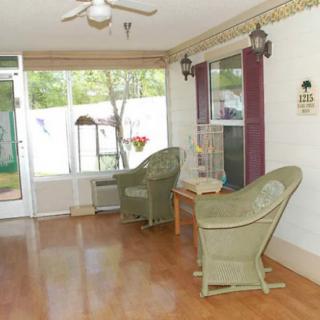
 Garden
 Housekeeping services
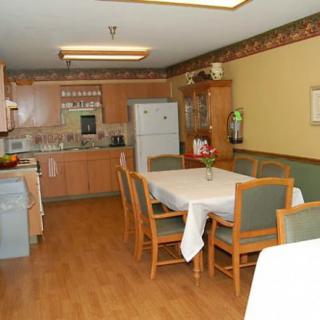
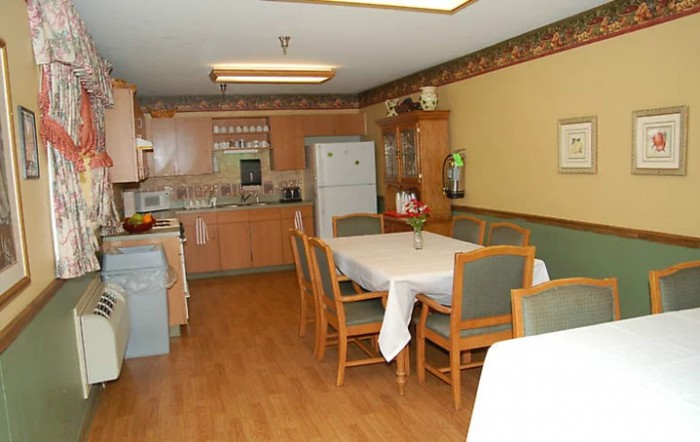
 Kitchenette
 Move-in coordination
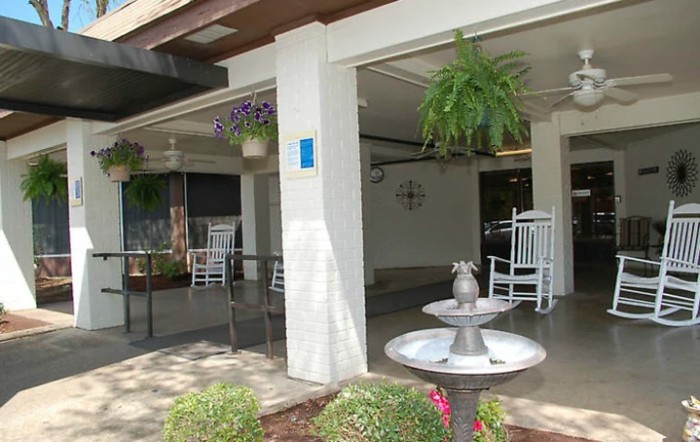
 Outdoor space
 Private
 Private bathrooms
 Restaurant-style dining
 Small library
 Telephone
 Wellness center
 Wi-Fi/high-speed internet available
 Community operated transportation
 12-16 hour nursing
 24-hour call system
 Activities of daily living assistance
 Assistance with bathing
 Assistance with dressing
 Assistance with transfers
 Diabetes diet
 Medication management
 Mental wellness program
 Special dietary restrictions
 Concierge services
 Planned day trips






 Understanding Dementia Through Its Seven Stages: A Comprehensive Look at Progression and Expectations
 Safeguarding Your Memory Through the Golden Years: Eight Ways to Preserve Cognitive Health
 Comprehensive Insights into Activities of Daily Living (ADLs) and Their Assessment