
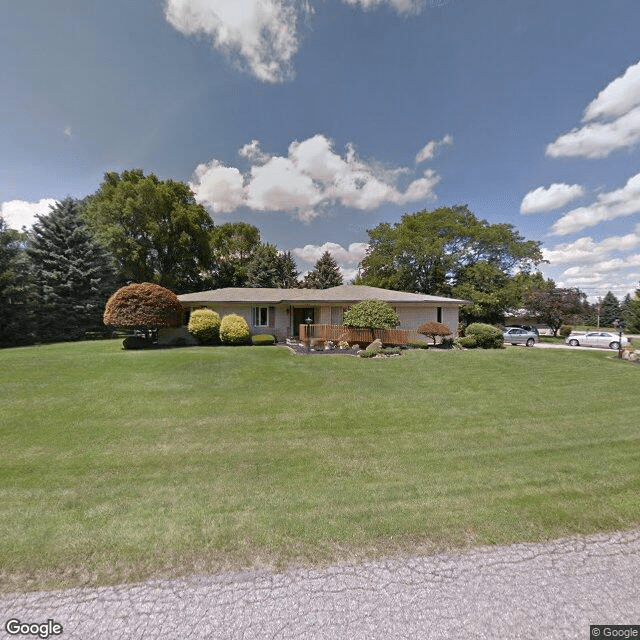
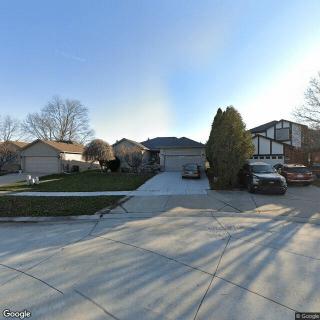
6185 Hickory Lane, Washington, MI 48094
To contact a resident: (586) 232-1049
For more information about senior living options: (866) 208-4318
Best Home Care Hickory Lane Costs & Pricing
Best Home Care Hickory Lane offers competitive pricing for its residents, with a monthly cost of $3,000 for both the One-Bedroom and Semi-Private room types. This pricing is notably lower than the average costs in Macomb County and across Michigan, where similar accommodations range from $3,191 to $3,567. For those looking for a Private room experience, Best Home Care Hickory Lane maintains affordability at $3,200, still below county and state averages. Overall, residents can enjoy quality care in a welcoming environment without the financial burden typically associated with such services in the region.
| Floor plans | Best Home Care Hickory Lane | Macomb County | Michigan |
|---|---|---|---|
| 1 Bedroom | $3,000 | $3,527 | $3,384 |
| Semi-Private | $3,000 | $3,232 | $3,189 |
| Private | $3,200 | $3,567 | $3,674 |
Memory care communities with a similar price nearby
-
About the same

Hutcheson Manor
$3,000 to $4,500 / month23.7 miles away -
from +$200 / mo
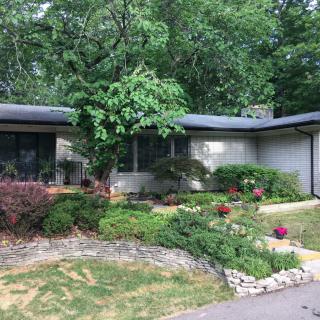
Vicky's Place
$3,200 to $6,000 / month20.2 miles away -
from +$500 / mo
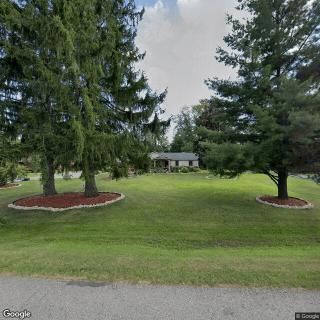
Briar Hill Assisted Living
$3,500 to $4,500 / month22.3 miles away -
About the same
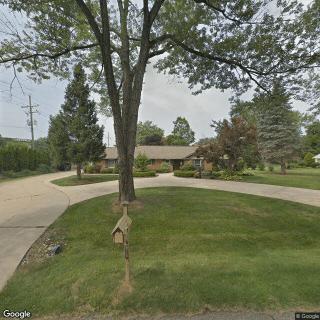
Butternut Hill Senior Living
$3,000 to $4,000 / month12.7 miles away -
from +$500 / mo
Crabtree Lane AFC Home
$3,500 to $5,500 / month12.0 miles away
Overall Review of Best Home Care Hickory Lane
Pros
 Best Homes proved to be a godsend for residents' mothers.
 - It is a family-style home, like the homes their mothers owned for 40+ years.
- The owner and staff are exceptional—well educated, compassionate, and they really get to know the residents' personalities.
- Residents were well fed, kept exceptionally clean, given their meds, kept safe, and the staff were on the alert for health issues and communicated changes to families.
- Residents lived there for many years, and Best Homes was able to enhance and give them the best life they could have.
- They took care of residents' needs with dignity and in a truly loving way.
Cons
 The high-end facility was beautiful, but fell extremely short of quality care and trustworthy employees.
- It is not very compassionate.
- The place is just a business where the woman doesn’t even live there.
Review
Best Home Care Hickory Lane suits seniors who want a warm, family-style home rather than an impersonal facility. It works well for residents who thrive on personalized daily care, home-cooked meals, and caregivers who know their history and preferences. Staff are described as educated, compassionate, and attentive, with a focus on safety, medication management, and clear family communication. The setting is small and intimate, which supports stable routines and meaningful relationships. The strong fit is for those who prioritize dignity, daily companionship, and a home-like rhythm over formal programming or corporate-scale amenities.
Alternatives should be considered for families seeking a more formal facility atmosphere, broader medical services, or an owner who lives on-site. The negative review highlights a concern that when the operator runs several homes and does not reside in the community, it can feel transactional rather than truly compassionate. For seniors requiring complex medical care, consistent on-site nursing, or specialized memory-care programming, a larger, professionally staffed community may better meet those medical demands while offering a wider array of activities and scheduled care options.
The positives in this setting align well with practical care needs and can offset potential drawbacks. The core strengths, compassionate, educated staff; tight-knit routines; reliable medication support; cleanliness and safety; and transparent family updates, create a foundation of trust that matters when daily safety and emotional well-being depend on caregivers. The home-like atmosphere often reduces the feel of institutional care and helps families feel connected to their loved one’s day-to-day life. Long-tenured residents also signal stability, which translates into fewer disruptive changes and clearer communication during health shifts.
Yet, the main caveat is the possibility of limited professional polish or visible on-site leadership. The smaller scale can mean fewer amenities and a narrower social calendar compared with larger campuses. For families seeking routine ownership presence or more aggressive clinical programming, the appeal of a home environment can be offset by a sense of sameness or reduced resources. This is not a shortcoming for all, but it is a meaningful consideration for those whose loved one requires expansive services or more structured activity options.
Practical steps for evaluating begin with an in-person visit that includes the prospective resident and key family members. Observe interactions between caregivers and residents, and request a transparent briefing on staffing levels, medication administration, and care planning. Ask who handles evolving health needs, how alerts are communicated to family, and what protocols exist for hospital transfers. Speak with current families about responsiveness and whether the culture aligns with the loved one’s personality and values. Confirm expectations regarding privacy, daily routines, and available activities to ensure alignment with the anticipated lifestyle.
Bottom line: Best Home Care Hickory Lane is a compelling choice for families seeking a warm, personalized, long-term home where staff know residents well, meals are attentive, and safety is prioritized. It excels at delivering dignity and compassionate care in a small, homelike setting, which can far outweigh the absence of a polished corporate feel. For families prioritizing a more formal environment, extensive medical services, or a clearly visible on-site owner, exploring alternatives is prudent. The due diligence, visiting, talking to multiple families, and verifying references, will reveal whether this community aligns with the loved one’s needs and preferences.
 Board and Care Home
 Memory Care
 Private
 Respite or short term stays offered
 Ambulatory care
 Diabetic care
 High acuity care



 22 Remarkable Caregiver Support Groups Available Online and In-Person
 Understanding Medicaid Coverage for Assisted Living: A Comprehensive Guide
 How and When Medicaid May Cover Assisted Living Costs