
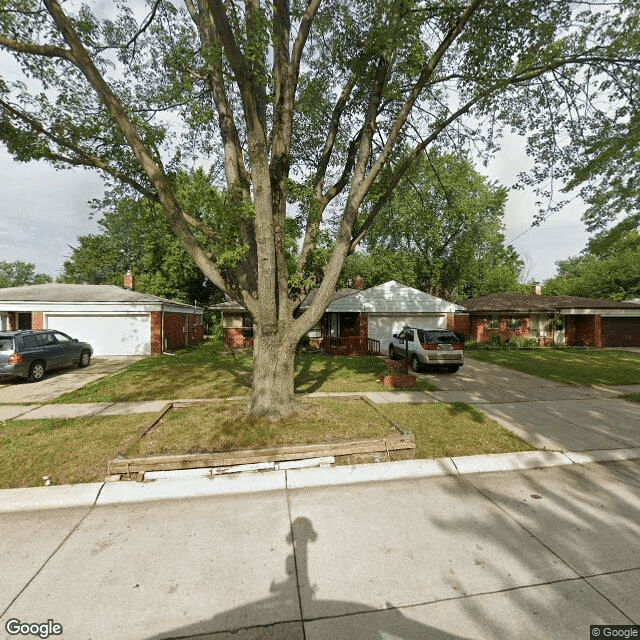
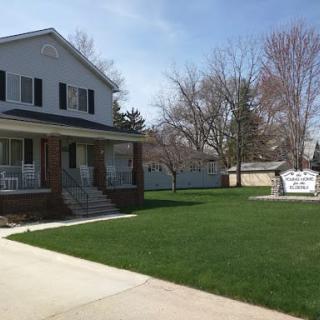
25055 Audrey Ave, Warren, MI 48091
To contact a resident: (586) 486-4162
For more information about senior living options: (866) 208-4318
Cherish Adult Foster Care Costs & Pricing
Cherish Adult Foster Care offers a compelling value proposition in terms of monthly costs when compared to both Macomb County and the broader state of Michigan. For semi-private accommodations, Cherish charges $2,500 per month, significantly lower than the county average of $3,232 and the state average of $3,191. The pricing remains competitive for 1-bedroom options as well, with Cherish's rate at $3,000 compared to $3,527 in Macomb County and $3,384 statewide. Furthermore, their private room rate is also set at $3,000 - again more affordable than the county's average of $3,567 and the state's average of $3,675. These values reflect Cherish Adult Foster Care's commitment to providing quality care services while ensuring affordability for its residents.
| Floor plans | Cherish Adult Foster Care | Macomb County | Michigan |
|---|---|---|---|
| Semi-Private | $2,500 | $3,232 | $3,189 |
| 1 Bedroom | $3,000 | $3,527 | $3,384 |
| Private | $3,000 | $3,567 | $3,674 |
Memory care communities with a similar price nearby
-
from -$225 / mo
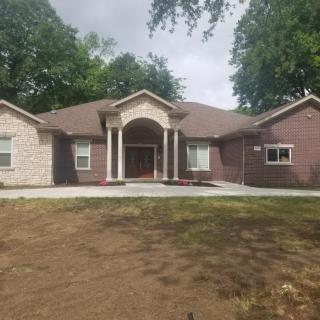
Pleasant Valley Family Care
$2,275 to $7,000 / month14.1 miles away -
About the same
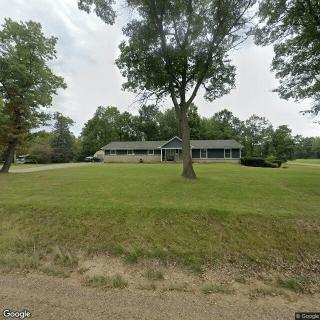
Lakeview Elderly Home
$2,500 / month25.0 miles away -
from +$380 / mo

Town Village Sterling Heights and The Gem Memory Care
$2,880 to $5,095 / month10.1 miles away -
from +$163 / mo
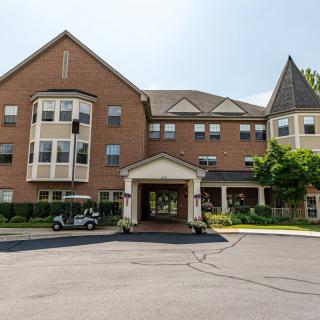
Clausen Manor
$2,663 to $5,227 / month20.5 miles away -
from -$267 / mo
Town Village Sterling Heights
$2,233 / month10.1 miles away
Overall Review of Cherish Adult Foster Care
Pros
 The staff and management are very nice, educated, experienced, and patient.
- The facility is clean, never smelly, and very accommodating.
- The daily menus are nutritious and tasty, and the residents love the exercise program.
- They deliver the best care.
Review
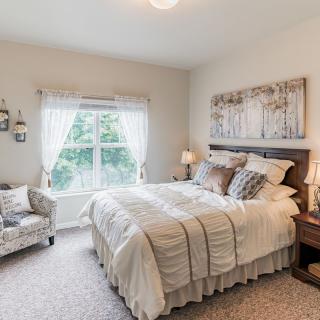
Cherish Adult Foster Care in Warren, MI is best suited for families seeking a small, home-like setting where seniors receive highly personalized attention, consistent daily routines, and a strong emphasis on wellness. This community excels when residents value calm pacing, clean surroundings, and staff who are patient, educated, and experienced enough to handle everyday changes with composure. It works particularly well for those who want nutritious, tasty meals paired with a regular exercise routine and meaningful, low-key social interaction in a intimate environment rather than the hustle of a larger campus.
Those considering alternatives should keep in mind that Cherish operates on a modest scale. Families evaluating higher levels of medical oversight, complex skilled nursing, or extensive dementia-specific programming may want to compare larger assisted living communities or dedicated memory care facilities. If a resident requires on-site specialists, frequent clinical procedures, or a broad menu of enrichment activities that only a sprawling campus can reliably deliver, Cherish may feel one step removed. For households prioritizing expansive social calendars and transportation to a wide array of events, exploring other options may yield more diverse opportunities.
The strongest positives, an exceptionally courteous and well-informed staff, a clean and odor-free environment, and a facility that genuinely accommodates residents’ needs, directly address common pain points in small adult foster care settings. The staff’s patience and expertise reduce anxiety around transitions, while the meticulous cleanliness lowers infection risk and supports overall comfort. The nutritious daily menus and the popularity of the exercise program translate into tangible health and vitality benefits, making it easier to maintain ongoing wellness without complicated arrangements. These elements collectively offset concerns about the limited size by delivering dependable, resident-centered care.
Cleanliness and daily structure are not cosmetic; they shape daily life in practical, repeatable ways. Residents at Cherish are likely to enjoy predictable meal times with flavors that appeal, regular movement through an exercise routine that suits evolving mobility, and a quiet, respectful atmosphere that supports independence while still offering supervision. The “best care” sentiment echoed in the reviews isn’t mere marketing; it’s anchored in relationships, staff who know names, preferences, and care histories, and in a setting that minimizes chaos. For families balancing safety with dignity, this combination often proves more reassuring than a larger, more impersonal option.
A thoughtful decision process should include direct inquiries about staffing and care scope. Prospective families should ask who bonds with residents during meals, how med passes are handled, and what happens when care needs become more complex. Important questions include: the staff-to-resident ratio on mornings, afternoons, and nights; documentation and oversight procedures for medications; ability to accommodate dietary restrictions beyond the standard menu; transportation arrangements for appointments; and the range of activities that can be personalized for a resident’s interests or cognitive level. If memory care is a factor, confirm whether there are dementia-friendly practices and how routines adapt to cognitive changes.
In the end, Cherish Adult Foster Care offers a compelling option for families prioritizing intimate care, a clean, respectful setting, and wellness-centered living. It is a particularly strong fit for seniors who thrive on routine, value attentive staff, and want a home-like atmosphere where meals and exercise are integrated into daily life. Those whose needs extend beyond what a small foster care model can safely and consistently provide, such as intensive medical management, complex wound care, or advanced memory care, should explore larger communities with dedicated clinical resources. For the right resident, Cherish delivers dependable quality in a setting that feels personal, steady, and genuinely caring.
 Board and Care Home
 Memory Care
 Activities off-site
 Private
 Detroit Metropolitan-Wayne County (24 miles away)
 Diabetic care
 High acuity care
 Medication management
 Meals provided

 8 Important Indicators That Memory Care May Be Necessary
 Delving into the Inner World of Dementia: Insights into Thoughts and Awareness
 Five Subtle Dementia Indicators to Observe: An In-Depth Guide to Understanding “Does My Mom Have Dementia?”