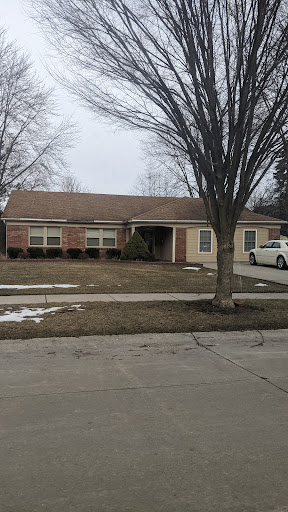




45514 Engel Dr, Utica, MI 48317
To contact a resident: (248) 250-6575
For more information about senior living options: (866) 208-4318
Genesis Senior Place Costs & Pricing
Genesis Senior Place offers competitive pricing for private rooms, ranging from $2,190 to $3,500 per month. When compared to the average costs in Oakland County and throughout Michigan - where prices are approximately $3,708 and $3,675 respectively - it's clear that Genesis provides a more affordable option for seniors seeking quality care. This pricing structure not only reflects the commitment to delivering accessible services but also underscores the exceptional value found at Genesis Senior Place.
| Floor plans | Genesis Senior Place | Oakland County | Michigan |
|---|---|---|---|
| Private | $2,190 to $3,500 | $3,708 | $3,674 |
Memory care communities with a similar price nearby
-
from +$85 / mo
Pleasant Valley Family Care
$2,275 to $7,000 / month17.7 miles away -
from +$310 / mo

Lakeview Elderly Home
$2,500 / month21.6 miles away -
from -$390 / mo
American House West Bloomfield Senior Living
$1,800 to $2,900 / month17.8 miles away -
About the same
Town Village Sterling Heights
$2,233 / month1.9 miles away -
from +$355 / mo

Westwood Inn
$2,545 to $3,995 / month7.1 miles away
Overall Review of Genesis Senior Place
Pros
 The facility is wonderful.
- It feels like a home setting for residents.
- The staff are wonderful, very kind, and caring.
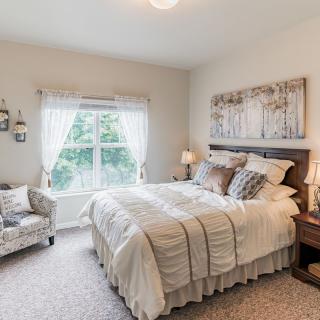
- The rooms have a full kitchen and two bedrooms.
- The food is good.
- The facility is clean.
- The staff handle medications well, and residents sleep well.
- The facility is convenient and well-priced.
- The number of residents is small, making it a good fit.
- Reviewers would highly recommend this community.
Cons
 The facility ghosted the family and never called back, which felt very unprofessional.
- Management failed to inform that more care was needed, and did not communicate.
- The staff are not particularly experienced in their care or in running the house.
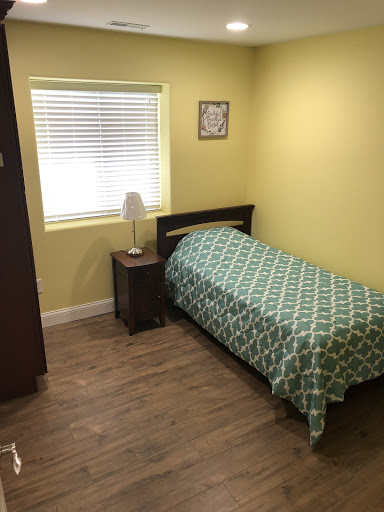
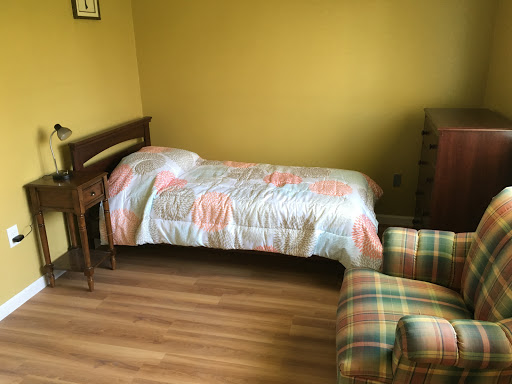
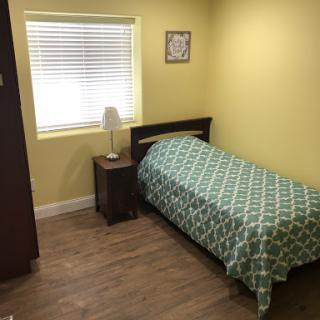
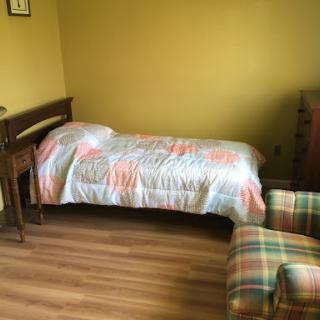
- The room sizes are on the smaller side.
- The conduct raises questions about how residents are treated.
Review
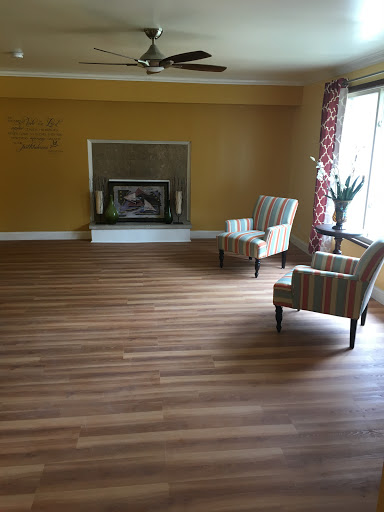
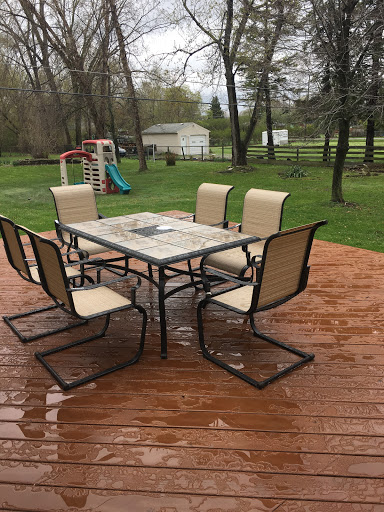
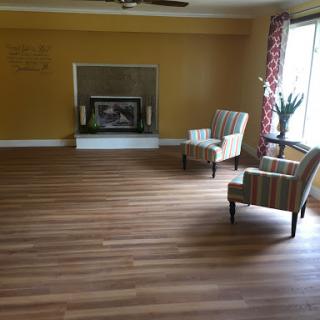
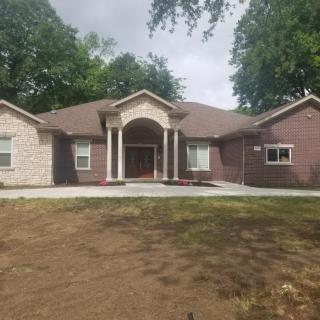
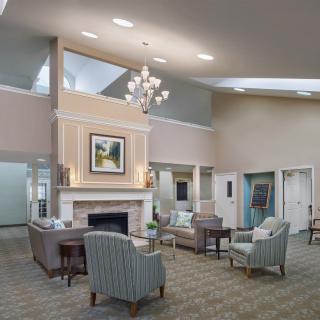
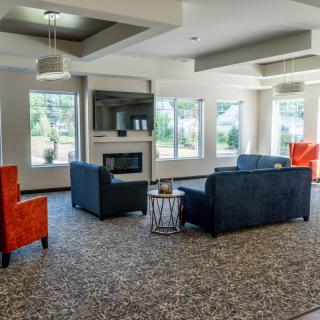
Genesis Senior Place in Utica is best suited for families seeking a warm, home-like atmosphere where care feels personal, predictable, and affordable. The community’s small-scale model matters: a very limited resident count, often six or fewer, creates an intimate environment where staff can know routines, preferences, and needs without the impersonal feel of a larger campus. In-room configurations that include a full kitchen and two-bedroom options make Genesis appealing for those prioritizing flexibility, privacy, and the practicality of a couple or single resident sharing space. Availability tends to be a real advantage, reducing the stress of waiting for a place to open. This combination works well for families prioritizing comfort, cleanliness, and steady medication support, while avoiding a sterile, institutional vibe. The caveat is that Genesis is not as long-established as some other operators, which matters when the care level escalates or complex medical supervision becomes necessary.
The strongest positives center on day-to-day experience. Families frequently report that loved ones are happy there, with medications managed reliably and sleep patterns stabilizing. The setting feels clean at every visit, reinforcing a sense of trust in daily routines and housekeeping. Staff are described as kind, caring, and genuinely attentive, elevating the experience beyond merely “adequate” care. Food quality is consistently noted as good, contributing to overall well-being and comfort. For many families, these factors translate into real peace of mind: a home-like environment where staff know residents well and respond with warmth. In short, Genesis delivers the soft, essential elements of senior living, dignity, cleanliness, and steady routines, better than many peers.
Another shared strength lies in the practical realities of its size and cost structure. The smaller footprint often means less friction and more direct access to caregivers, which can translate into timely assistance and fewer missed signals. Availability is frequently cited as a practical plus; the facility is not always full, which helps families avoid long waits and makes it easier to align care with shifting needs. Reviewers also point to reasonable pricing in comparison with larger, more commercial communities, adding a tangible financial edge for families balancing monthly budgets with ongoing care requirements. The “brand-new house” element is a double-edged sword: it brings modern amenities and a fresh feel, but it also signals that the operation may still be building consistent systems and routines that larger, older campuses have long since refined.
There are clear cautions to consider. On the negative side, a recurring theme is mixed communications from management, including one highly critical instance where staff did not follow up after an assessment. That kind of experience raises legitimate concerns about transitions, ongoing responsiveness, and the ability to escalate care promptly when needs change. Several reviewers also flag that Genesis is not as deeply seasoned in complex care as some larger operators, with comments suggesting it may be better suited for residents without highly demanding clinical needs. Room sizes, while adequate, tilt toward the smaller side, which may be a drawback for couples or residents who prioritize more spacious accommodations. Finally, the impression that the community is still gaining traction in its care operations, whether because it’s a newer house in a chain, can leave some families wondering about consistency during long-term, evolving care.
In weighing the pros against the cons, Genesis’s strongest advantages, home-like ambiance, attentive staff, reliable medication management, cleanliness, and cost-friendly availability, create a compelling value for many families, especially those prioritizing comfort and personalized attention in a small setting. However, the potential downsides, uneven management responsiveness, less proven depth in advanced care, and smaller rooms, tip the balance toward alternatives for residents with significant dementia needs, complex medical supervision, or those seeking a stricter, more programmatic care regime. Families with moderate care requirements who prize a peaceful, intimate environment will likely find Genesis a strong fit; those who demand robust clinical oversight, well-established dementia programs, or larger social ecosystems should actively compare with larger, more experienced communities.
For families considering Genesis, a structured due-diligence approach is essential. Schedule face-to-face meetings with the care team, request a detailed overview of staffing ratios, and ask explicitly how the house handles escalating care needs and dementia-specific protocols. Tour not only the rooms but also the common areas, kitchens, and activity spaces to gauge whether the daily rhythm feels generous enough for companionship and engagement. Probe the facility about its long-term care plan, response times, and how communication is maintained with families during transitions. If the answers align with expectations, Genesis stands out as a practical, compassionate choice that delivers real comfort and care without the institutional stiffness of larger campuses. If not, families should be prepared to look at larger, more established options that offer deeper memory-care specialization and a broader continuum of clinical support.
 Board and Care Home
 Memory Care
 Private




 Guiding Your Journey: Understanding Power of Attorney for Elderly Parents
 22 Remarkable Caregiver Support Groups Available Online and In-Person
 Understanding Medicaid Coverage for Assisted Living: A Comprehensive Guide