
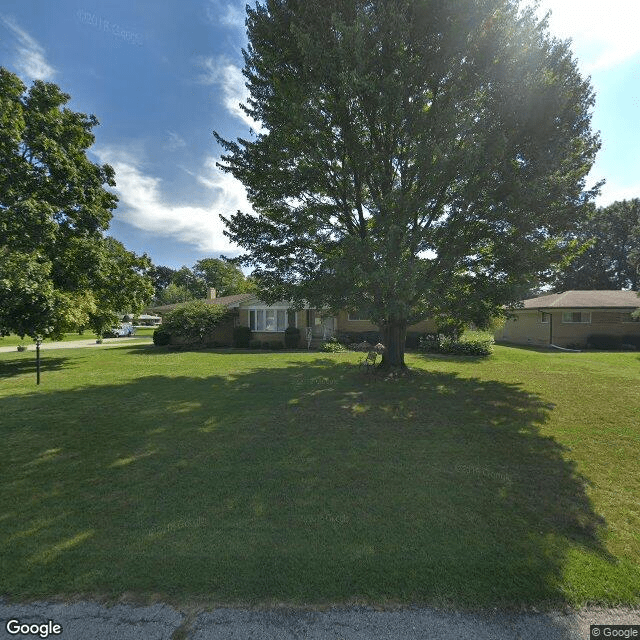
53634 Sophia Drive, Shelby Township, MI 48316
To contact a resident: (586) 232-1049
For more information about senior living options: (866) 208-4318
Best Home Care Sophia Costs & Pricing
Best Home Care Sophia offers competitive pricing for its services compared to the broader market in Macomb County and the state of Michigan. For semi-private rooms, residents can expect a monthly cost of $3,000, which is notably lower than the county average of $3,232 and the state average of $3,191. Similarly, one-bedroom accommodations at Best Home Care Sophia are priced at $3,000, again offering an advantageous rate compared to Macomb County's average of $3,527 and Michigan's statewide figure of $3,384. For those seeking private rooms, Best Home Care Sophia charges $3,200, which remains more affordable than both the county average ($3,567) and the state average ($3,675). These competitive rates position Best Home Care Sophia as an appealing option for individuals seeking quality care without overextending their budgets.
| Floor plans | Best Home Care Sophia | Macomb County | Michigan |
|---|---|---|---|
| Semi-Private | $3,000 | $3,232 | $3,189 |
| 1 Bedroom | $3,000 | $3,527 | $3,384 |
| Private | $3,200 | $3,567 | $3,674 |
Memory care communities with a similar price nearby
-
About the same
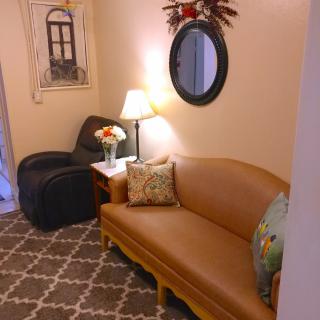
Hutcheson Manor
$3,000 to $4,500 / month21.7 miles away -
from +$200 / mo
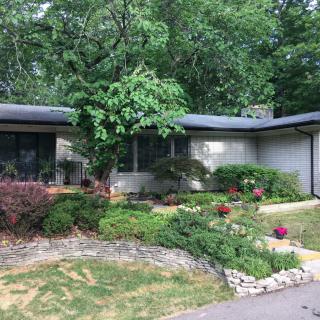
Vicky's Place
$3,200 to $6,000 / month18.4 miles away -
from +$500 / mo
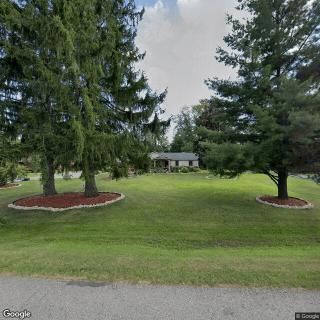
Briar Hill Assisted Living
$3,500 to $4,500 / month20.3 miles away -
About the same
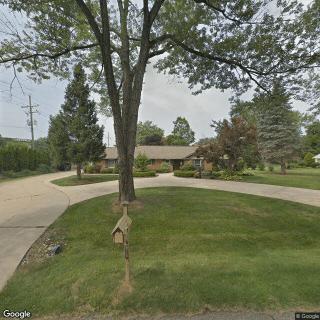
Butternut Hill Senior Living
$3,000 to $4,000 / month10.7 miles away -
from +$500 / mo
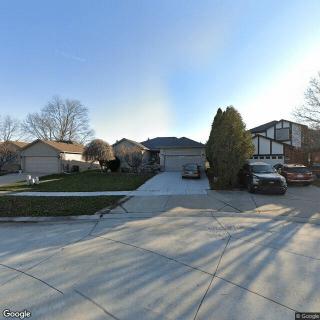
Crabtree Lane AFC Home
$3,500 to $5,500 / month9.6 miles away
Overall Review of Best Home Care Sophia
Pros
 The staff interactions with residents were very caring.
- The facility seemed organized.
- The mother showed improvements after moving to a more stimulating facility.
- The new place provided physical therapy to help her walk again.
- She is speaking more now.
Cons
 The promises of stimulation and physical/mental engagement were not fulfilled.
- Physical activities were curtailed, with residents clipped to chairs.
- Activities were rarely inside and never outside, providing little stimulation.
- Residents sat in front of a TV or at the kitchen table with nothing stimulating to do.
- The mother became more withdrawn and had a hard time walking.
Review
Best Home Care Sophia in Shelby Township is best suited for families seeking a small, home-like setting where warmth and attentiveness from staff are clear strengths. This model suits seniors who value a calm, predictable routine and personal attention from a tight-knit caregiving team rather than a facility that pushes for high-intensity programming. The setting, described as a group foster home with a handful of residents, can feel intimate, enabling better visibility and a sense of belonging for residents who do not require aggressive clinical services. The emphasis on organization in operations and the visible care from the staff are notable positives for families prioritizing reliability and daily consistency.
That said, families should actively consider alternatives if the primary goal is ongoing cognitive stimulation and structured therapeutic activity. The review traffic indicates a mismatch between promises of daily craft engagement, outdoor time, and meaningful physical activity, and what was delivered in practice. For a loved one with dementia or Alzheimer’s, where regular mental and physical engagement can slow decline, this gap can be consequential. If a resident needs consistent outdoor exposure, routine structured activities, and a robust activity calendar, a larger memory-care setting with formal programming will likely meet those needs more reliably.
On the plus side, the staff’s caring demeanor and the apparent organizational framework are meaningful advantages. When a caregiver team communicates with families, follows routines, and treats residents with warmth, it creates a stable environment that can reduce confusion and anxiety, an important consideration for memory-impaired residents. The small-scale nature of the home can foster quick problem-solving and a sense of familiarity for residents who respond well to routine and familiar faces. In short, for families seeking a nurturing, low-key atmosphere with dependable staff, this place delivers.
The principal drawbacks, however, center on a troubling gap between expectations and experience for someone needing active engagement. The account notes that physical activities were frequently curtailed, with residents often seated and not provided with regular opportunities to move, outdoors access was limited, and activities were largely limited to passive options like television or table time. For a dementia patient, such under-stimulation can contribute to withdrawal and declines in mobility and spirit, as evidenced by the mother’s reduced walking and engagement. The contrast with a subsequently relocated facility where therapy and stimulation improved mobility underscores how critical programming is to long-term well-being in this population.
Decision-making guidance follows from these observations. Families should seek explicit, current details about daily activity schedules, outdoor access, and the availability of on-site therapy, PT or OT, and how these services are integrated into the resident’s day. Inquire about staff-to-resident ratios, dementia-specific training, and policies on restricting movement or craft activities. A practical step is requesting a trial period or a recent activity calendar to verify that promised stimulation is actually provided. If cognitive engagement and mobility support are non-negotiables, prioritize communities with formal memory-care programs, regular structured activities, and on-site rehabilitation services.
Ultimately, Best Home Care Sophia may be the right fit for a family prioritizing warmth, personalized attention, and a quiet, home-like setting, with the understanding that supplementary outside activities and external therapy would be necessary to meet a dementia resident’s full needs. For those whose loved one requires steady, comprehensive cognitive stimulation and consistent physical programming on a daily basis, alternatives with dedicated memory-care programming and robust activity schedules are likely to yield better long-term outcomes. The prudent approach is to view this as a potentially suitable temporary arrangement, contingent on a clear plan to supplement engagement and a strong commitment to evolving needs.
 Board and Care Home
 Day Program
 Memory Care
 Private
 Respite or short term stays offered
 Diabetic care
 High acuity care

 Vibrant Senior Living: A Comprehensive Guide for Active Older Adults
 Assisted Living and Memory Care: Understanding Their Core Differences
 Choosing the Right Senior Care: A Detailed Exploration of Assisted Living and Nursing Homes