
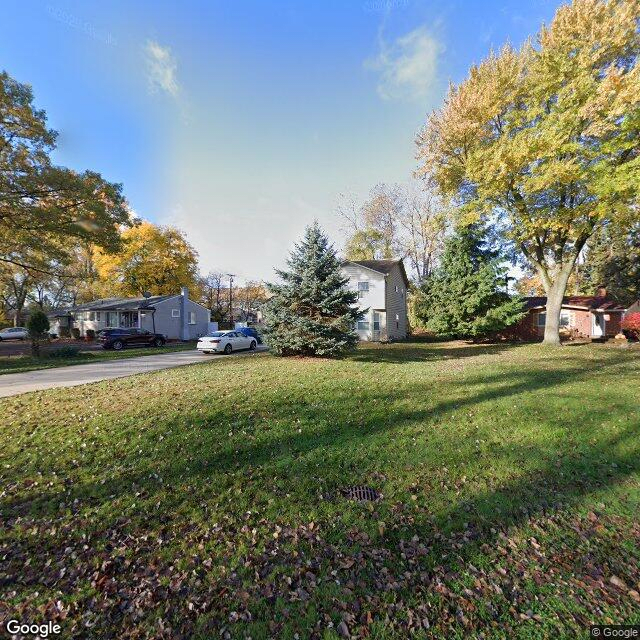
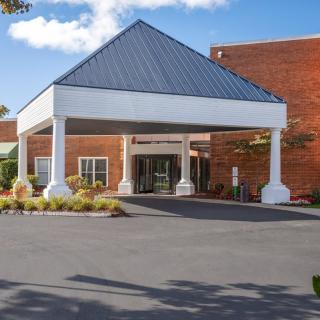
24447 Berg Road, Southfield, MI 48033
To contact a resident: (248) 809-2532
For more information about senior living options: (866) 208-4318
Friendly Faces Costs & Pricing
Friendly Faces offers competitive pricing for its accommodation options compared to both Oakland County and the broader state of Michigan. For instance, the monthly rate for a semi-private room at Friendly Faces is $1,800, significantly lower than the county's average of $3,204 and the state's average of $3,191. Similarly, their one-bedroom units are priced at $2,000, which again stands in stark contrast to Oakland County's rate of $3,507 and Michigan's average of $3,384. Lastly, private rooms at Friendly Faces also maintain this trend with a monthly cost of $2,000 versus Oakland County's average of $3,708 and Michigan's average of $3,675. This pricing structure not only highlights Friendly Faces' commitment to affordability but also underscores its value for residents seeking quality accommodations in a supportive environment.
| Floor plans | Friendly Faces | Oakland County | Michigan |
|---|---|---|---|
| Semi-Private | $1,800 | $3,204 | $3,189 |
| 1 Bedroom | $2,000 | $3,507 | $3,384 |
| Private | $2,000 | $3,708 | $3,674 |
Memory care communities with a similar price nearby
-
from -$300 / mo
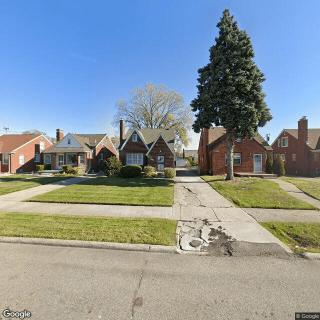
Blue Care Assisted Living
$1,500 to $2,000 / month5.5 miles away -
from -$300 / mo

Wish-U-Well Inn
$1,500 to $2,200 / month1.7 miles away -
About the same
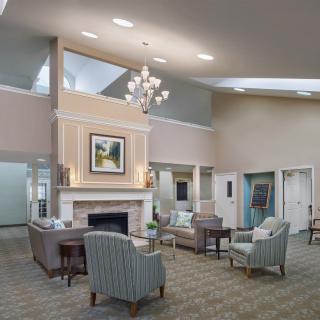
American House West Bloomfield Senior Living
$1,800 to $2,900 / month6.9 miles away -
from +$215 / mo
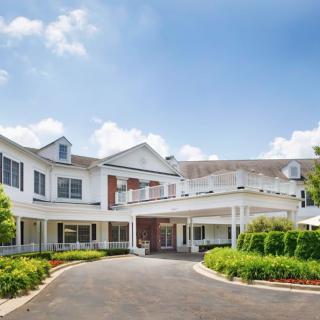
Fairmont Senior Living of Farmington Hills
$2,015 to $3,935 / month4.6 miles away -
from +$210 / mo
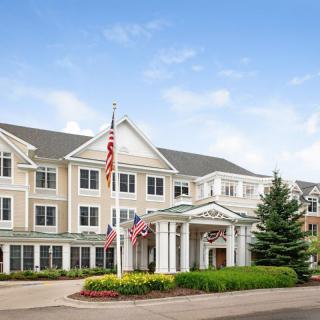
Sunrise of Shelby Township
$2,010 to $3,700 / month19.4 miles away
Overall Review of Friendly Faces
Pros
 Kevin was excellent on all counts.
- Kevin's expert tech and public relations work was outstanding.
- Kevin got in touch with them immediately.
- Kevin cleaned up the area after the job.
- Kevin is highly recommended.
Cons
 The facility was not equipped to handle his needs.
- The experience was not a good one.
- It seemed they only had one caregiver at times, and she appeared overworked.
- They might be able to handle residents with a lower level of care, but they wouldn’t recommend taking the risk.
Review
Friendly Faces in Southfield is best suited for seniors who want a straightforward, personable experience and have modest care needs. The community appears most effective when daily tasks can be supported by a small, responsive staff rather than a large medical team. Families that value prompt communication and a hands-on, approachable culture will find comfort here, especially if visits and local resources matter. Those who expect robust clinical oversight or extensive assisted-living programming may need to look further. In sum, the setting works when acuity stays on the lower end and the priority is reliable, direct interaction over high-intensity medical services.
Alternatives become more compelling for residents with higher needs: continuous monitoring, complex medications, or specialized therapies. Several reviews point to a single caregiver during shifts, with that caregiver feeling overextended, which raises concern about consistency and safety. For families facing progressive conditions or frequent changes in condition, a larger operation with more staff coverage, stronger nursing oversight, and structured care paths may offer greater security. Prospective residents should consider whether the facility’s staffing model can adapt quickly to changing needs without compromising supervision.
On the plus side, there is a standout signal of quality when the right staff member is on duty. One reviewer highlighted exceptional responsiveness, technical competence, and proactive communication that can calm the most anxious family. That kind of engagement, cleanliness of service delivery, quick follow-through, and professional demeanor, creates real value for residents whose needs stay within a predictable range. For low-acuity residents, these strengths can translate into dependable routines, timely help with tasks, and a sense of personal attention that many families seek in assisted living.
However, the cons are not theoretical. The strongest negative thread is staffing fragility: inconsistent caregiver availability, extended periods with minimal coverage, and the risk that care tasks slip when supervision is thin. Those gaps matter most as residents age or circumstances change, and the lack of visible, scalable medical oversight can become a deterrent. In practice, the facility may under-deliver for residents who require more than basic assistance, medical management, or safety checks, areas where larger operators typically demonstrate more durable staffing structures. The gap between what is promised and what is consistently delivered remains a key red flag.
Families should approach with a concrete plan: request current staffing ratios, review a formal care plan for potential changes, and observe how shifts are staffed during a trial visit. Ask who handles medication management, how quickly emergencies are escalated, and what happens when a caregiver is sick or off duty. If the goal is proximity and a personal touch, Friendly Faces can fit nicely; if certainty about constant supervision and 24/7 oversight is non-negotiable, alternatives should be weighed with stronger emphasis. The decision hinges on balancing the appeal of responsiveness with the reality of staffing limits.
Bottom line: Friendly Faces is best for lower-acuity seniors who prize responsive, personable service and are comfortable with a leaner staffing model. For families prioritizing comprehensive care, medical oversight, or specialized programs, other communities will deliver more consistent coverage. A careful, data-driven tour, ask to meet multiple caregivers, review a sample day, and confirm escalation protocols, will reveal whether the promise of prompt, individualized attention can be sustained. When that alignment exists, the community can offer stable daily life with genuine warmth; when it does not, alternatives deserve serious consideration.
 Board and Care Home
 Memory Care
 Activities off-site
 Bath tubs
 Devotional services off-site
 Indoor common areas
 Outdoor common areas
 Private
 Wheelchair accessible showers
 Detroit Metropolitan-Wayne County (18 miles away)
 Ambulatory care
 Diabetic care
 High acuity care
 Incontinence care
 Medication management
 Kosher
 Exploring the Contrasts Between Assisted Living and Skilled Nursing
 Vibrant Senior Living: A Comprehensive Guide for Active Older Adults
 Assisted Living and Memory Care: Understanding Their Core Differences