
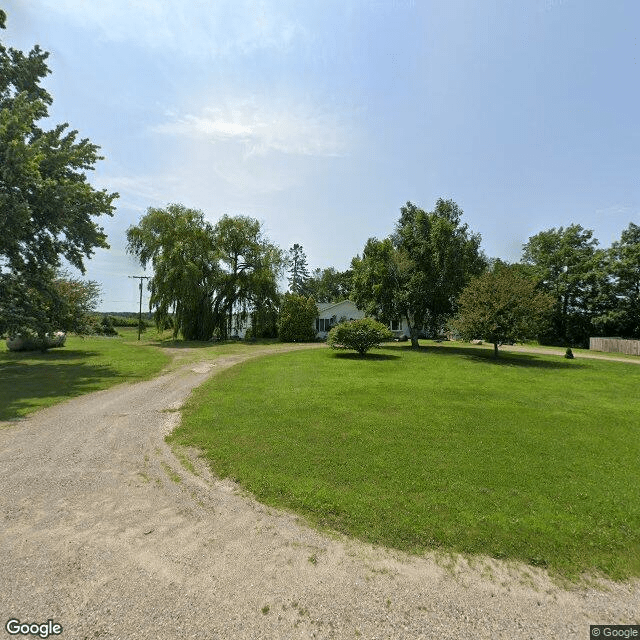
10150 Clyde Rd, Fenton, MI 48430
To contact a resident: (810) 632-5590
For more information about senior living options: (866) 208-4318
Apple Blossom Hill Inc Costs & Pricing
Apple Blossom Hill Inc offers competitive pricing for its semi-private rooms at $3,000 per month, positioning itself attractively within the broader market of Oakland County and the state of Michigan. In comparison, residents in Oakland County pay an average of $3,204, while the statewide figure stands at approximately $3,191. By maintaining a lower cost than both local and state averages, Apple Blossom Hill Inc not only ensures affordability for its clients but also underscores its commitment to providing quality care without compromising on service. This strategic pricing reflects a responsive approach to the needs of families seeking supportive living arrangements in a financially sensible manner.
| Floor plans | Apple Blossom Hill Inc | Oakland County | Michigan |
|---|---|---|---|
| Semi-Private | $3,000 | $3,204 | $3,189 |
Memory care communities with a similar price nearby
-
from -$200 / mo
Dragonfly Manor
$2,800 to $3,000 / month20.8 miles away -
from +$200 / mo
Vicky's Place
$3,200 to $6,000 / month24.0 miles away -
from -$500 / mo
Sunset Pines AFC
$2,500 to $3,500 / month14.8 miles away -
from +$500 / mo
Green Valley Place
$3,500 to $4,000 / month15.9 miles away -
About the same

Vicinia Gardens Transition
$3,000 to $4,500 / month8.8 miles away
Overall Review of Apple Blossom Hill Inc
Pros
 The director is caring and respectful.
- The director is liked by the reviewer.
Cons
 The place is a bit old, run down, and in need of a coat of paint.
- The place is a bit old, run down, and in need of a coat of paint.
Review
Apple Blossom Hill Inc. in Fenton, Michigan is best suited for families chasing a low-drama, relationship-driven care environment where leadership sets the tone. The community leans into personal attention and a respectful, caring staff dynamic rather than gleaming new interiors or resort-like amenities. The two reviews converge on the importance of the director and the daily demeanor of the team, signaling a home where residents are treated with dignity, heard in planning and care decisions, and kept comfortable through steady, attentive interaction. For seniors who value consistency, a predictable routine, and a direct line to a manager who genuinely cares, this community can feel like a reliable, small-scale home rather than a glossy facility market competing on spectacle.
That said, the obvious drawback is the physical condition of the building. The reviews describe the property as older and showing wear, with a coat of paint overdue. A facility that greets residents with a tired interior can influence mood, appetite, and perceived safety, even when staff are doing their best. Maintenance needs are not just cosmetic; aging infrastructure often translates into slower fixes, imperfect climate control, and wear in shared spaces. For families evaluating daily living, these factors become visible disappointments over time, and a picturesque commitment to care may be undermined if residents encounter chipped walls, dated furnishings, or cramped common areas during routine activities.
Yet the strongest asset remains the leadership and the culture it fosters. Residents and families who interact with the director consistently describe care and respect, qualities that permeate staff interactions, response times, and the willingness to accommodate individual preferences. In environments where the human touch matters as much as the routine services, such leadership can compensate for a lot. When plans must be adjusted, or delicate conversations held about health changes, a director who is perceived as caring and respectful can steady worry, reduce friction, and build trust. That dynamic often translates into steadier daily life, better morale among residents, and smoother collaboration with families and outside providers.
Still, the pro of compassionate leadership has to contend with the con of aging interiors. For some families, modern amenities, aesthetically uplifting spaces, and clearly organized public areas are non-negotiable; in those cases, the environment may overshadow the positive care dynamic. The offset depends on priorities: if comfort, ease of navigation, and sensory appeal matter as much as consistent staffing, the balance tips toward alternatives. Prospective residents should evaluate whether the kitchen, dining room, and activity spaces feel inviting, whether safety features and accessibility are up to expected standards, and whether ongoing maintenance is timely. A detailed tour that probes the condition of floors, handrails, lighting, and equipment can reveal whether the aesthetic caveat is a minor footnote or a major obstacle to daily comfort.
Given these trade-offs, families should consider alternatives that align with their priorities. If the goal is intimacy, personal attention, and governance by a manager who is approachable and respectful, Apple Blossom Hill can be a solid match, especially for residents who do not require high-end finishes. Conversely, if modern, refreshed interiors, robust programming, and visible investments in upgrades are essential, other communities in the region are worth visiting. The decision becomes a matter of weighing the emotional comfort of a trusted director against the practical pull of updated spaces. When touring, ask about the cadence of renovations, maintenance response times, and opportunities to personalize rooms; compare these with other options to determine the best fit.
In sum, Apple Blossom Hill is best viewed as a value proposition for families prioritizing caregiver warmth and a respectful culture over showroom polish. The core question is whether the family can anchor around strong human connection in a setting that feels a touch dated. The staff’s compassion can smooth many rough edges, but it may not erase the emotional impact of aging interiors if first impressions matter or if residents rely on modern amenities for daily comfort. Alternatives should be considered for those who need a brighter aesthetic and more contemporary design, while this community deserves serious consideration for those who want dependable, dignified care delivered through a trusted administrator.
 Board and Care Home
 Memory Care
 Activities off-site
 Bath tubs
 Respite or short term stays offered
 Wheelchair accessible showers
 Bishop (20 miles away)
 Ambulatory care
 Diabetic care
 High acuity care
 Incontinence care
 Meals provided

 Comprehensive Guide to VA Nursing Homes: A Crucial Long-Term Care Resource for Veterans
 Estimating the Expenses of At-Home Dementia Care: A Detailed Exploration
 Comprehensive Insights on the Late Stages of Dementia: What to Expect and How to Provide Care