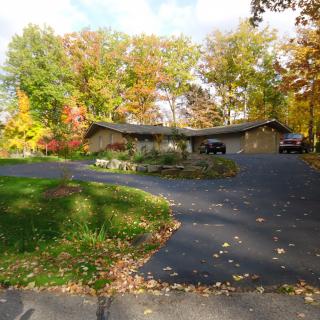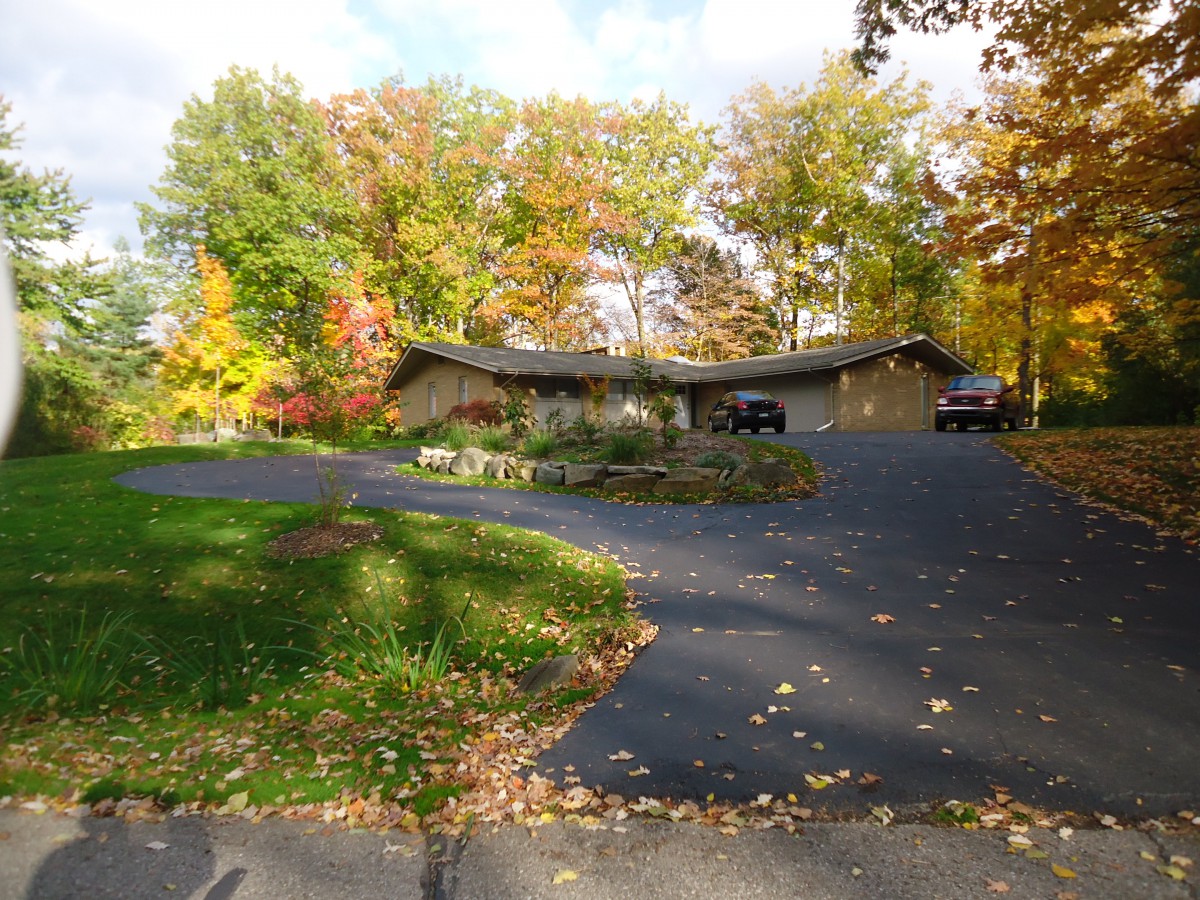
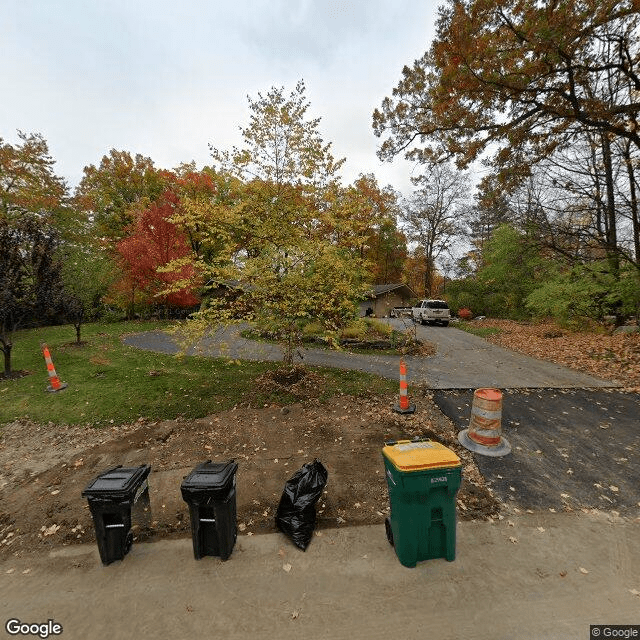
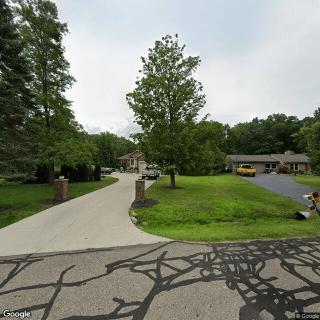
31476 West Stonewood Ct., Farmington Hills, MI 48334
To contact a resident: (248) 702-6196
For more information about senior living options: (866) 208-4318
Stonewood AFC Costs & Pricing
Stonewood AFC offers competitive pricing for its accommodations when compared to both Oakland County and the broader state of Michigan. For semi-private rooms, Stonewood AFC charges $3,000 per month, which is notably lower than the county average of $3,204 and the state average of $3,191. Similarly, for private rooms, the monthly fee at Stonewood AFC is set at $3,500, again undercutting Oakland County's average of $3,708 and Michigan's overall average of $3,675. This strategic pricing positions Stonewood AFC as an attractive option for families seeking quality care without compromising on affordability.
| Floor plans | Stonewood AFC | Oakland County | Michigan |
|---|---|---|---|
| Semi-Private | $3,000 | $3,204 | $3,189 |
| Private | $3,500 | $3,708 | $3,674 |
Memory care communities with a similar price nearby
-
About the same
Hutcheson Manor
$3,000 to $4,500 / month4.7 miles away -
from +$200 / mo
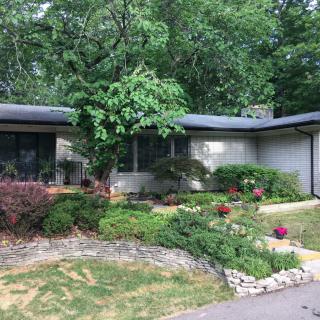
Vicky's Place
$3,200 to $6,000 / month0.1 miles away -
from +$500 / mo
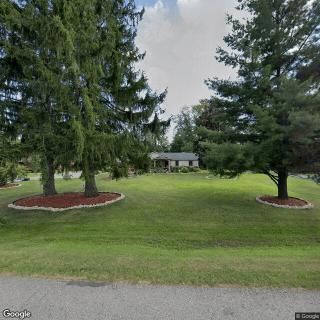
Briar Hill Assisted Living
$3,500 to $4,500 / month3.2 miles away -
About the same
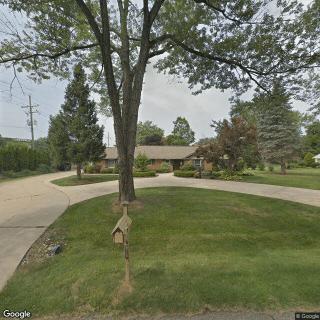
Butternut Hill Senior Living
$3,000 to $4,000 / month7.8 miles away -
from +$500 / mo
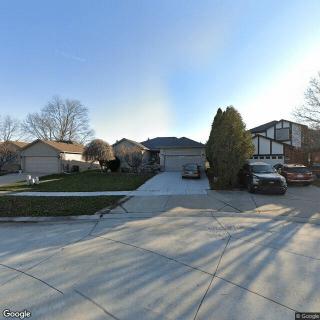
Crabtree Lane AFC Home
$3,500 to $5,500 / month12.0 miles away
Overall Review of Stonewood AFC
Pros
 The staff was pleasant.
- The resident seemed content.
- The proprietor is kind.
- The proprietor is intelligent and a nurse.
- The proprietor genuinely takes an interest in residents’ lives and treats them like family.
- The caregivers are very good.
- The mom is well cared for, well fed, and clean.
Cons
 The facility was small and dark inside.
- The outdoor patio was in poor shape, with little landscaping or seating.
Review
Stonewood AFC in Farmington Hills is best suited for families seeking a compact, home-like care setting where a nurse-owner and a small, devoted staff deliver highly personalized daily care. This is a place for seniors who prize warmth, consistency, and intimate attention over a bustling campus atmosphere. Residents benefit from a caregiver-to-resident focus that translates into regular meals, clean living spaces, and relationships that feel genuinely caring. It works best when the loved one thrives on routine, privacy, and one-on-one interaction with a few familiar faces.
Those who should consider alternatives are those who value robust activity programming, bright, open common areas, and a larger peer group for social engagement. A larger assisted living community offers more residents, more immediate opportunities for companionship, and more expansive spaces to explore. Families seeking extensive on-site programming, frequent social events, or a vibrant, activity-rich environment may find Stonewood AFC’s small footprint too limiting. Additionally, anyone prioritizing expansive outdoor amenities or more spacious interior design should weigh other options.
The strongest pros center on care quality and personal connection. Reviewers consistently highlight a kind, intelligent proprietor who is a nurse, coupled with attentive care givers who treat residents “like family.” The care team appears dedicated to daily needs, with residents described as well fed, clean, and content. This level of individualized attention is the core strength, and it can offset some downsides by delivering a sense of security, predictable routines, and trust that a loved one is genuinely looked after. For families who fear relinquishing control to impersonal staff or a large facility, the story here is compelling: heartfelt care backed by professional expertise.
Yet the main cons cannot be ignored. The facility is outfitted for only about three residents, which creates a tiny footprint with a dark interior and a patio area described as in poor shape. Those physical constraints can dampen mood and limit opportunities for social interaction or outdoor activity, especially for residents who thrive on light, space, and a little crowd around meal times or shared programs. The lean environment also means fewer built-in busy days or spontaneous group activities, which can be a drawback for residents who need more stimulation to stay engaged.
In practice, the pros and cons hinge on individual needs. For a senior who places a premium on consistent, compassionate care and a strong, nurse-led touch, Stonewood AFC offers an unusually intimate setting where staff notice small changes and families can feel confident in daily oversight. However, if the loved one requires a wide array of activities, connects best through larger peer networks, or benefits from more expansive surroundings, the smaller scale may become a tangible liability. The care quality can offset many concerns, but the ambience and limited space ultimately determine how well fit this setting is for a given personality and stage of need.
Families evaluating Stonewood AFC should approach visits with a practical, mission-driven mindset. Probe beyond warmth: ask about daily schedules, caregiver ratios, and how care plans adapt as needs change; request demonstrations of meal quality and kitchen routines; inspect safety features, accessibility, and potential for future expansion or reconfiguration if occupancy grows. Inquire about outdoor options and any plans to refresh or enhance the interior lighting and common spaces. Clarify expectations around activities, transportation, and coordination with medical providers. If those elements align with the loved one’s preferences and you’re comfortable with a small, intimate community, Stonewood AFC can be a compelling fit.
Ultimately, Stonewood AFC presents a rare blend: exceptional, personalized care within a very small, homelike framework. It best serves families prioritizing caregiver closeness, nurse-led oversight, and a nurturing atmosphere over size, activity breadth, or extravagant amenities. For those who require more space, a broader social circuit, or more extensive programmatic offerings, alternatives should be pursued. The decision should hinge on whether the loved one’s social needs and environmental preferences align with a tight-knit setting that delivers outstanding daily care, or whether a larger, more dynamic community would better sustain engagement and movement through the aging journey.
 Board and Care Home
 Memory Care
 Activities off-site
 Bath tubs
 Beautician on-site
 Devotional services off-site
 Indoor common areas
 Outdoor common areas
 Private
 Private bathrooms
 Wheelchair accessible showers
 Detroit Metropolitan-Wayne County (21 miles away)
 Ambulatory care
 Diabetic care
 High acuity care
 Incontinence care
 Medication management
 Meals provided

 8 Key Indicators That Suggest It May Be Time to Transition from Assisted Living to Skilled Nursing Care
 Nourishing the Mind: Essential Dietary Approaches for Dementia
 Understanding Dementia Behaviors: Practical Insights and Strategies for Caregivers