
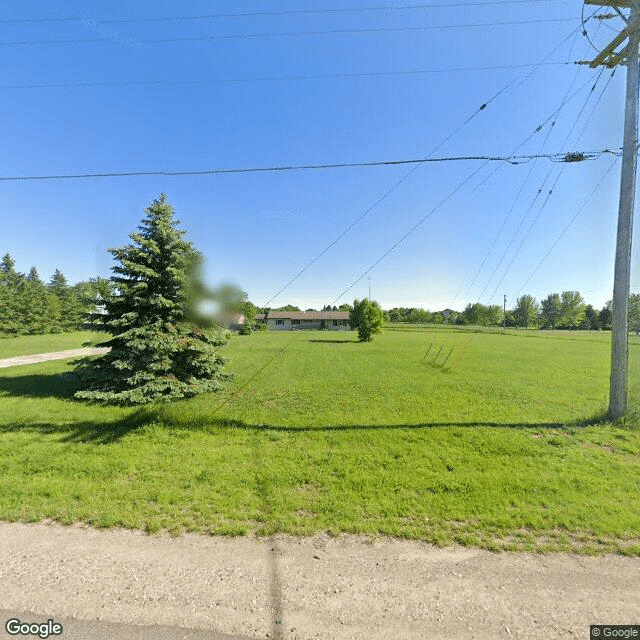
4521 Stanley Rd., Columbiaville, MI 48421
To contact a resident: (810) 793-7060
For more information about senior living options: (866) 208-4318
Brookhaven A.F.C. Costs & Pricing
Brookhaven A.F.C. offers competitive pricing for its services, with both private rooms and studio accommodations available at $2,500 per month. This cost is significantly lower than the average expenses in Lapeer County, where similar private rooms are priced at approximately $3,178, and studios at about $3,775. Additionally, when compared to the broader state of Michigan, Brookhaven's rates present an attractive alternative; the state averages for private rooms reach around $3,675, while studios climb even higher to approximately $3,824. Overall, Brookhaven A.F.C. stands out as a cost-effective choice for potential residents seeking quality care without exceeding their budget.
| Floor plans | Brookhaven A.F.C. | Lapeer County | Michigan |
|---|---|---|---|
| Private | $2,500 | $3,178 | $3,674 |
| Studio | $2,500 | $3,775 | $3,824 |
Memory care communities with a similar price nearby
-
from +$400 / mo
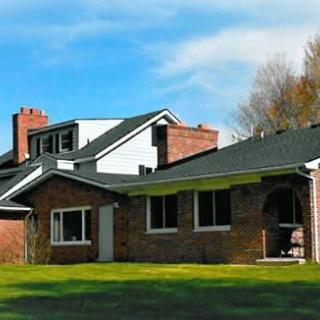
Metacare Inc
$2,900 to $3,300 / month12.8 miles away -
About the same
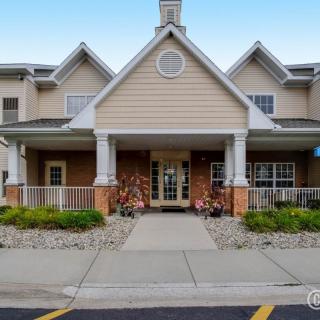
Devonshire Retirement Village
$2,505 to $4,500 / month5.2 miles away -
from +$95 / mo
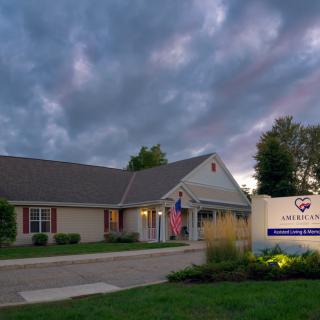
Americana Seniors
$2,595 to $5,795 / month8.0 miles away -
from +$350 / mo
Brookdale Grand Blanc
$2,850 to $3,400 / month18.6 miles away -
from +$300 / mo
A Family Affair Lapeer Inc
$2,800 / month7.6 miles away
Overall Review of Brookhaven A.F.C.
Pros
 The staff cared deeply for the resident and made her feel loved.
- The facility was clean and free of odors.
- The resident received three home-cooked meals a day plus snacks.
- The staff did everything they could to keep the resident comfortable.
- The team worked well together and treated the loved one like family.
- The care provided was high quality and responsive to needs.
- The home is described as a happy place that families would recommend.
Cons
 The owners are the worst; they don’t care about the residents or the staff.
- The staff aren’t trained properly.
- They would give a negative rating if they could.
Review
Brookhaven A.F.C. in Columbiaville is best suited for families seeking a small, home-like assisted living environment where residents receive warm, person-centered care and daily routines that feel intimate and familiar. This community works best for seniors who value home-cooked meals, a clean, odor-free setting, and staff who treat residents with genuine warmth and respect. It is well aligned with families that prioritize comfort, humane end-of-life care, and the sense that the facility is more like a welcoming home than a clinical facility. When continuity of daily life and a familial atmosphere matter most, Brookhaven delivers.
Those weighing alternatives should note that Brookhaven may not be the right fit for every situation. If leadership stability, strong centralized governance, and highly formal medical oversight are non-negotiables, this setting may feel uneven. Families needing robust memory-care programming, critical medical supervision, or a facility with highly standardized protocols could look elsewhere. One reviewer’s experience points to concerns about ownership and overall management, suggesting that for some families the question is not just about care hours but about who is directing the operation and how attentively they respond to problems.
The most compelling pros center on the human touch. The staff is described as cohesive and consistently willing to go the extra mile, delivering care that feels like a shared family mission. Residents’ meals are highlighted as nutritious and well-prepared, with multiple daily offerings that emphasize warmth and hospitality. Cleanliness and a welcoming atmosphere are repeatedly noted, along with respectful interactions when families visit. In cases where residents and families needed comfort during difficult moments, the staff’s efforts are framed as heartfelt and meaningful, underscoring a core strength of Brookhaven: a culture that treats residents with genuine kindness.
Yet the set of criticisms cannot be ignored. At least one reviewer roundly questioned ownership and concern for residents and staff, suggesting a moral and practical gulf between leadership and those on the floor. Other accounts hint at inconsistent training or preparedness among some staff, raising questions about how issues are escalated and resolved. While several residents clearly thrive under the current model, these concerns signal potential variability in experience, particularly for families seeking uniformity in care standards or for residents with higher medical or behavioral needs who require consistently rigorous oversight.
Balancing these dynamics, the pros most often outweigh the cons when the priority is warmth, maintainable routines, and personalized attention. The strongest offset comes from staff cohesion and a proven willingness to address needs with genuine enthusiasm, paired with meals and a living environment that reinforce dignity and comfort. The main caution: leadership and training gaps can translate into uneven experiences. Prospective families should verify daily staffing levels, ask pointed questions about how care plans are managed and updated, and seek a candid sense of how ownership involvement shapes day-to-day operations. A thorough visit and frank conversations with both staff and administrators are essential before committing.
For families actively comparing options, practical steps are clear. Schedule a tour focused on meeting direct caregivers and viewing how meals and activities are conducted; request a detailed breakdown of staffing ratios, shift coverage, and training programs; ask how end-of-life care is coordinated and how comfort measures are implemented. Review menus, daily schedules, and opportunities for social engagement to gauge if the environment truly fits the resident’s preferences. Pricing transparency and contract clarity should be on the table, along with questions about what happens if needs escalate. Brookhaven A.F.C. stands as a solid choice for those who prize a home-like atmosphere and heartfelt care, with a candid caveat: governance and training quality deserve close scrutiny to prevent uneven experiences. If these elements cannot be consistently assured, alternatives may offer a more predictable framework with equivalent warmth.
 Board and Care Home
 Memory Care
 Activities on-site
 Devotional services on-site
 Indoor common areas
 Outdoor common areas
 Private
 Private bathrooms
 Respite or short term stays offered
 Bishop (20 miles away)
 Ambulatory care
 Diabetic care
 High acuity care
 Incontinence care
 Medication management
 Meals provided

 Why Do Dementia Patients Sleep So Much? Understanding Oversleeping, Stages, and Care Approaches
 8 Key Indicators That Suggest It May Be Time to Transition from Assisted Living to Skilled Nursing Care
 Nourishing the Mind: Essential Dietary Approaches for Dementia