
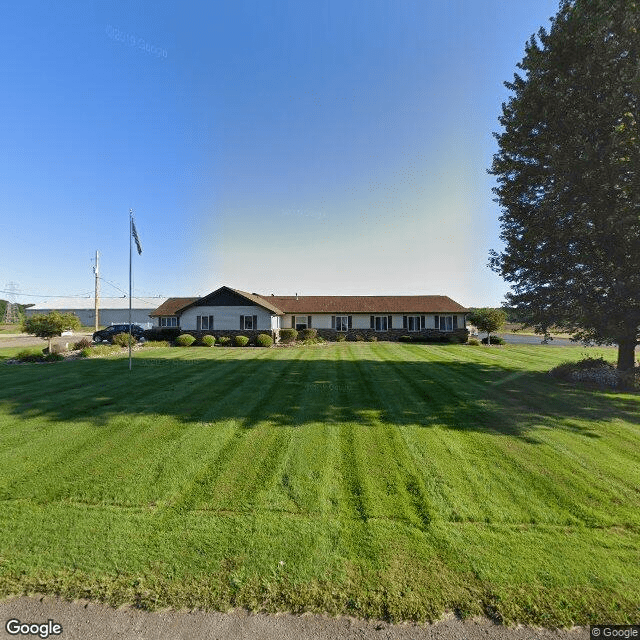
3390 W. Lake Rd, Clio, MI 48420
To contact a resident: (810) 691-1459
For more information about senior living options: (866) 208-4318
Gross AFC #3 Costs & Pricing
Gross AFC #3 presents a competitive monthly rate for private rooms at $3,800. This cost is slightly above the average rates observed in Tuscola County, which sit at approximately $3,497, and also higher than the state average of around $3,675 for similar facilities across Michigan. While Gross AFC #3 may be positioned at a premium compared to its local counterparts, this pricing may reflect enhanced amenities or services that distinguish it within the market. Prospective residents should consider these factors alongside their budgetary constraints when evaluating options in the region.
| Floor plans | Gross AFC #3 | Tuscola County | Michigan |
|---|---|---|---|
| Private | $3,800 | $3,497 | $3,674 |
Memory care communities with a similar price nearby
-
from +$450 / mo
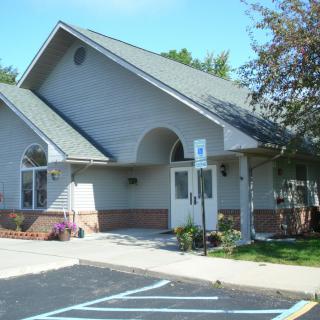
Addington Place of Grand Blanc
$4,250 / month22.0 miles away -
from +$600 / mo
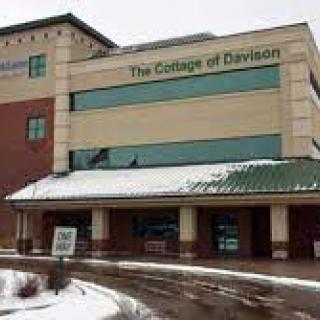
Cottage of Davison
$4,400 to $6,500 / month18.3 miles away -
from +$250 / mo
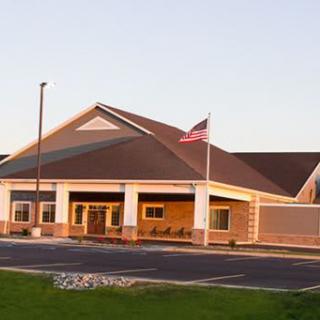
Meadows of Owosso
$4,050 to $5,075 / month23.8 miles away -
from +$695 / mo
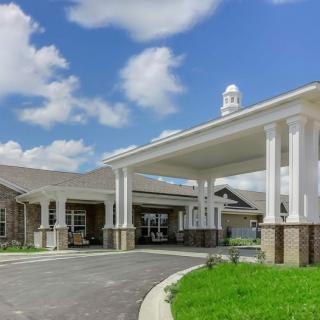
Springvale Assisted Living & Memory Care
$4,495 to $5,400 / month18.7 miles away -
from -$600 / mo
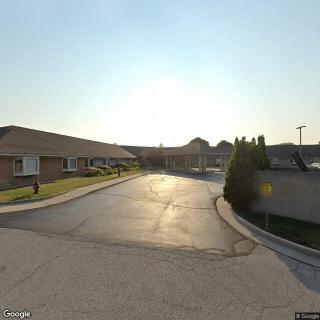
Edgewood Assisted Living Center
$3,200 to $3,300 / month19.6 miles away
Overall Review of Gross AFC #3
Pros
 They have been happy with the facility from the very beginning.
- They appreciate the personal care and the staff.
- The most important thing is that their dad is happy and comfortable.
- They have been able to visit during meal times and the food looks really good.
- The meals look nutritional and well balanced.
- The community offers bingo nights and other activities for residents to participate in.
- The staff are very nice and professional; they provide great care.
- They are good providers and take really good care.
- They were the first choice and offered good value.
- The facility is clean and the staff are friendly.
- They do a great job.
Cons
 The facility offers few options to choose from.
- It’s a very small facility with limited options.
Review
Gross AFC #3 in Clio, MI is best suited for seniors who want intimate, person-centered care in a small, home-like setting. The ideal resident is someone who values consistent, approachable staff and meaningful daily contact with caregivers rather than a sprawling campus with endless amenities. Families will appreciate the ability to visit during meals, which helps reinforce comfort and trust around daily routines. The emphasis is on warmth and stability: residents appear happy, meals are prepared with care, and the atmosphere remains calm enough for familiar routines to thrive. This is not a facility built to impress with size; it is a community designed to support reliable, attentive care in a manageable, neighborly environment.
Those who should consider alternatives are seniors requiring broader activity calendars, a wider range of dining choices, or higher levels of medical support. The reviews consistently note a very small facility with limited menu options, which may frustrate residents who crave variety or more culinary exploration. For families seeking robust social programming, extensive on-site amenities, or memory-care specialized staffing, a larger community with more resources will likely be a better fit. If privacy or personalized space per resident matters more than staff proximity, another option may offer greater appeal.
Key advantages center on personal care and the staff's quality. Reviews repeatedly praise attentive, friendly caregivers who provide thoughtful, professional care, and the staff’s demeanor is consistently described as kind and competent. The feedback focuses on happiness and comfort for the resident, which signals a stable, trusted care dynamic rather than transactional tasks. The facility’s cleanliness and the perceived nutritional balance of meals reinforce confidence that daily living is well supported. The small size fosters a tight-knit, manageable routine, and the meal experience, where families can visit during dining, helps maintain connection and oversight. Even modest social programming, like bingo, demonstrates a willingness to foster social engagement.
Those proven strengths offset the main drawbacks through a predictable, reliable care experience. When staff know residents well, changes in condition can be noticed quickly, and care plans stay aligned with preferences. The ability to observe meals and participate at mealtime gives families reassurance about nutrition and hydration, while the home-like setting reduces the sense of institutional distance. Cleanliness and a welcoming staff culture translate into fewer friction points during daily routines. Even with a smaller activity slate, consistent social opportunities create meaningful resident interaction and help guard against isolation.
However, the trade-offs should be weighed carefully. The constrained menu and the small resident population mean fewer opportunities to try new dishes, flavors, or routines, which matters for long-term satisfaction. Activities beyond routine games may be limited, potentially leaving some residents seeking more variety in day-to-day life. For families with residents who require advanced medical oversight, complex schedules, or specialized therapies, the community may fall short of expectations. The positive reputations in the reviews are persuasive, but these limitations are real considerations in ongoing care planning.
Practical decision guidance follows from these observations. Prospective families should schedule a visit during a mealtime to assess menu quality, portion sizes, and whether dietary needs can be accommodated. Ask about staff-to-resident ratios, how care plans are updated, and what medical services are integrated on-site or nearby. Discuss respite or trial-stay options to test fit before committing. If the priority is genuine personal attention, a calm, clean environment, and budget-friendly care in a small community, Gross AFC #3 delivers with consistency. For families prioritizing breadth in programming and higher-acuity care, alternatives with larger footprints will likely serve better.
 Board and Care Home
 Memory Care
 Private
 Bishop (17 miles away)
 Ambulatory care
 Incontinence care
 When to Transition from Assisted Living to Memory Care: Key Indicators, Steps, and Finding the Right Community
 Understanding the Distinctions: Assisted Living and Memory Care Explained
 How to Communicate with a Loved One Living with Dementia: 10 Supportive Strategies