

The Willows at Springhurst in Louisville, KY

Save

  • Interior

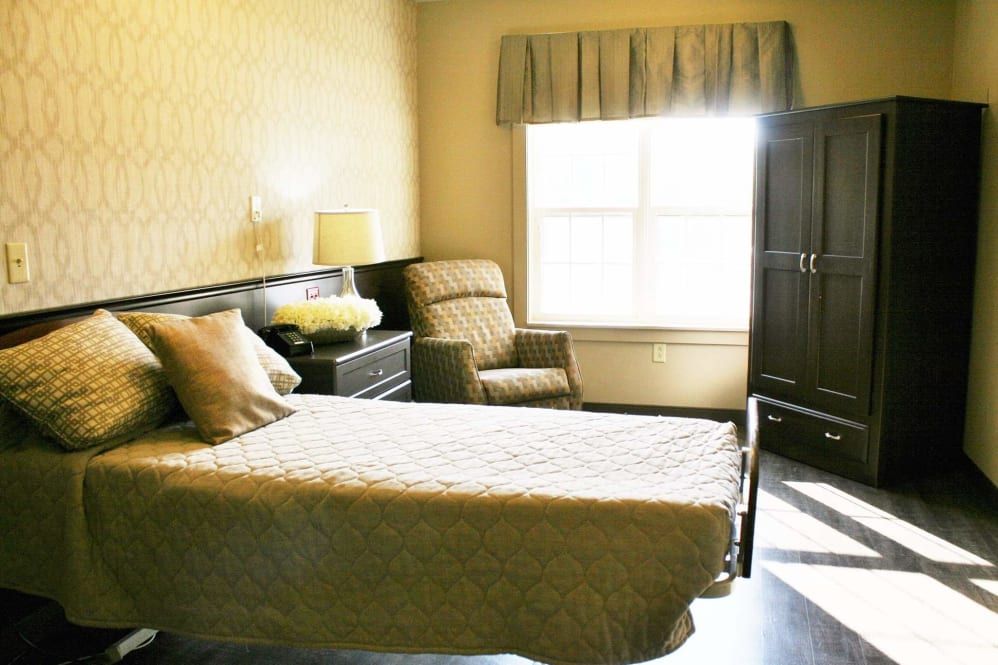
    A cozy bedroom with a single bed, armchair, and a sunlit window.
  • Decor

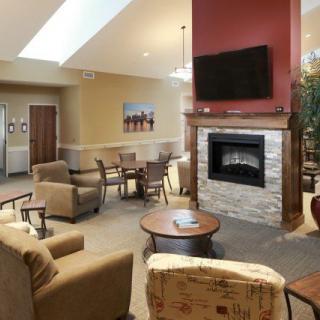
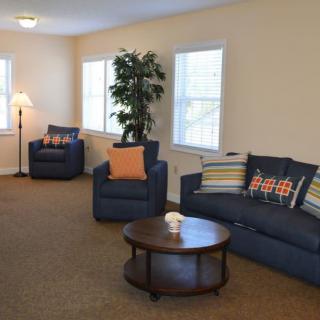
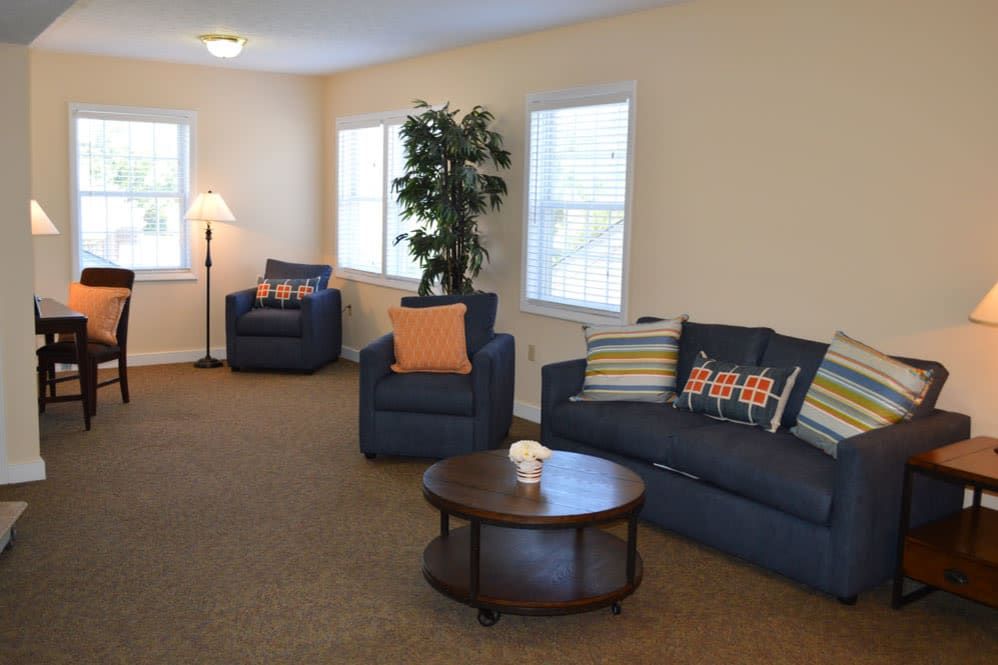
    A cozy living room with blue sofas, a round coffee table, and natural lighting from multiple windows.
  • Bedroom

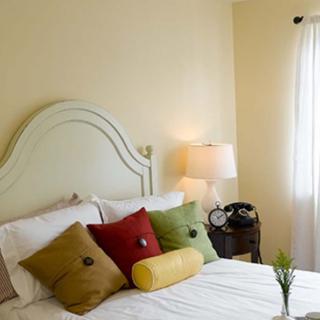
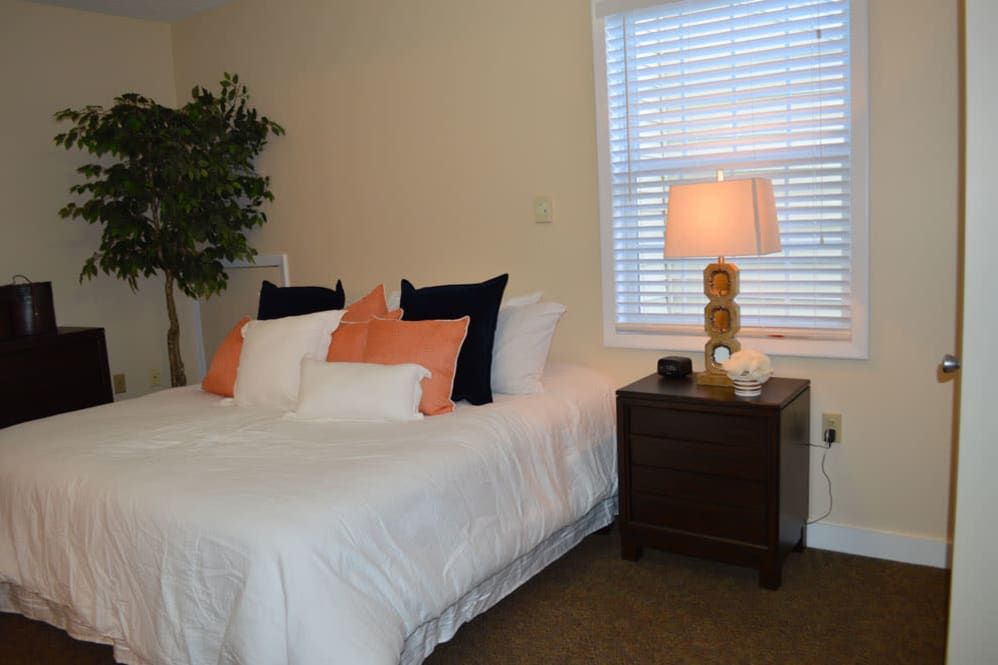
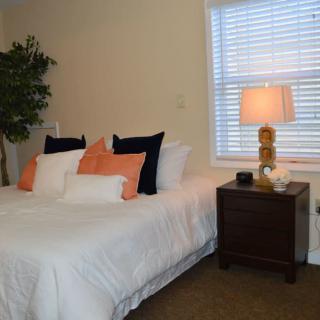
    A cozy bedroom featuring a neatly made bed with colorful pillows, a nightstand with a lamp, and a large plant by the window.
  • Trees

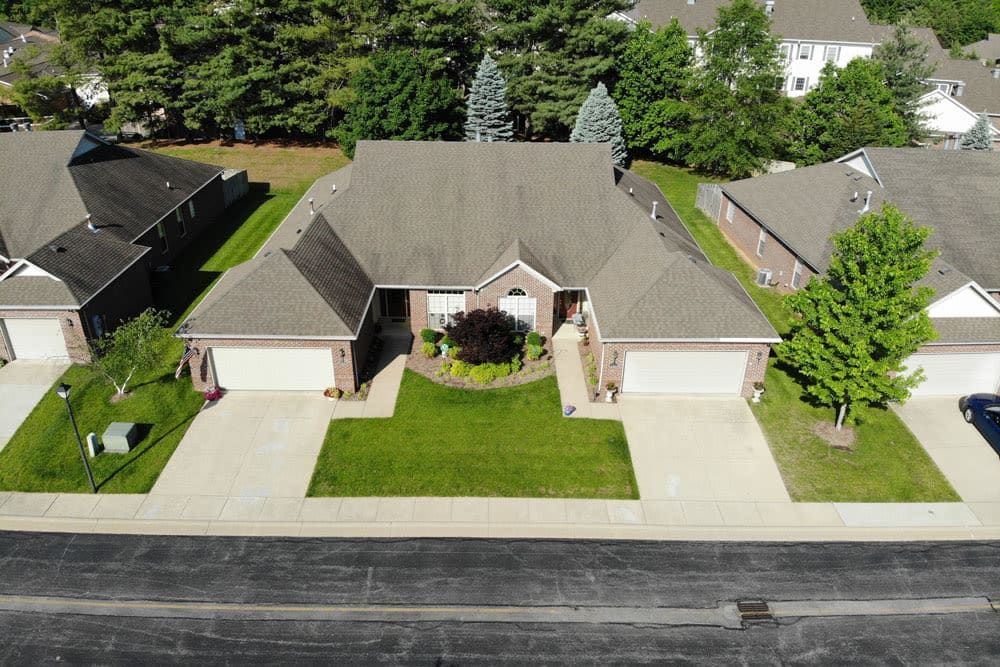
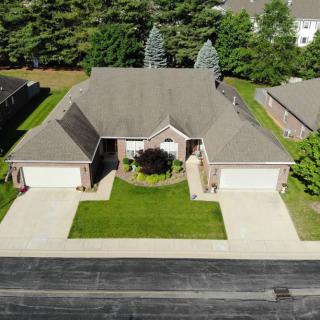
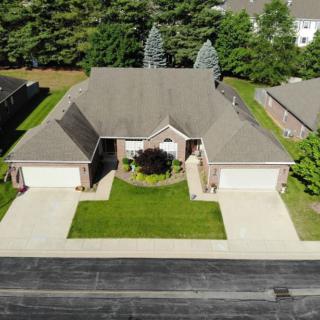
    Aerial view of a duplex house with driveways and a well-maintained lawn.
  • Dining

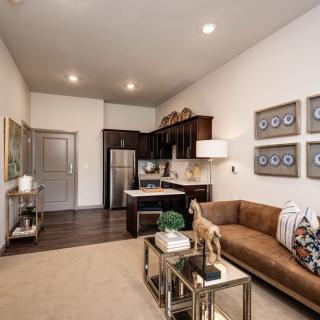
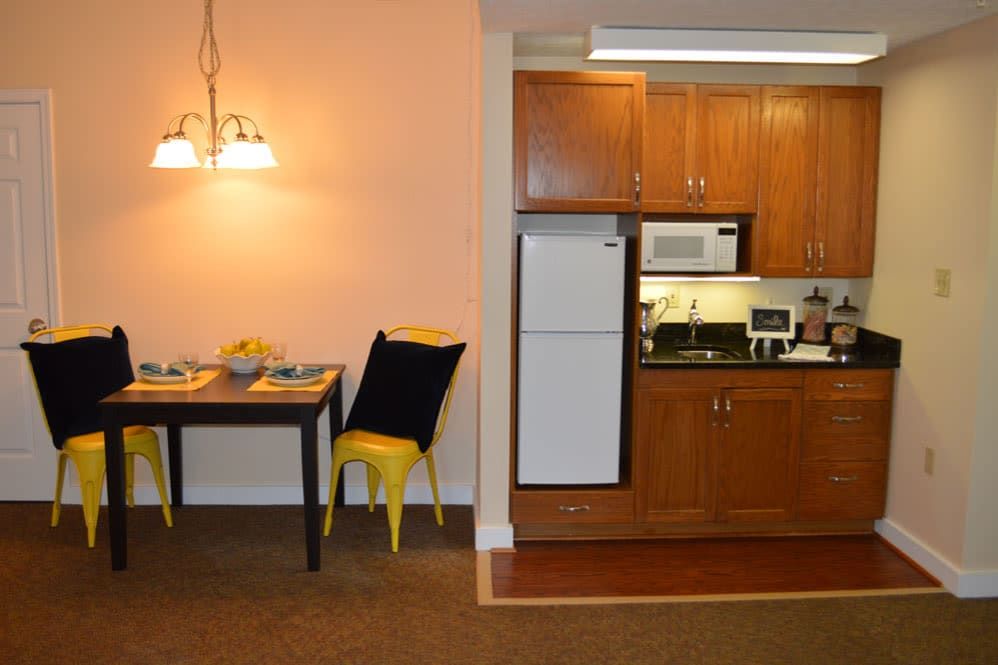
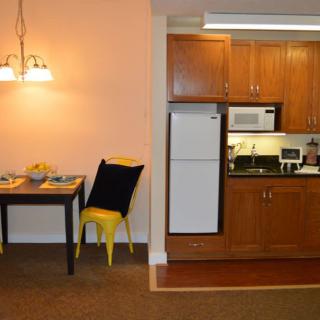
    A cozy kitchen and dining area featuring wooden cabinets, a refrigerator, microwave, and a dining table with bright yellow chairs.
  • Landscaping

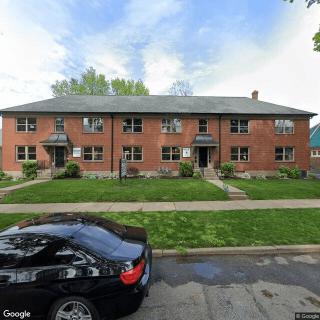
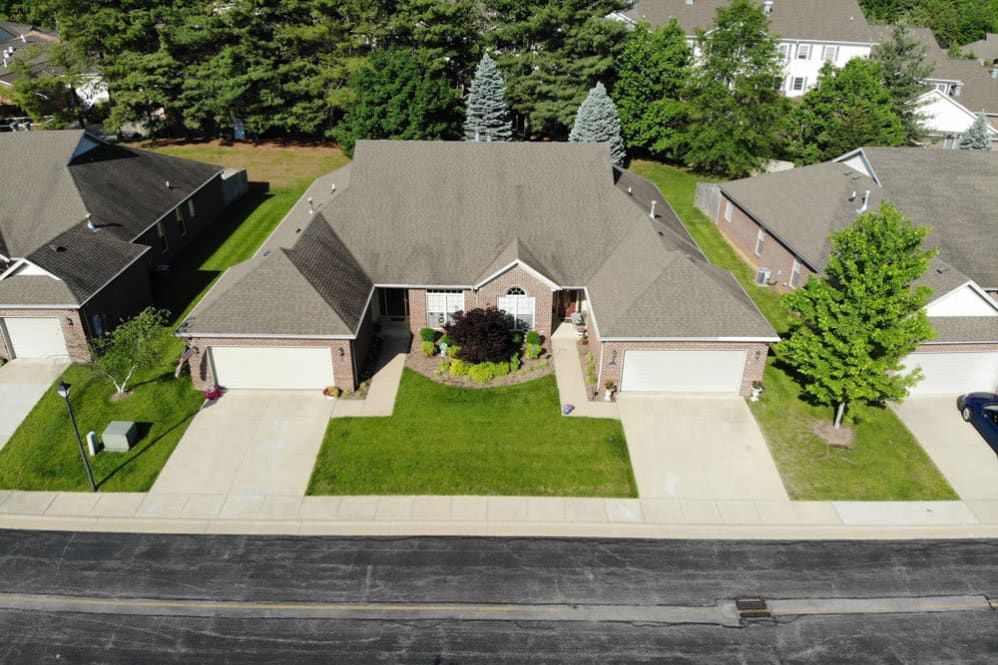
    Aerial view of a suburban duplex with well-maintained lawns and driveways.
  • Garden

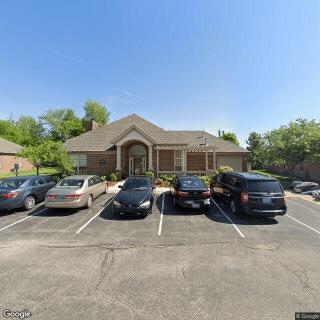
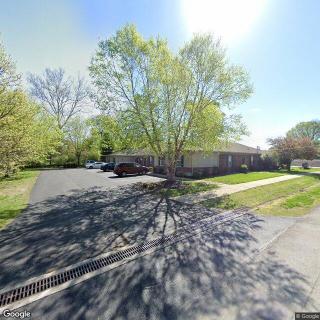
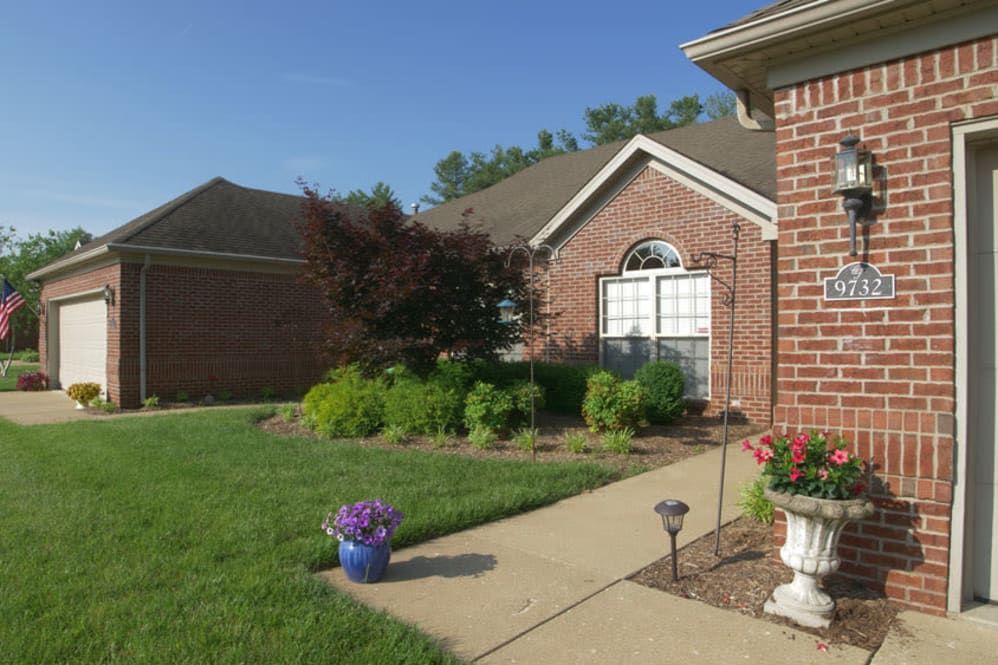
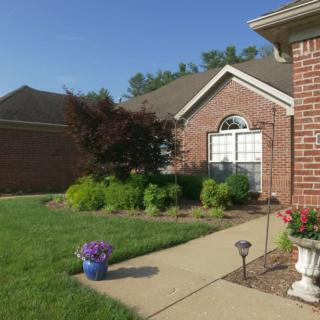
    A well-maintained brick house with a landscaped garden and sidewalk under a clear blue sky.
  • Lobby

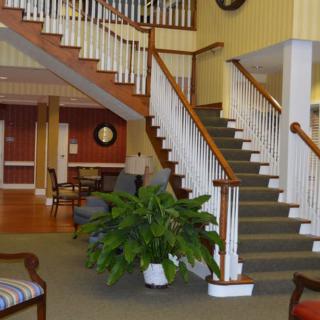
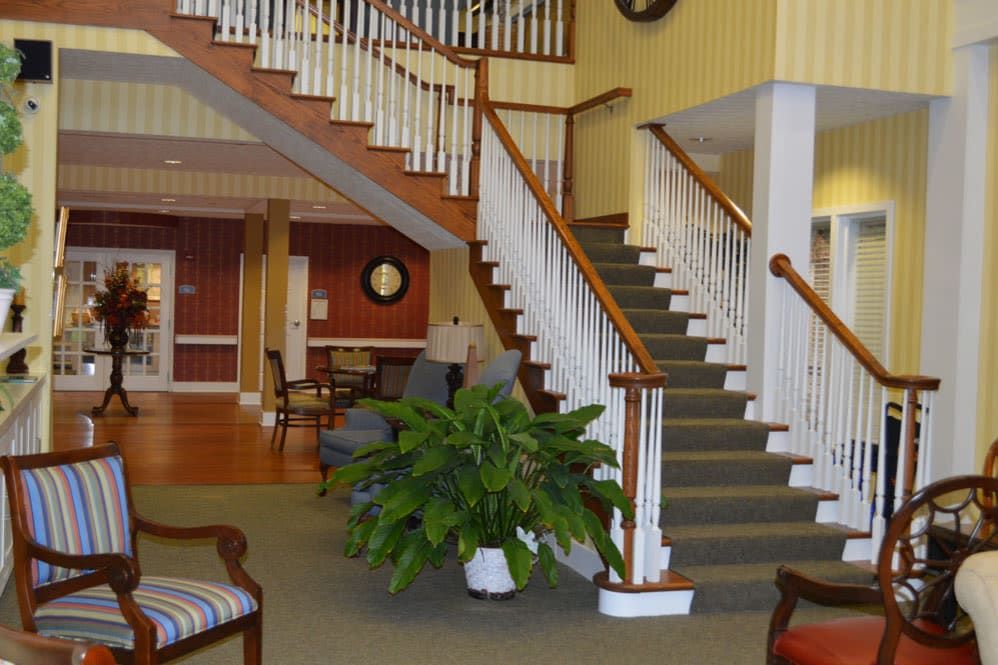
    A welcoming lobby area with a staircase and comfortable seating.
  • Brick

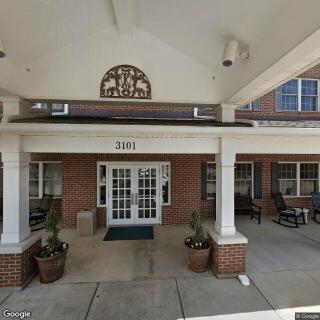
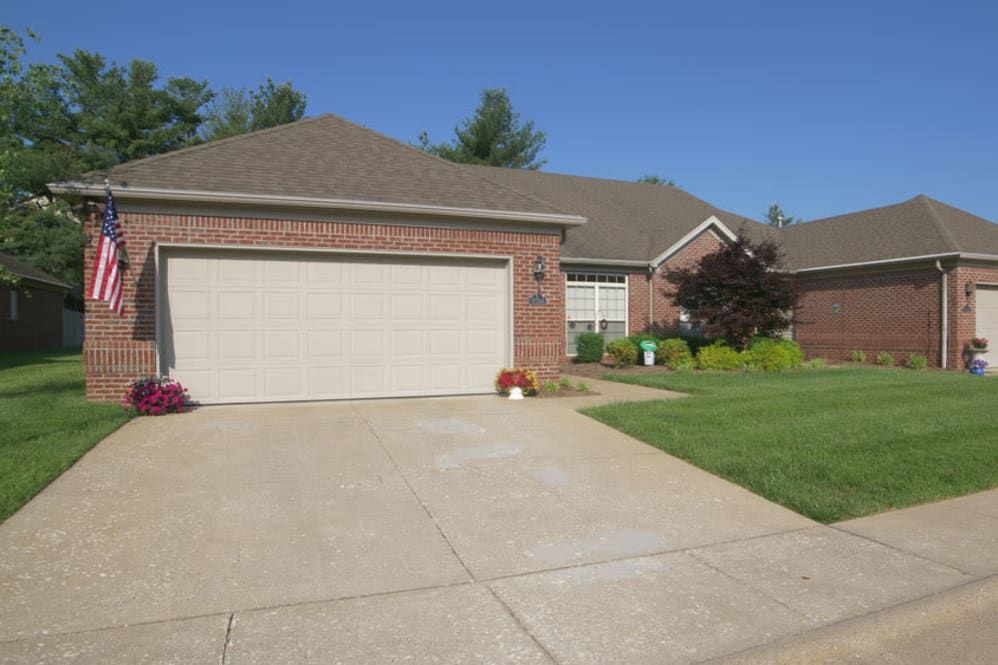
    A suburban brick house with a driveway and attached garage.
  • Aerial View

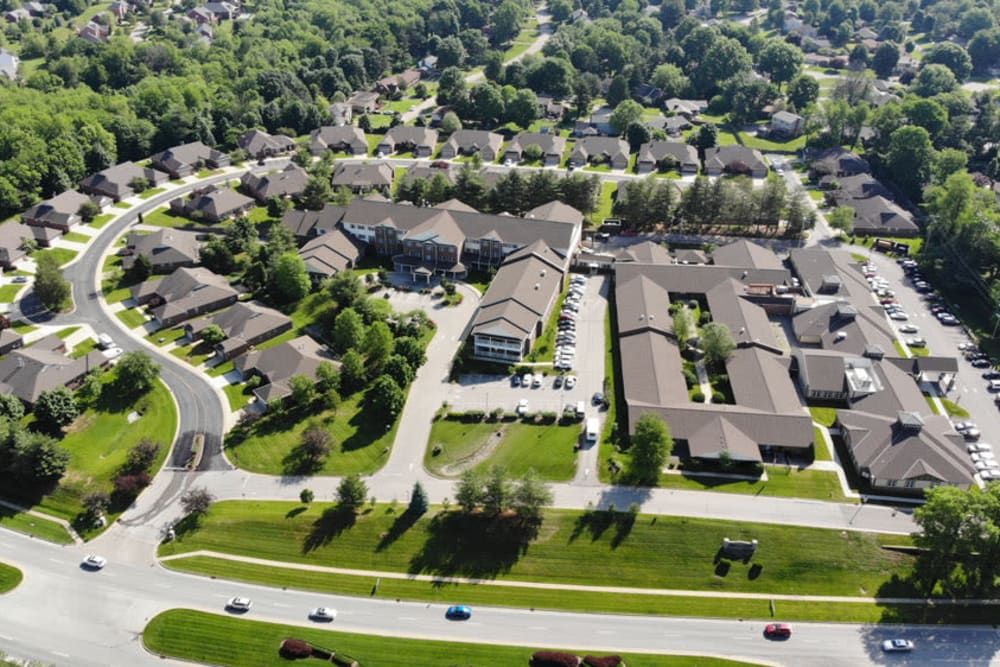
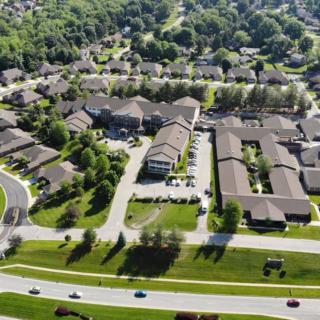
    Aerial view of a suburban neighborhood with residential buildings and tree-lined streets.

The Willows at Springhurst in Louisville, KY

3101 North Hurstbourne Parkway, Louisville, KY 40241

For more information about senior living options: (844) 490-3973

5 from 1 review
Independent Living Memory Care Skilled Nursing Facility

Overall Review of The Willows at Springhurst

Pros

  • pro The Willows at Springhurst offers activities that residents enjoy.
  • pro The meals are wonderful.
  • pro The caregivers are good.
  • pro Everything about The Willows at Springhurst has been wonderful.
  • pro All rooms are private and have their own bathrooms.
  • pro On-site physical therapy is available.
  • pro The day shift crew is highly regarded.

Review

The Willows at Springhurst is best suited for families seeking a dedicated memory-care environment in Louisville that delivers privacy, routine, and hands-on daytime support. The community emphasizes purpose-built dementia care within a setting that offers private rooms with individual bathrooms, on-site rehabilitation, and an abundance of structured activities. For families confronting memory-loss needs, this campus presents itself as a home-like option where dignity and consistent care are prioritized, with a clear focus on keeping residents engaged, nourished, and monitored by trained caregivers throughout the day.

Those who may want alternatives should consider options if the primary needs extend beyond memory care, or if cost flexibility is a decisive factor. If independence is still a central goal, or if a loved one requires broader age-appropriate socialization that spans assisted living and independent living, other communities may better fit. Also, if nighttime supervision or non-daytime routines are crucial, it is prudent to compare staffing models and confirm whether the level of coverage meets expectations, since the standout praise here centers on the day shift team rather than overnight dynamics.

The standout pros are concrete and compelling. The memory-care center designation signals specialized programming, while the breadth of activities supports cognitive stimulation and social connection. Meals are described as wonderful, contributing to overall quality of life and daily enjoyment. Caregivers are consistently praised for their performance, suggesting reliable, empathetic support for residents and clear communication with families. The configuration of private rooms with private bathrooms adds a high level of dignity and ease for personal routines, a meaningful edge in memory care. The presence of physical therapy on the grounds eliminates friction for ongoing rehab, a practical benefit that enhances mobility and independence within the care plan. The day shift crew, in particular, is highlighted as a key strength, pointing to steady daytime engagement and attentive supervision during hours when families are most involved.

These strengths offset common memory-care tradeoffs by delivering tangible, day-to-day improvements in quality of life. The privacy of individual rooms reduces confusion that can accompany shared spaces, especially for residents transitioning through memory stages. On-site therapy and a robust activity lineup counteract isolation and sedentary patterns that can accompany memory impairment. Reliable daytime caregivers create a stable routine, which often correlates with reduced anxiety for both residents and families. In short, the advantages directly address familiar pain points - privacy, meaningful engagement, nourishment, and accessible rehab - while the setting remains purpose-built to support memory care needs rather than a generic senior-living environment.

Practical decision factors come into play during visits and conversations with the staff. Prospective families should verify the specific memory-care programming, including how activities are tailored to varying stages of memory loss and how progression is monitored. Inquire about caregiver-to-resident ratios, especially across shifts, and how the community handles nighttime coverage and emergent care. Confirm room configurations beyond the standard private setup, such as room sizes, accessibility features, and opportunities for personalization. Finally, obtain a transparent understanding of the cost structure, what is included, and what constitutes additional charges, ensuring the financial plan aligns with the level of care sought.

Bottom line: The Willows at Springhurst stands out as a focused, high-quality memory-care option that delivers privacy, robust daytime engagement, and convenient access to rehabilitative services. It is an especially strong fit for families prioritizing private accommodations, delicious meals, and a dependable day-time care team who can sustain a comforting routine for a loved one facing memory challenges. For families where memory support is still a central need, and where the budget allows for enhanced, person-centered care, this community deserves serious consideration. Those seeking less intensive memory support, broader independent-assisted living blends, or more affordable options should systematically explore alternatives to ensure a match with care goals and finances.

Features

Housing

  • 91 resident community capacity 91 resident community capacity

Types of Care

  • Independent Living Independent LivingIndependent living communities are important for seniors because they offer a safe and supportive environment where older adults can live independently while still having access to amenities and services that enhance their quality of life. These communities provide social opportunities, recreational activities, and assistance with daily tasks, promoting overall well-being and allowing seniors to maintain their independence for as long as possible.
  • Memory Care Memory CareMemory care is crucial for seniors as it provides specialized support and services for individuals with dementia or Alzheimer's disease. These programs offer a safe and secure environment where residents receive personalized care, cognitive stimulation, and help with daily activities. Memory care helps seniors maintain their independence, quality of life, and dignity while also providing peace of mind for their families.
  • Skilled Nursing Facility Skilled Nursing FacilitySkilled Nursing Facilities are crucial for seniors as they provide round-the-clock medical care, rehabilitation services, and assistance with daily activities. These facilities ensure that seniors receive the specialized care they need to maintain their health and well-being as they age.

Amenities

  • Air-conditioning Air-conditioningAir conditioning is important for seniors as they are more vulnerable to heat-related illnesses and may have underlying health conditions that make it difficult for them to regulate their body temperature. It helps to keep them comfortable, safe, and healthy in hot weather.
  • Beauty salon Beauty salonBeauty salons are important for seniors because they provide a space for them to feel pampered, socialize, and maintain their personal grooming and hygiene. Regular visits to a beauty salon can help boost seniors' self-esteem and overall well-being.
  • Cable or satellite TV Cable or satellite TVCable or satellite TV is important for seniors because it provides entertainment, news, and companionship, helping to combat loneliness and boredom. It also offers a wide range of programming options tailored to different interests and preferences.
  • Computer center Computer centerA computer center is essential for seniors as it provides access to technology, communication tools, and resources that can enhance their daily lives. It allows them to stay connected with loved ones, engage in online activities, and learn new skills, ultimately promoting socialization and mental stimulation.
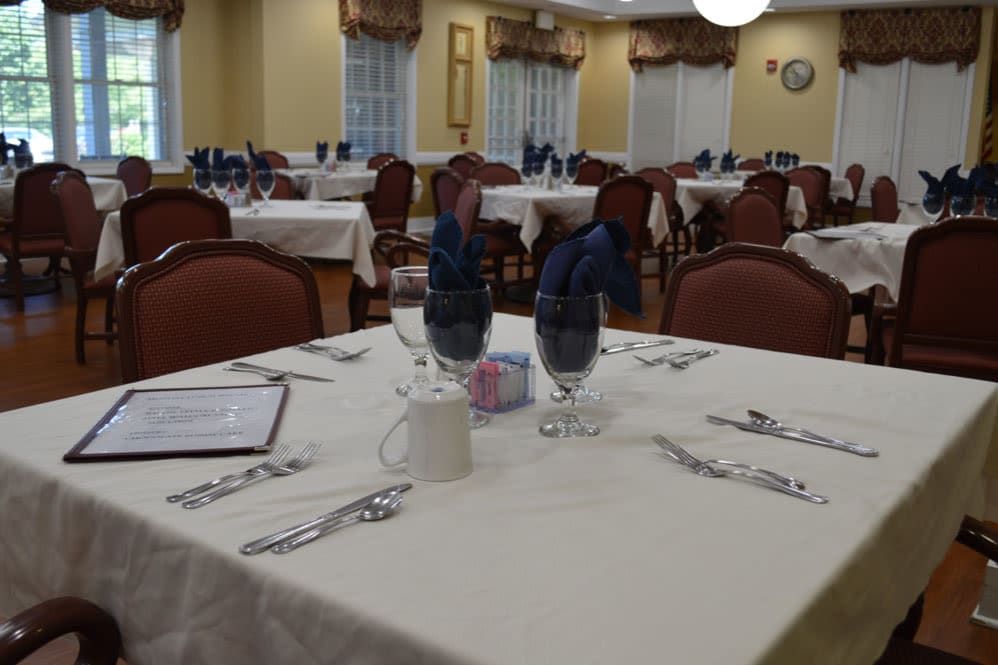
  • Dining room Dining roomDining rooms are important for seniors as they provide a space for socialization, connection, and nutritious meals. They offer opportunities for residents to bond over shared meals, foster a sense of community, and promote healthy eating habits. Dining rooms also ensure that seniors have access to well-balanced meals tailored to their dietary needs and preferences.
  • Fitness room Fitness roomHaving a fitness room in a senior living community is essential for seniors to stay active, maintain their physical health, and improve their overall well-being. Regular exercise can help prevent falls, reduce the risk of chronic diseases, and promote mental sharpness. It also provides social opportunities for residents to connect with others and enjoy a sense of community.
  • Fully furnished Fully furnishedFully furnished senior living communities are important for seniors because they provide convenience, comfort, and a hassle-free moving experience. Seniors can easily settle into their new living space without the stress of having to buy and move furniture. This allows them to focus on enjoying their new home and community.
  • Gaming room Gaming roomGaming rooms are important for seniors as they provide a fun and engaging environment for socializing, cognitive stimulation, and physical activity. Games can improve memory, problem-solving skills, and overall mental well-being while fostering friendships and reducing feelings of isolation.
  • Garden GardenGardens are important for seniors as they provide a peaceful and therapeutic environment for relaxation, physical activity, and socialization. Being in nature has been shown to reduce stress, improve mood, and promote overall well-being. Gardens also offer opportunities for seniors to engage in gardening activities, which can improve mobility, flexibility, and cognitive function. Additionally, gardens create a sense of community and connection with others who share a passion for plants and outdoor spaces.
  • Housekeeping services Housekeeping servicesHousekeeping services are important for seniors because they help maintain a clean and safe living environment, promote independence, and reduce the risk of accidents or illnesses. Additionally, having assistance with household chores can alleviate physical strain and allow seniors to focus on other aspects of their well-being.
  • Kitchenette KitchenetteKitchenettes are important for seniors living in senior living communities because they provide the convenience and independence of being able to prepare simple meals and snacks in the comfort of their own living space. This can help promote a sense of autonomy and well-being for seniors, allowing them to maintain some level of control over their dietary choices and daily routines.
  • Move-in coordination Move-in coordinationMove-in coordination is important for seniors because it helps ease the transition into their new living environment. It ensures that all logistics, such as packing, organizing movers, and setting up utilities are taken care of, allowing seniors to focus on settling in and adjusting to their new home. Having a smooth move-in process can alleviate stress and anxiety, making the transition smoother and more enjoyable for seniors.
  • Outdoor patio Outdoor patioOutdoor patios are essential for seniors as they provide a safe and peaceful space for them to enjoy the outdoors, socialize with friends and family, engage in physical activity, and soak up natural sunlight which promotes overall well-being and mental health.
  • Outdoor space Outdoor spaceOutdoor spaces are important for seniors as they provide opportunities for physical activity, social interaction, exposure to natural light and fresh air, and a sense of connection to nature. Having access to outdoor spaces can improve overall well-being and quality of life for older adults living in senior communities.
  • Private bathrooms Private bathroomsPrivate bathrooms are important for seniors in senior living communities because they provide independence, dignity, and comfort. Having a private bathroom allows seniors to maintain their personal hygiene routines without the need for assistance, promoting a sense of autonomy and privacy. Additionally, private bathrooms help prevent the spread of infections and provide a safe and clean environment for seniors to navigate safely.
  • Restaurant-style dining Restaurant-style diningRestaurant-style dining is important for seniors because it allows them to enjoy delicious, nutritious meals in a social and upscale setting. This enhances their dining experience, promotes healthy eating habits, and fosters socialization with fellow residents, ultimately contributing to their overall well-being and quality of life.
  • Small library Small librarySmall libraries are important for seniors as they provide access to a variety of reading materials, including books, newspapers, and magazines. This can help stimulate their minds, keep them engaged, and provide a sense of community through book clubs and other social activities. Additionally, reading has been shown to improve cognitive function and overall mental well-being in older adults.
  • Telephone TelephoneTelephones are important for seniors as they provide a lifeline for communication with loved ones, emergency services, and healthcare providers. They offer a sense of security and independence, enabling seniors to stay connected and access assistance when needed.
  • Wellness center Wellness centerWellness centers are important for seniors because they offer a variety of programs and services that promote physical, mental, and emotional well-being. These centers provide opportunities for exercise, socialization, education, and relaxation, helping seniors maintain their overall health and quality of life.
  • Wi-Fi/high-speed internet available Wi-Fi/high-speed internet availableWi-Fi/high-speed internet is important for seniors to stay connected with loved ones, access online resources, and participate in virtual activities to combat feelings of loneliness and isolation. It also allows them to easily manage healthcare needs, access entertainment, and engage in lifelong learning opportunities.

Transportation

  • Louisville International-Standiford (12 miles away) Louisville International-Standiford (12 miles away)
  • Community operated transportation Community operated transportationCommunity operated transportation is crucial for seniors as it provides them with the means to access essential services, social activities, and medical appointments. It allows seniors to maintain their independence and quality of life by ensuring they can participate in activities outside of their homes. Additionally, community-operated transportation services offer a safe and reliable way for seniors to travel without having to rely on family or friends for assistance.
  • Transportation arrangement Transportation arrangementTransportation arrangements are crucial for seniors as they may face challenges with driving, mobility, or access to public transportation. Having reliable transportation services ensures that seniors can easily attend appointments, social activities, and maintain their independence and quality of life.

Care Services

  • 12-16 hour nursing 12-16 hour nursing12-16 hour nursing care is crucial for seniors in order to ensure around-the-clock monitoring, timely medication administration, and prompt response to any health concerns or emergencies. This level of care helps to promote the overall well-being and safety of seniors living in senior living communities.
  • 24-hour call system 24-hour call system24-hour call systems are important for seniors because they provide peace of mind and immediate assistance in case of emergencies. This technology ensures that help is always available, promoting safety and security for elderly individuals living alone or in assisted living facilities.
  • 24-hour supervision 24-hour supervision24-hour supervision is important for seniors to ensure their safety, well-being, and access to immediate assistance in case of emergencies or health issues. This constant support provides peace of mind for both seniors and their loved ones, allowing them to age in place with dignity and security.
  • Activities of daily living assistance Activities of daily living assistanceActivities of daily living assistance are important for seniors because they provide essential support with tasks such as eating, bathing, dressing, and mobility. This assistance helps seniors maintain their independence, dignity, and overall quality of life as they age.
  • Assistance with bathing Assistance with bathingAssistance with bathing is crucial for seniors as it helps maintain personal hygiene, prevents infections, and ensures their overall well-being and comfort. It also provides a sense of dignity and independence for seniors who may struggle with this task on their own.
  • Assistance with dressing Assistance with dressingAssistance with dressing is important for seniors because it helps maintain their independence, promotes personal hygiene, prevents accidents and injuries, and improves overall quality of life. This service ensures that seniors can continue to dress comfortably and confidently, despite any physical limitations they may have.
  • Assistance with transfers Assistance with transfersAssistance with transfers is crucial for seniors as it helps prevent falls and injuries, maintains their independence, and ensures they can safely navigate their living environment. It also provides peace of mind for both seniors and their loved ones.
  • Diabetes diet Diabetes dietA diabetes diet is crucial for seniors as it helps manage blood sugar levels, reduce risks of complications, and improve overall health and well-being. By following a balanced and nutritious diet tailored to their specific needs, seniors can better control their diabetes and enhance their quality of life.
  • Meal preparation and service Meal preparation and serviceMeal preparation and service are crucial for seniors as they may have limited mobility or energy to cook nutritious meals. Having access to healthy and convenient food options can ensure they are getting the proper nutrition needed to maintain their overall health and well-being.
  • Medication management Medication managementMedication management is crucial for seniors to ensure they are taking the right medications at the correct dosages and times. This helps prevent adverse drug interactions, reduces the risk of medication errors, and promotes overall health and well-being. Proactive management also allows for adjustments as needed based on changing health conditions or new prescriptions.
  • Mental wellness program Mental wellness programMental wellness programs are essential for seniors as they promote cognitive stimulation, emotional support, and social engagement. These programs help prevent isolation, depression, and cognitive decline, ultimately enhancing the overall quality of life for older adults.
  • Mild cognitive impairment Mild cognitive impairment"Mild cognitive impairment" is important for seniors because it is an early stage of cognitive decline that can potentially progress to more severe conditions such as dementia. Recognizing and addressing mild cognitive impairment can help seniors receive appropriate care and support to maintain their quality of life and independence for as long as possible.
  • Special dietary restrictions Special dietary restrictionsSpecial dietary restrictions are important for seniors because age-related changes in metabolism and health conditions can make it difficult for their bodies to process certain foods. By following a diet tailored to their specific needs, seniors can maintain their overall health and well-being, manage chronic conditions, and reduce the risk of complications such as malnutrition or food interactions with medications.
  • Specialized memory care programming Specialized memory care programmingSpecialized memory care programming is crucial for seniors with cognitive impairments such as dementia or Alzheimer's disease. These programs provide a safe and supportive environment tailored to the unique needs of individuals with memory loss, helping them maintain their independence, dignity, and quality of life.
  • Transportation to doctors appointments Transportation to doctors appointmentsTransportation to doctors' appointments is crucial for seniors as it ensures they have access to necessary medical care and support for their health needs. Without reliable transportation, seniors may struggle to attend important appointments, leading to potential delays in treatment and health complications. Providing transportation services helps seniors maintain their overall well-being and quality of life.

Dining

  • Diabetes diet Diabetes dietA diabetes diet is crucial for seniors as it helps manage blood sugar levels, reduce risks of complications, and improve overall health and well-being. By following a balanced and nutritious diet tailored to their specific needs, seniors can better control their diabetes and enhance their quality of life.
  • Special dietary restrictions Special dietary restrictionsSpecial dietary restrictions are important for seniors because age-related changes in metabolism and health conditions can make it difficult for their bodies to process certain foods. By following a diet tailored to their specific needs, seniors can maintain their overall health and well-being, manage chronic conditions, and reduce the risk of complications such as malnutrition or food interactions with medications.

Activities

  • Community-sponsored activities Community-sponsored activitiesCommunity-sponsored activities are important for seniors as they provide opportunities for social interaction, mental stimulation, and physical activity. These activities can help improve overall well-being, combat loneliness and isolation, and promote a sense of belonging and purpose among older adults.
  • Concierge services Concierge servicesConcierge services are essential for seniors as they provide assistance with daily tasks and errands, enhance their quality of life by offering convenience and personalized care, and promote a sense of safety and security.
  • Fitness programs Fitness programsFitness programs are crucial for seniors as they help improve strength, flexibility, balance, and overall well-being. Staying active can reduce the risk of chronic diseases, improve mental health, and enhance quality of life in older adults.
  • Planned day trips Planned day tripsPlanned day trips are important for seniors because they offer opportunities for socialization, mental stimulation, and physical activity. They provide a change of scenery and help seniors stay engaged and connected to their community, promoting overall well-being and quality of life.
  • Resident-run activities Resident-run activitiesResident-run activities are important for seniors as they encourage social interaction, creativity, and a sense of autonomy. These activities empower seniors to stay engaged and active in their community while fostering meaningful connections with their peers.
  • Scheduled daily activities Scheduled daily activitiesScheduled daily activities are important for seniors because they provide structure, socialization, mental stimulation, and physical activity. Engaging in regular activities can improve overall well-being and quality of life for seniors living in a community setting.

Description

The Willows at Springhurst is an assisted living community located in Louisville, KY that provides memory care and skilled nursing facility services. Our community offers a range of amenities to enhance the comfort and convenience of our residents' lives. These amenities include a beauty salon, cable or satellite TV, community operated transportation, a computer center, a dining room, a fitness room, fully furnished apartments, a gaming room, a garden, housekeeping services, kitchenettes in each apartment, move-in coordination assistance, an outdoor patio and outdoor space for relaxation or activities, private bathrooms for each resident's privacy, restaurant-style dining options offering delicious meals prepared by our skilled chefs, a small library for reading enthusiasts and intellectual stimulation, telephone access for easy communication with loved ones outside the community, a wellness center to promote overall health and well-being of our residents and Wi-Fi/high-speed internet connection to stay connected virtually.

In terms of care services provided at The Willows at Springhurst, we ensure that our residents receive round-the-clock assistance as needed. Our 24-hour call system ensures that help is always readily available should any emergencies arise. Our dedicated staff provide 24-hour supervision to guarantee the safety and well-being of our residents. We offer assistance with activities of daily living such as bathing and dressing to support our residents in their personal care routine. Additionally, we provide assistance with transfers for those who may require mobility aid. We also cater to residents with specific dietary needs such as diabetes diet or special dietary restrictions to maintain their health.

Medication management is another key service offered at our community to ensure that medications are administered accurately and on schedule. We understand the importance of mental wellness for our seniors; therefore we have designed specialized programming to address mild cognitive impairment along with regular mental wellness programs for cognitive stimulation.

Transportation arrangement is made for various needs including transportation to doctors appointments ensuring that residents can attend medical visits conveniently.

Residents at The Willows at Springhurst enjoy a variety of engaging and fulfilling activities. Our concierge services are available to assist with any special requests or needs our residents may have. We offer fitness programs to promote physical activity and well-being, as well as planned day trips and resident-run activities to keep our seniors socially active. Scheduled daily activities provide opportunities for residents to participate in recreational and educational experiences.

Our community is conveniently located near several amenities including four cafes, two parks, ten pharmacies, seventeen physicians, forty-eight restaurants, three places of worship, two theaters, and three hospitals. This location provides easy access to nearby services and attractions for our residents' convenience and enjoyment.

At The Willows at Springhurst, we strive to create an inclusive and supportive environment where our residents can thrive while receiving the necessary care they require.

Nearby Places of Interest

Pharmacies

  • Walgreens (0.3 miles)
  • Walgreens (2.8 miles)
  • CVS Pharmacy (3 miles)
  • Walgreens (3.1 miles)
  • Walgreens (3.1 miles)
  • CVS Pharmacy (3.3 miles)
  • 502 Hemp (3.4 miles)

Physicians

  • Dr. M. Dathan Chesnut, MD (0.4 miles)
  • Associates In Dermatology (1.1 miles)
  • Oldham County Pediatrics (1.3 miles)
  • Norton Neuroscience Institute (1.6 miles)
  • Norton Pulmonary Specialists (1.6 miles)
  • The Stewart Building (3.1 miles)
  • Commonwealth Oral and Maxillofacial Surgery (3.1 miles)

Restaurants

  • McDonald's (0.5 miles)
  • I Love Tacos (0.8 miles)
  • Fuji Japanese Steakhouse (0.8 miles)
  • Raising Cane's Chicken Fingers (0.8 miles)
  • Chick-Fil-A (0.8 miles)
  • Jersey Mike's (0.9 miles)
  • Jimmy John's (0.9 miles)

Cafes

  • Starbucks (0.7 miles)
  • Panera Bread (0.8 miles)
  • Starbucks (4.3 miles)
  • Panera Bread (4.7 miles)

Parks

  • E.P. Tom Sawyer State Park (0.9 miles)
  • Community Park (3.8 miles)

Theaters

  • Cinemark Tinseltown USA and XD (1.1 miles)
  • Cinemark Mall St Matthews and XD (4.1 miles)

Hospitals

  • Central State Hospital (1.6 miles)
  • Signature Care and Rehabilitation-Northfield (3.5 miles)
  • Premier Surgery Center of Louisville (4.3 miles)
  • Baptist Hospital East Park Tower (5.1 miles)
  • Baptist Hospital East Surgery (5.1 miles)
  • Baptist Health Louisville (5.2 miles)

Places of Worship

  • Lyndon Baptist Church (2.9 miles)
  • St Bernadette Church (3.1 miles)
  • Holy Trinity Catholic Church (4.7 miles)
  • Church of Jesus Christ of Latter Day Saints (5.1 miles)

Frequently Asked Questions

Where is The Willows at Springhurst?
Does The Willows at Springhurst provide care for residents with dementia or Alzheimer's disease?
What photos are available for The Willows at Springhurst in Louisville, Kentucky?

Nearby Communities

  • Parr's at Springhurst

    Parr's at Springhurst

    Louisville, KY

    3.5 from 50 reviews
    $3,810 to $5,820 / month

    pro Caring staff, vibrant atmosphere, and engaging activities that foster a sense of community.

  • Cornell Trace

    Cornell Trace

    Louisville, KY


    pro Abundant nearby amenities and healthcare access.

  • Brownsboro Park Retirement Community

    Brownsboro Park Retirement Community

    Louisville, KY

    4.7 from 43 reviews
    $1,550 to $2,125 / month

    pro Affordable pricing with broad local amenities and easy access to healthcare and dining.

  • Preferred Care at Home

    Preferred Care at Home

    Louisville, KY


    pro Strong access to healthcare, dining, parks and cultural venues nearby.

  • Vitality Living Springdale

    Vitality Living Springdale

    Louisville, KY

    4.6 from 115 reviews
    $3,775 to $5,925 / month

    pro Bright, remodeled facility with caring staff and engaging activities.

  • Premier Caregiver Services - Louisville,  KY

    Premier Caregiver Services - Louisville, KY

    Louisville, KY

    4.9 from 62 reviews
     

    pro Selfless, genuinely caring administrative staff who build strong caretaker-client relationships and provide respite.

  • Anthology Of Louisville

    Anthology Of Louisville

    Louisville, KY

    4.7 from 62 reviews
    $3,999 to $7,849 / month

    pro Attentive staff with abundant activities and gourmet dining.

  • Hallmark House

    Hallmark House

    Louisville, KY

    4.3 from 49 reviews
    $5,750 / month

    pro Caring staff with 24/7 supervision and engaging memory-care programming.

  • Beehive Home of Lyndon

    Beehive Home of Lyndon

    Lyndon, KY

    4.1 from 11 reviews
    $3,195 / month

    pro Warm, welcoming atmosphere with attentive staff and engaging activities; smaller, home-like setting.

Related Resources

  • best foods for dementia patients to eatNourishing the Mind: Essential Dietary Approaches for Dementia

    Dementia is characterized by cognitive decline, with nutrition playing a vital role in brain health; while no specific diet can prevent or reverse it, a nutrient-dense diet rich in antioxidants and healthy fats may support cognitive function. The MIND diet, which emphasizes beneficial foods and limits processed items, along with proper hydration and individualized meal strategies, can enhance the well-being of dementia patients.

  • dementia behaviorsUnderstanding Dementia Behaviors: Practical Insights and Strategies for Caregivers

    Dementia affects memory and cognitive function in older adults, presenting challenges for caregivers due to behavioral changes such as confusion and mood swings. Compassionate, person-centered care that considers individual history and preferences, along with effective communication and environmental modifications, is essential for supporting both patients and their caregivers.

  • dementia and angerWhen Dementia Sparks Anger and Aggression: Understanding the Connection and Ways to Cope
    Dementia leads to cognitive impairment and can cause emotional and behavioral changes, including aggression that arises from frustration, confusion, or fear. Effective coping strategies for caregivers include understanding dementia's nature, recognizing triggers, using empathetic communication, and employing non-pharmacological interventions like music and art therapy.