
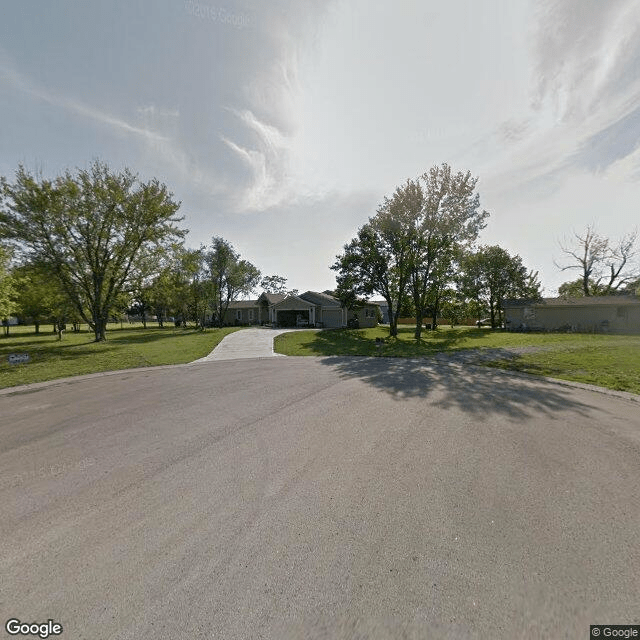
20687 W 125th Court, Olathe, KS 66061
To contact a resident: (913) 302-1785
For more information about senior living options: (866) 208-4318
Caring Homes Olathe Costs & Pricing
Caring Homes Olathe offers competitive pricing for its accommodations when compared to the broader market in Johnson County and the state of Kansas. For semi-private rooms, residents can expect to pay $4,500 per month, which is notably lower than the county average of $5,004 but slightly less favorable than the state average of $4,562. The studio options at Caring Homes are priced at $5,500, higher than both the county's average of $4,549 and substantially above the state's average of $4,094. For those seeking private rooms, Caring Homes maintains a rate of $5,500 per month - this aligns with local competition yet remains below Johnson County's average of $5,683 while exceeding Kansas' statewide figure of $5,137. Overall, Caring Homes Olathe presents an appealing choice in terms of affordability and value within its regional context.
| Floor plans | Caring Homes Olathe | Johnson County | Kansas |
|---|---|---|---|
| Semi-Private | $4,500 | $5,004 | $4,562 |
| Studio | $5,500 | $4,549 | $4,094 |
| Private | $5,500 | $5,683 | $5,137 |
Memory care communities with a similar price nearby
-
from -$600 / mo
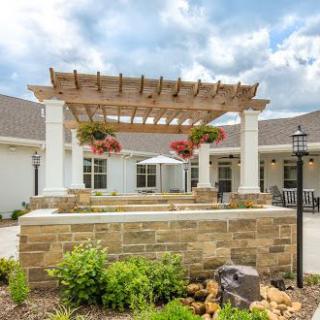
Benton House of Olathe
$3,900 to $4,800 / month4.4 miles away -
from -$700 / mo
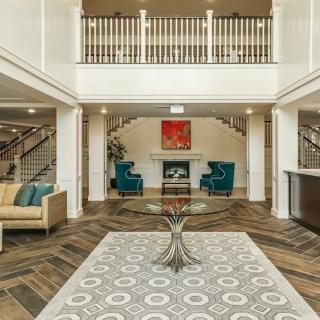
Mission Chateau Senior Living Community
$3,800 to $5,150 / month11.6 miles away -
from -$175 / mo
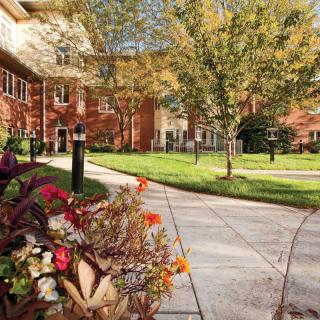
Claridge Court a CCRC
$4,325 to $4,723 / month11.9 miles away -
from -$505 / mo
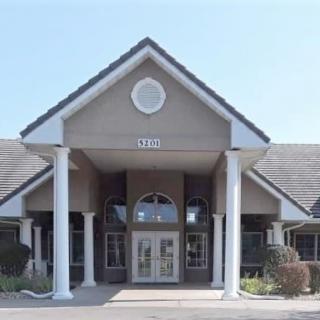
Colonial Oaks at Leawood
$3,995 to $6,100 / month9.8 miles away -
from -$150 / mo
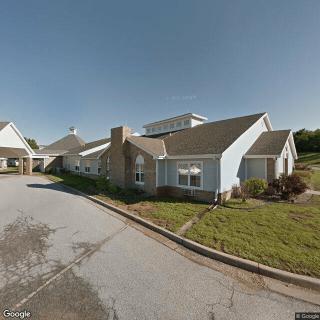
Redwood at Blue River
$4,350 to $4,800 / month14.6 miles away
Overall Review of Caring Homes Olathe
Pros
 The 99-year-old mother enjoyed the service very much.
- The whole family fell in love with Leah and the organization.
- The services from Care At Home could not compare with assisted living.
- Leah's responsiveness was immediate and she arranged a visit the next day.
- A well-trained crew was assembled to help with meals, laundry, household chores, and the husband’s physical therapy.
- Any issues were immediately addressed and rectified.
- Care At Home is highly recommended without reservation.
- The service is always on time, with a friendly and reliable housekeeper, providing peace of mind.
Review
Caring Homes Olathe is best suited for families seeking dependable, home-based support for an elderly loved one who still wants to remain in familiar surroundings. The pattern described in the reviews centers on a responsive care-at-home model led by a hands-on coordinator, with a cadre of trained caregivers ready to handle meals, laundry, light housekeeping, and daily chores. This arrangement shines for families that value immediate issue resolution, dependable staffing, and a sense of continuity in daily routines. The strongest takeaway is peace of mind: a senior can stay at home while a well-organized team ensures coverage, responsiveness, and a level of personal attention that many fear will be lost outside a private residence.
Families should consider alternatives when the priority shifts toward a traditional residential environment with built-in social opportunities, on-site medical oversight, and guaranteed around-the-clock supervision. If a senior requires constant nursing care, comprehensive medical management, or highly structured programming within a community, an assisted living or memory care setting may deliver what a home-care arrangement cannot. The reviews imply a robust home-care option, but they also underscore that the experience is anchored in home environments rather than a campus-like facility with on-site clinical staff and curated activities. For some, the comfort of a facility’s predictable cadence and social milieu will matter more than ultra-flexible home-based support.
The strongest pros in the reviews, rapid responsiveness, reliability, and a well-trained team, effectively offset the main trade-offs typical of in-home care. Caregivers who arrive on time, perform not only meal preparation and laundry but also assist with household tasks and even support rehabilitation activities, create a practical, hands-on environment that many families crave. The sense that issues are addressed promptly and rectified without delay translates into tangible peace of mind, especially when managing the needs of a very old relative. In at least one account, the home-care approach even outpaced an assisted-living experience in terms of satisfaction, underscoring how targeted, well-coordinated in-home support can surpass expectations for certain situations.
That said, the inherent limits of in-home care cannot be ignored. The absence of a centralized campus means social opportunities or enrichment programs must be sought outside the home, and medical oversight tends to be less embedded than in a licensed facility. Staffing can also hinge on the availability and stability of the care team, which, while described as well-trained and responsive in reviews, remains more fluid than a resident community with dedicated on-site nursing. Families should weigh these considerations against the positives: for many, the ability to stay at home with a reliable caregiving network represents a meaningful quality-of-life advantage that offset the potential downsides.
Practical decision guidance should focus on clarity around care needs, budget, and long-term planning. If emphasis is on preserving independence at home with help for meals, housekeeping, and daily tasks, this model offers compelling value. However, if medical acuity or social programming in a residential setting is non-negotiable, it makes sense to explore alternatives with stronger on-site nursing, scheduled activities, and a resident community. Prospective clients should ask about caregiver retention, backup coverage, care plan customization, and the process for escalating concerns. Verifying licensing and understanding the scope of services versus what a facility provides will prevent mismatches between expectations and reality.
In the end, Caring Homes Olathe presents a practical, purpose-driven choice for families prioritizing home-based care with dependable staffing and responsive support. It is particularly well-suited for elderly relatives who thrive with regular, hands-on help in their own space and for families seeking meaningful peace of mind without relocating a loved one. For those who value the social fabric and clinical support of an on-site community, or require continuous intensive medical oversight, exploring traditional assisted living or memory care options is warranted. The decision hinges on where safety, companionship, and daily living support best converge with the elder’s preferences and the family’s capacity to manage care.
 Studio apartments
 Board and Care Home
 Memory Care
 Activities off-site
 Bath tubs
 Devotional services off-site
 Indoor common areas
 Outdoor common areas
 Private
 Respite or short term stays offered
 Wheelchair accessible showers
 Ambulatory care
 Diabetic care
 High acuity care
 Incontinence care
 Medication management
 Meals provided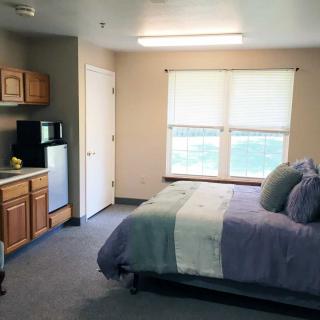

 Dementia-Related Hallucinations: Causes, Experiences, and Practical Approaches
 Illuminating Insights About Alzheimer's Disease: Ten Crucial Realities
 A Thorough Discussion of Medications Potentially Linked to Dementia Risk