For more information about senior living options: (866) 208-4318
4.3 from 55 reviews
5 stars
40
4 stars
7
3 stars
0
2 stars
0
1 stars
8
White Oaks Memory Care of McHenry Costs & Pricing
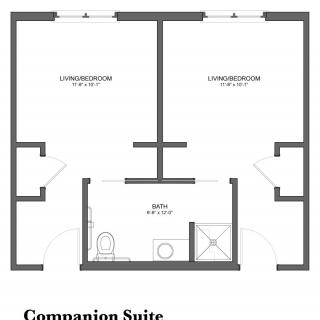
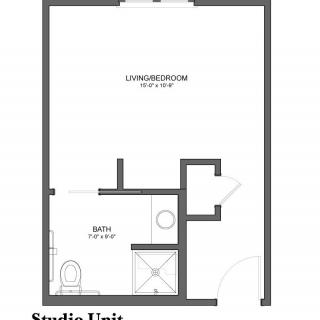
White Oaks Memory Care of McHenry offers competitive pricing for its services, particularly when compared to the surrounding McHenry County and the broader state of Illinois. For a semi-private room, residents can expect to pay $4,650 per month, which is notably lower than the county average of $4,970 and significantly more affordable than the state average of $5,146. In contrast, the cost for a studio room at White Oaks stands at $7,200, which is higher than both the county's average of $5,004 and Illinois' state average of $4,028. This pricing structure highlights White Oaks as an attractive option for those seeking quality memory care in a supportive environment while still providing value relative to local and state benchmarks.
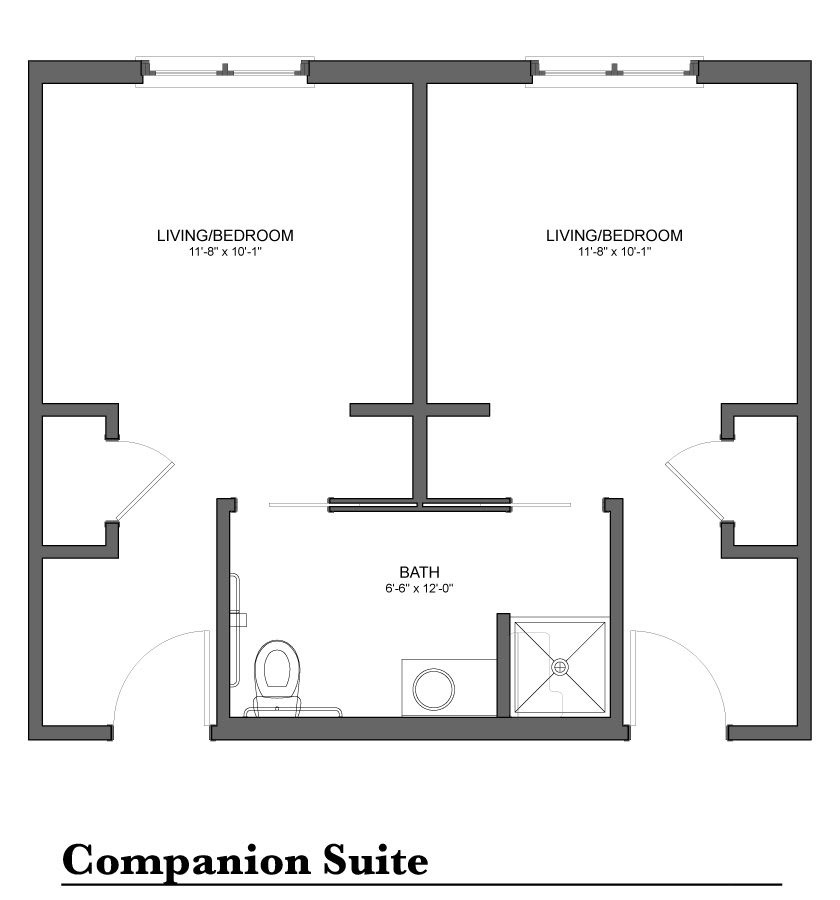
Floor plans
White Oaks Memory Care of McHenry
McHenry County
Illinois
Semi-Private
$4,650
$4,970
$5,146
Studio
$7,200
$5,004
$4,028
Memory care communities with a similar price nearby
Overall Review of White Oaks Memory Care of McHenry
common20 reviews mention this
Staff care comes through
Residents and families describe consistently caring, attentive staff.
Many reviewers talk about staff who feel kind, professional, and genuinely invested in residents, including nurses and caregivers. Several mention comfort and safety, like residents being safe and well cared for, or staff knowing residents’ needs and names. A few also specifically call out communication and responsiveness, such as issues being handled quickly and families feeling supported day to day.
common15 reviews mention this
Activities help residents engage
Activities and engagement are a frequent reason families feel confident.
Reviewers repeatedly mention that there is “always something going on,” with activities designed to keep residents involved. Families describe group events and outings, plus engagement even during difficult transitions, and some mention staff working to accommodate preferences. A smaller set of comments acknowledge limits when residents are less able to participate, but even those reviewers note staff trying to maintain dignity.
common14 reviews mention this
Clean, spacious layout
Clean spaces and an open, uncluttered layout stand out.
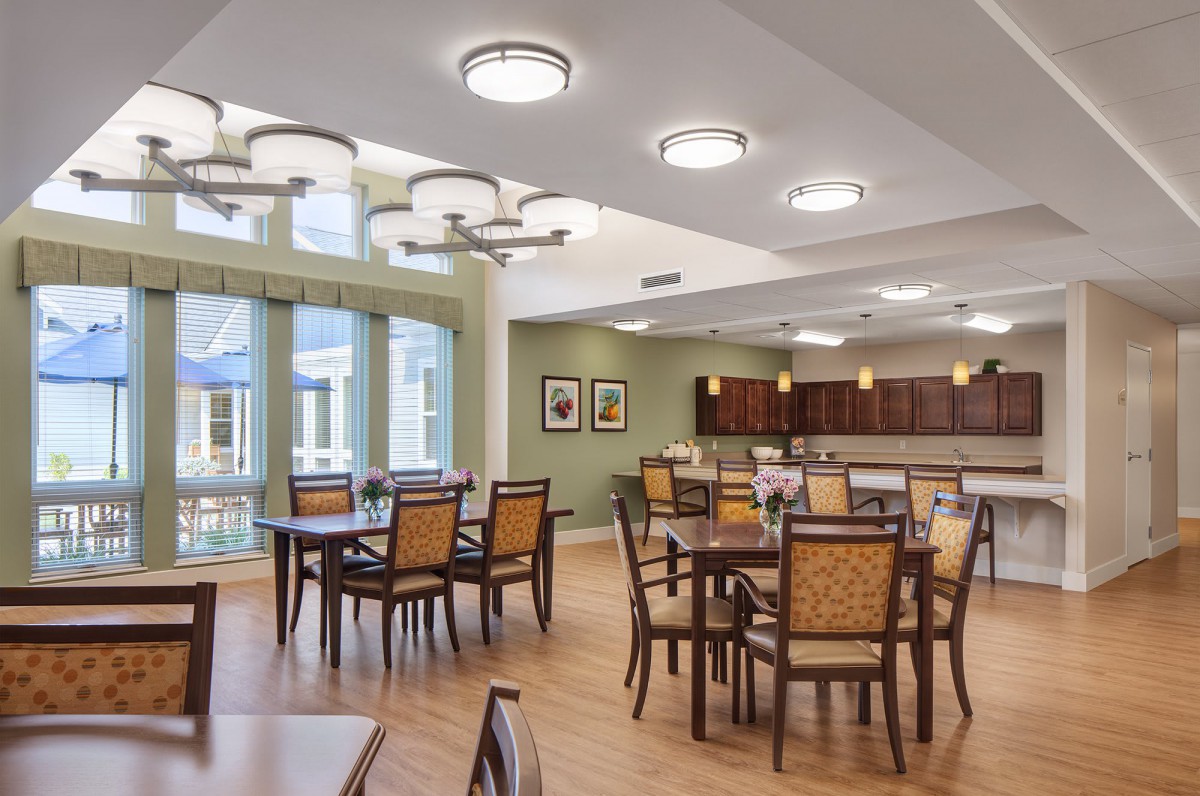
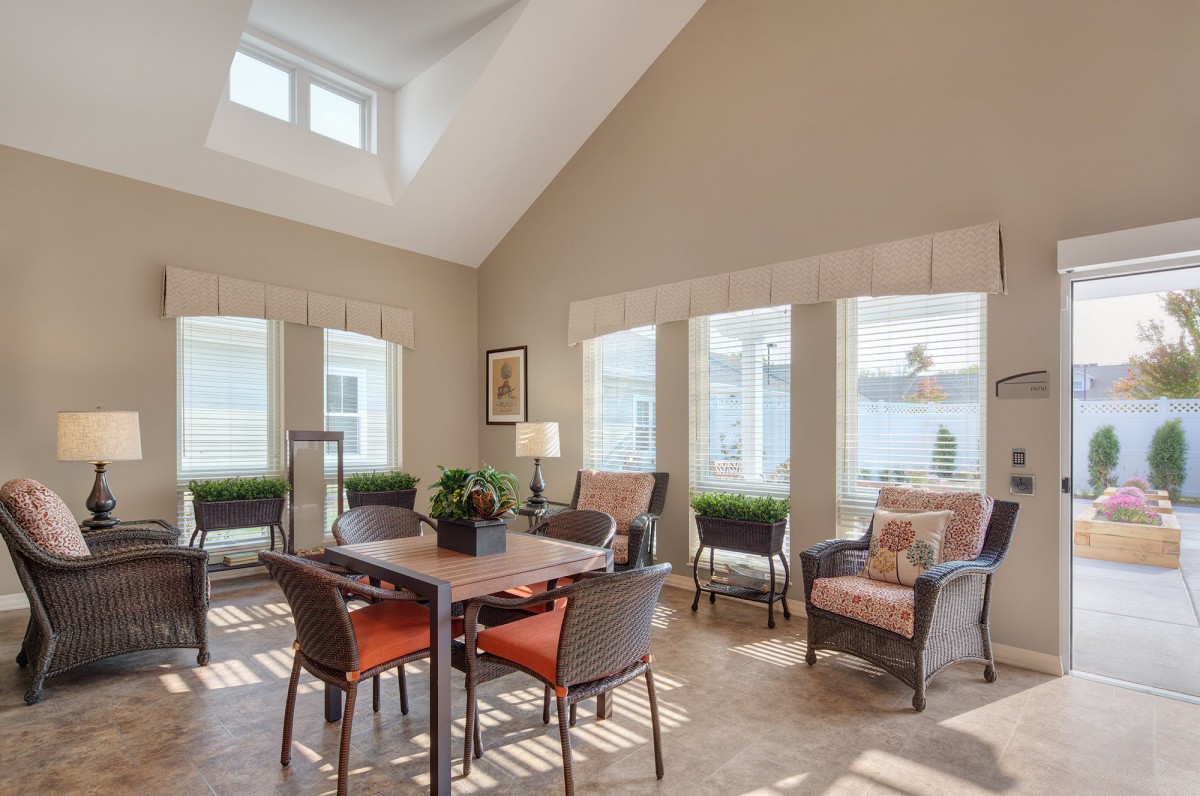
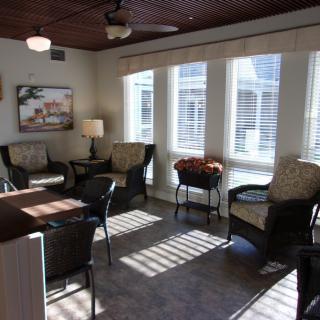
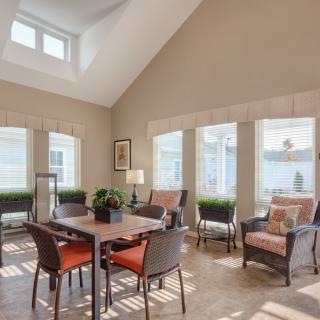
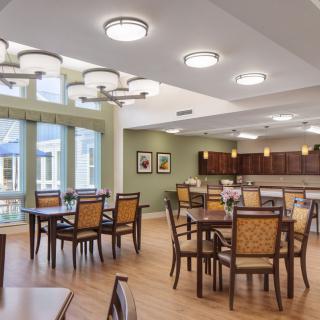
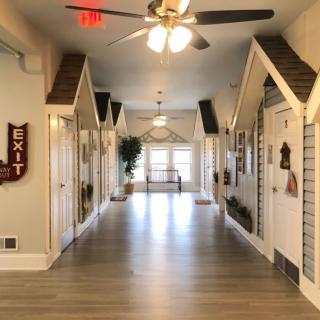
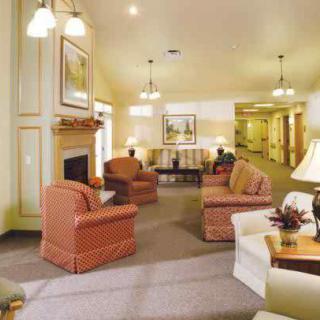
Several reviews praise the facility as clean and well kept, including hallways and common areas, and some call out cleanliness during ongoing residence. Multiple reviewers also describe the building feeling spacious rather than cramped, with bright windows and large hallways. Even when critiques appear, many comments still reference a maintained physical environment alongside concerns about specific day-to-day moments.
differentiator10 reviews mention this
Dining quality with mixed experiences
Dining is offered with chef-led preparation, and residents’ experiences vary.
Some families say the food is good, meals are served with choices, and staff takes time to feed residents who need assistance. Others describe problems such as meals cooling quickly and meals needing better reheating support for residents who require help. Overall, dining shows up as both a highlight and a recurring point where families want more attention and coordination.
caveat3 reviews mention this
Costs feel tied to care needs
Pricing is a recurring concern, especially when care needs change.
One reviewer appreciates the idea of a single, stable price, while another connects higher rent to what they describe as custodial-level care. Elsewhere, reviews also connect budget pressures to staffing and meal attention, suggesting tradeoffs that can affect daily experience. If you’re evaluating fit, these comments point to asking detailed questions about what’s included and how support changes as needs evolve.
How we summarize
Counts show how many written reviews mention each theme; a review can touch several themes, and only frequently mentioned themes are displayed.
Features
Types of Care
Memory Care
Amenities
Activities off-site
Activities on-site
Air-conditioning
Beautician on-site
Cable or satellite TV
Devotional services on-site
Ground floor units
Handicap accessible
Indoor common areas
Outdoor common areas
Respite or short term stays offered
Wheelchair accessible showers
Wi-Fi/high-speed internet available
Care Services
Ambulatory care
Diabetic care
High acuity care
Incontinence care
Medication management
Dining
Guest meals
Meals provided
Professional chef
Special dining programs
Activities
Art classes
Catholic services
Cooking classes
Day trips and outings
Devotional activities on-site
Educational speakers / life long learning
Happy hour
Live dance or theater performances
Live musical performances
Live well programs
Stretching classes
Yoga / chair yoga
Nearby Places of Interest
This part of McHenry, Illinois, offers a convenient and accessible location for senior living. With a variety of physicians, pharmacies, and hospitals within close proximity, residents can easily access healthcare services when needed. The area also boasts a selection of dining options ranging from fast food to sit-down restaurants, providing plenty of choices for meals. For leisure activities, several parks are nearby for enjoying nature and outdoor recreation. Additionally, the presence of the McHenry Outdoor Theater offers entertainment options for those interested in movies. Overall, this neighborhood provides a well-rounded living environment with essential amenities and services readily available.
Physicians
Albi Qeli (0.6 miles)
Deepak Mitra MD (1.2 miles)
Sanjukta Mitra M.D. (1.2 miles)
Dallas-Prunskis Terri MD (1.3 miles)
Fox Ridge Medical Asso (1.3 miles)
Jeffrey Jeffrey Tomlin Tomlin MD (1.3 miles)
Northwestern Medicine Diagnostic Imaging McHenry (1.4 miles)
White Oaks Memory Care of McHenry offers competitive pricing for its services, particularly when compared to the surrounding McHenry County and the broader state of Illinois. For a semi-private room, residents can expect to pay $4,650 per month, which is notably lower than the county average of $4,970 and significantly more affordable than the state average of $5,146. In contrast, the cost for a studio room at White Oaks stands at $7,200, which is higher than both the county's average of $5,004 and Illinois' state average of $4,028. This pricing structure highlights White Oaks as an attractive option for those seeking quality memory care in a supportive environment while still providing value relative to local and state benchmarks.
White Oaks Memory Care of McHenry's medication management ensures residents receive their prescribed medications on time and in the correct dosage, which is crucial for maintaining their overall health and minimizing symptoms associated with dementia or Alzheimer's disease. This diligent oversight helps to prevent potential confusion or missed doses, thereby promoting stability in their cognitive function. Additionally, incontinence care is thoughtfully provided to ensure residents feel dignified and comfortable. Addressing this sensitive issue not only enhances their physical well-being but also reduces embarrassment and anxiety, allowing them to focus more on social interactions and activities tailored to their cognitive levels. Together, these features create a supportive environment that fosters dignity and individual care for those facing the challenges of memory-related illnesses.
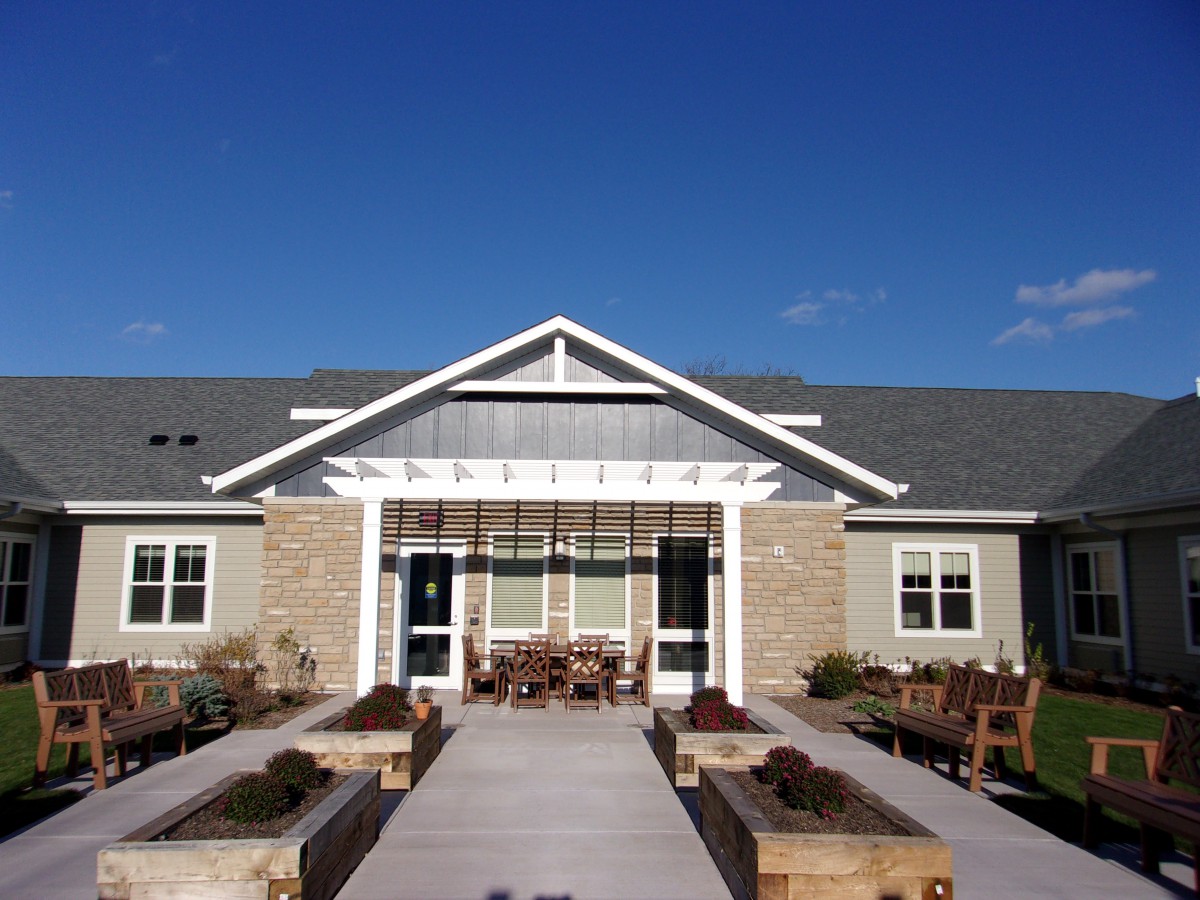
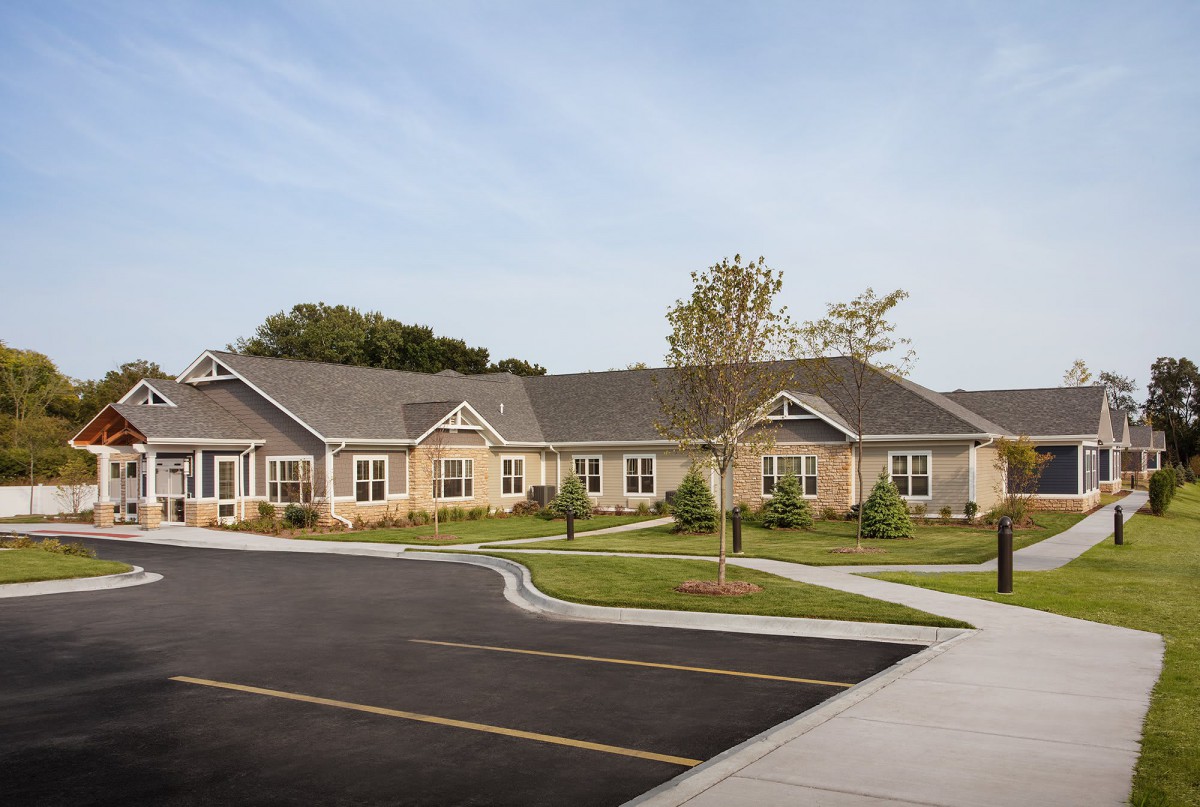
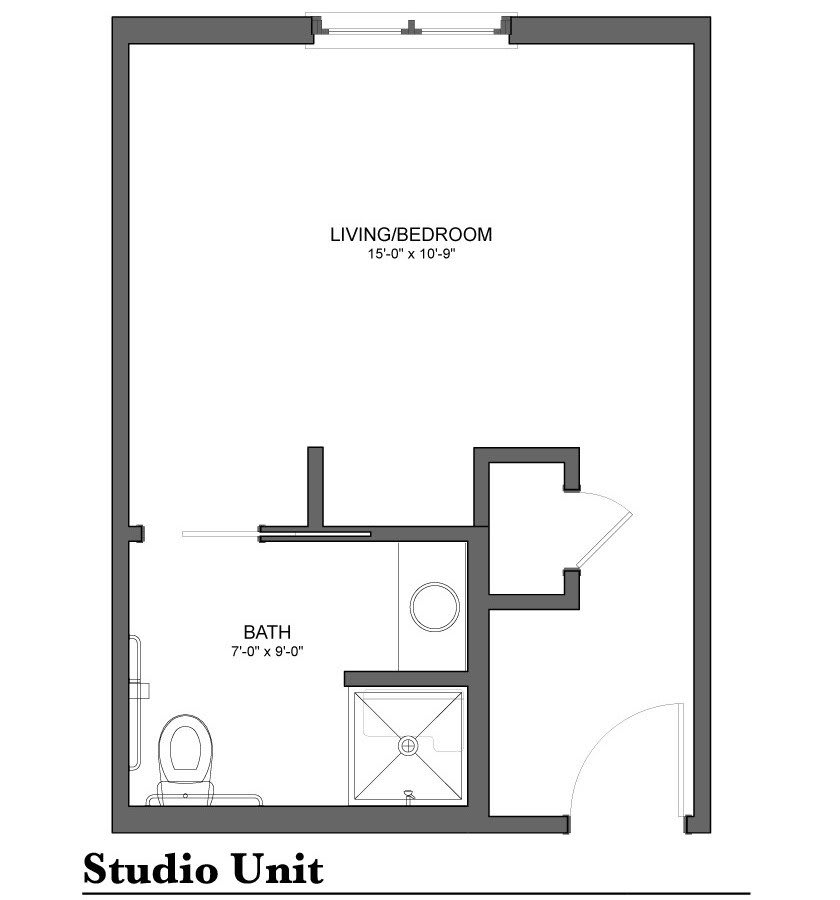
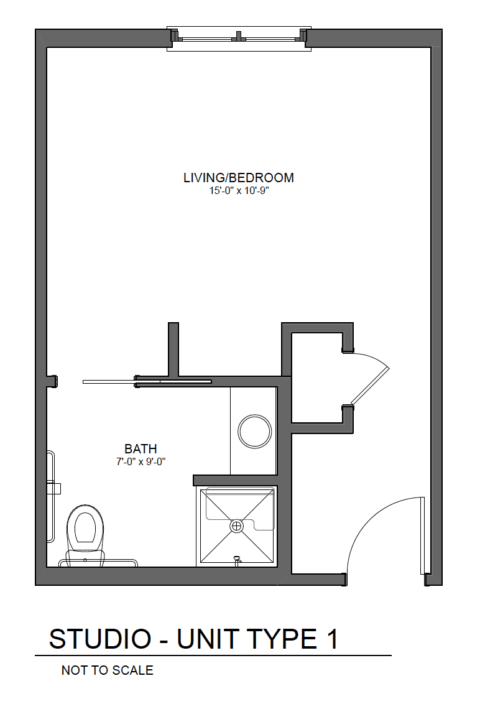
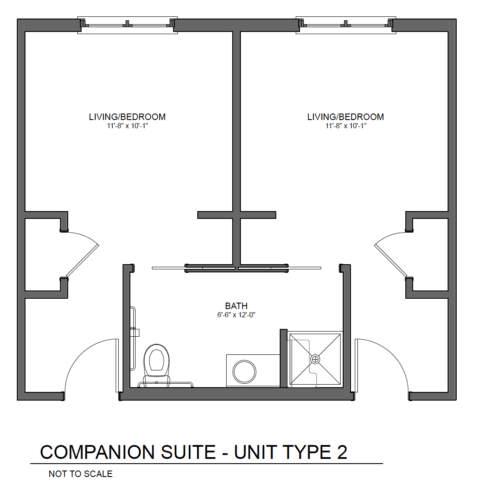
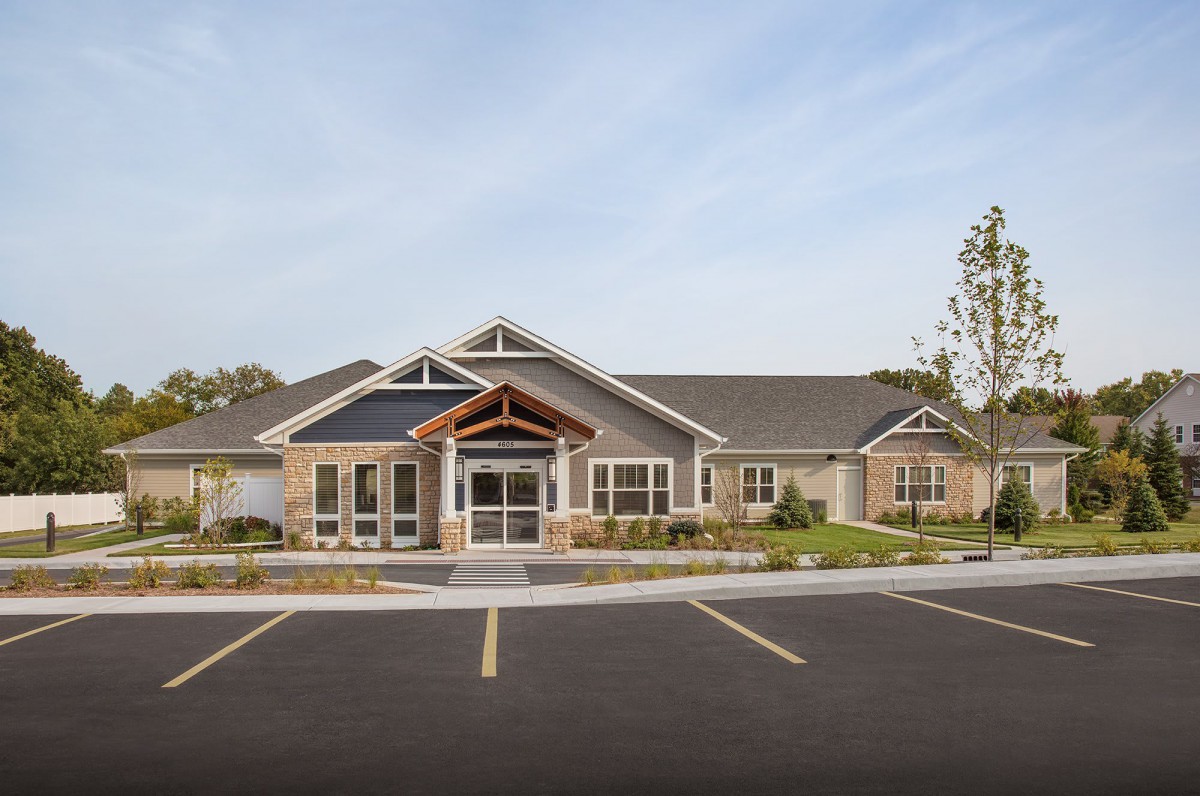
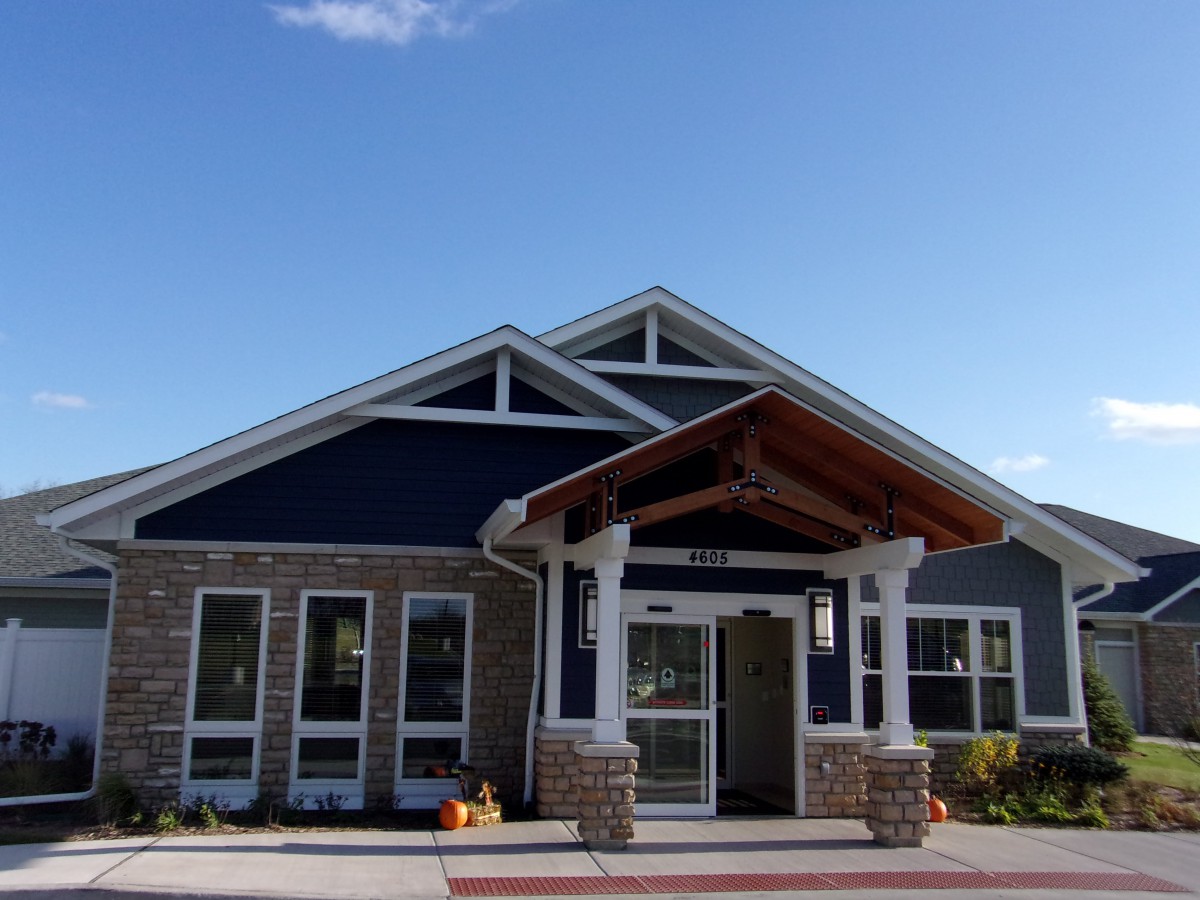
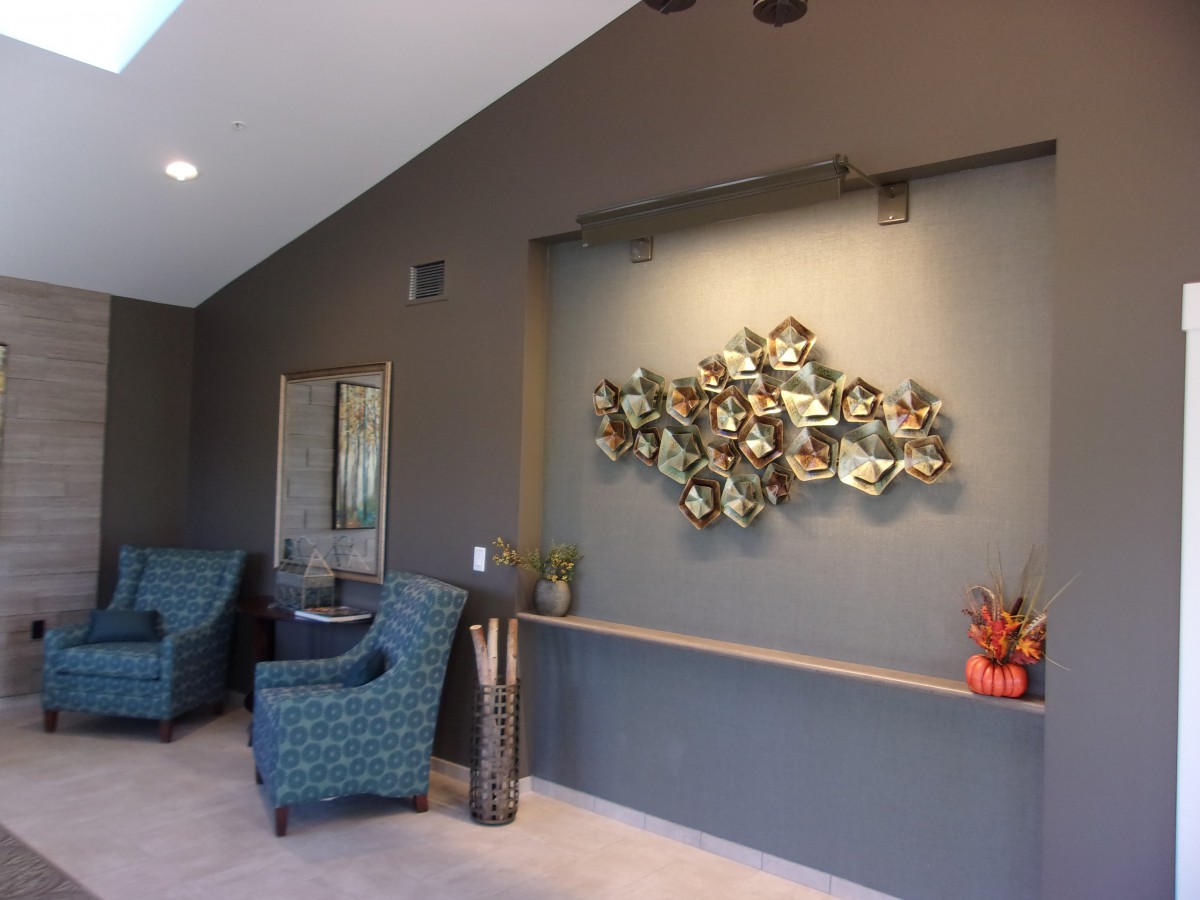
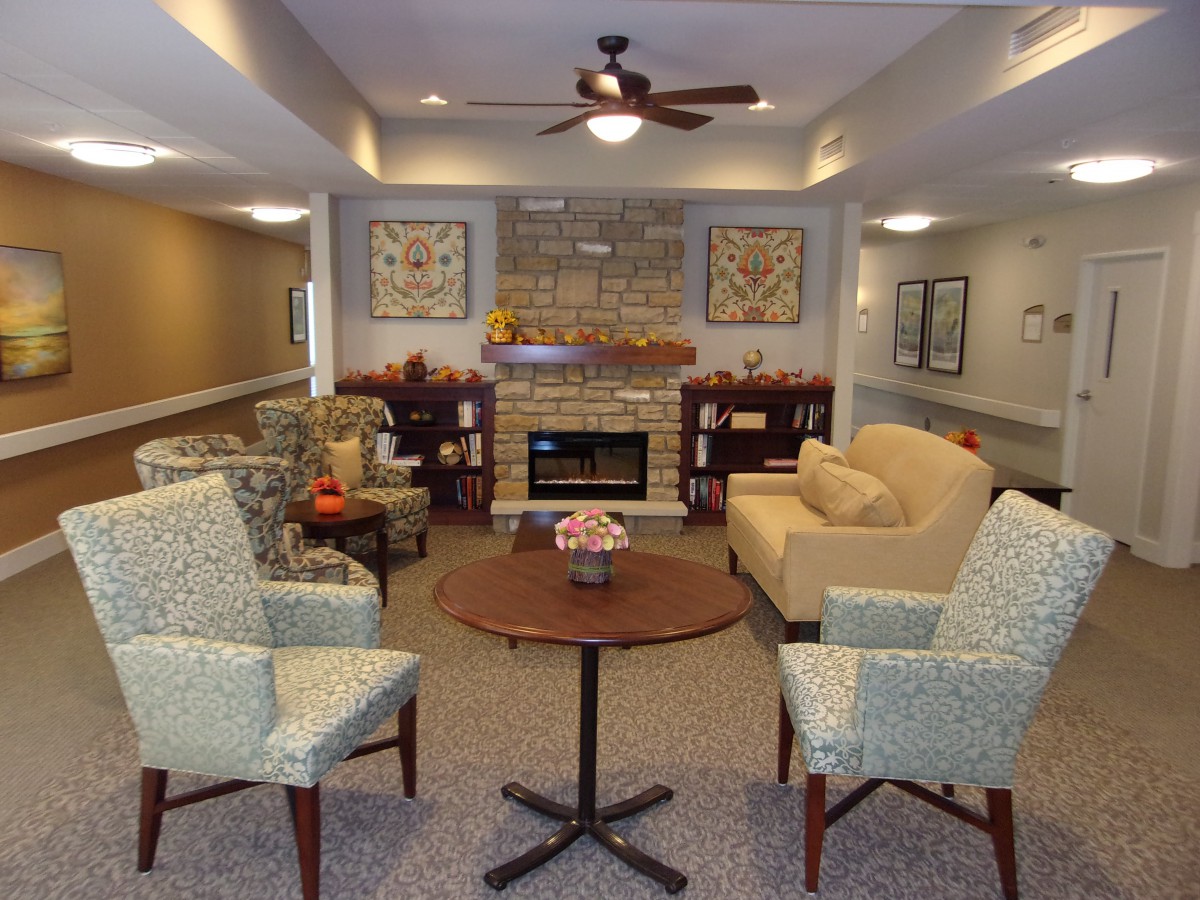
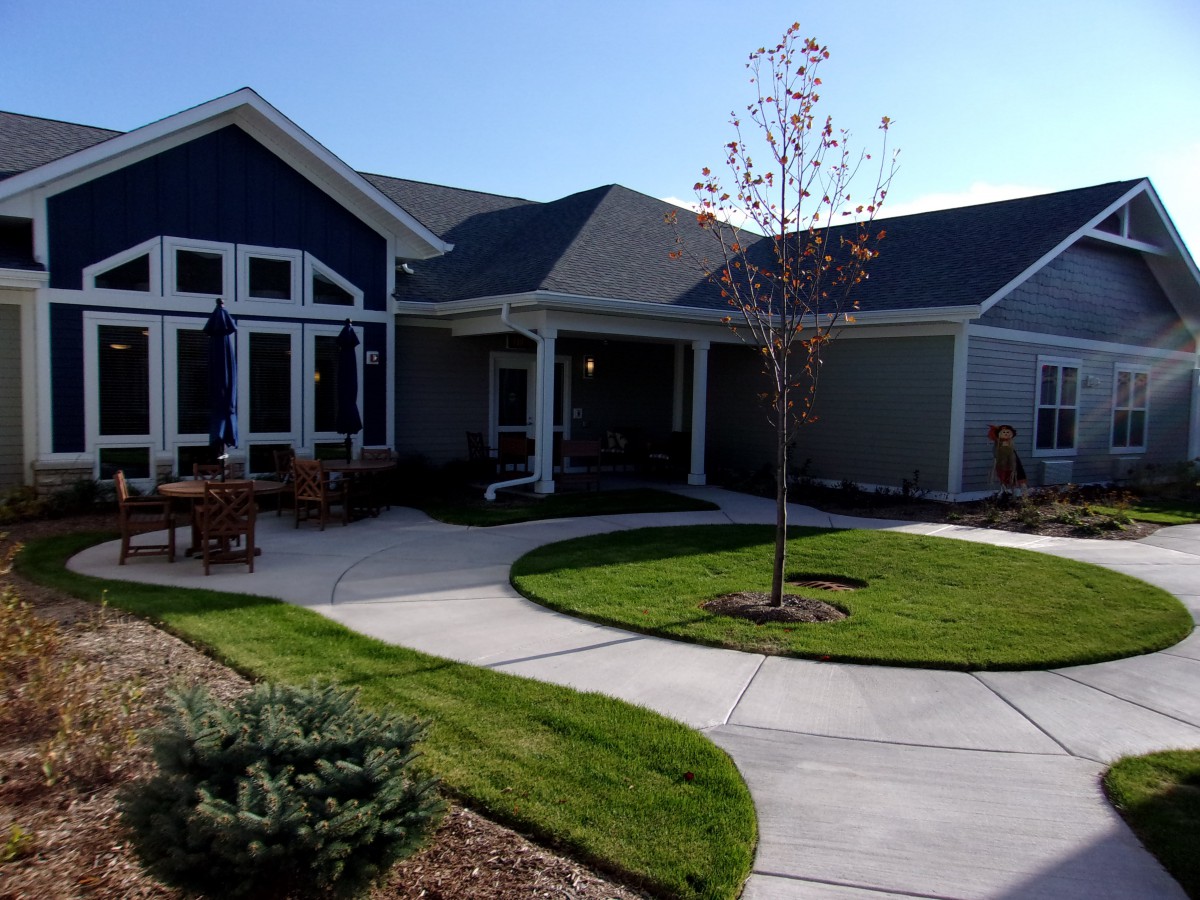
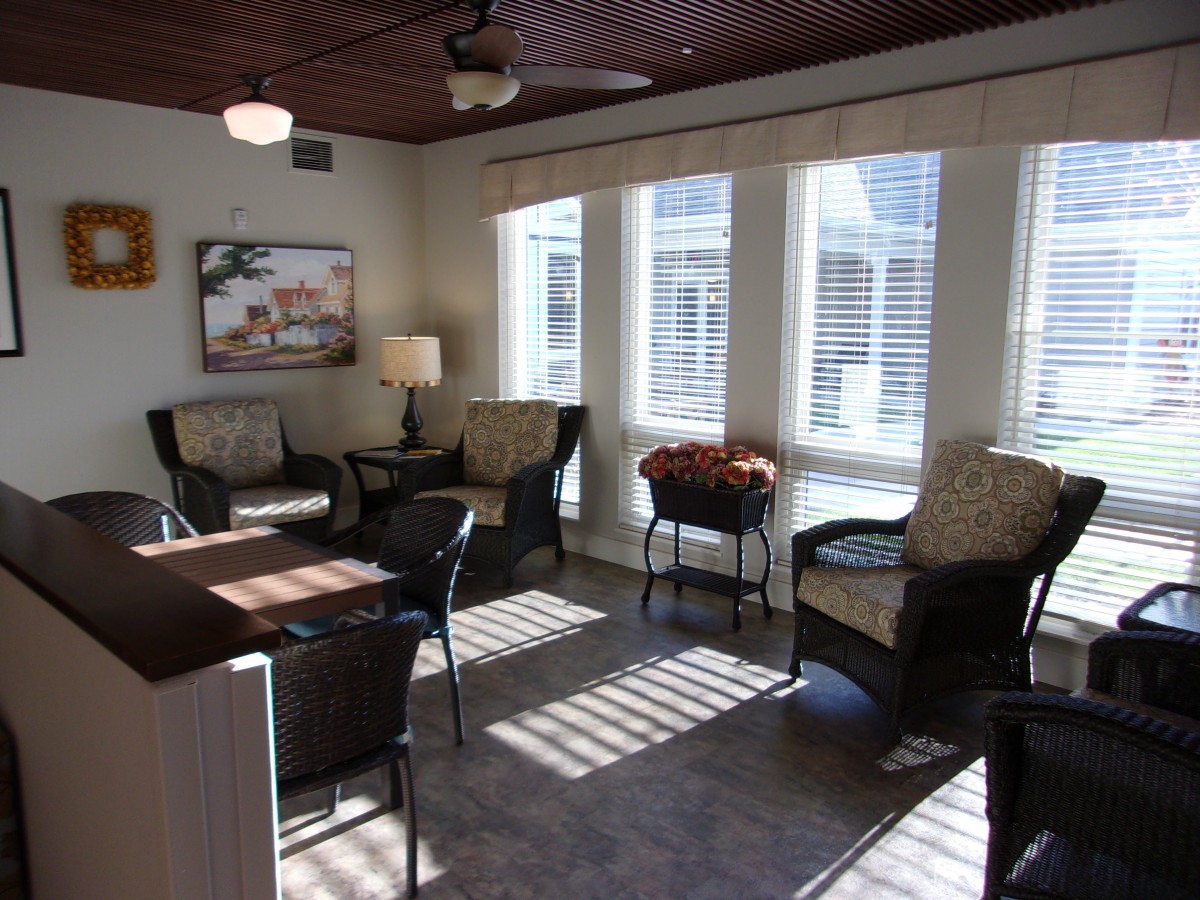
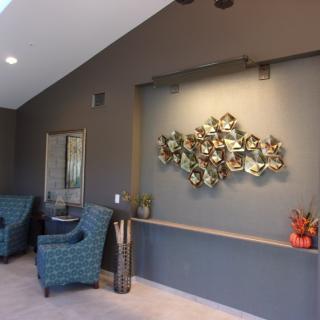
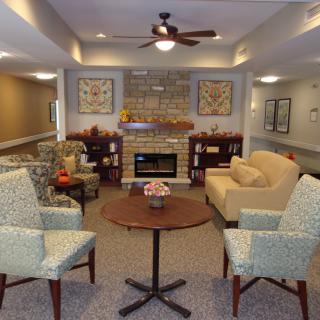
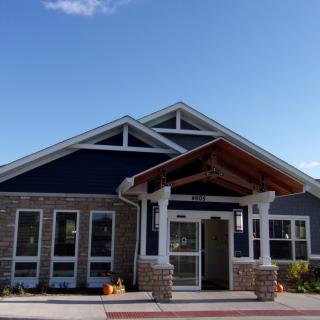
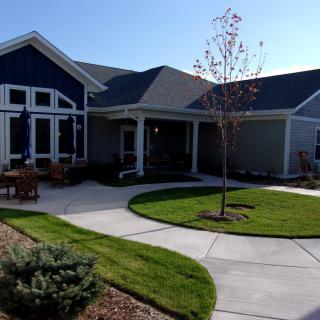
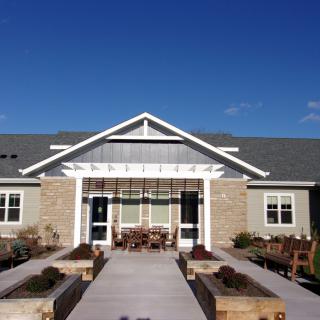
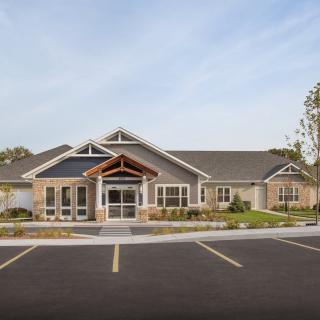
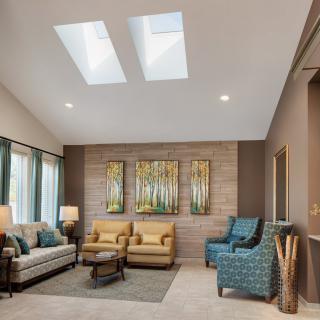
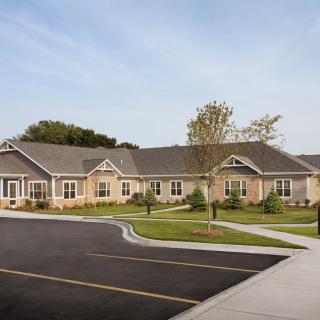
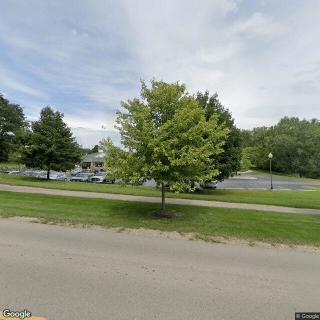
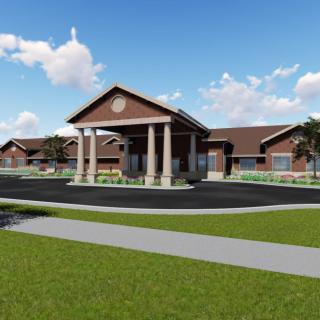
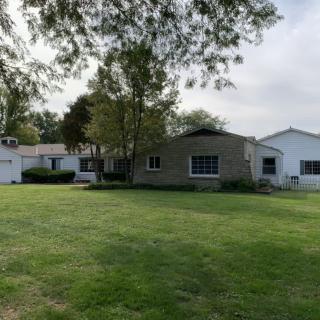
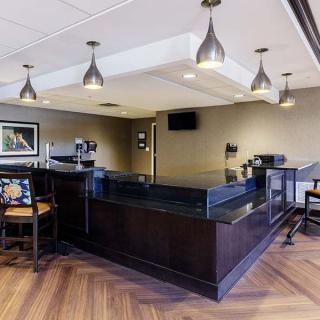
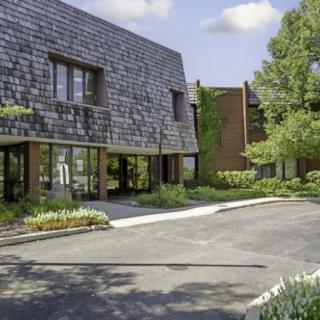
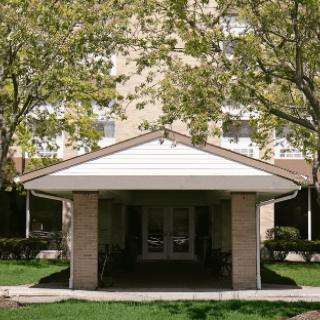
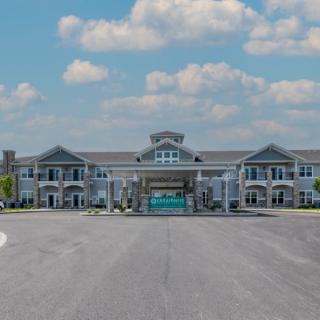
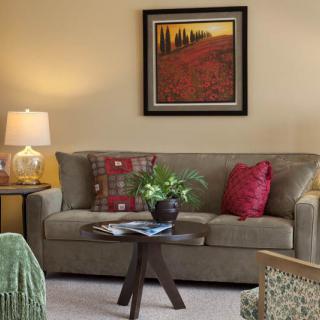
White Oaks Memory Care of McHenry on seniors.fyi includes 16 photos including images showing architecture, floor plan, interior, building, bathroom, seating area, living room, landscaping, and more.
Nearby Communities
White Oaks at McHenry
Mc Henry, IL
4.7 from 41 reviews
Excellent staff care with engaging memory-care activities in a safe, convenient layout.
Heritage Woods Of Mc Henry
Mc Henry, IL
4.2 from 41 reviews
$5,050 to $5,625 / month
Friendly, helpful staff in a clean, homey setting with Medicaid acceptance.
Alden Terrace Of Mchenry Rehab
Mchenry, IL
2.8 from 65 reviews
Caring, attentive staff (nurses, CNAs, therapists) and engaging rehab activities.
Active Assistance Corp
McHenry, IL
$5,400 / month
Private rooms with on-site/off-site activities and vegetarian dining.
Riverside Residence
McHenry, IL
4.5 from 45 reviews
$2,150 to $3,200 / month
Scenic Fox River location with friendly staff, strong sense of community, and affordable dining/activities.
Fox Point Manor
Mc Henry, IL
4.2 from 50 reviews
Specialized memory care programming with 24/7 supervision and comprehensive dementia services.
Cedarhurst of McHenry
McHenry, IL
4.4 from 45 reviews
$3,975 to $5,650 / month
Caring staff, well-maintained facility, and engaging activities.
Randall Residence of McHenry
Mc Henry, IL
4.4 from 119 reviews
$2,600 to $3,900 / month
Welcoming staff with a strong sense of community and spacious, well-appointed apartments.
The Fountains At Crystal Lake
Crystal Lake, IL
4.8 from 152 reviews
Warm, attentive staff and a strong sense of community with engaging activities.
Dementia, influenced by aging and certain medications, may be exacerbated by drug classes such as anticholinergics, benzodiazepines, and antipsychotics, which are associated with cognitive impairment. Regular medication reviews by healthcare professionals are crucial for older adults to manage risks and optimize cognitive health.
Dementia often results in disrupted sleep patterns, leading to excessive daytime sleeping due to factors like brain damage affecting circadian rhythms, medication side effects, and lack of structure in daily activities. Caregivers must monitor these changes closely, as oversleeping can increase risks such as malnutrition or dehydration, and provide necessary support and routines to enhance patient engagement and well-being.
The transition from assisted living to skilled nursing care is often prompted by complex medical needs that assisted living cannot meet, with key indicators including frequent health declines, increased falls, severe memory issues, and caregiver burnout. Families should recognize these signs early to discuss options with healthcare providers and prepare for the emotional and logistical aspects of moving to a facility that offers comprehensive medical support.
Living Space, Architectural Drawing, and Room Layout
Get PricingAsk A QuestionSchedule A TourContact Senior Advisor
By clicking submit, you agree to our Partner's Terms of Use. You
also consent to receive calls and texts, which may be autodialed, from our Partner. Your consent is not a condition to
using our Partner's service. Please visit our Partner's Privacy Policy for information about their privacy practices.

 Memory Care
 Activities off-site
 Air-conditioning
 Beautician on-site
 Cable or satellite TV
 Devotional services on-site
 Ground floor units
 Handicap accessible
 Indoor common areas
 Outdoor common areas
 Respite or short term stays offered
 Wheelchair accessible showers
 Wi-Fi/high-speed internet available
 Ambulatory care
 Diabetic care
 High acuity care
 Incontinence care
 Medication management
 Guest meals
 Art classes
 Catholic services
 Cooking classes
 Day trips and outings
 Educational speakers / life long learning
 Happy hour
 Live dance or theater performances
 Live musical performances
 Live well programs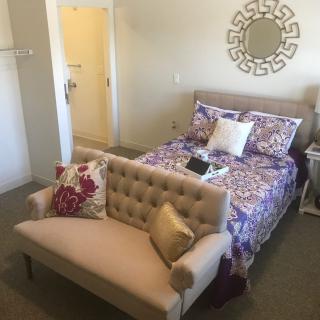
 Excellent staff care with engaging memory-care activities in a safe, convenient layout.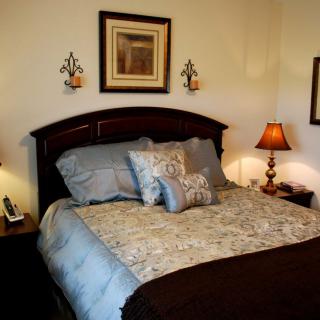

 A Thorough Discussion of Medications Potentially Linked to Dementia Risk
 Why Do Dementia Patients Sleep So Much? Understanding Oversleeping, Stages, and Care Approaches
 8 Key Indicators That Suggest It May Be Time to Transition from Assisted Living to Skilled Nursing Care