
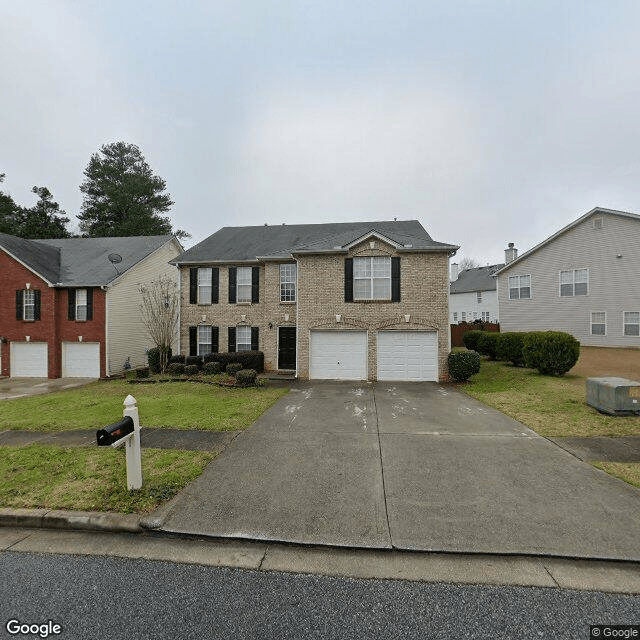
3079 Rusticwood Drive, Snellville, GA 30078
To contact a resident: (770) 979-9581
For more information about senior living options: (866) 208-4318
Precup Personal Care Home II Costs & Pricing
Precup Personal Care Home II stands out as an affordable option for assisted living, particularly in comparison to the costs associated with similar facilities in Gwinnett County and across Georgia. The monthly rates at Precup are notably lower: semi-private rooms are available for $1,500, which is significantly less than the county's average of $2,530 and the state average of $2,529. Additionally, residents choosing a one-bedroom option will pay $1,750 at Precup, compared to much higher rates of $3,647 in Gwinnett County and $3,412 statewide. For those seeking private accommodations, Precup's rate of $1,850 remains competitive against county and state averages of $2,551 and $2,864 respectively. Overall, Precup Personal Care Home II offers exceptional value while maintaining quality care for its residents.
| Floor plans | Precup Personal Care Home II | Gwinnett County | Georgia |
|---|---|---|---|
| Semi-Private | $1,500 | $2,530 | $2,529 |
| 1 Bedroom | $1,750 | $3,647 | $3,412 |
| Private | $1,850 | $2,551 | $2,864 |
Memory care communities with a similar price nearby
-
from -$150 / mo
Le'glen Personal Care Home
$1,350 to $2,150 / month19.1 miles away -
About the same
Harmony Home Care
$1,500 to $2,100 / month7.0 miles away -
from +$275 / mo

Senior Living At Mercy's Point
$1,775 to $1,875 / month8.8 miles away -
About the same

Joy's Manor Pch
$1,500 to $4,000 / month13.4 miles away -
About the same

Optimum Care Home
$1,500 to $2,500 / month22.9 miles away
Overall Review of Precup Personal Care Home II
Pros
 Mirela is described as born to be a caregiver, delivering incredibly thoughtful care.
- She thinks of every detail, is easy to talk to, and addresses every concern.
- She provides lots of home-cooked meals with high-quality ingredients, helping her dad be at his best.
- She is very helpful at monitoring care with a remote camera in the room.
- Precup Personal Care Home is noted for being informative and generous with guidance, even when full.
- Mirella and her staff are highly recommended for their loving, caring, and attentive care.
Cons
 They found it difficult to get in touch; after calling the listed number, leaving a voicemail, and sending an email, they never received an answer.
Review
This community is best suited for families seeking an intensely personal, caregiver-led living environment in a small, home-like setting. It thrives where the human touch matters most: meticulous day-to-day attention, real home-care warmth, and a kitchen that turns out thoughtful, high-quality meals. Families prioritizing a strong, familiar presence from caregivers will find the most value here, especially when a resident benefits from steady monitoring and open lines for family involvement. The standout is Mirela, whose approach blends deep empathy with practical, detail-oriented care that aims to keep a loved one at their best. For households that want a setting that feels less clinical and more like a well-supported residence, this option is compelling.
Those weighing alternatives should consider the reality that this home operates on a smaller, less formal footprint. The same strengths, personal attention, daily consistency, and accessible cooking, can be offset by a less predictable flow of information and occupancy constraints. A notable portion of reviews point to difficulty in reaching the facility by phone or email, with at least one instance of being unable to connect despite leaving messages. For families that require rapid, reliable communication and guaranteed admission timelines, a larger, more centralized facility or one with a robust admissions team may be a better fit. The caveat is that such options may feel less intimate and home-centered, which could be a deal-breaker for some.
The most persuasive positives center on Mirela’s leadership and the care culture she embodies. The care feels deliberate and anticipatory, caregivers who think through needs before they arise, and routines that respect the resident’s preferences and history. Meal quality stands out: home-cooked dishes with high-quality ingredients that contribute to a sense of normalcy and comfort for residents who value familiar, nourishing food. The ability to monitor a loved one remotely via a camera in the room adds a practical layer for families who want ongoing reassurance without being invasive. In short, the care team translates compassion into dependable, day-to-day stability that can meaningfully improve quality of life.
Equally persuasive are the personal testimonies about warmth and reliability. A reviewer who spoke with Precup personally emphasized straightforward, no-nonsense guidance about what to look for in this journey, and the impression that real, practical help is available even before a resident becomes a client. That authenticity, “no fluff, just care”, gets reinforced by families whose loved ones were welcomed with open arms during difficult transitions. The positive comparison to a prior facility, where care had fallen short, is notable: the current team, led by Mirela, provided a different, more compassionate standard during a critical period. For families seeking trust and continuity, these narratives carry meaningful weight.
Still, the lived experience here rewards those who do not require constant, highly structured scheduling or intensive medical oversight. The pros, authentic presence, home-style lighting, and a caregiver-driven cadence, often compensate for the less formal touchpoints. The setting works best for residents who flourish with individualized routines, ongoing monitoring that doesn’t feel intrusive, and a family-friendly, low-ambiguity atmosphere. Those who need frequent clinical coordination, diversified therapy programs, or rapid administrative responsiveness may find the environment less aligned with their expectations. The balance hinges on a clear preference for intimacy and personal care over institutional scale and speed.
In final judgment, Precup Personal Care Home II presents a disciplined value proposition for decision-makers prioritizing genuine caregiver engagement and a home-like ambiance. It is a strong match for seniors who respond to consistent, attentive daily care, nourishing meals, and transparent, if occasionally delayed, communication when a trusted caregiver is at the helm. The primary caveat is accessibility, getting a timely response can be uneven, and occupancy realities may affect admission timing. If these trade-offs fit the family’s risk tolerance and the resident’s needs, this community stands out as a practical, reliable choice. If rapid communication and broad clinical support are non-negotiable, stepping toward other options with bigger teams and structured channels will likely yield a smoother alignment.
 Board and Care Home
 Memory Care
 Private


 A Detailed Exploration of Assisted Living Medicaid Waivers Across the United States
 Exploring the Contrasts Between Assisted Living and Skilled Nursing
 Vibrant Senior Living: A Comprehensive Guide for Active Older Adults