

2200 Woodberry Lane, Marietta, GA 30067
To contact a resident: (678) 520-9523
For more information about senior living options: (866) 208-4318
The Joy of Living Costs & Pricing
The Joy of Living offers competitive pricing for its accommodations, with semi-private rooms available at $2,500 per month, slightly exceeding the Cobb County average of $2,367 but remaining lower than the state average of $2,529 for similar arrangements. For those seeking more privacy, private rooms are priced at $4,000 monthly, which is notably higher than both the county's average of $2,788 and Georgia's state average of $2,864. While The Joy of Living may be positioned at a premium in the private room category, its overall pricing structure reflects an emphasis on quality care and personalized living experiences that many residents find invaluable.
| Floor plans | The Joy of Living | Cobb County | Georgia |
|---|---|---|---|
| Semi-Private | $2,500 | $2,367 | $2,529 |
| Private | $4,000 | $2,788 | $2,864 |
Memory care communities with a similar price nearby
-
from -$400 / mo
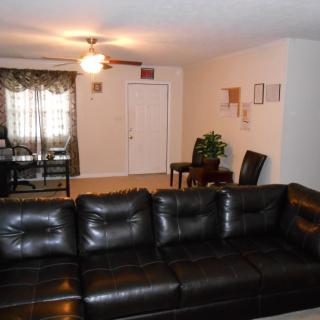
Premium Personal Care Home
$2,100 to $2,850 / month8.3 miles away -
About the same

Serenity Living Personal Care Home
$2,500 to $4,050 / month17.5 miles away -
from -$400 / mo
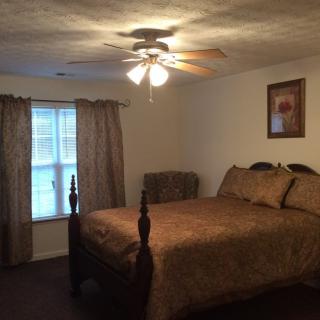
Abiding Care Home
$2,100 / month24.3 miles away -
About the same
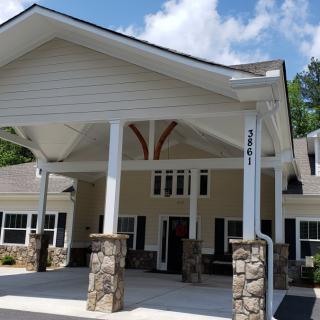
Green Park at Kennesaw
$2,500 to $5,500 / month8.4 miles away -
from -$200 / mo
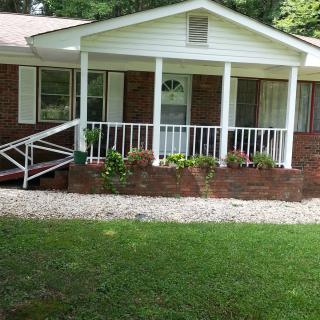
Comfort Care Personal Care Home
$2,300 / month22.2 miles away
Overall Review of The Joy of Living
Pros
 The ownership is very friendly and involved, giving The Joy Senior Living a family feel.
- Mellissa, the Executive Director, is wonderful and nurtures a culture rooted in genuine care.
- The caregivers are attentive and compassionate.
- The Joy Senior Living provides peace of mind that a loved one will be well taken care of.
- The staff are engaging and the owners are friendly and approachable.
- The meals are thoughtfully prepared, with residents looking forward to dinner.
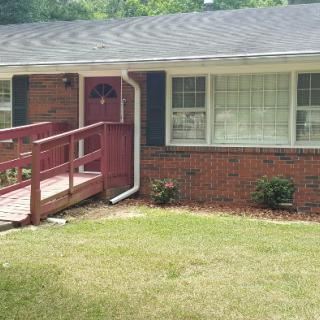
- The facility is beautiful, clean, and welcoming with a warm ambiance.
- The Director is professional and engaging, supporting social interaction for residents.
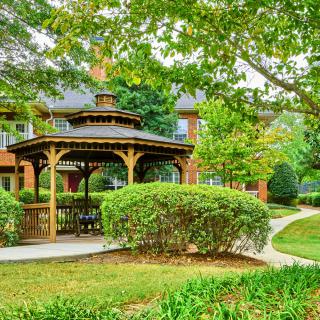
- The Joy Senior Living offers appealing amenities like a community garden, walking trails, pet therapy days, and bingo.
Cons
 They do not recommend putting a loved one here.
- They gave residents only four pieces of fish sticks and a handful of mandarins in syrup for lunch.
- The care at the other facilities was described as negligent, with caregivers not caring and the resident wandering away.
Review
The Joy of Living is best suited for families seeking a warm, family-style memory care or assisted living option in which leadership is visibly invested and daily care feels personal. This community excels for residents who benefit from a home-like atmosphere, ongoing engagement, and reassuring oversight by owners and an attentive executive director. It is especially well-suited for memory care residents who respond to routine, meaningful interaction with staff, and a setting that prioritizes comfort, nightly routines, and a sense of belonging. Families valuing a transparent, hands-on leadership team, where owners are accessible and know the caregivers by name, will find peace of mind here.
There are clear reasons to consider alternatives depending on a few priorities. For families whose loved one requires highly clinical medical oversight, more formalized or physician-driven care on-site, or a setting with stricter medical protocols, other options may deliver a closer fit. Those who place a premium on consistently exceptional meal quality as a core daily experience should verify menus and culinary standards, because at least one review cited a disappointing lunch; while other residents rave about meals, it’s wise to confirm ongoing menu variety and dietary accommodations before committing. Additionally, if budget pressures are dominant, or if a resident needs a very quiet, non-social environment, it is prudent to compare cost structures and social programming against alternatives with different emphases.
The strongest advantages here are concrete and meaningful. Ownership involvement translates into a genuine sense of family, caregivers are described as attentive and compassionate, and the executive director is seen as nurturing a culture of authentic care. The day-to-day experience is enhanced by staff engagement with residents, a routine that includes bedtime care and comforting rituals that many families crave after difficult transitions from long-time homes. The setting itself supports safety and vitality: an inviting, well-kept facility with clean spaces, thoughtful meal experiences, and amenities that promote participation, such as a community garden, walking opportunities, and pet therapy days. The capacity for staff to tailor activities, keep residents socially connected, and respond quickly to needs is repeatedly highlighted, creating substantial peace of mind for worried families.
Yet, a singular negative report cannot be ignored, and it anchors the need for careful due diligence. One reviewer criticized lunch offerings, suggesting the food quality did not align with the perceived value of care. Viewed in the broader context of consistent praise for meals elsewhere in the feedback, this isolated concern underscores the importance of verifying current kitchen leadership, sample menus, and the ability to accommodate special diets or preferences. Prospective families should request a meal to sample during a tour and interview kitchen staff about menu rotation, ingredient sourcing, and flexibility for individual residents’ tastes. That scrutiny is a small price for avoiding surprises after move-in and for ensuring nutrition aligns with the overall care philosophy.
A recurring theme in the positive feedback is the emphasis on connection and meaningful activity. The community’s social programming, bingo, pet therapy, and active engagement, appears to reduce isolation and supports cognitive and emotional well-being for residents who thrive on interaction. Families frequently mention how the directors and caregivers “go above and beyond,” with examples like helping families with logistics, or personally ensuring a resident feels at home at night. These elements, together with a well-designed environment, spacious common areas, and a genuine sense of belonging, offset potential drawbacks by delivering a consistent, comfortable daily rhythm that many seniors crave as they age in place.
In comparing The Joy of Living to plausible alternatives, the choice often boils down to balance: warmth, engagement, and trustworthy, hands-on leadership versus the potential need for more formal medical oversight or stricter culinary standards. For residents who benefit from a social, well-supervised setting with a clear, personal touch from owners, this community stands out as a compelling option. For those prioritizing clinical acuity, cost-conscious budgeting, or a more subdued daily tempo, it pays to examine other communities that emphasize medical staffing patterns, structured dementia programming, or more predictable meal models.
Actionable next steps help translate the promise into a confident decision. Prospective families should arrange in-person meetings with the owners and the Executive Director, observe interactions between caregivers and residents during a typical day, and request to meet frontline staff. A visit during mealtime provides a practical read on kitchen operations and portion control, while discussions about dietary accommodations should cover texture, timing, and cultural preferences. Finally, ask for recent references from families with similar care needs to gauge how the community handles transitions, nightly routines, and ongoing social engagement. When those steps confirm alignment, The Joy of Living offers a persuasive, grounded choice for those seeking a home-like, attentively run memory care community.
 Board and Care Home
 Memory Care
 Dogs allowed
 Activities off-site
 Bath tubs
 Devotional services on-site
 Private
 Respite or short term stays offered
 Wheelchair accessible showers
 William B Hartsfield-Atlanta International (21 miles away)
 Diabetic care
 Incontinence care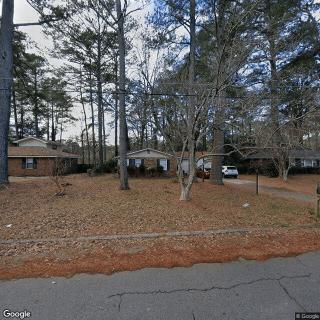





 Understanding Dementia Through Its Seven Stages: A Comprehensive Look at Progression and Expectations
 A Holistic Dementia Care Guide: Effective Strategies for Memory Support
 Comprehensive Insights into Activities of Daily Living (ADLs) and Their Assessment