
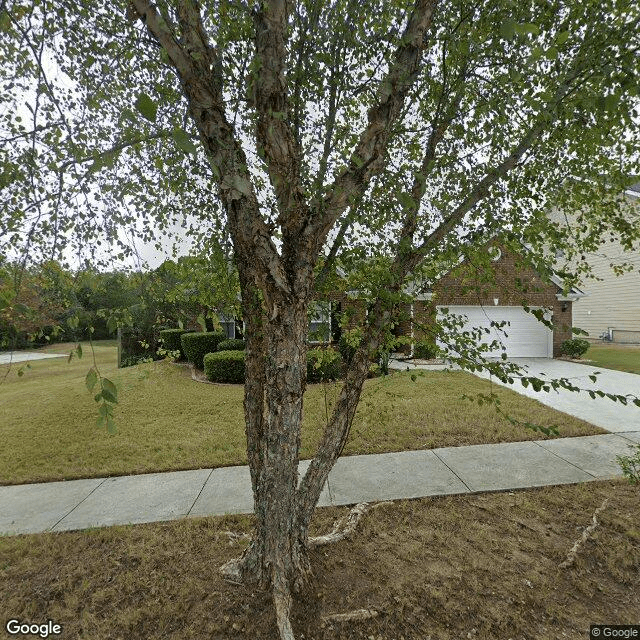
4111 Savannah Ridge Trace, Loganville, GA 30052
To contact a resident: (678) 697-1433
For more information about senior living options: (866) 208-4318
Home Sweet Home Personal Care Home Costs & Pricing
Home Sweet Home Personal Care Home offers competitive pricing for its services when compared to the average costs in Walton County and across Georgia. For semi-private accommodations, residents pay $1,800 per month, which is notably lower than the county's average of $2,304 and the state average of $2,529. Similarly, both private rooms and studio units are priced at $2,400 each, providing significant savings compared to Walton County's average of $2,643 and Georgia's average of $2,864 for private rooms. Even studio units reflect a similar trend; priced at $2,400 compared to Walton County's higher rate of $3,410 and Georgia's statewide average of $3,520. This favorable pricing structure makes Home Sweet Home Personal Care Home an appealing choice for those seeking quality personal care without the burden of excessive costs.
| Floor plans | Home Sweet Home Personal Care Home | Walton County | Georgia |
|---|---|---|---|
| Semi-Private | $1,800 | $2,304 | $2,529 |
| Private | $2,400 | $2,643 | $2,864 |
| Studio | $2,400 | $3,410 | $3,520 |
Memory care communities with a similar price nearby
-
from +$300 / mo
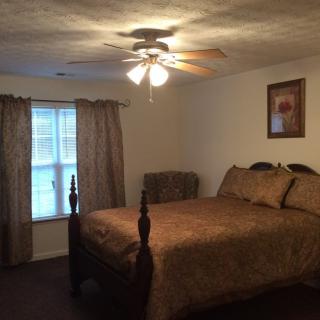
Abiding Care Home
$2,100 / month20.4 miles away -
from +$200 / mo

Omni Adult Day Care
$2,000 to $3,000 / month9.7 miles away -
from -$300 / mo
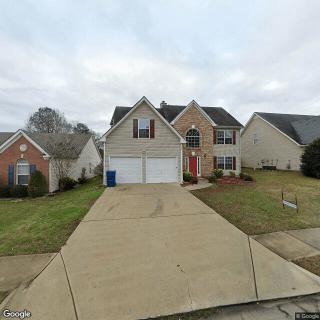
Harmony Home Care
$1,500 to $2,100 / month2.4 miles away -
from +$301 / mo
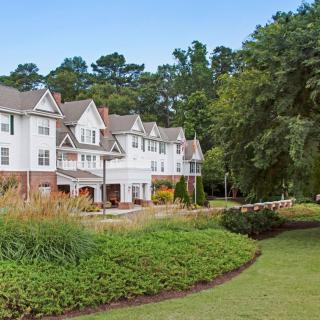
Brighton Gardens of Buckhead
$2,101 to $5,370 / month23.7 miles away -
About the same
Senior Living At Mercy's Point
$1,775 to $1,875 / month7.7 miles away
Overall Review of Home Sweet Home Personal Care Home
Pros
 They are personally involved and take excellent care of residents as if they were their own.
- They are both Eastern European doctors and bring valuable knowledge of elderly care.
- Their approach has radically improved many of the mother's conditions.
- They are kind, compassionate, and really brought the mother back for several months.
- They fulfilled the final wishes for Mom by providing the best possible care at Welcome Home.
- They are described as miracle workers and angels by family members.
- Angela is charming, very sweet, and thorough.
Cons
 The reviewer contends the facility is not suitable for loved ones who exhibit Alzheimer's-related behaviors.
- The reviewer notes that staff have difficulty or lack training in handling difficult behaviors.
- The reviewer asserts that the facility will claim extensive experience with Alzheimer’s patients and all behaviors, which the reviewer says is not the case.
- The reviewer states the facility has a bad reputation from previous owners.
Review
Home Sweet Home Personal Care Home in Loganville, GA is best suited for families seeking a small, intensely hands-on care model where a medically trained, personally involved team drives daily life and medical management for an elderly loved one. The current owners, Angela and Igor, are Eastern European doctors who have been at the helm for about four years and bring a clinical, attentive approach to senior care. Reviews consistently credit their direct involvement, deep medical knowledge, and relentless work ethic with meaningful health improvements in residents facing edema, urinary issues, gut health, and related concerns. This is a setting where care feels personal, not corporate, and where end-of-life and palliative sensitivities are treated with earnest dedication. It is the kind of place that can feel like a last, best effort at quality of life when a loved one needs constant oversight and careful symptom management.
Those who should consider alternatives are families facing pronounced behavioral challenges tied to Alzheimer’s disease or other dementias that demand formal, specialized behavioral programming. Several reviewers caution that this home may not be equipped to manage difficult behaviors, aggression, or the high-level memory-care needs that some residents require. The facility’s strengths lie in medical oversight and compassionate daily care, but the lack of a robust, structured dementia program means families dealing with persistent agitation, resistance to care, or complex behavioral strategies should survey other options. Additionally, the home’s small size, while a benefit for individualized attention, limits capacity and may constrain long-term planning for rapidly changing care needs.
The core pros, hands-on ownership, medical background, and a willingness to tailor care, largely offset the main drawbacks when the resident’s needs align with the model. Angela and Igor’s approach translates into tangible health wins for residents who respond to close medical supervision and a proactive care routine. Families repeatedly highlight improved conditions in chronic edema, infections, and gut health, with care that extends beyond routine tasks to supportive end-of-life considerations. The culture is described as kind, patient, and genuinely invested, with staff who share that commitment. Add to that the small, home-like environment and the presence of pet therapy (goats, rabbits, and even chickens for fresh eggs), and the care feels holistic rather than merely custodial. These elements collectively create a containment of risk and a high level of trust for families prioritizing medical attentiveness and personal attention.
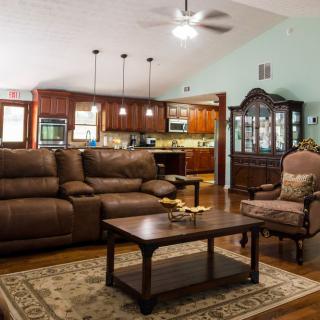
Daily life here tends toward intimate, individualized routines rather than structured, campus-like activities. Most rooms offer private bathrooms, contributing to dignity and ease of self-care, and the overall setting is clean, orderly, and calm. The staff’s character, described as caring and thorough, complements the clinical leadership, producing a rhythm that feels like a familial caregiving arrangement rather than a clinical ward. Families should anticipate a rigorous, intervention-minded approach to health concerns, paired with the flexibility and gentleness needed for dementia care at the lower-to-mid levels of severity. Those seeking a bustling, activity-rich memory-care environment or a facility with more formal dementia-focused programming may find the atmosphere here too intimate or medically oriented for long-term stability.
To evaluate fit, prospective families should schedule a comprehensive tour and insist on speaking with Angela and Igor about care planning, especially around dementia-related needs. Request a candid discussion about staff-to-resident ratios, on-site medical oversight, and how behaviors are managed when they arise. Inquire about private room availability, daily schedules, and the scope of activities to ensure they align with the resident’s preferences and cognitive level. Ask for recent care plans, progress notes, and a clear outline of emergency procedures and end-of-life options. Given the emphasis on personal care and medical supervision, confirm expectations around continuity of care during vacations or staff transitions. A visit should leave no doubt that this is a place where a loved one will receive relentless attention, within the bounds of what the model can reliably provide.
Bottom line: this community is a strong match for families seeking a small, medically oriented, highly attentive home where an elderly loved one can receive intensive symptom management and compassionate, individualized care. It shines when dementia-related needs are present but not extreme in behavioral complexity, and when a family values direct physician-led oversight and a warm, home-like setting. Those needing robust, formal memory-care programming, larger resident populations, or advanced behavioral management should look elsewhere. If choosing here, approach the decision with clear expectations: prioritize transparent care plans, verify staffing stability, and align hopes with the practical, hands-on strengths of Angela, Igor, and their team.
 Board and Care Home
 Memory Care
 Activities off-site
 Bath tubs
 Beautician on-site
 Devotional services off-site
 Indoor common areas
 Outdoor common areas
 Private
 Respite or short term stays offered
 Diabetic care
 High acuity care
 Meals provided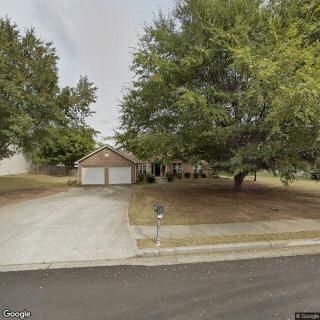


 Memory Care Pathways: A Holistic Guide to Dementia Support
 Comprehending Evening Confusion in Dementia: Causes, Manifestations, and Support
 Delirium and Dementia: Unraveling the Key Differences