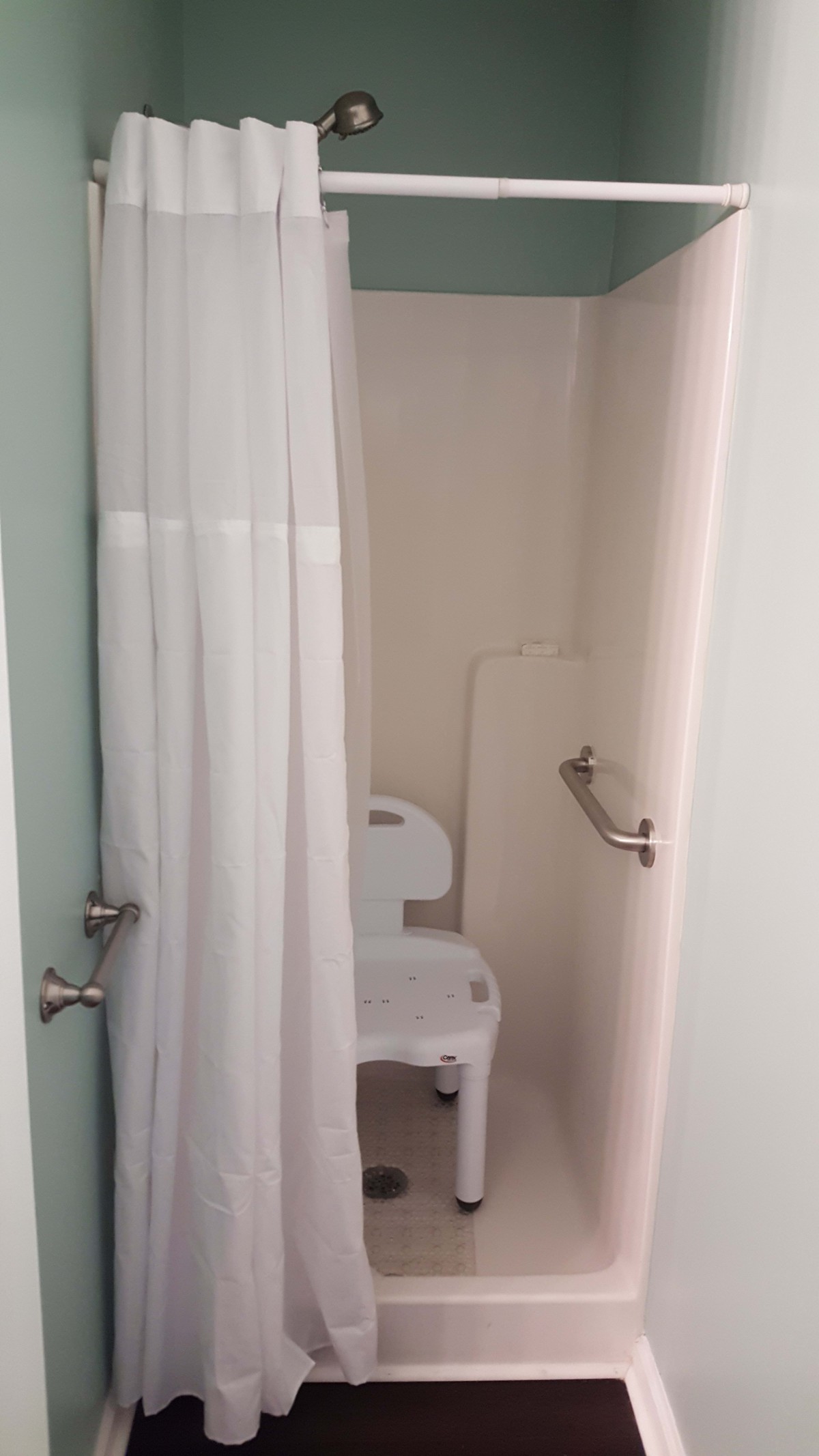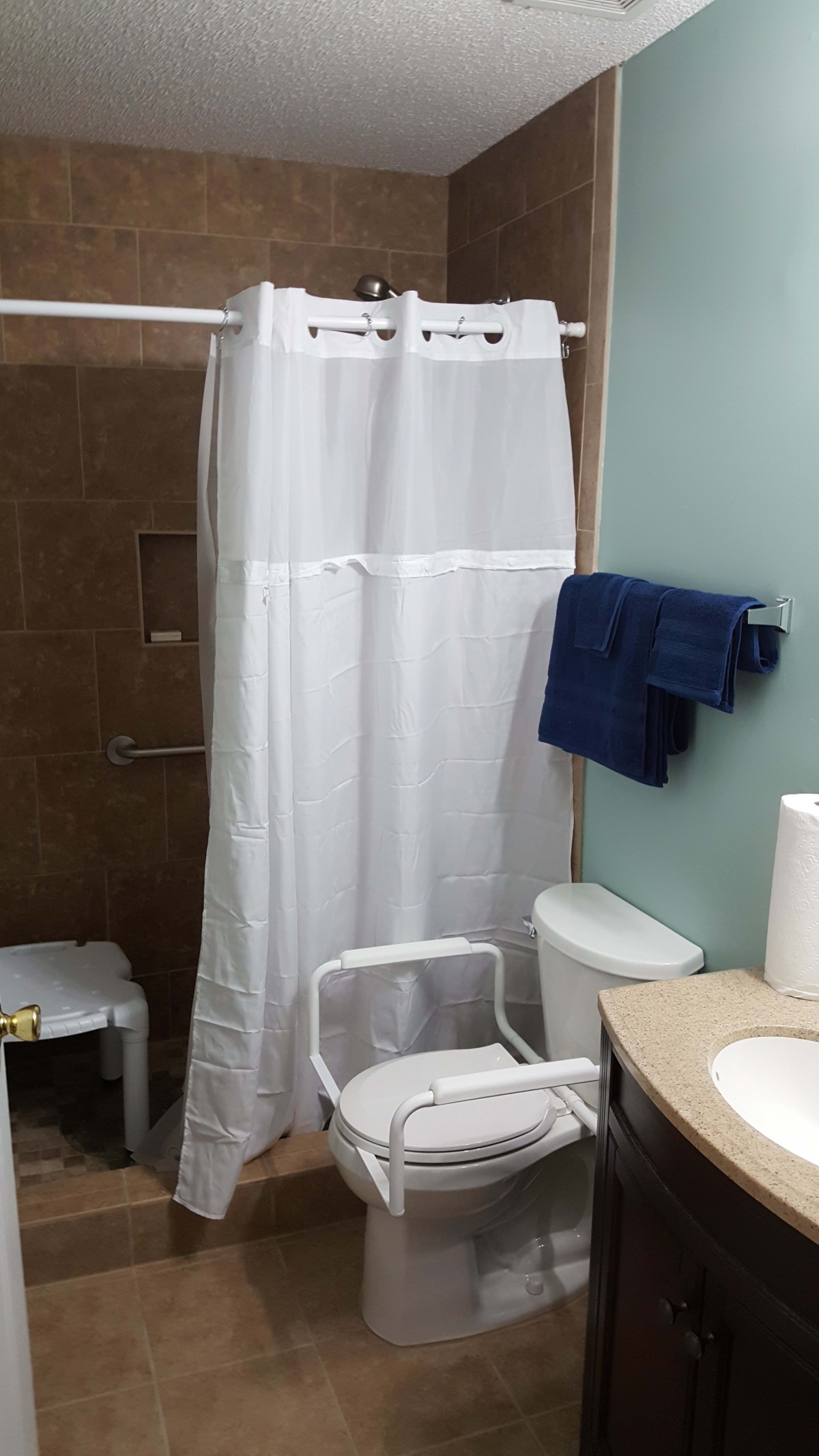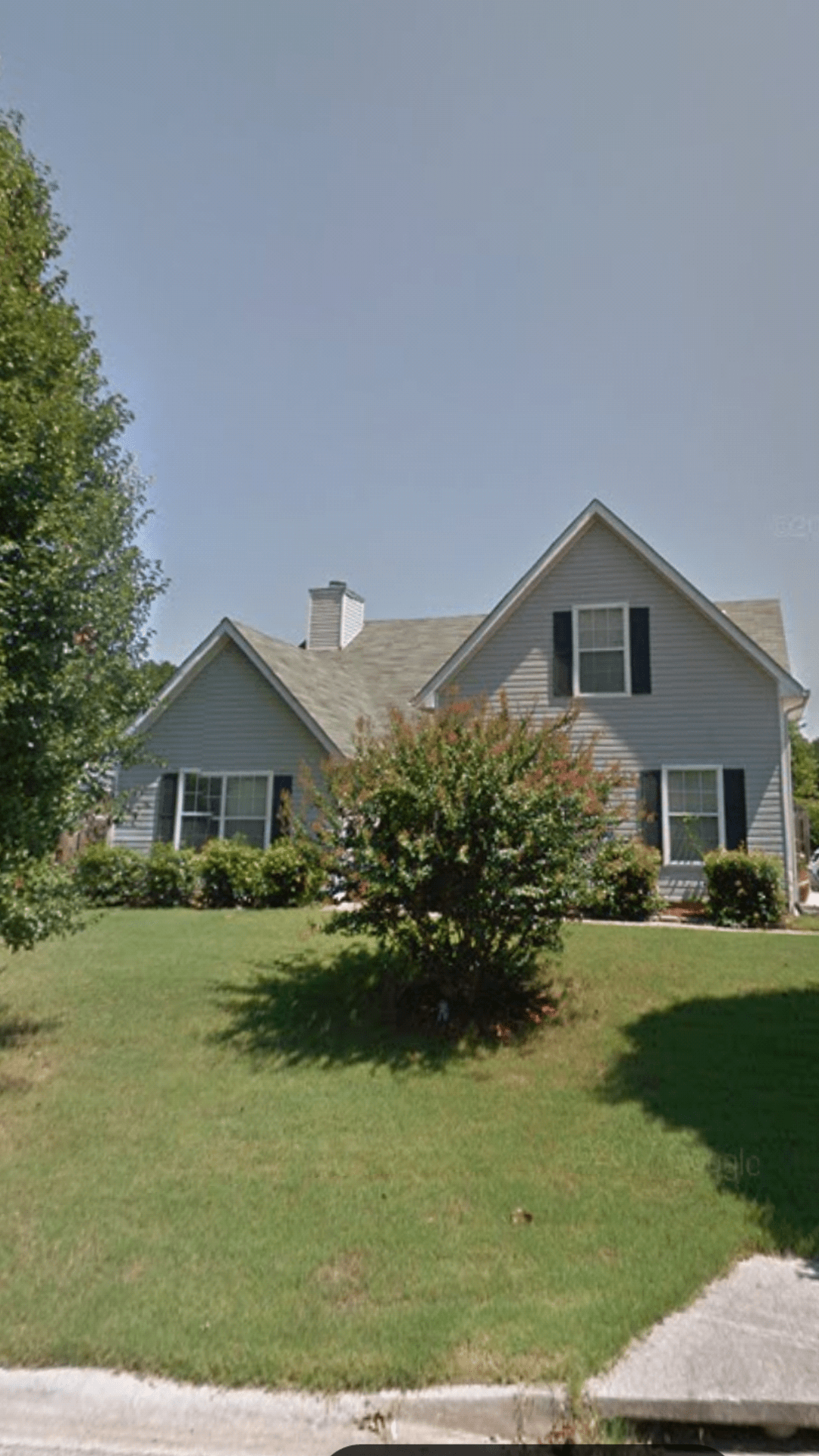
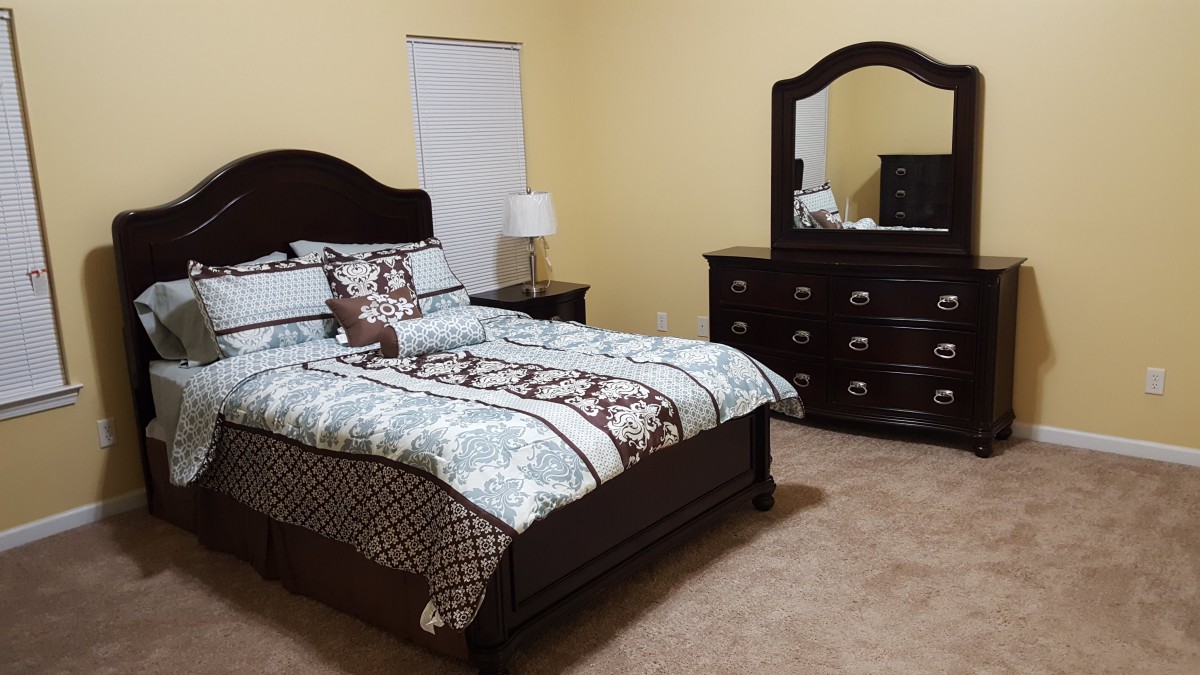
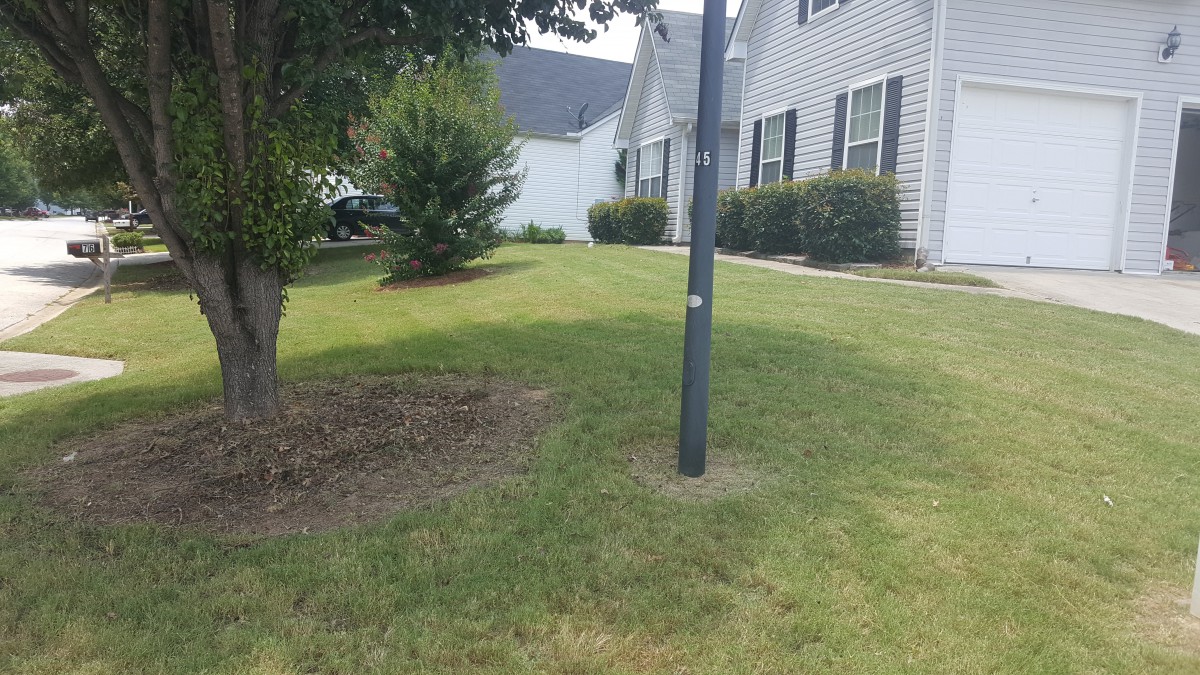
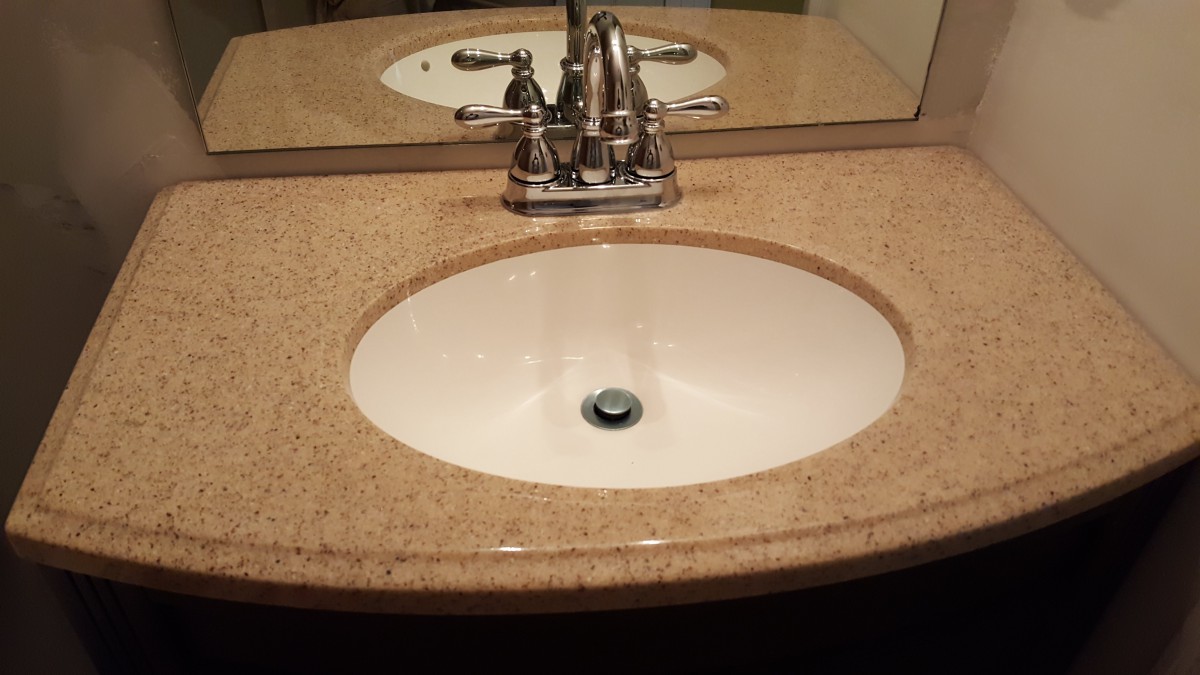
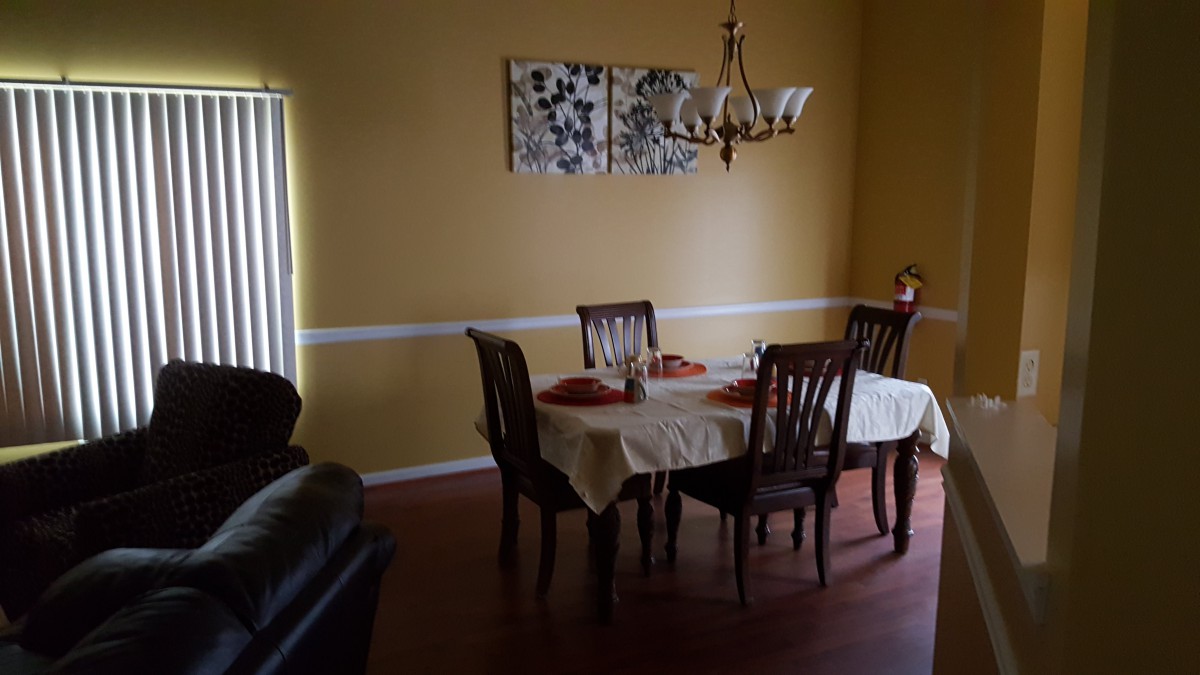
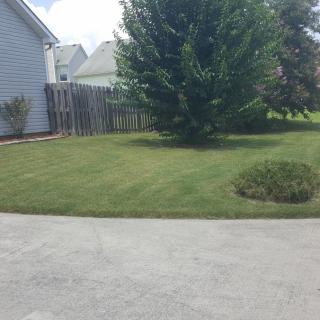
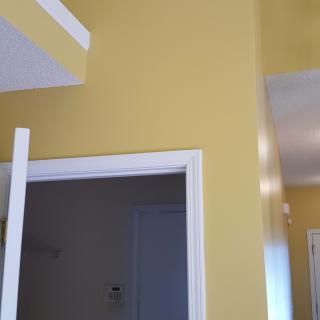
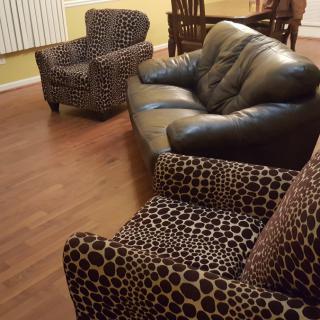
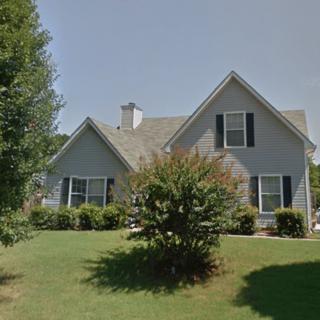
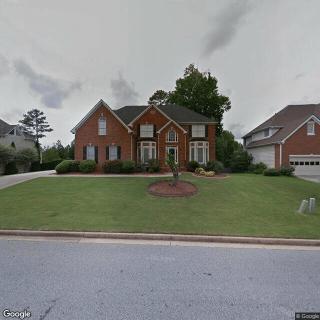
76 Waters Edge Way, Fayetteville, GA 30215
To contact a resident: (678) 961-7998
For more information about senior living options: (866) 208-4318
Alliance Personal Care Home Costs & Pricing
Alliance Personal Care Home offers a range of accommodations with monthly costs that reflect its unique services and amenities. For private rooms, prices at Alliance range from $3,000 to $3,500, significantly higher than the county average of $2,493 and the state average of $2,864. The studio option is priced at $3,500 per month, which is competitive compared to both Fayette County's average of $3,530 and Georgia's statewide figure of $3,520. This pricing structure indicates that while Alliance Personal Care Home may come at a premium compared to local and state averages, it likely provides additional value through enhanced care or specialized services tailored to the needs of its residents.
| Floor plans | Alliance Personal Care Home | Fayette County | Georgia |
|---|---|---|---|
| Private | $3,000 to $3,500 | $2,493 | $2,864 |
| Studio | $3,500 | $3,530 | $3,520 |
Memory care communities with a similar price nearby
-
from +$500 / mo

Oaks at Eagles Landing
$3,500 to $4,200 / month13.1 miles away -
from -$200 / mo

Wellness Community
$2,800 to $4,275 / month17.3 miles away -
from +$450 / mo

Oaks at Stockbridge
$3,450 to $3,950 / month11.4 miles away -
from +$279 / mo

Sparks Inn Retirement Center
$3,279 to $5,329 / month11.1 miles away -
from +$300 / mo
Benton House of Newnan Lakes
$3,300 to $5,100 / month22.1 miles away
Overall Review of Alliance Personal Care Home
Pros
 Fumi is kind and patient.
- Fumi met all their needs.
- People commented on how good Fumi was with Mama Jackie.
- Ashley is nice, professional, and always available.
- The administration is accommodating and understanding.
- The aides are wonderful and patient.
- Alliance Care was the perfect choice; the caregivers were attentive and compassionate toward her every need.
- The caregivers have been a tremendous help to their parents.
Cons
 The reviewer was very disappointed and felt weirded out by the Alliance caretaker, who meddled in family affairs and refused to give them privacy when the mother was on her deathbed.
- The caretaker seemed amused by the family's difficulties, harassed family members, and even asked to take photos of them during the mother's final moments.
- The reviewer described the experience as "like a bad movie."
Review
Alliance Personal Care Home in Fayetteville, GA is best suited for families seeking a warm, highly relational level of care where caregivers form meaningful bonds with residents and family communication is a clear strength. This community thrives when a loved one benefits from patient, attentive personal care, dementia-friendly support, and a responsive admin team that is readily reachable. It is particularly well matched for seniors who value consistent caregiver relationships, real-time updates for families, and a setting where staff approach care with patience and empathy rather than a purely clinical approach.
Those weighing alternatives should consider settings with stricter boundaries around privacy and more formal medical oversight. If privacy during sensitive moments is non-negotiable or if the family prefers a facility with more rigid professional protocols and nursing supervision, larger assisted living campuses, dedicated memory care communities, or skilled nursing facilities may be more suitable. Families prioritizing rigorous privacy controls or a clearly defined boundary between family life and staff interaction may find those environments a better fit.
The strongest positives here are the people who deliver care. Reviews repeatedly highlight caregivers who are kind, patient, and genuinely engaged with residents. Fumi’s compassionate approach stands out as a hallmark example, but the sentiment extends to multiple team members who are described as attentive to daily needs and gentle with residents facing dementia. Administration, particularly Ashley, is praised for accessibility, professionalism, and a willingness to accommodate families, which translates into smoother communication and fewer care gaps. The overall atmosphere is described as supportive, with staff who help families feel informed and connected to their loved ones.
There is a credible, albeit infrequent, counterpoint. One review documents a serious lapse in boundaries, perceived meddling, privacy invasions at a sensitive time, and behavior that felt intrusive toward the family during a deathbed moment. While this stands in stark contrast to the overwhelming positive feedback, it cannot be dismissed as a non-issue. It highlights a real risk: when boundaries are breached, trust erodes quickly, and the care experience can feel unsafe. This cautionary note underscores the importance of clear, enforceable privacy policies and disciplined staff conduct in every interaction, especially around end-of-life moments.
How the positives stack up against the negatives comes down to control over the care environment. The recurring themes of compassionate, hands-on caregivers and open, communicative administration offer substantial reassurance for families seeking a high-touch experience. Yet the solo account of boundary overreach cannot be ignored; it signals that supervision and staff training around privacy and professional boundaries must be actively managed. For a family considering this community, the next step is to test those systems: request a detailed caregiver assignment plan, discuss privacy protocols openly, and seek concrete examples of how boundary issues are handled when they arise. If satisfaction with those safeguards is demonstrated, the care environment becomes highly compelling; if not, alternatives with firmer policy enforcement may be preferable.
In practical terms, a decision to move forward should include scheduling a visit focused on meeting the caregiving team, observing interactions, and requesting a written care plan that explicitly covers privacy expectations and family involvement. Confirm who oversees boundary conduct, how incidents are reported, and how family concerns are escalated. Review references beyond the current reviews and ask for scenarios that illustrate consistent caregiver engagement with both residents and families. For families prioritizing a compassionate, accessible, family-centered approach, Alliance Personal Care Home is a strong choice; for those where boundaries and privacy are non-negotiable, it may be wise to compare other options with tighter controls and documented safeguards.
 Board and Care Home
 Memory Care
 Activities off-site
 Air-conditioning
 Bath tubs
 Cable or satellite TV
 Devotional services off-site
 Handicap accessible
 Indoor common areas
 Outdoor common areas
 Private
 Private bathrooms
 Wi-Fi/high-speed internet available
 William B Hartsfield-Atlanta International (14 miles away)
 Ambulatory care
 Incontinence care
 Medication management
 International cuisine
 Art classes
 Catholic services
 Cooking classes
 Educational speakers / life long learning
 Jewish services




 8 Key Indicators That Suggest It May Be Time to Transition from Assisted Living to Skilled Nursing Care
 Nourishing the Mind: Essential Dietary Approaches for Dementia
 Understanding Dementia Behaviors: Practical Insights and Strategies for Caregivers