
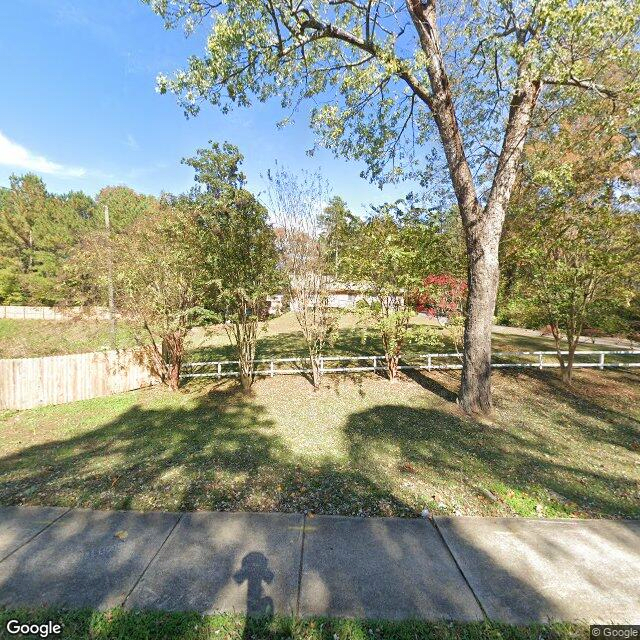
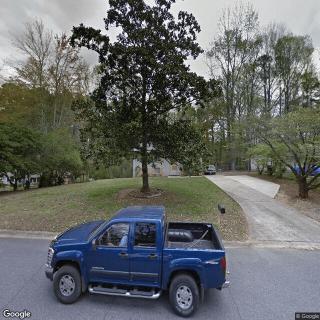
3440 Rainbow Dr, Decatur, GA 30034
To contact a resident: (404) 474-2160
For more information about senior living options: (866) 208-4318
Tranquility Personal Care Home Costs & Pricing
Tranquility Personal Care Home offers competitive monthly costs compared to the surrounding market in DeKalb County and the broader state of Georgia. For instance, a private room at Tranquility is priced at $1,600, significantly lower than the county average of $2,415 and the state average of $2,864. Similarly, the cost for a one-bedroom suite at Tranquility is $1,800, which again stands in stark contrast to the county's $2,789 and Georgia's overall average of $3,412. This favorable pricing positioning not only reflects Tranquility's commitment to providing affordable care but also highlights its appeal as a cost-effective option for families seeking quality personal care services in a nurturing environment.
| Floor plans | Tranquility Personal Care Home | DeKalb County | Georgia |
|---|---|---|---|
| Private | $1,600 | $2,415 | $2,864 |
| 1 Bedroom | $1,800 | $2,789 | $3,412 |
Memory care communities with a similar price nearby
-
from -$250 / mo
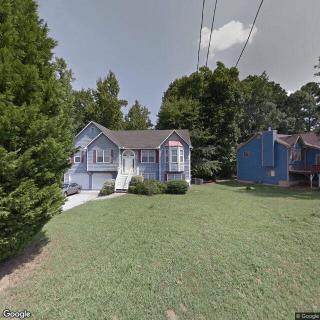
Le'glen Personal Care Home
$1,350 to $2,150 / month4.7 miles away -
from -$100 / mo
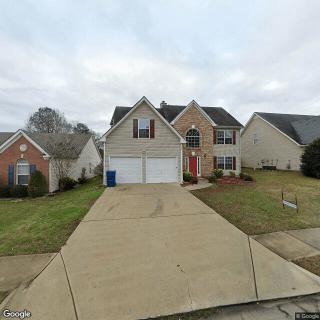
Harmony Home Care
$1,500 to $2,100 / month21.6 miles away -
from +$200 / mo
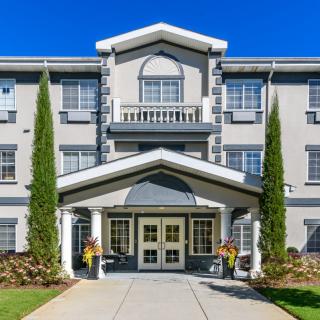
Villa Palazzo Senior Living Community
$1,800 to $3,850 / month19.9 miles away -
from +$175 / mo

Senior Living At Mercy's Point
$1,775 to $1,875 / month23.1 miles away -
About the same
My Care Your Care Home
$1,600 to $1,900 / month24.1 miles away
Overall Review of Tranquility Personal Care Home
Pros
 Everything went quite well.
- It felt like the best place for his dad.
- He got along well with the director's assistant who showed them around the facility.
Cons
 None found.
Review
Tranquility Personal Care Home in Decatur, GA, is best suited for families seeking a small, home-like personal care option where staff relationships feel intimate and easy to navigate. The reviewer’s positive note about the director’s assistant guiding the tour signals a setting powered by personal attention and straightforward communication. For seniors who thrive on a calm, predictable routine and for families that value hands-on, easily accessible staff, this community offers a reassuring fit that can translate into quick trust and smoother transitions.
Those weighing options should consider alternatives if the priority is extensive clinical oversight or abundant, structured programming found in larger campuses. The review does not indicate on-site nursing, specialized memory care, or a broad suite of professional services, which naturally points to a more limited resource pool than bigger facilities. Families planning for complex medical needs, frequent therapy, or a wide range of organized activities may find other communities better aligned with those requirements and expectations.
On balance, the strongest pros revolve around warmth, ease of interaction, and a tangible sense of direction. The remark that this is “the best place for my dad” suggests care that feels personal, attentive, and stable, an essential factor for residents who may require predictable daily rhythms and quick access to caregivers. The staff contact during the tour, a director’s assistant, offers a practical signal that administrative processes, admissions, and day-to-day responsiveness can be clear and approachable, reducing uncertainty during a move. In a compact setting, such relational continuity often translates into stronger trust and fewer miscommunications, which partially offsets any potential limitations in resources.
The absence of explicit downsides in the available account means the positives carry considerable weight for purposes of decision-making, especially for seniors who prioritize comfort, familiarity, and low-stress routines. However, this lack of detail also cautions a careful follow-up: prospective residents should seek concrete information on care planning, daily activity options, meals, transportation, and how changes in condition are monitored and escalated. The small scale, while advantageous for personalized attention, can mean fewer amenities and a leaner staff schedule if emergencies arise or if specialized needs surface.
From a practical standpoint, families evaluating this community should request a comprehensive tour with the care manager, ask for sample menus and activity calendars, and review the staffing structure, daily nurse or clinician presence, night staffing, and caregiver-to-resident ratios. Clarify the process for updating care plans, documenting changes in health status, and coordinating with outside physicians or specialists. Obtain pricing details, contract terms, and any availability of temporary respite stays to test fit before long-term commitments. These steps turn the favorable impression into a grounded, actionable plan.
In the end, Tranquility Personal Care Home stands out as a compelling choice for elders who prize intimacy, consistency, and direct access to warm, attentive staff. For families seeking a calm, straightforward living arrangement with a high likelihood of rapport with caregivers, the setting can deliver substantial peace of mind. Those requiring broader medical oversight, richer programming, or larger-scale amenities should actively compare with alternative communities to ensure alignment with long-term care goals and financial expectations. The decision rests on matching the elder’s day-to-day needs with the facility’s ability to deliver steady, personalized care within a small, approachable footprint.
 Board and Care Home
 Memory Care
 Private
 William B Hartsfield-Atlanta International (11 miles away)
 Diabetic care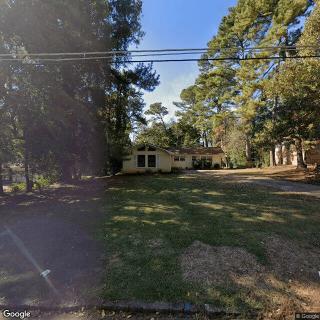
 Engaging Memory Care Activities That Enhance Quality of Life
 When to Transition from Assisted Living to Memory Care: Key Indicators, Steps, and Finding the Right Community
 Understanding the Distinctions: Assisted Living and Memory Care Explained