
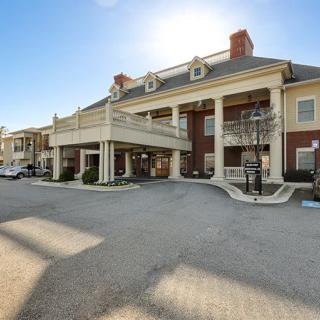
2106 Frank Bruce Rd, Dawsonville, GA 30534
To contact a resident: (706) 265-4750
For more information about senior living options: (866) 208-4318
Royal Living Personal Care Home Costs & Pricing
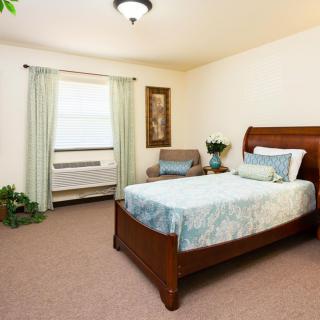
At Royal Living Personal Care Home, the monthly costs reflect a commitment to providing quality care tailored to individual needs. For a private room, residents can expect a fee of $3,000 per month, which is competitive within Pickens County and Georgia, where average costs are approximately $2,680 and $2,864 respectively. For those seeking more spacious accommodations in a one-bedroom setting, the rate at Royal Living is set at $4,000 - slightly above the county average of $4,056 but notably higher than the statewide average of $3,412. These pricing structures underscore Royal Living's dedication to offering an enriching environment that prioritizes resident comfort while aligning closely with local market trends.
| Floor plans | Royal Living Personal Care Home | Pickens County | Georgia |
|---|---|---|---|
| Private | $3,000 | $2,680 | $2,864 |
| 1 Bedroom | $4,000 | $4,056 | $3,412 |
Memory care communities with a similar price nearby
-
from -$150 / mo

Miss Willie's Manor
$2,850 to $3,250 / month20.3 miles away -
from -$190 / mo
Vitality Living Milton
$2,810 to $5,515 / month24.2 miles away -
from +$565 / mo
Oaks at Hampton
$3,565 to $6,115 / month7.5 miles away -
from -$100 / mo
Oaks at Shiloh Point
$2,900 to $3,800 / month19.2 miles away -
from -$250 / mo
The Retreat at Jasper
$2,750 to $4,800 / month24.3 miles away
Overall Review of Royal Living Personal Care Home
Pros
 The employees are kind and caring.
- The director Phillip is great.
- North Georgia Assisted Living met their budget requirements and went above and beyond to facilitate a quick transition.
- Andrea Black went out of her way to help the family.
- Vivian, the head nurse, and her team are the best.
- The facility is highly recommended for a loved one’s later years.
- Vicky P is wonderful, loving, and provides peace of mind.
- All the staff are caring and positive.
- They treat residents and their families like their own.
- They hosted a birthday party with balloons and cupcakes and sang to residents.
Cons
 The executive director, Philip, is non-responsive and clueless.
- The place does not care for the residents and often does not answer phone calls.
- Philip does not respond to emails, texts, or voicemail messages.
- He is evasive and does not answer any question directly.
- Rooms are filthy, including bathrooms.
- Health department will be notified.
Review
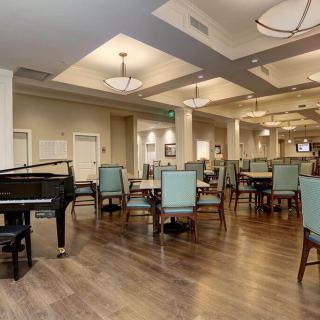
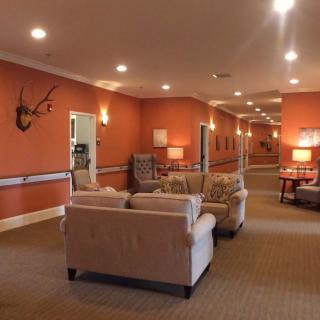
This Dawsonville option is best suited for families seeking a small, home-like atmosphere where caregivers form personal bonds with residents and daily routines feel intimate and predictable. It can work well for seniors who prioritize direct, hands-on attention from a steady local staff and who value a warm, familial setting over a large, impersonal campus. For residents who need substantial medical management, memory-care specialization, or a sharp, consistently responsive administrator, this community may prove insufficient and alternatives should be considered.
The landscape of reviews is uneven enough to demand caution. A troubling note appears about leadership: at least one reviewer labeled the executive director as non-responsive and evasive, suggesting questions go unanswered and concerns aren’t addressed promptly. Another critic cited filthy rooms and bathrooms, a red flag that cannot be dismissed. These threads, if accurate, point to a core risk: when administrative accountability falters, the day-to-day reliability of care and the safety net for families diminishes. In short, leadership and operational cleanliness are critical gaps that prospective residents must probe directly.
Yet there is a strong counterpoint that cannot be ignored. Multiple accounts praise staff as kind, caring, and genuinely invested in residents’ well-being. Families describe caregivers who treat residents like family, provide personal access points, and create a supportive, homey feel. When caregivers are consistently engaged and residents connect with a stable team, especially in the rows of everyday activities, meals, and social moments, the sense of security and belonging can be profound. Where this strength exists, it can offset some of the anxieties around leadership and occasional maintenance lapses, making the difference between a stopgap arrangement and a true home.
The decisive question for families is whether the strength of caregiving relationships can withstand the risk of uneven administrative responsiveness and cleanliness concerns. If the director’s accessibility and the facility’s housekeeping standards are reliably addressed through proactive staff oversight and transparent communications, the positives may outweigh the negatives. However, if a family anticipates timely, direct answers to questions and consistently clean, well-maintained spaces as non-negotiables, these reviews suggest the cons may overwhelm the pros. The balance hinges on concrete actions: how quickly issues are acknowledged, how repairs are prioritized, and whether families are kept in the loop with regular, candid updates.
Alternatives deserve consideration for anyone uneasy about the leadership and cleanliness signals. Other Dawsonville-area options, where staff are described as equally caring but where administrators appear more consistently responsive, may deliver less ambiguity. Those evaluating options should benchmark not only cost and room quality but also the cadence of communication, the facility’s housekeeping routines, and the ease of obtaining direct access to the person overseeing daily care. If memory care, medical oversight, or high-acuity support is anticipated, broaden the search to facilities with explicit care-skill offerings and a track record of stable administration.
Practical next steps are essential. Schedule a candid tour focused on everyday operations: observe room conditions, bathrooms, and common areas; request to meet the executive director and the head caregiver or nurse on duty; ask for a recent health-inspection summary and any corrective-action notes. Demand specifics on response times for after-hours calls, routine maintenance schedules, and how family updates are delivered. Speak with current residents and families about consistency of care and communication. Finally, obtain clear cost terms, what is included in personal care, and whether there is a trial period or temporary placement option. With diligence, the right fit will emerge: a warm, engaged caregiving team under leadership that communicates openly, paired with a clean, well-kept environment that supports both independence and safety.
 Board and Care Home
 Memory Care
 Cats allowed
 Activities off-site
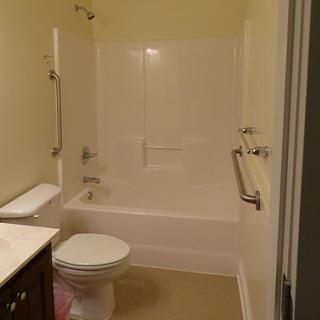
 Bath tubs
 Beautician on-site
 Cable or satellite TV
 Devotional services off-site
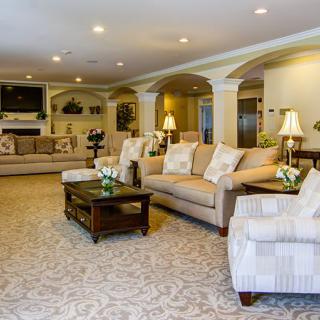
 Indoor common areas
 Outdoor common areas
 Private
 Respite or short term stays offered
 Wi-Fi/high-speed internet available
 Ambulatory care
 Diabetic care
 High acuity care
 Incontinence care
 Medication management
 Anytime dining
 BBQs or picnics
 Birthday parties



 8 Key Indicators That Suggest It May Be Time to Transition from Assisted Living to Skilled Nursing Care
 Nourishing the Mind: Essential Dietary Approaches for Dementia
 Understanding Dementia Behaviors: Practical Insights and Strategies for Caregivers