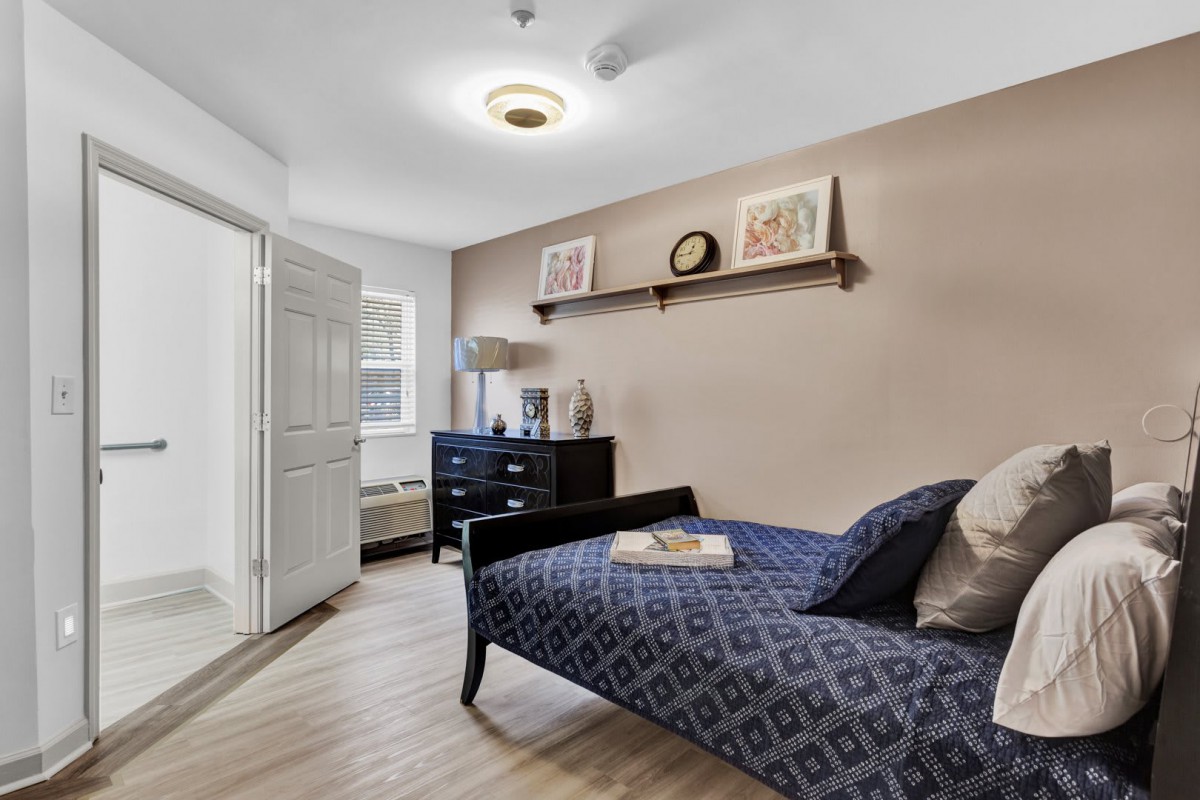
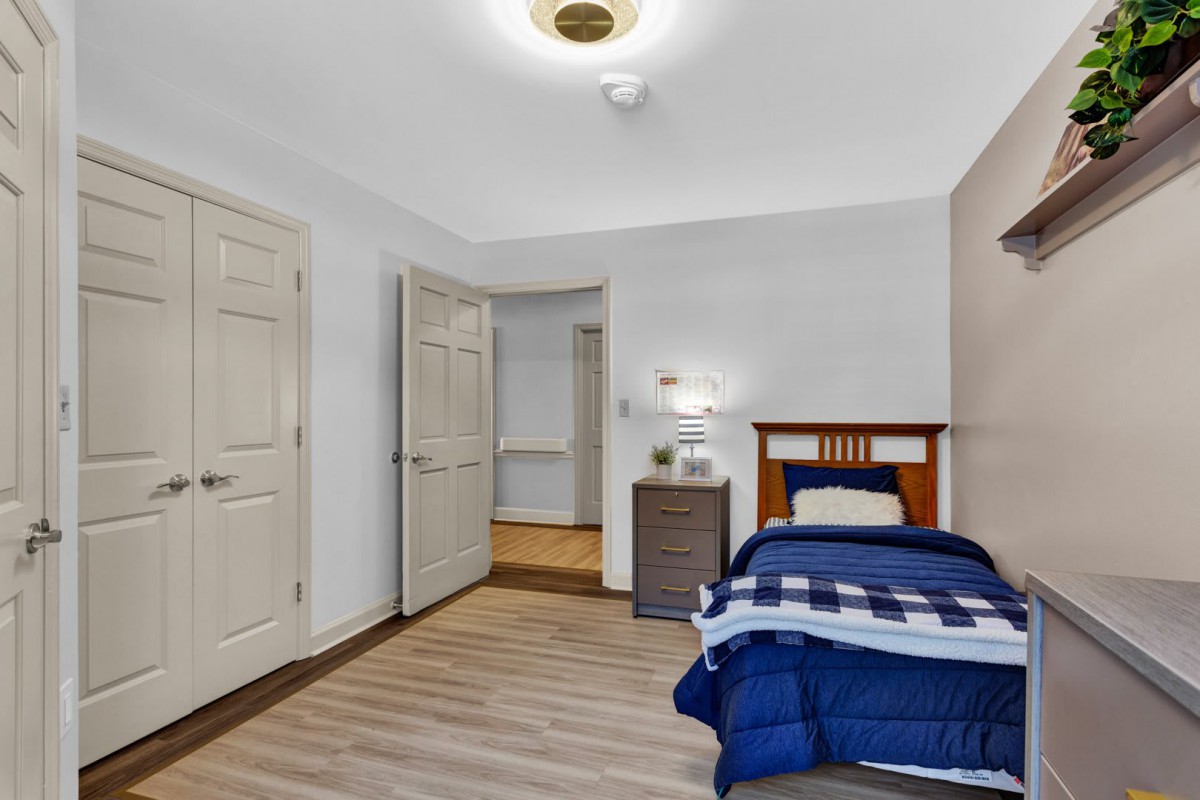
Peachtree Creek Memory Care offers a range of accommodations that reflect both quality and competitive pricing within Fulton County and the broader state of Georgia. For those seeking a semi-private room, the monthly cost is $4,500, which is significantly higher than the county's average of $2,883 and the state's average of $2,529. This suggests that Peachtree Creek may provide additional amenities or specialized care that justifies the higher price point. In contrast, studio apartments at Peachtree Creek are priced at $5,000 per month; while this too exceeds both the county's average of $3,618 and state average of $3,520, it may indicate a focus on personalized living spaces conducive to memory care. Overall, while costs at Peachtree Creek are above regional averages, they likely reflect a commitment to superior care standards and an enriching environment for residents.
Floor plans
Peachtree Creek Memory Care
Fulton County
Georgia
Semi-Private
$4,500
$2,883
$2,529
Studio
$5,000
$3,618
$3,520
Memory care communities with a similar price nearby
Residents’ days are described as full of activities, outings, and themed events.
Multiple reviews highlight that residents stay busy with scheduled daily activities, music, dancing, and games, along with outings like day trips. Families also describe holiday events with detailed themes and entertainment, such as Mother’s Day brunch and other seasonal celebrations. The activity focus is presented as a core part of day-to-day life rather than occasional entertainment.
This lines up with what the community offers, including community-sponsored activities, fitness programs, devotional services, and planned day trips.
differentiator12 reviews mention this
Dining is repeatedly praised
Meals are consistently described as fresh, delicious, and accommodating to preferences.
Several residents and families call out the quality of meals and the way they are served, including being nutritious, delicious, and cleanly prepared. Others mention that dietary preferences and restrictions are handled professionally, and that the dining experience feels attentive. A few reviews also connect dining to overall comfort and good daily routines.
The community offers restaurant-style dining and meal programs, plus options like room service and special dietary choices.
common41 reviews mention this
Staff warmth and responsiveness
Families and visitors repeatedly describe staff as welcoming, kind, and attentive to residents.
Across reviews, the most consistent experience is how warmly staff interact with residents and visitors, including greeting people by name and making families feel at ease. Many comments describe caregivers as patient, compassionate, and willing to go above and beyond, including support during move-in and ongoing check-ins. Several reviews also single out specific staff members for being helpful and engaged.
This matches the community’s emphasis on supportive daily care, with services covering activities of daily living assistance and medication management.
common24 reviews mention this
Facility cleanliness stands out
Residents and families frequently mention an exceptionally clean, well-kept facility.
A substantial number of reviews describe the building as spotless or very clean, well maintained, and professionally cared for. Families also connect cleanliness with comfort and calm, describing an atmosphere that feels welcoming on visits and during stays. Some reviews contrast this with concerns raised in a smaller subset of feedback, where odors and maintenance issues were mentioned as problems.
The community provides housekeeping services and indoor common areas, which aligns with the frequent positive observations about upkeep.
caveat2 reviews mention this
Cost is a recurring concern
Pricing is described as unusually high in at least some reviews.
A reviewer says rent was raised substantially and calls the increases unacceptable, urging others to avoid the community. Another reviewer notes the community is expensive, even while they speak positively about the value they felt for memory care.
Price deltas provided here indicate the community’s rates sit above both county and state benchmarks across studio and semi-private ranges.
How we summarize
Counts show how many written reviews mention each theme; a review can touch several themes, and only frequently mentioned themes are displayed.
Features
Housing
64 resident community capacity
Types of Care
Memory Care
Pets
Cats allowed
Dogs allowed
Amenities
Activities off-site
Activities on-site
Air-conditioning
Beautician on-site
Beauty salon
Cable or satellite TV
Computer center
Devotional services off-site
Devotional services on-site
Dining room
Fitness room
Fully furnished
Gaming room
Garden
Ground floor units
Handicap accessible
Housekeeping services
Indoor common areas
Kitchenette
Move-in coordination
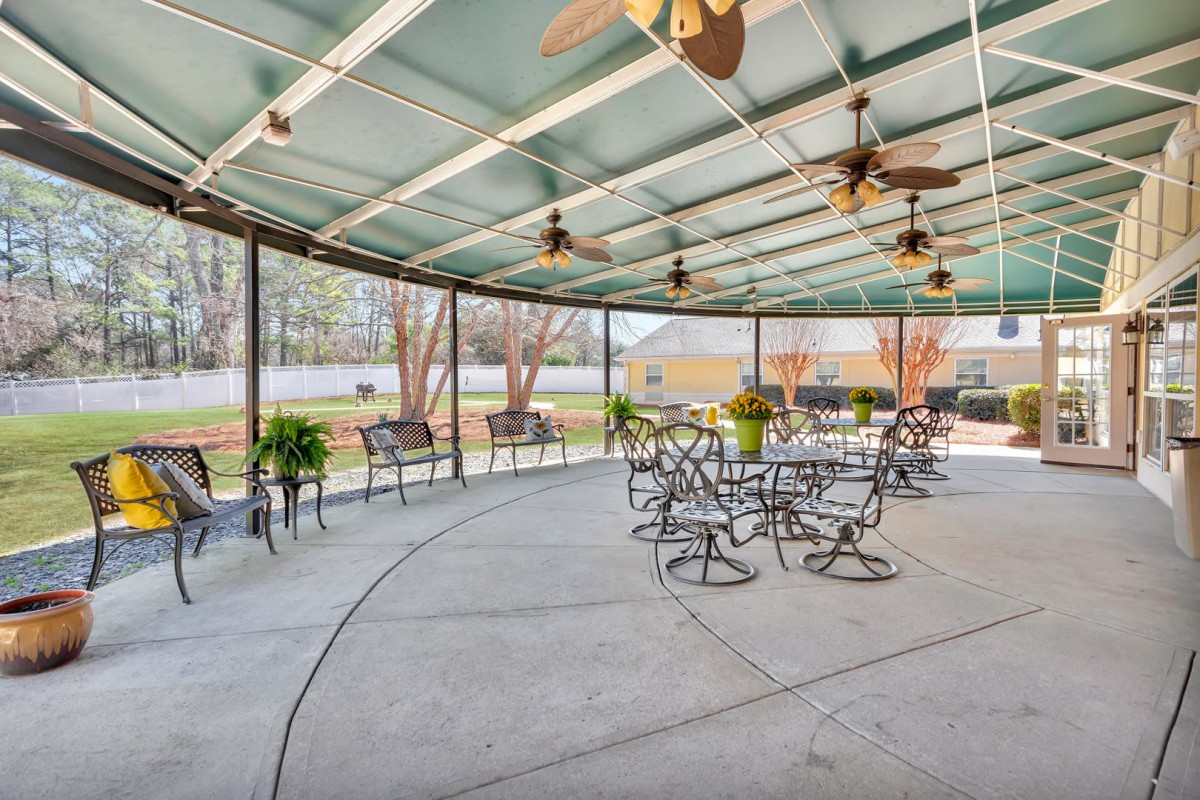
Outdoor common areas
Outdoor space
Private bathrooms
Respite or short term stays offered
Restaurant-style dining
Small library
Telephone
Wellness center
Wheelchair accessible showers
Wi-Fi/high-speed internet available
Transportation
William B Hartsfield-Atlanta International (15 miles away)
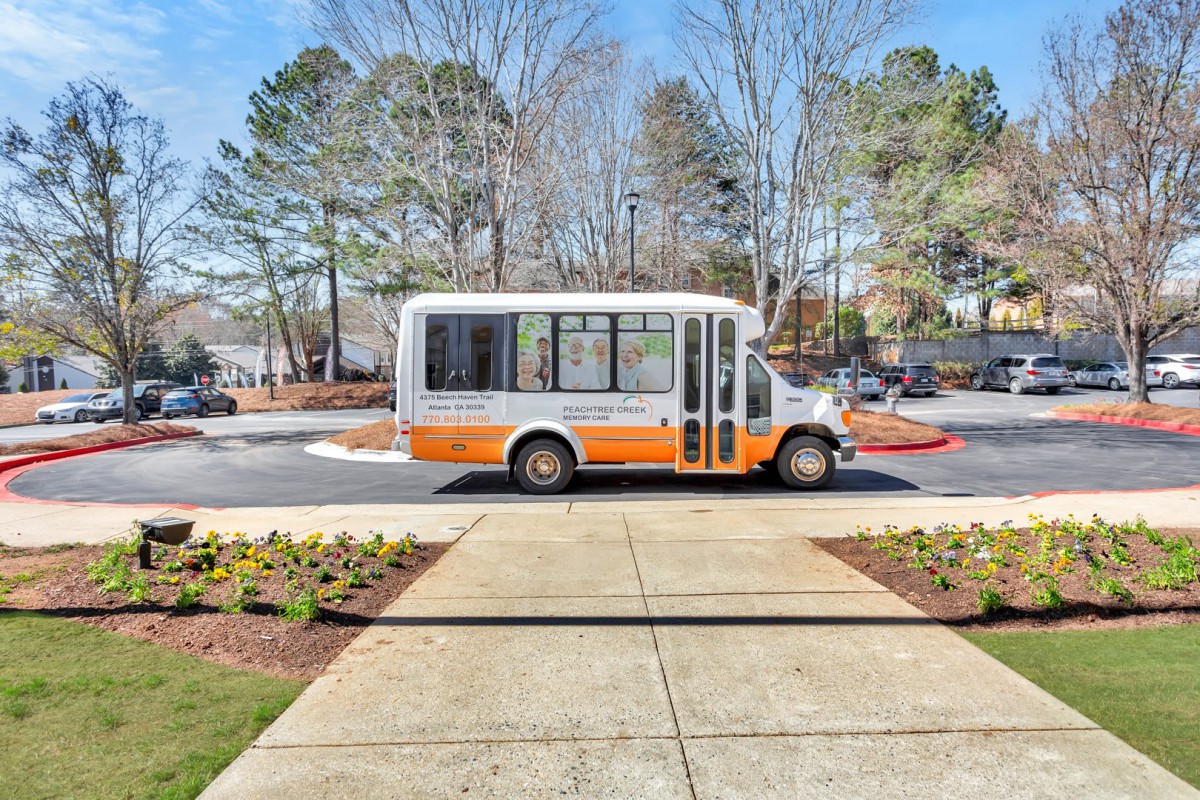
Community operated transportation
Transportation arrangement
Transportation arrangement (non-medical)
Transportation to doctors appointments
Care Services
12-16 hour nursing
24-hour call system
24-hour supervision
Activities of daily living assistance
Ambulatory care
Assistance with bathing
Assistance with dressing
Assistance with transfers
Diabetes diet
Diabetic care
High acuity care
Incontinence care
Meal preparation and service
Medication management
Mental wellness program
Mild cognitive impairment
Special dietary restrictions
Specialized memory care programming
Dining
Anytime dining
Diabetes diet
Gluten-free
Guest meals
Low / no sodium
Meals provided
No Sugar
Organic
Professional chef
Restaurant style dining
Room service
Special dietary restrictions
Special dining programs
Vegan
Vegetarian
Activities
Art classes
Catholic services
Community-sponsored activities
Concierge services
Day trips and outings
Devotional activities offsite
Devotional activities on-site
Educational speakers / life long learning
Fitness programs
Live musical performances
Live well programs
Planned day trips
Protestant services
Resident-run activities
Scheduled daily activities
Visiting Rabbi
Visiting chaplain or priest
Nearby Places of Interest
This part of Atlanta, Georgia, offers a convenient and diverse range of amenities for seniors looking to settle in the area. With multiple Starbucks cafes nearby, as well as various dining options including Mexican, fast-food, and fine dining restaurants, there is no shortage of choices for enjoying meals out. In terms of healthcare, there are several pharmacies and medical facilities within a short distance, providing easy access to medications and healthcare services. Additionally, the proximity to theaters and places of worship offers opportunities for entertainment and spiritual fulfillment. For outdoor enthusiasts, there are several parks in the area where one can enjoy nature and recreational activities. Overall, this part of Atlanta provides a well-rounded environment for seniors looking for a vibrant community with access to essential services.
Cafes
Starbucks (0.5 miles)
Starbucks ThD (1.3 miles)
Rev Coffee (2.7 miles)
Starbucks (3 miles)
OK Cafe (3 miles)
Chattahoochee Coffee (3.3 miles)
Starbucks (3.5 miles)
Restaurants
Los Bravos Mexican Restaurant (1.2 miles)
Chick-Fil-A (1.4 miles)
Zaxby's (1.5 miles)
Canoe (1.8 miles)
Maggiano's (2.5 miles)
McDonald's (2.6 miles)
Chick-Fil-A (2.6 miles)
Pharmacies
Walgreens (1.3 miles)
Walgreens (1.3 miles)
CVS Pharmacy (1.3 miles)
CVS Pharmacy (1.6 miles)
Walgreens (2.8 miles)
CVS Pharmacy (2.9 miles)
CVS Pharmacy (3.6 miles)
Physicians
Smyrna Eye Group (1.3 miles)
Smyrna Family Medicine (2 miles)
Atlanta Behavioral Care (2.3 miles)
Eye Consultants of Atlanta (2.5 miles)
Wellstar Medical Group Northwest Women's Care (3.7 miles)
Peachtree Orthopedics (6.2 miles)
Theaters
AMC Parkway Pointe 15 (2.7 miles)
Silverspot Cinema (2.9 miles)
Places of Worship
The Church of the Apostles (3 miles)
St John United Methodist Church (5.1 miles)
Second-Ponce De Leon Baptist Church (5.6 miles)
The Temple (6.3 miles)
Hospitals
Northwest Medical Center (3.1 miles)
Piedmont Atlanta Hospital (5.7 miles)
Parks
Cobb Park (3.7 miles)
Cochran Shoals - Chattahoochee River (4.4 miles)
Westside Park (5.2 miles)
Hurt Road Park (5.8 miles)
Peachtree Hills Playground (6 miles)
Fetch Park Buckhead (6.1 miles)
Transportation
Signature Flight Support FTY - Fulton County Airport (5.4 miles)
Peachtree Creek Memory Care offers a range of accommodations that reflect both quality and competitive pricing within Fulton County and the broader state of Georgia. For those seeking a semi-private room, the monthly cost is $4,500, which is significantly higher than the county's average of $2,883 and the state's average of $2,529. This suggests that Peachtree Creek may provide additional amenities or specialized care that justifies the higher price point. In contrast, studio apartments at Peachtree Creek are priced at $5,000 per month; while this too exceeds both the county's average of $3,618 and state average of $3,520, it may indicate a focus on personalized living spaces conducive to memory care. Overall, while costs at Peachtree Creek are above regional averages, they likely reflect a commitment to superior care standards and an enriching environment for residents.
The features offered by Peachtree Creek Memory Care are specifically designed to enhance the quality of life for residents with dementia or Alzheimer's disease, fostering a safe and supportive environment. The 24-hour supervision ensures that residents are always monitored, providing peace of mind for both residents and families. Assistance with activities of daily living, such as bathing and dressing, helps maintain dignity and promotes independence while also addressing physical needs. Incontinence care is sensitively managed to ensure comfort, while meal preparation and service cater to nutritional requirements tailored for cognitive health. Medication management is crucial in maintaining the residents' health stability, as it prevents potential complications associated with missed doses. Additionally, the mental wellness program aims to engage cognitive functions through tailored activities, while specialized memory care programming addresses specific needs related to varying stages of memory loss. All these services collectively contribute to a holistic approach that nurtures emotional well-being and enhances daily living experiences for those affected by memory impairments.
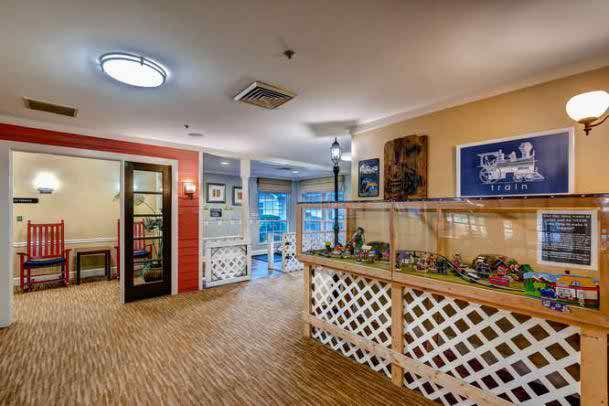
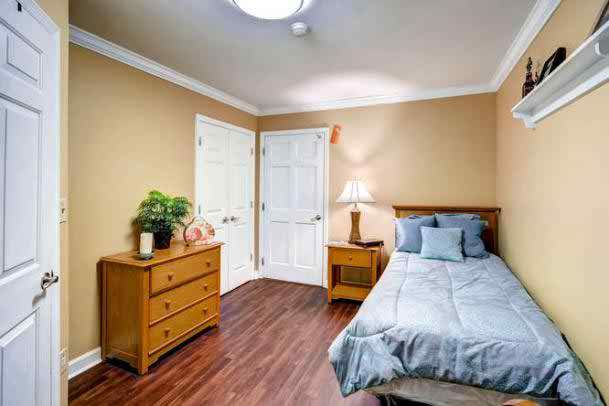
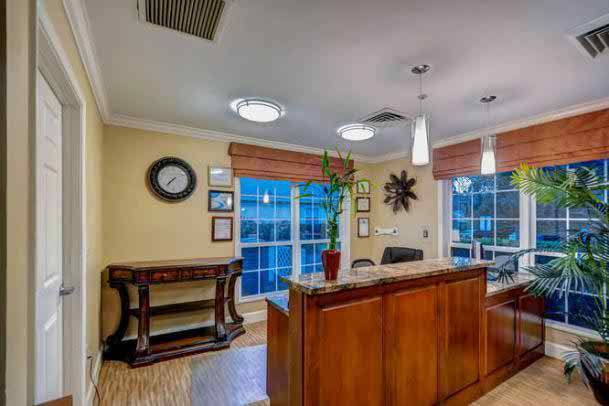
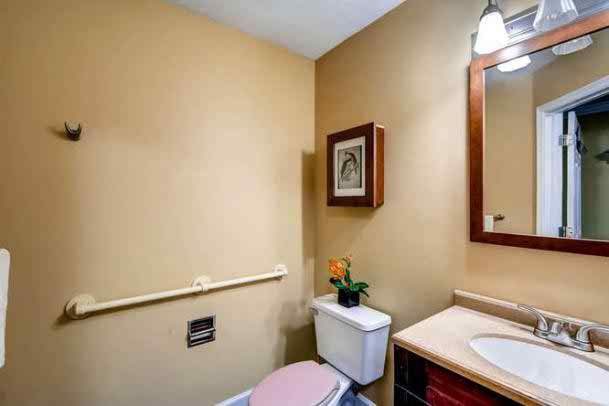
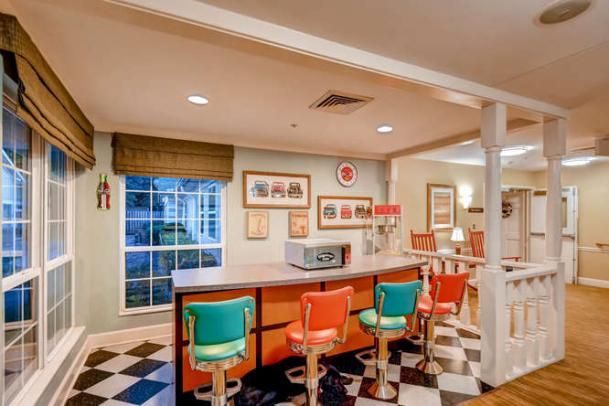
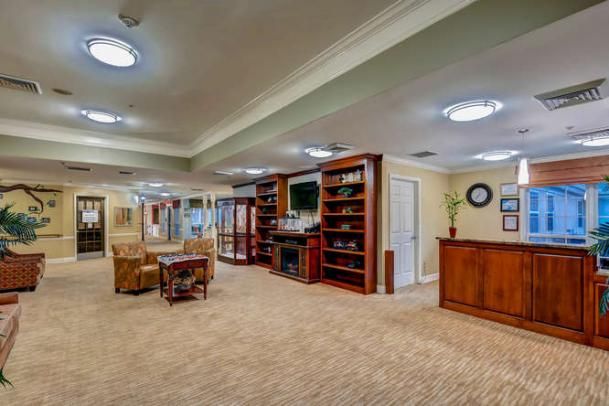
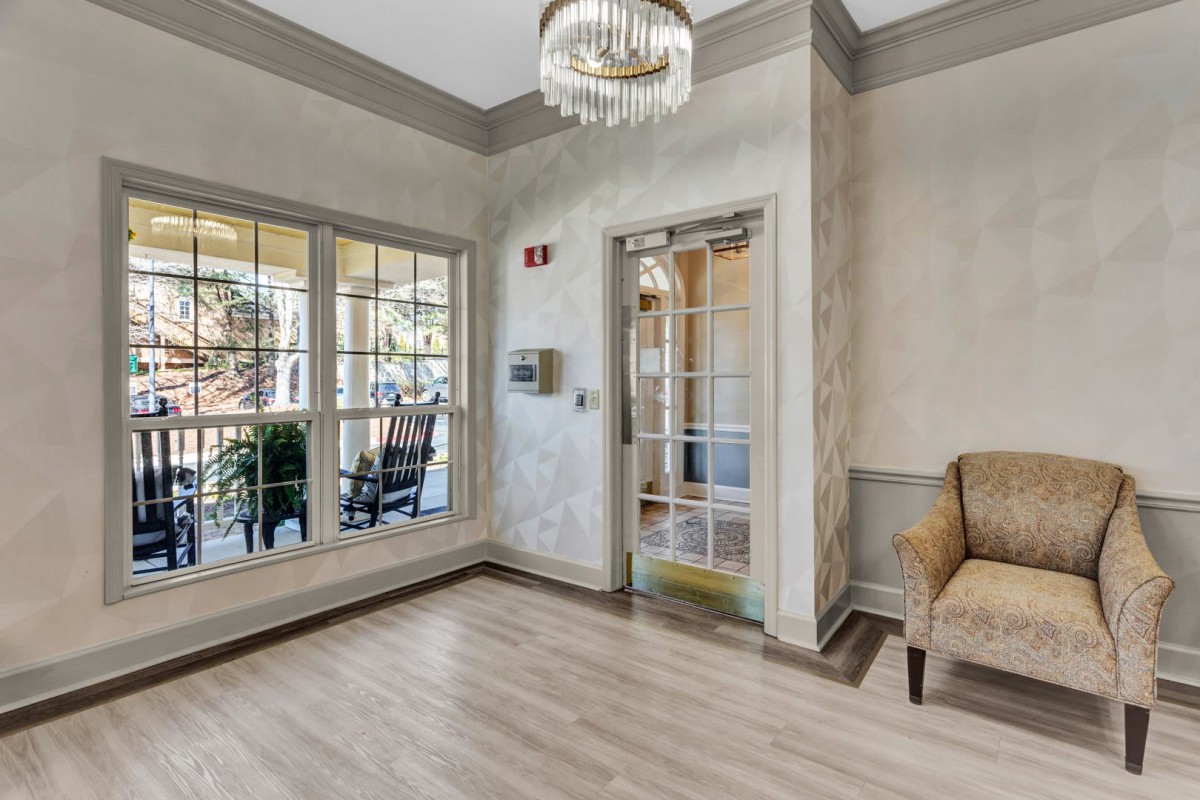
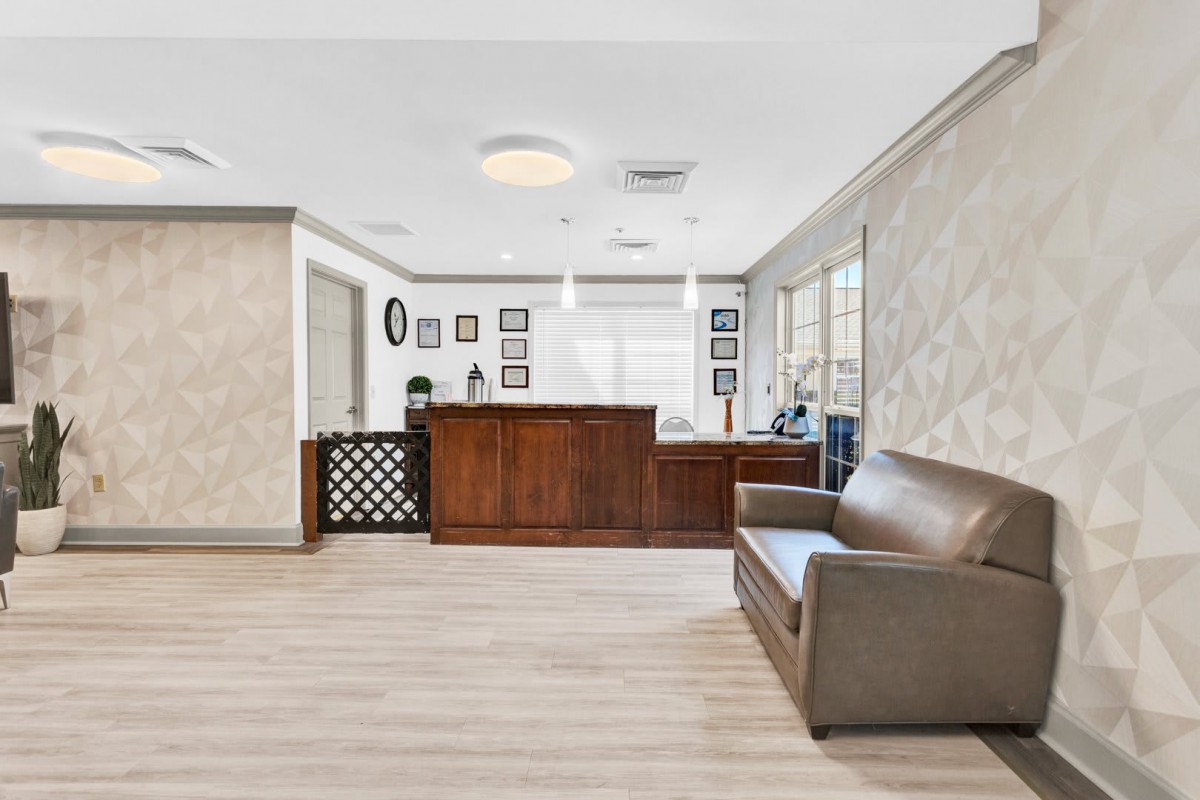
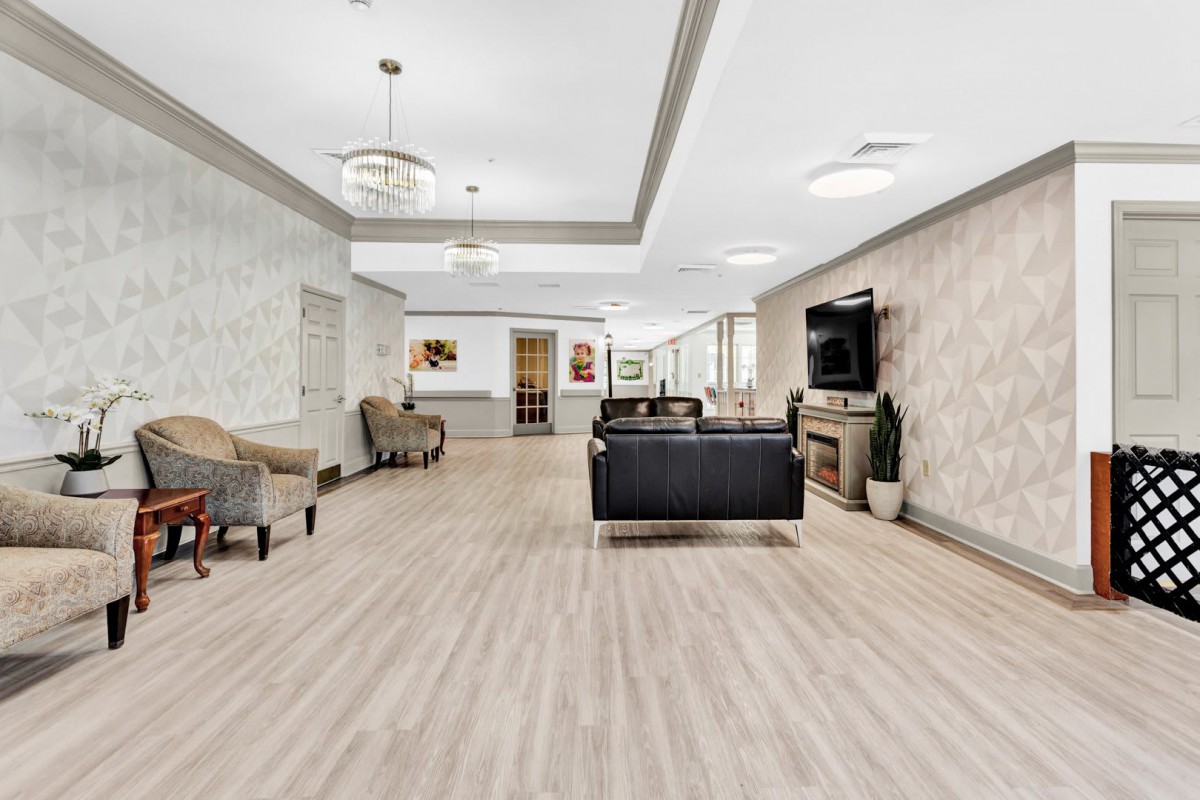
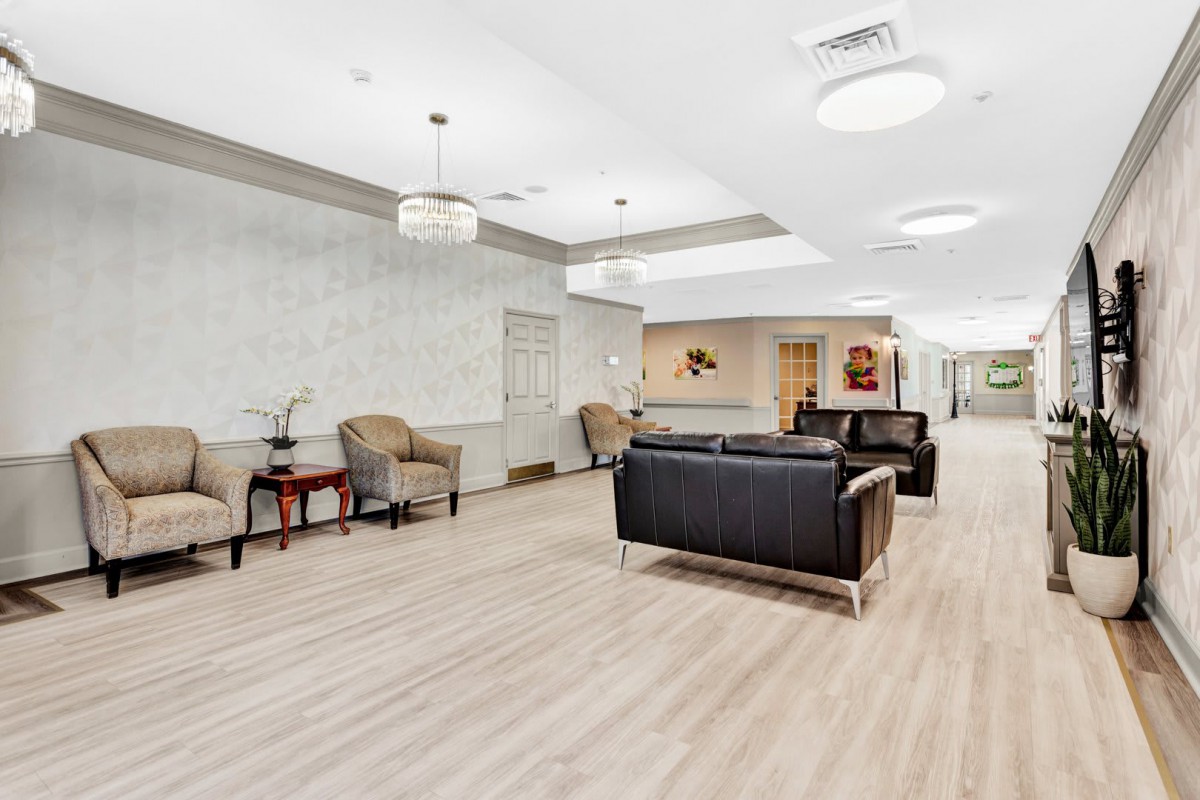
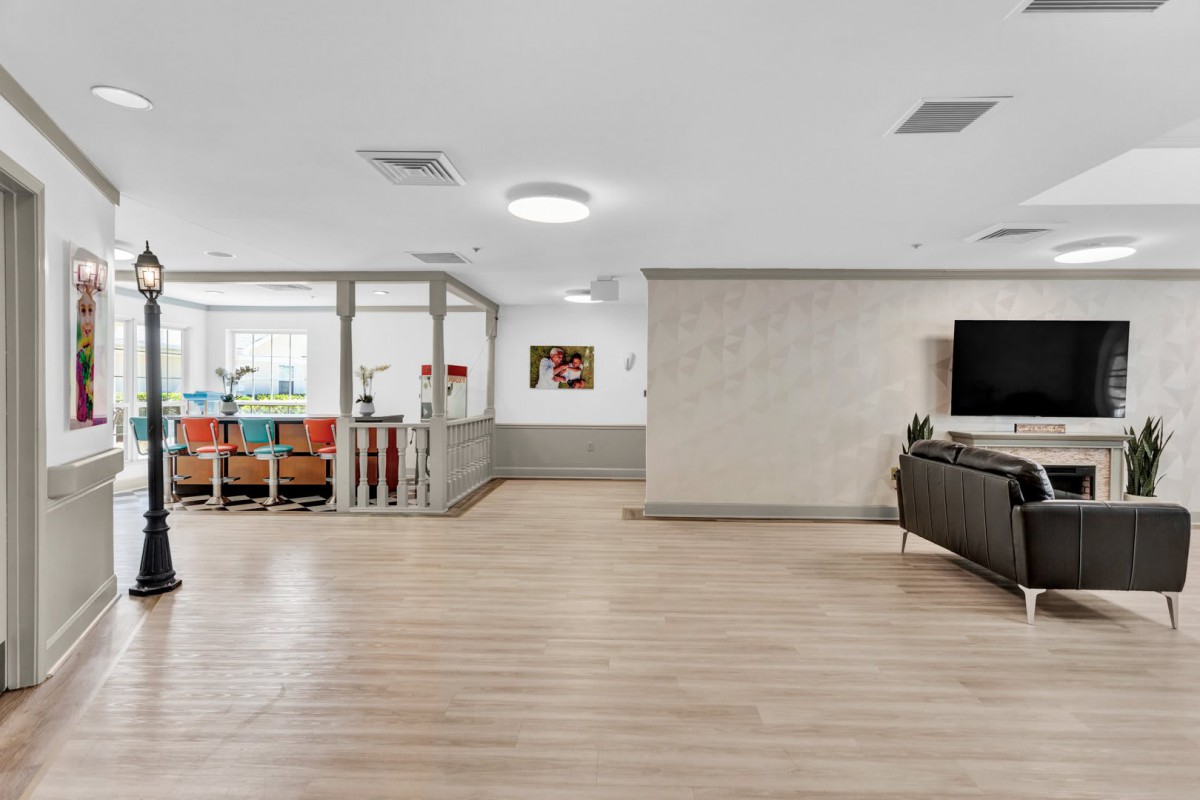
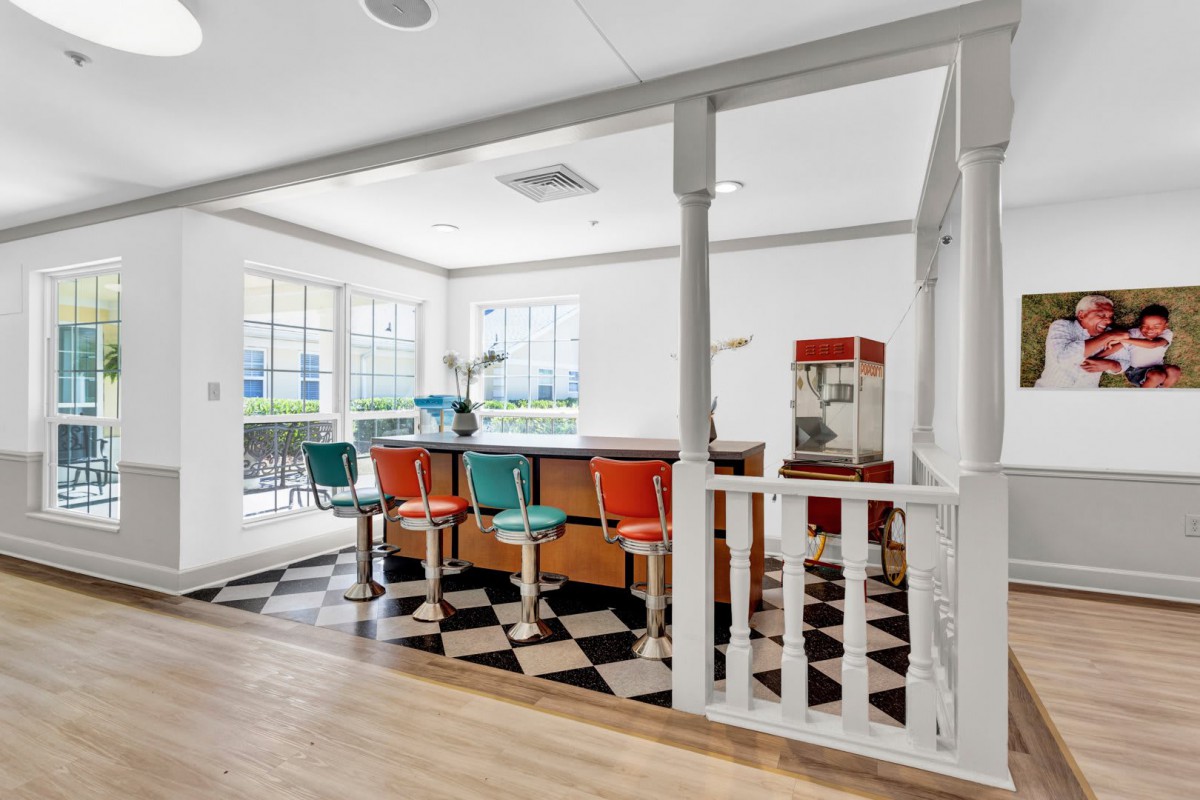
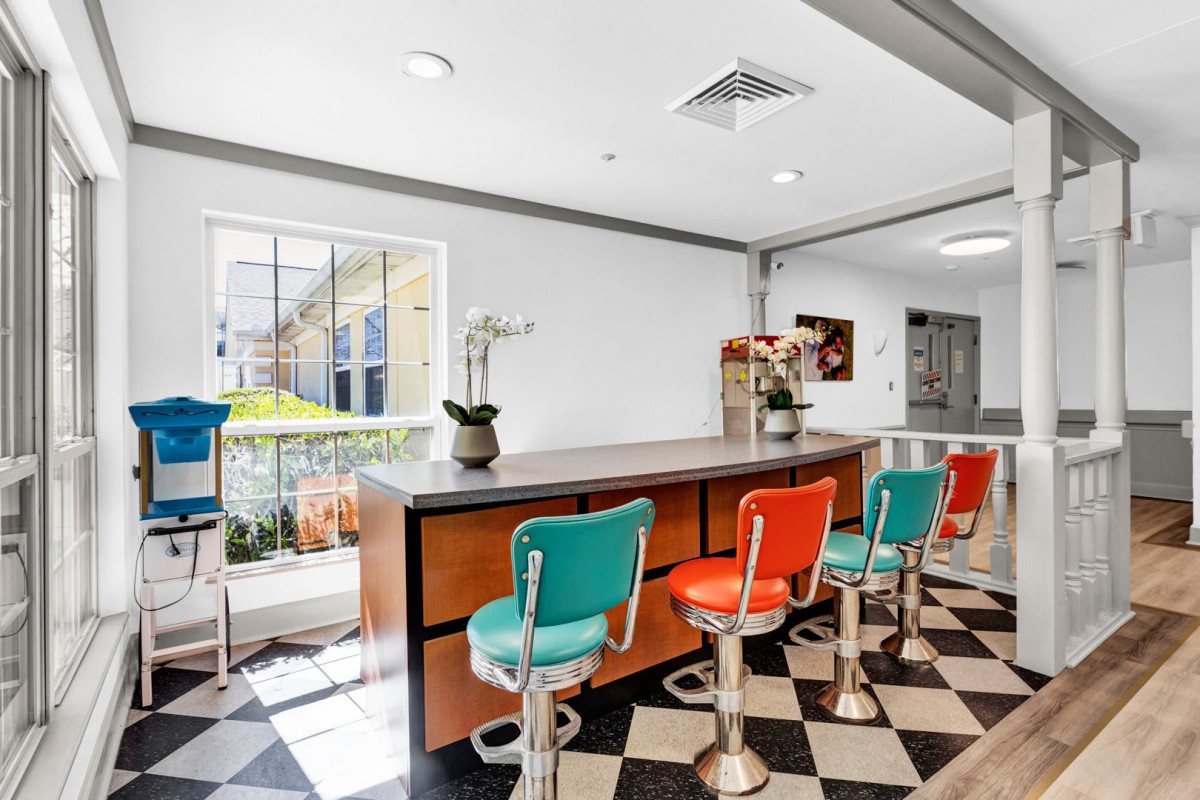
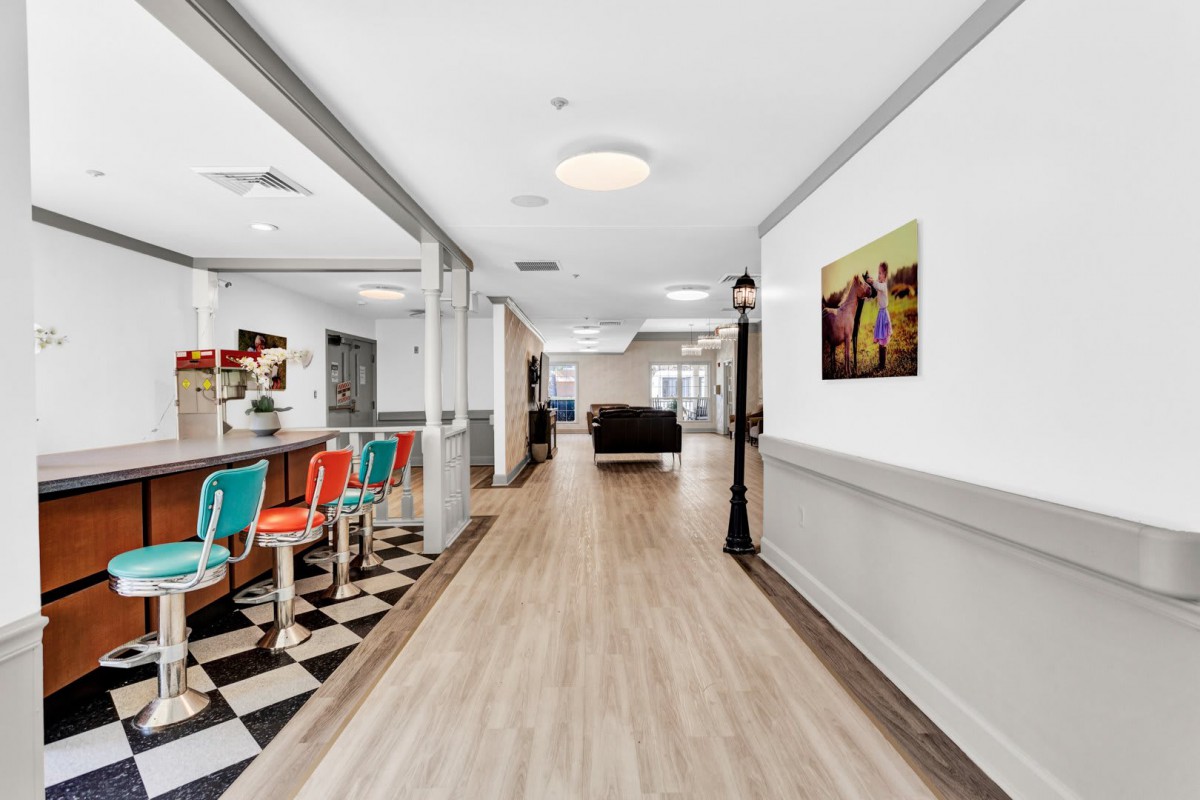
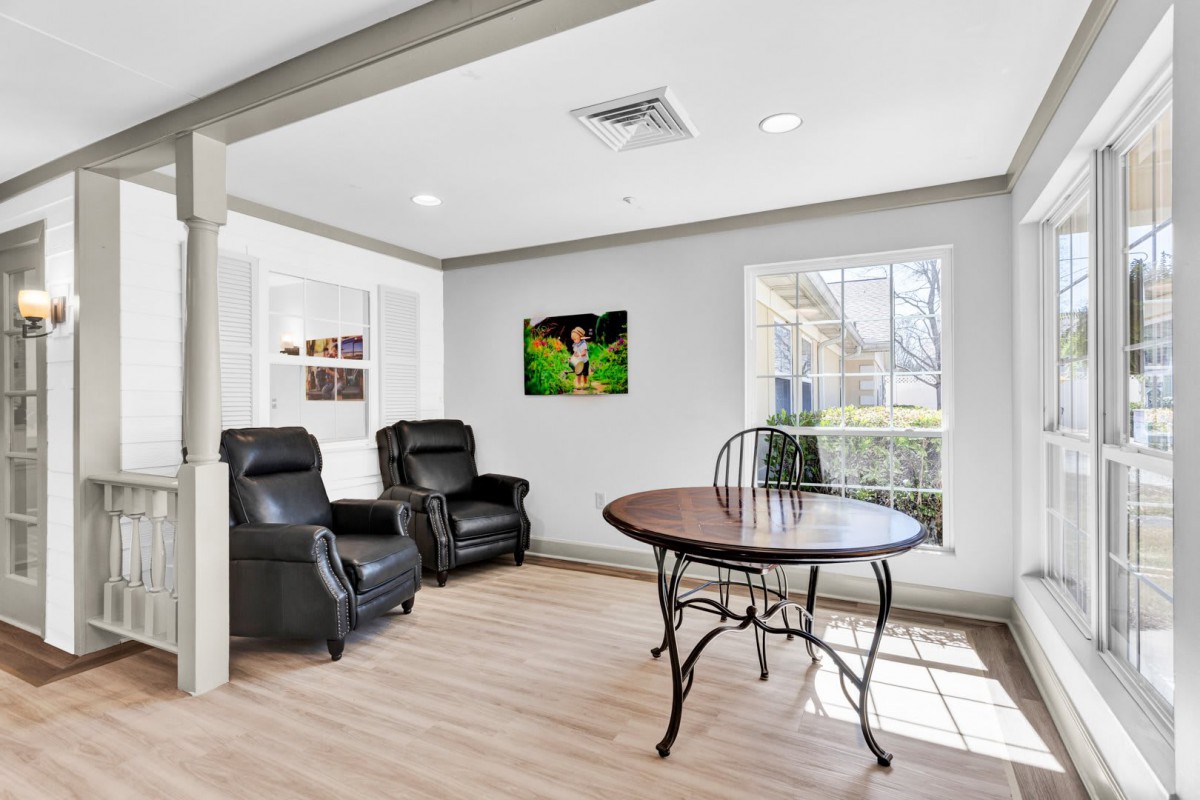
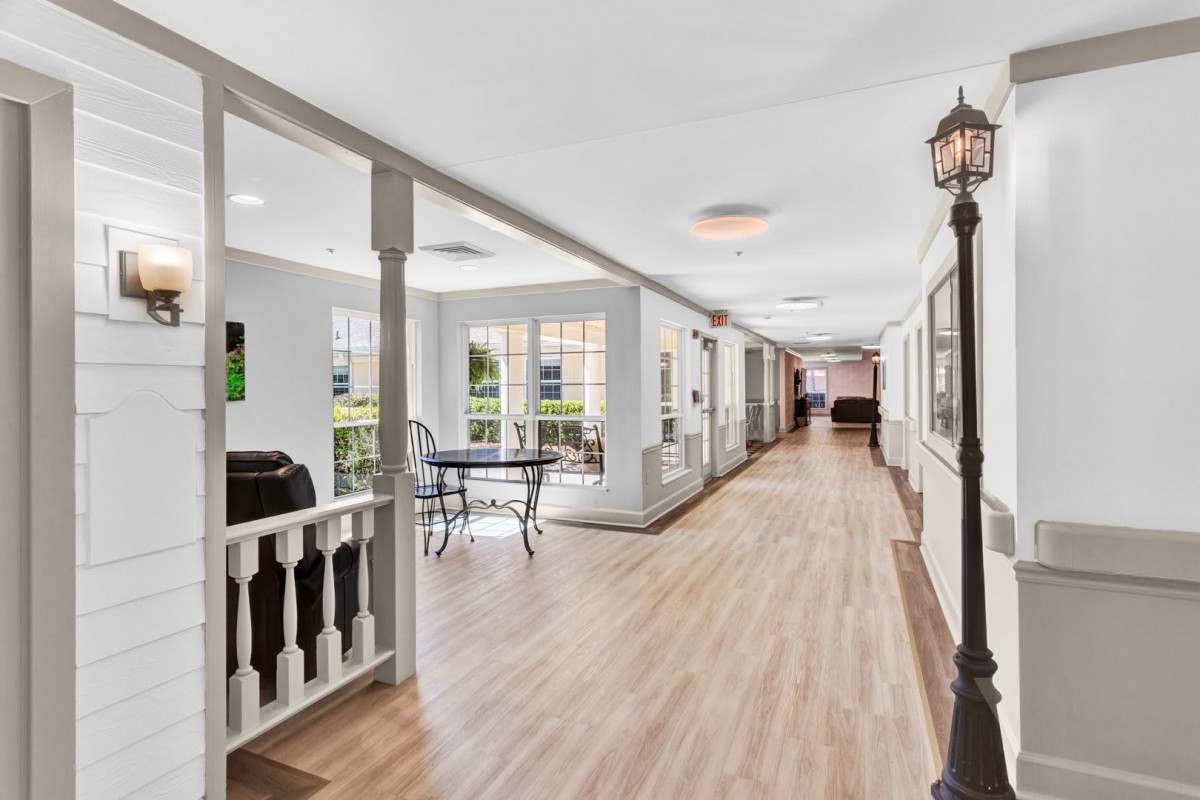
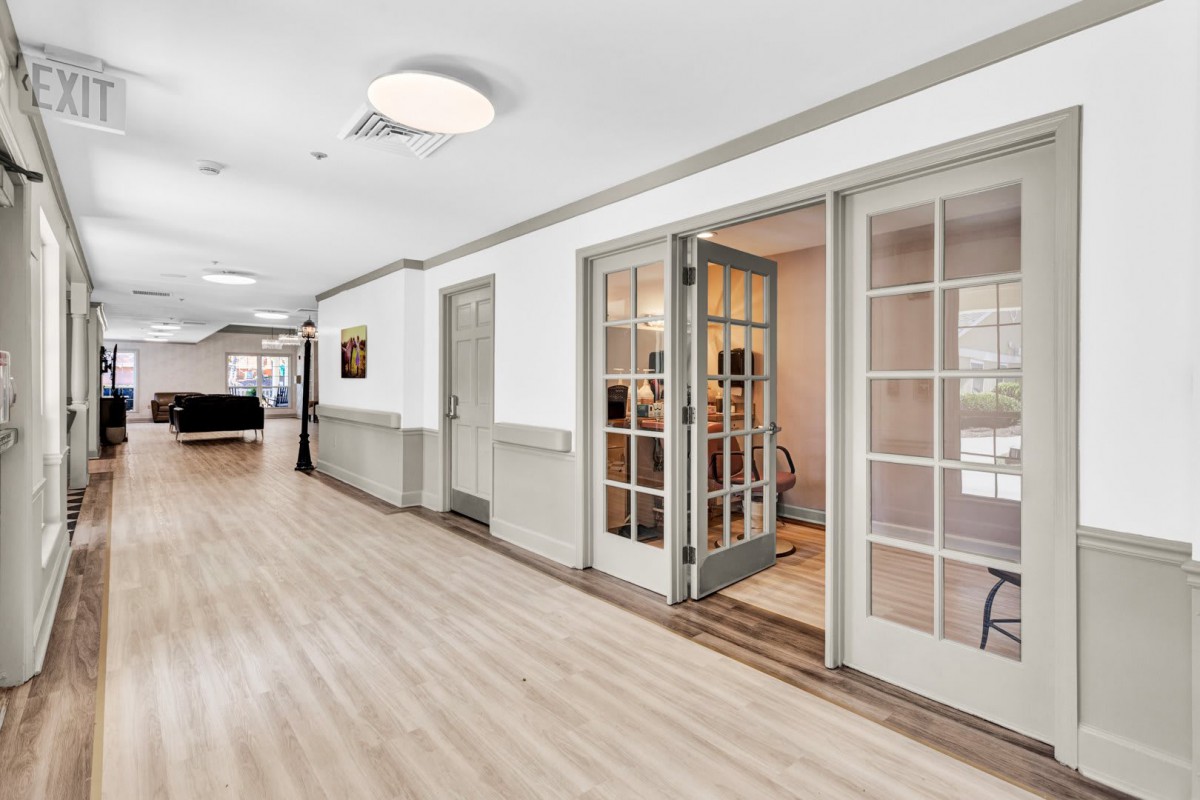
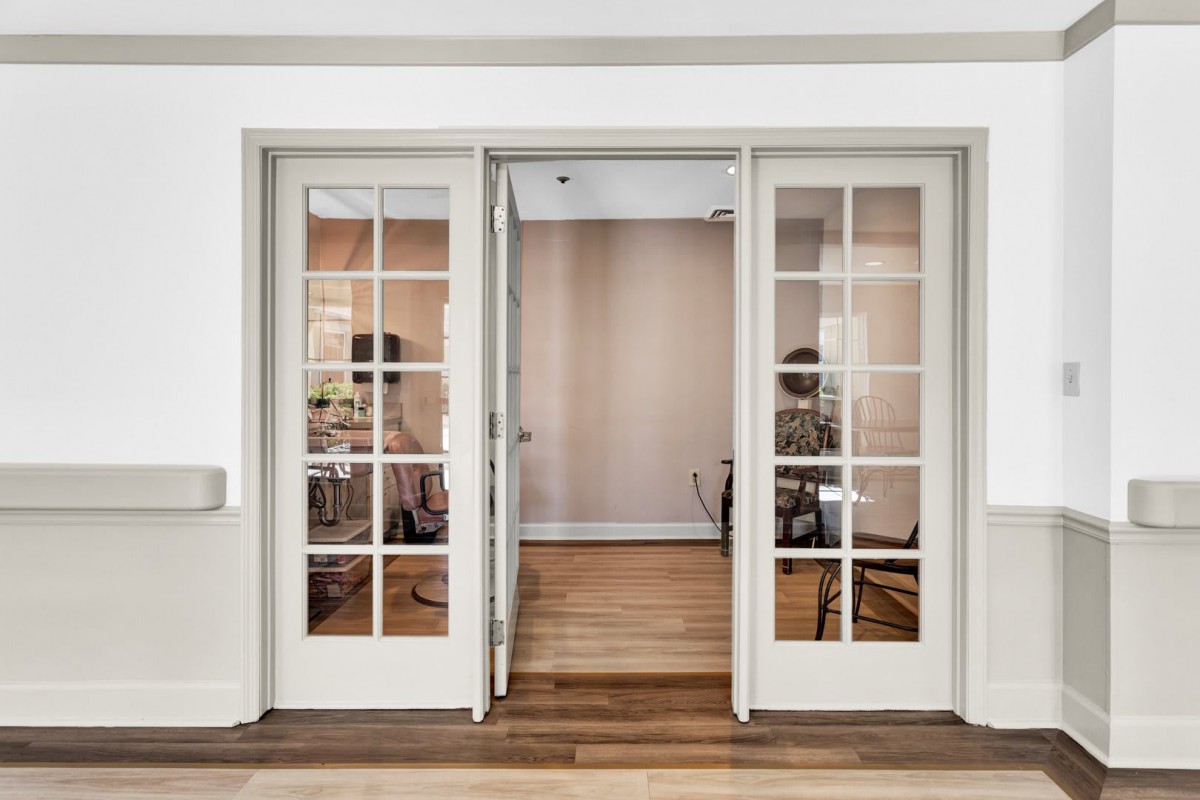
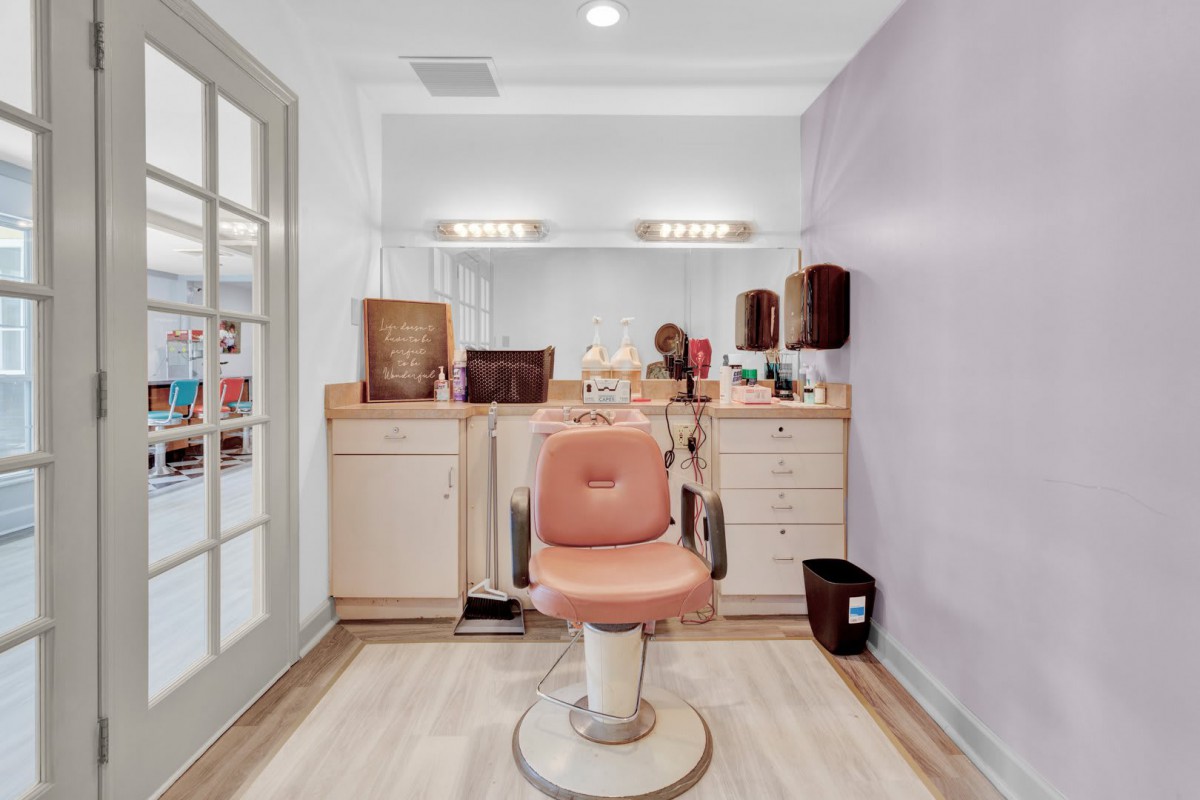
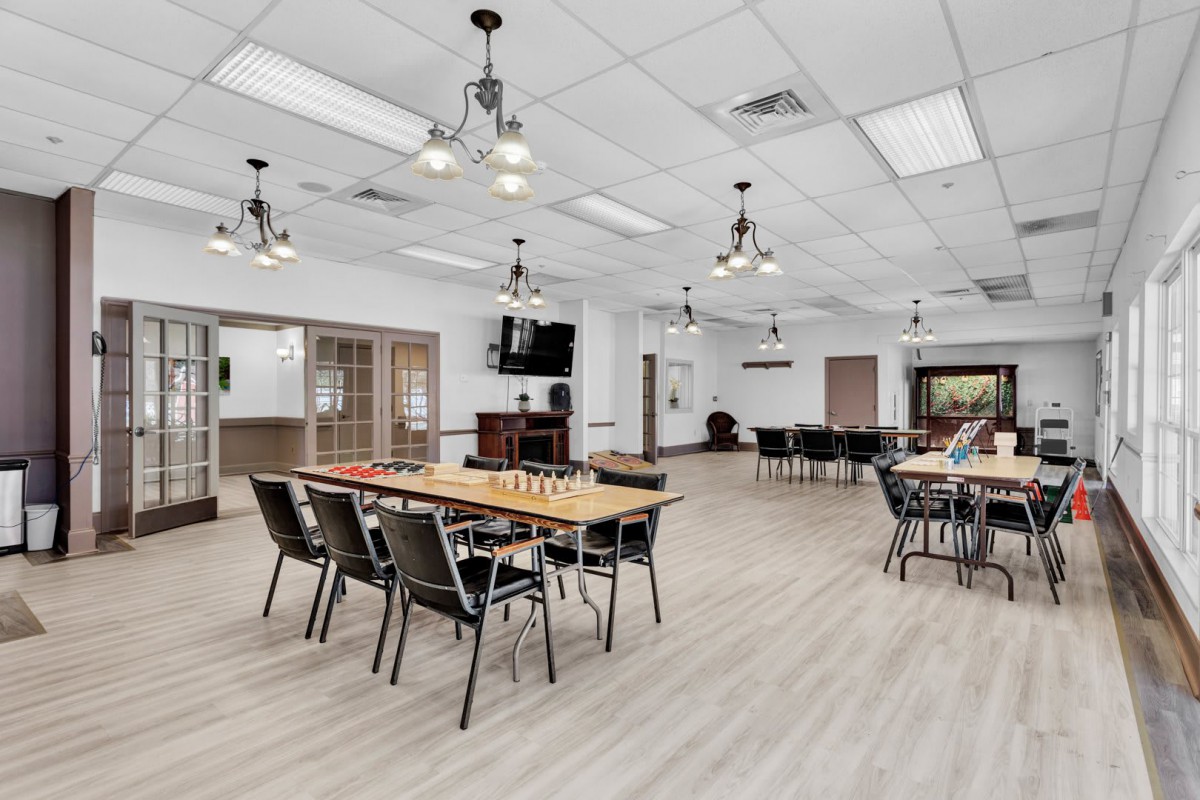
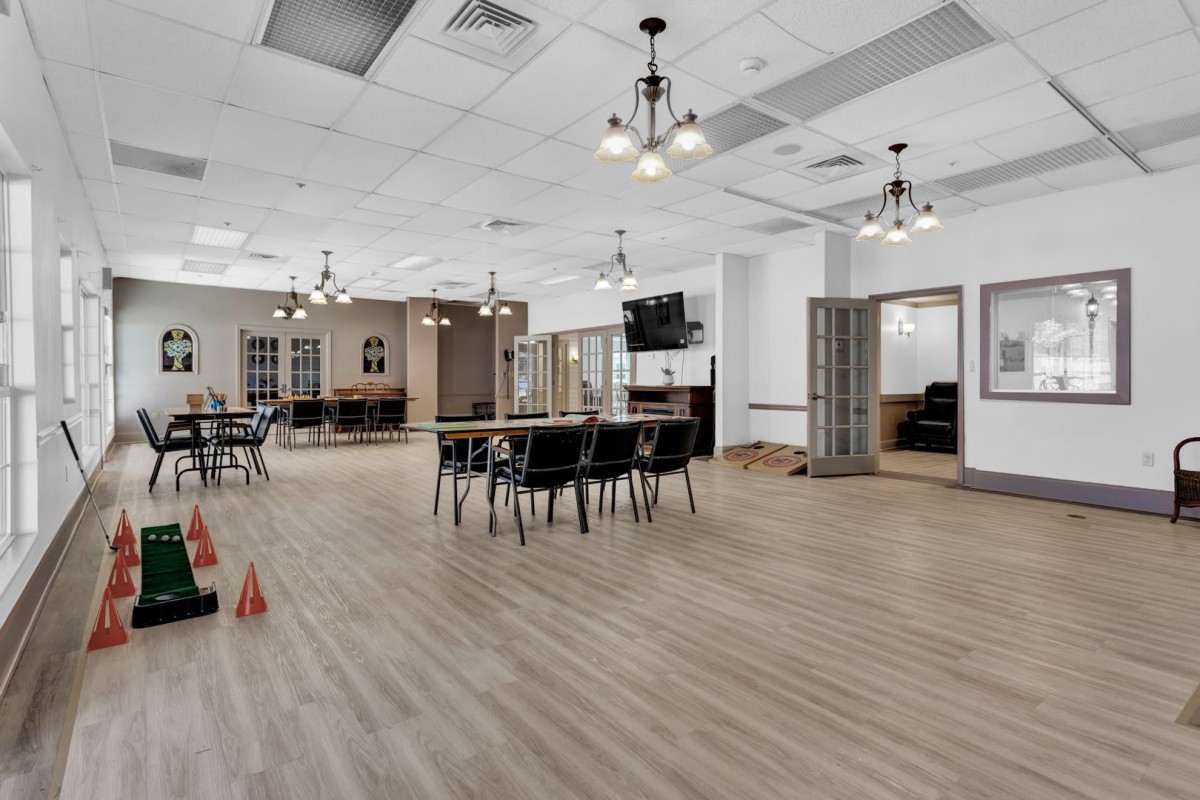
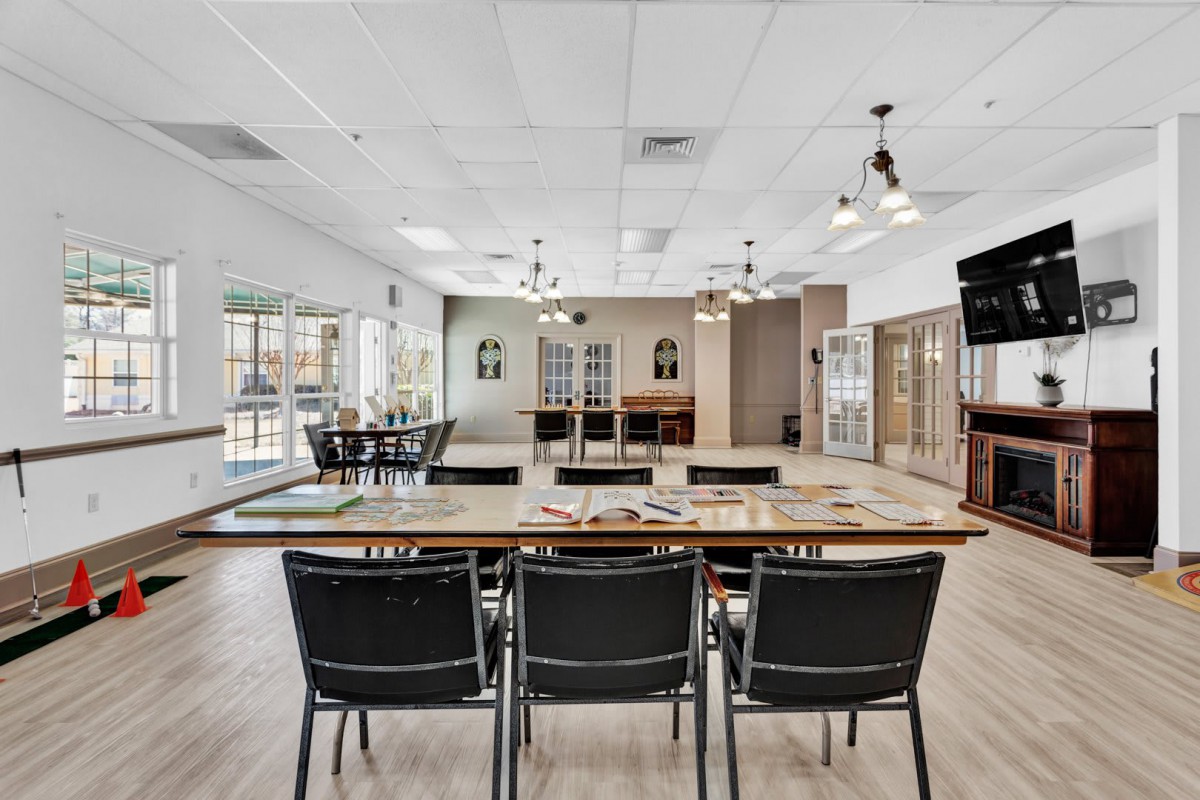
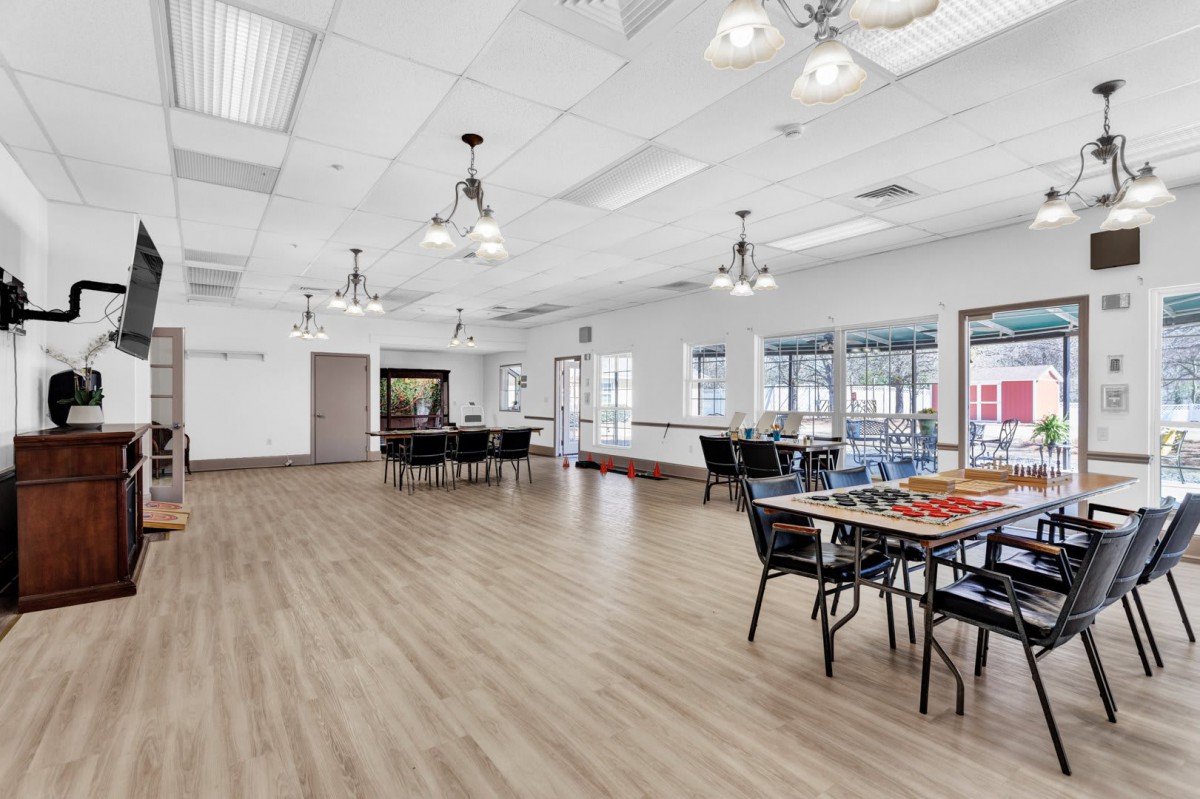
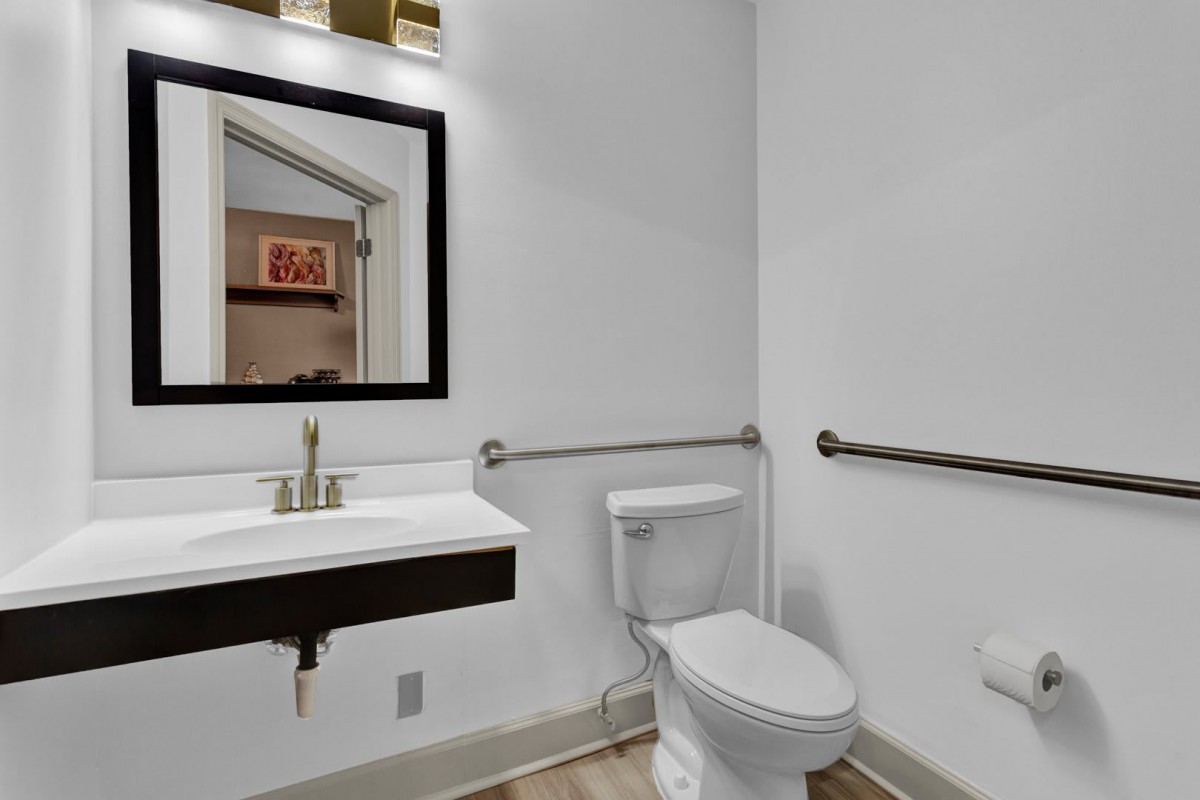
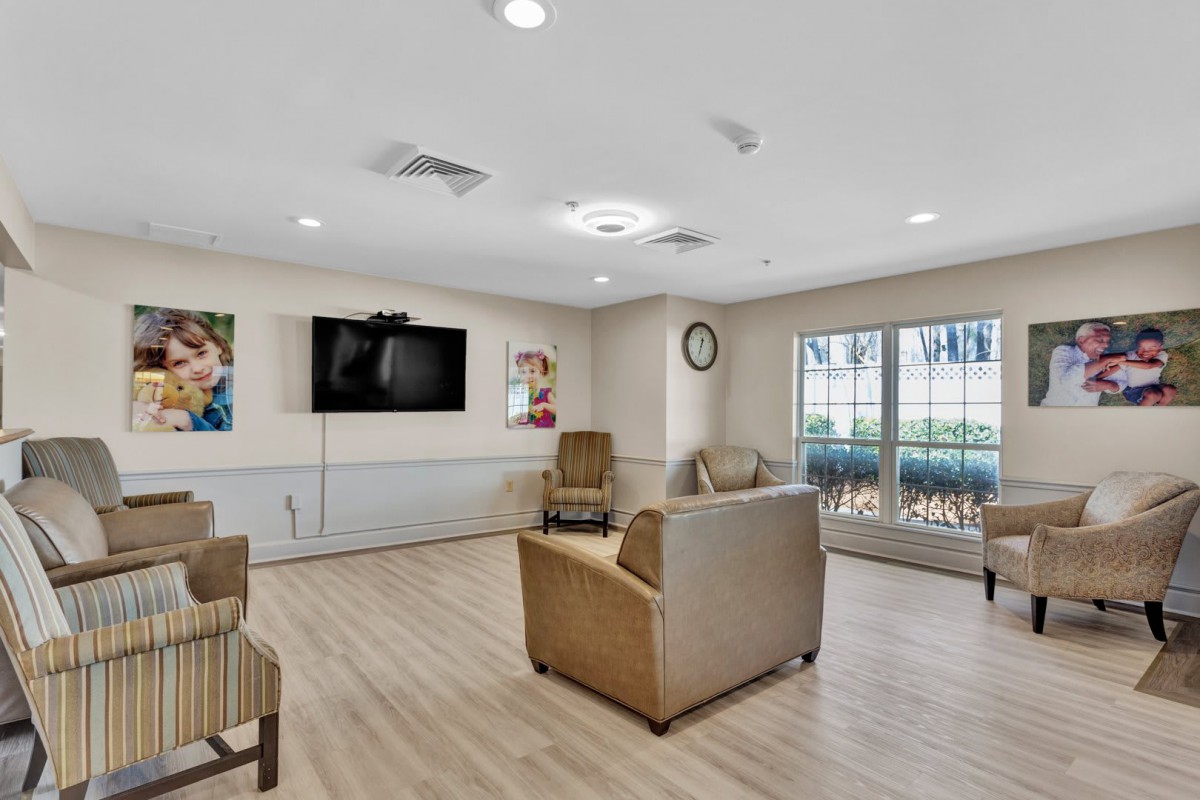
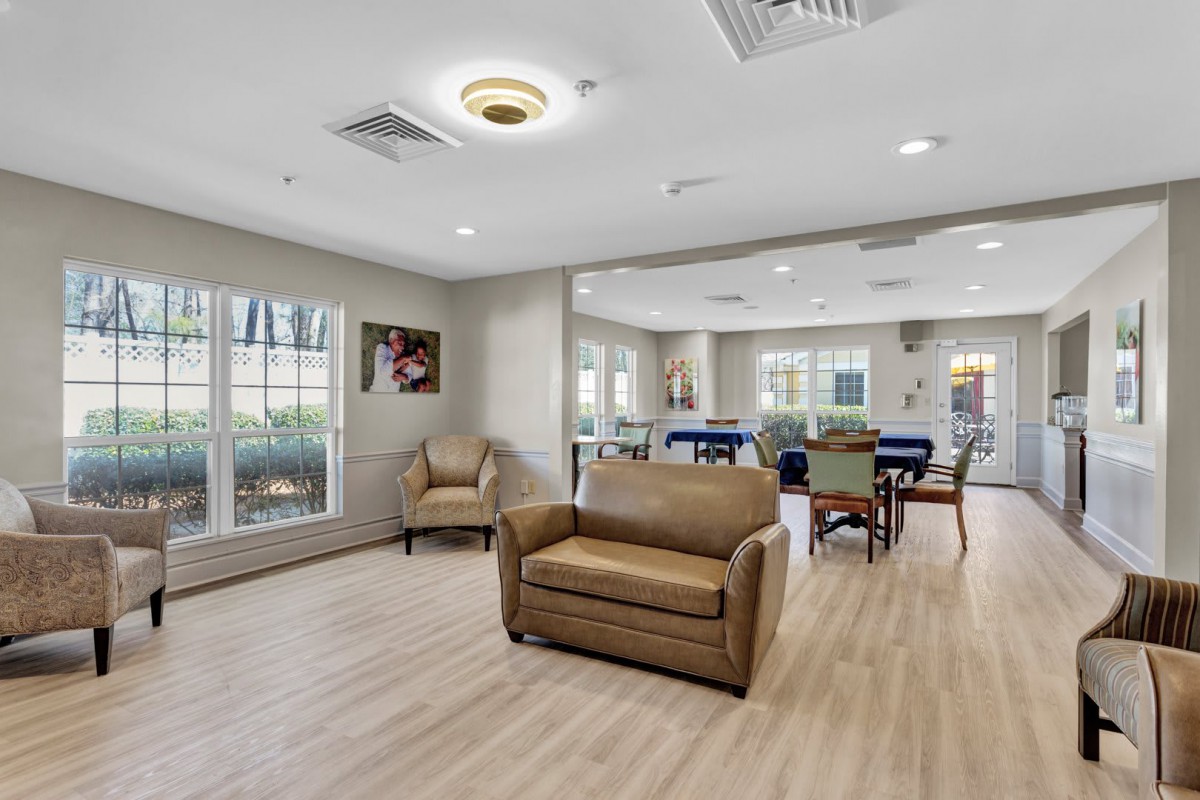
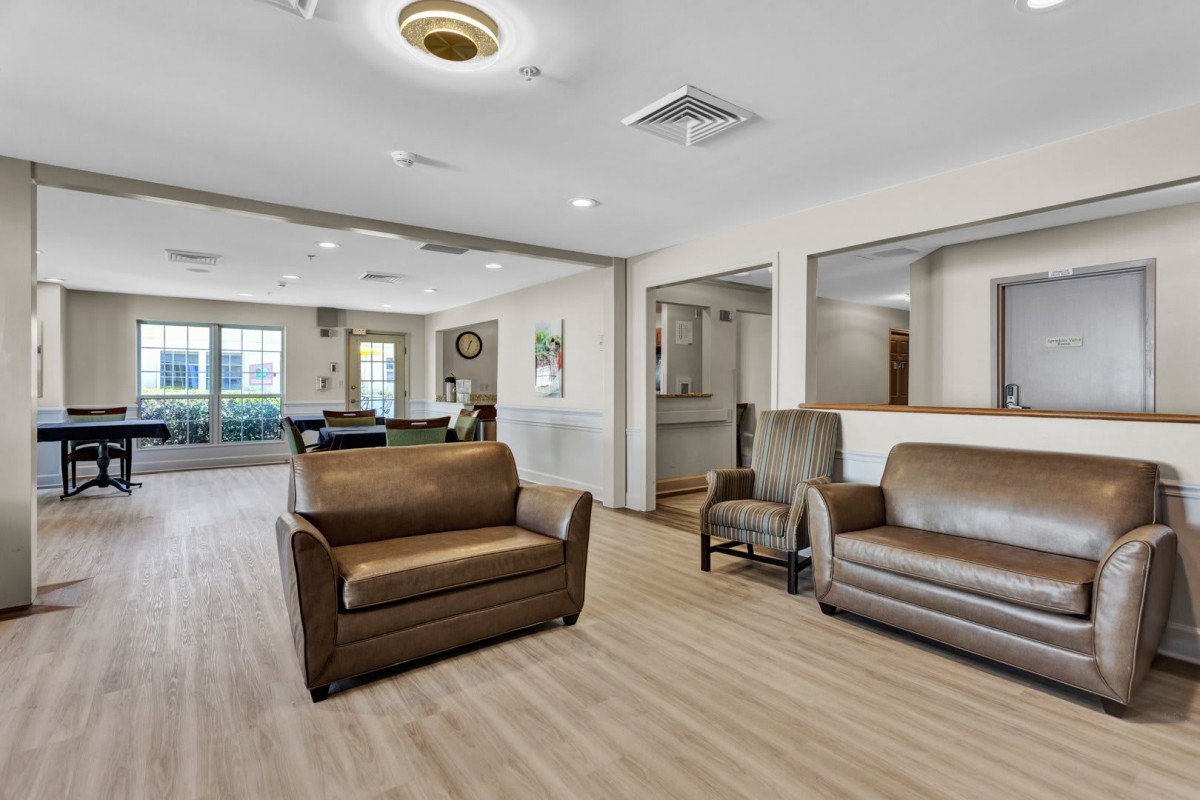
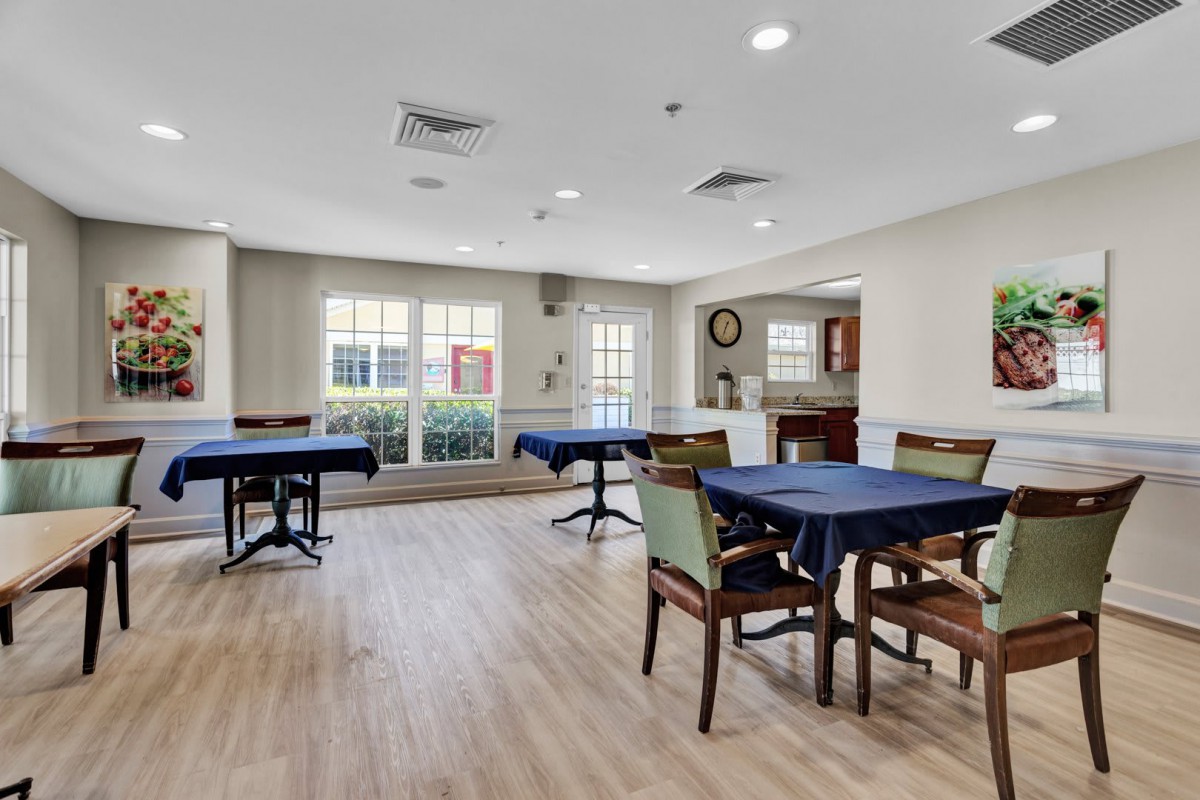
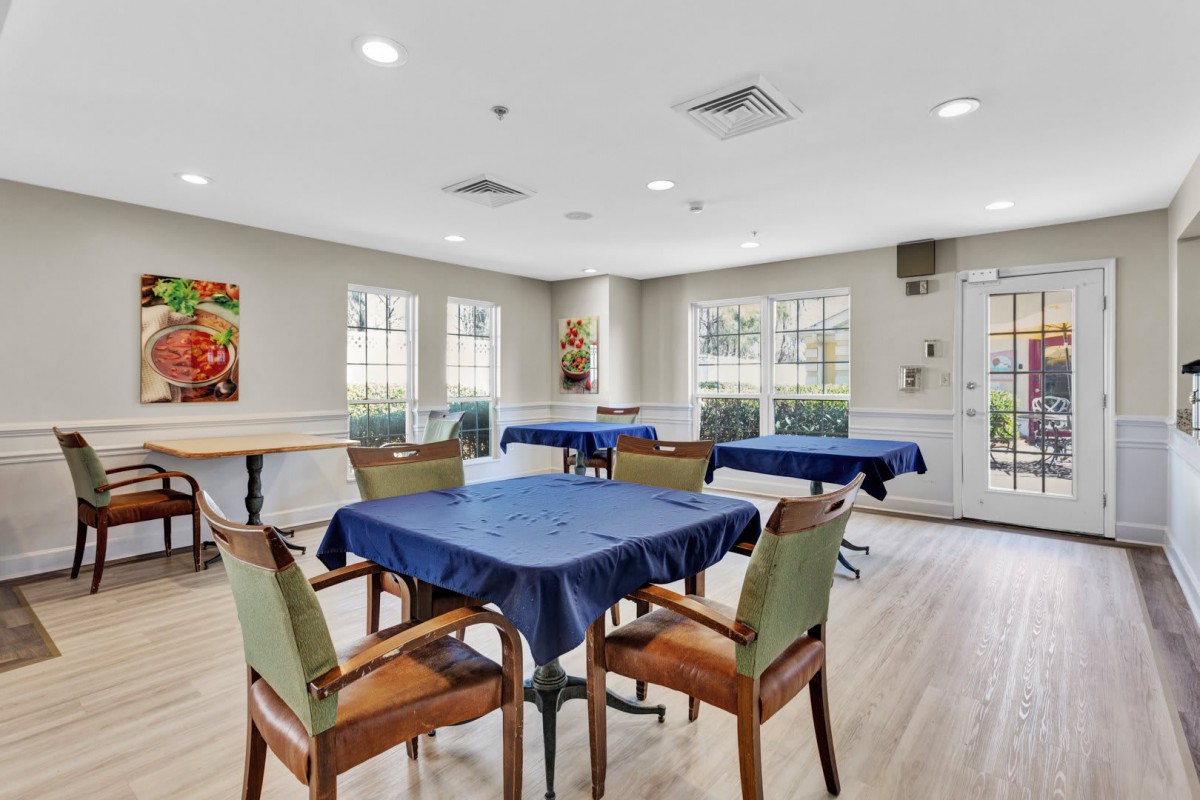
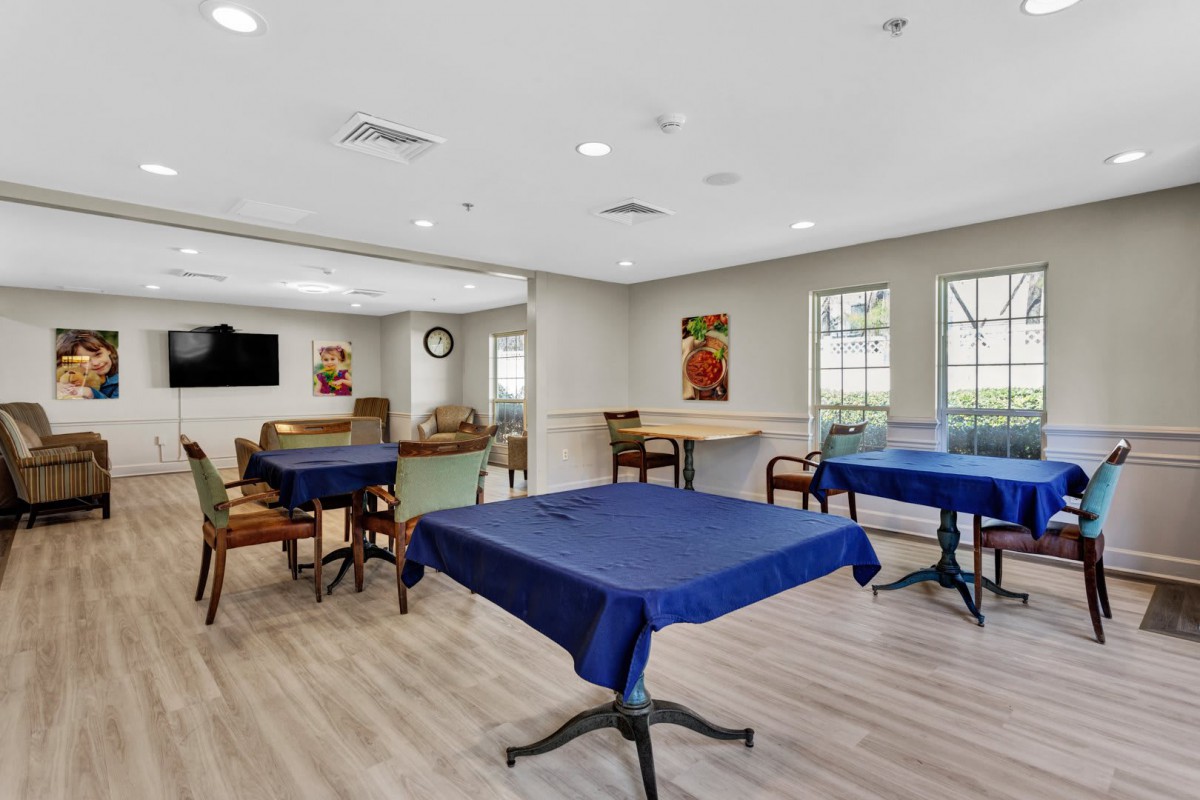
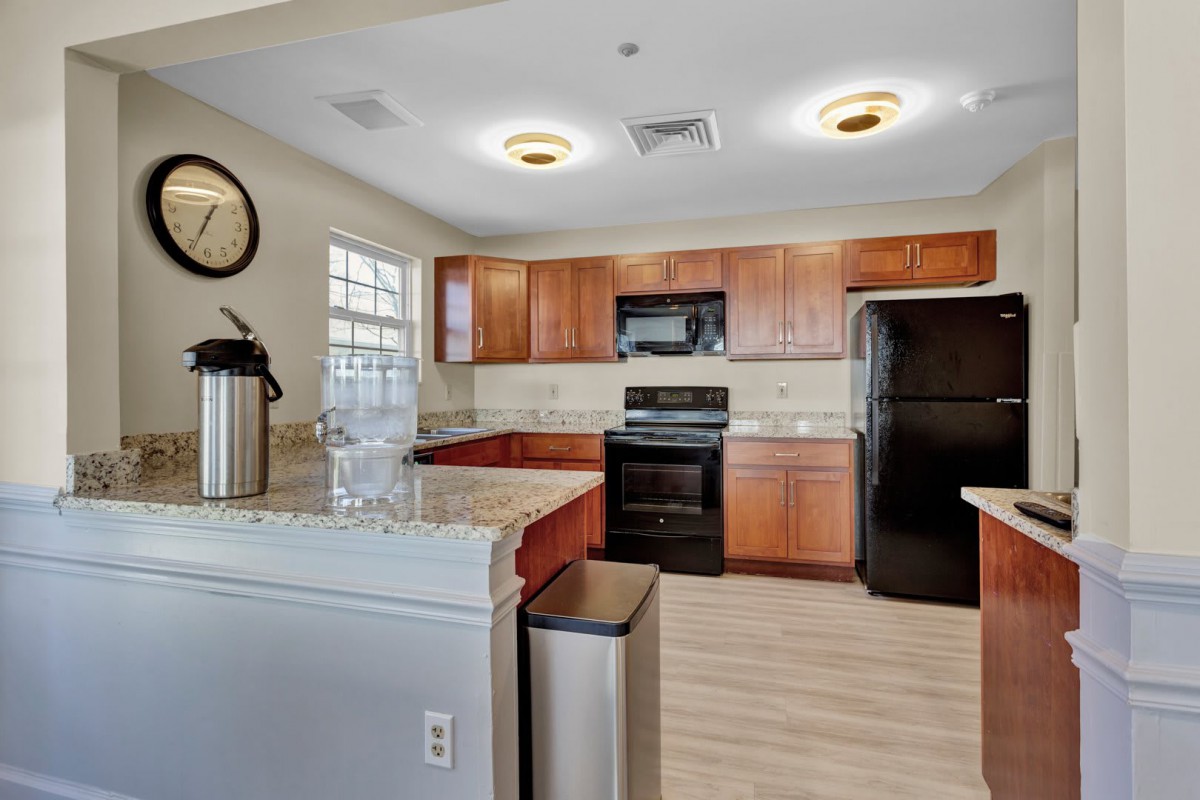
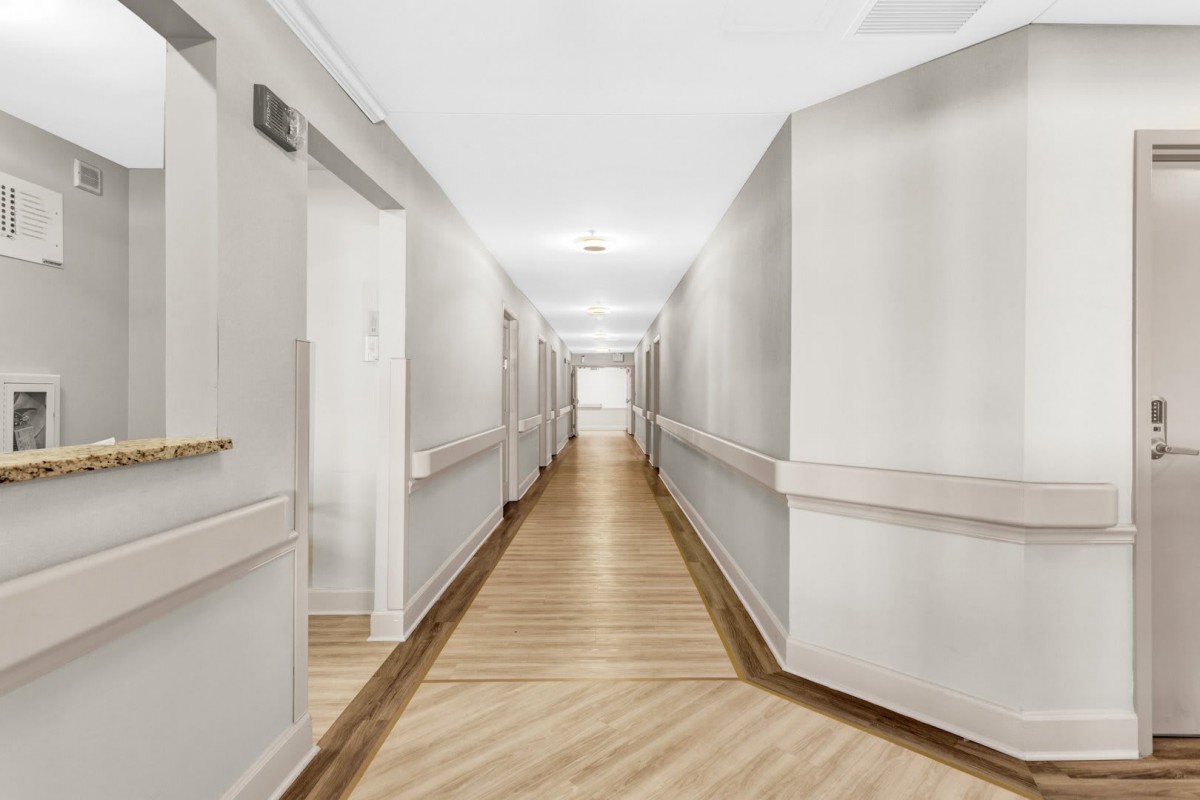
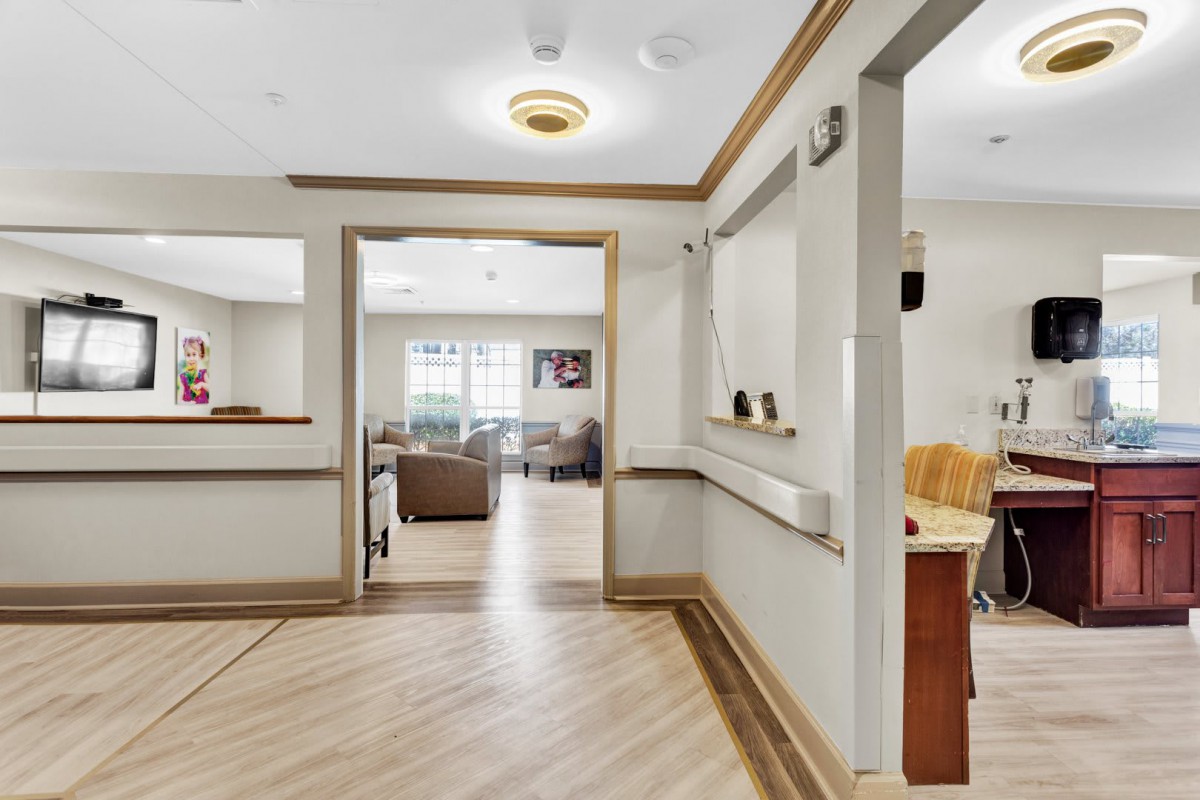
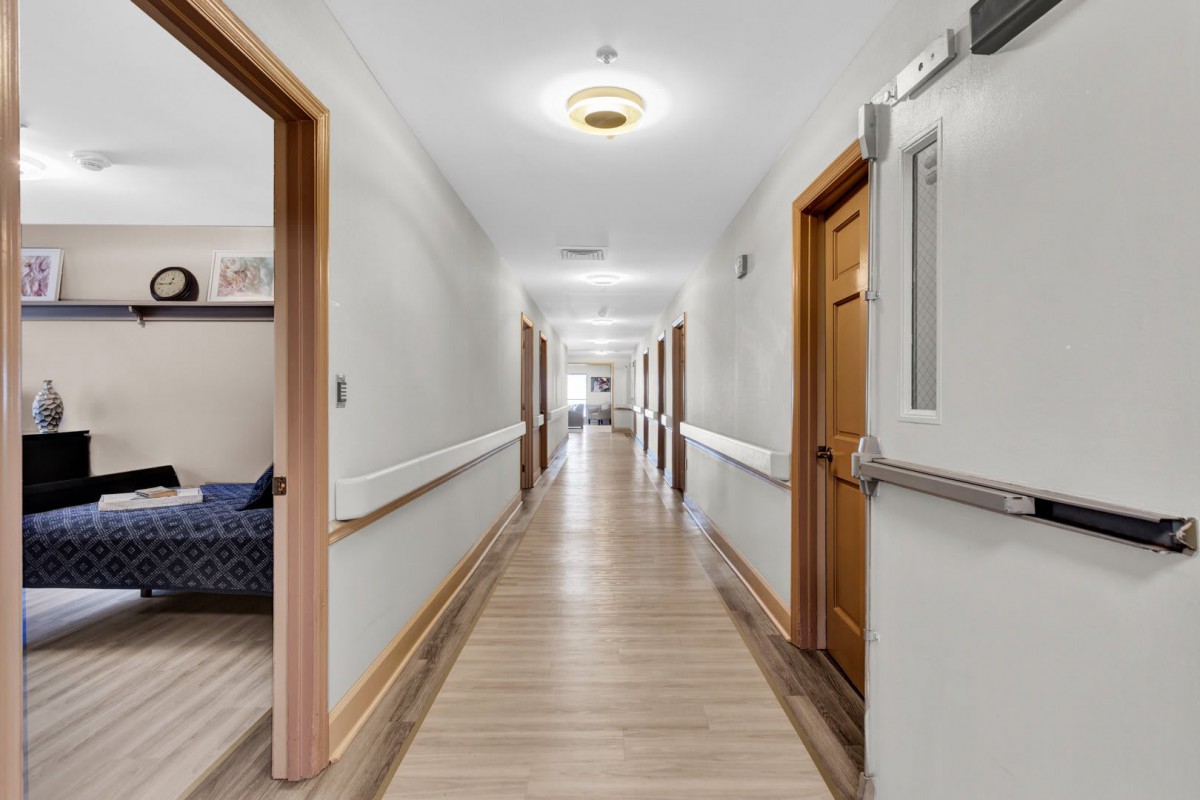
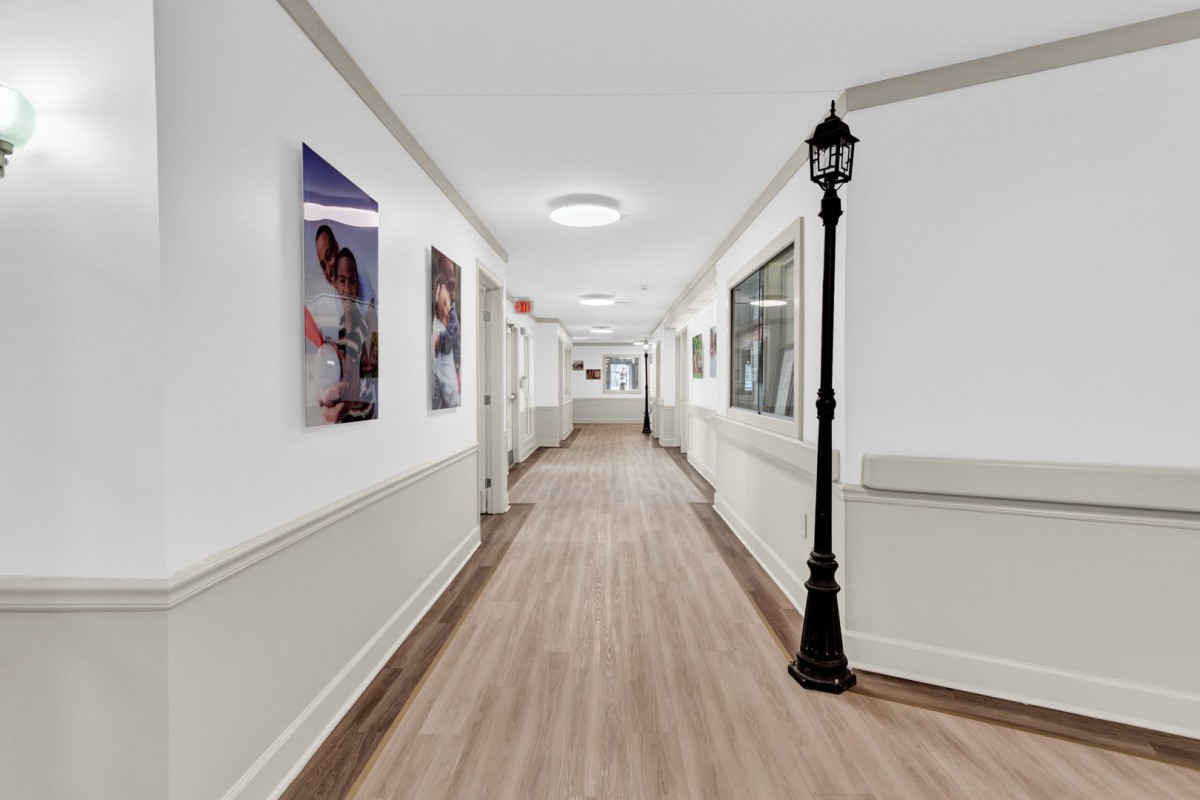
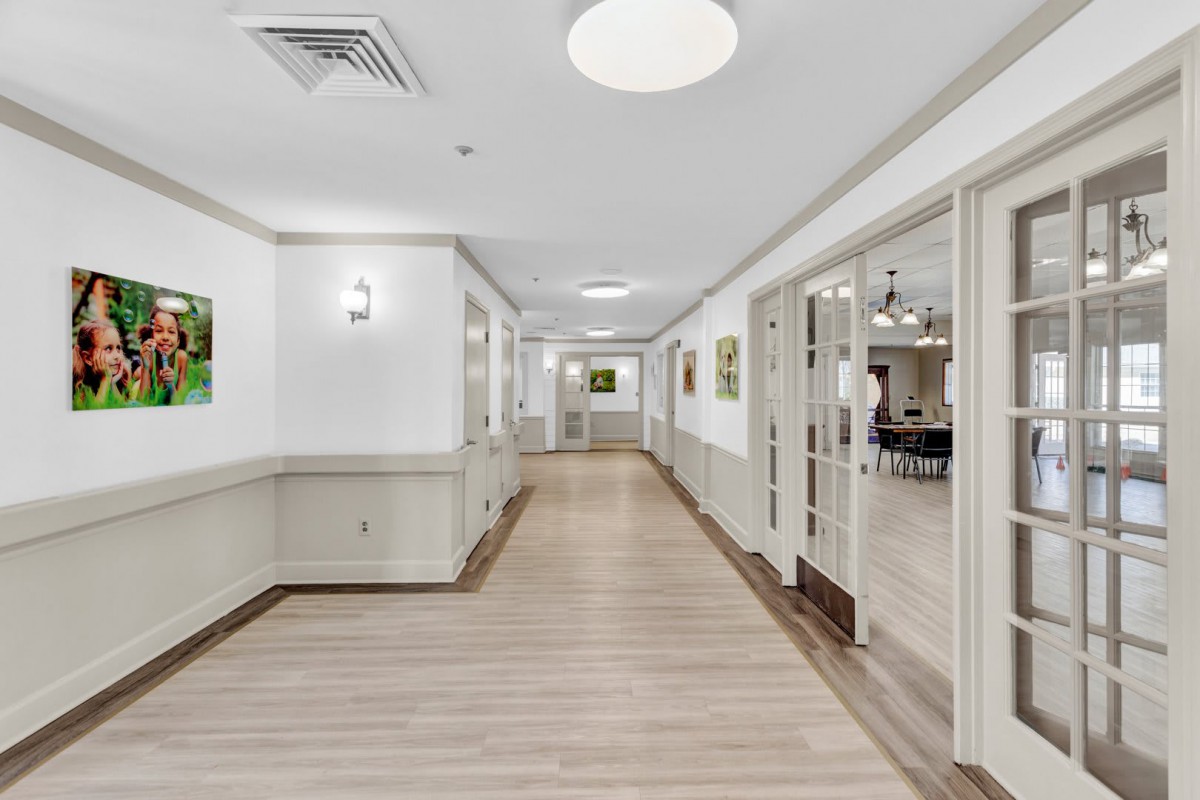
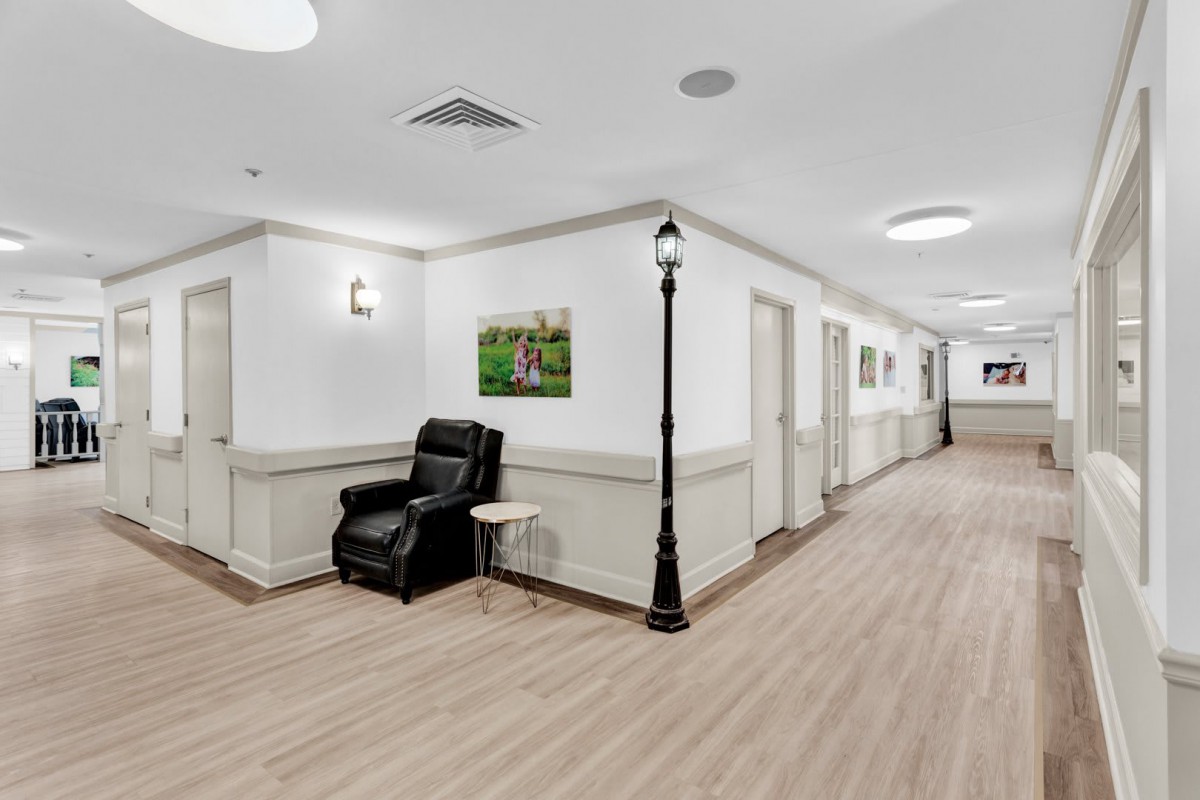
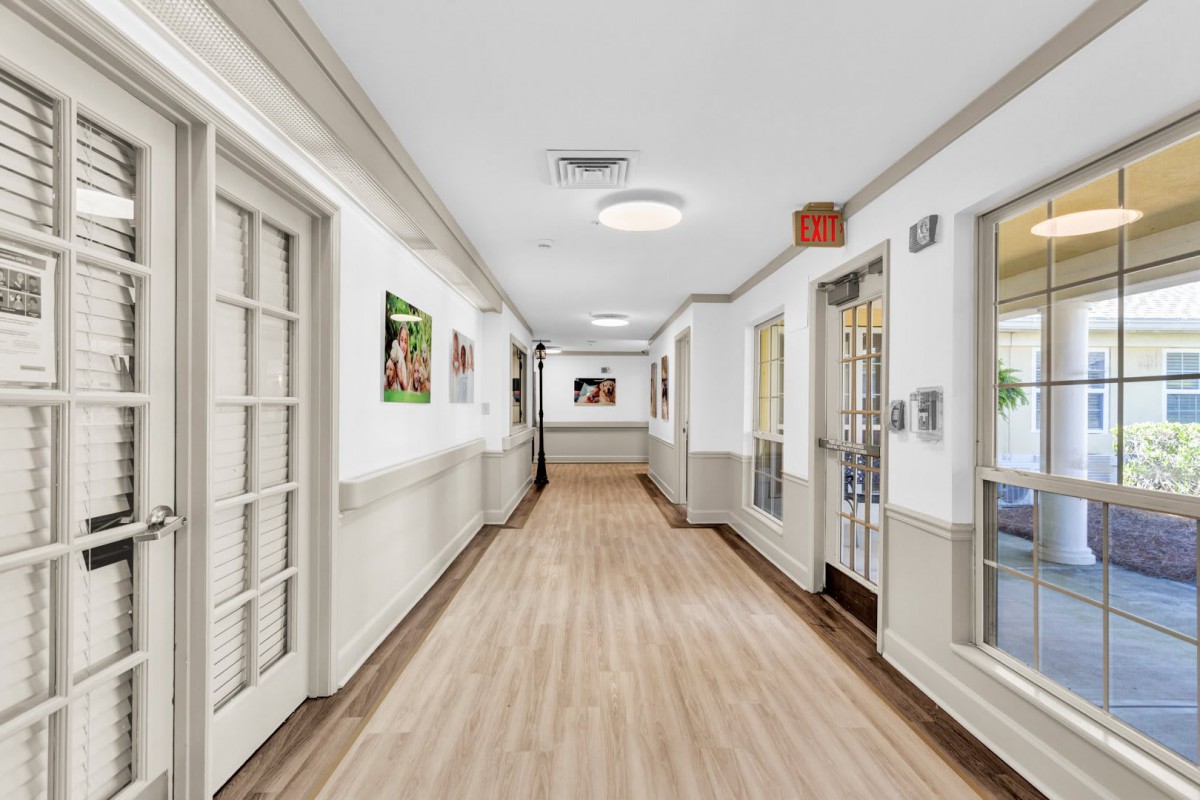
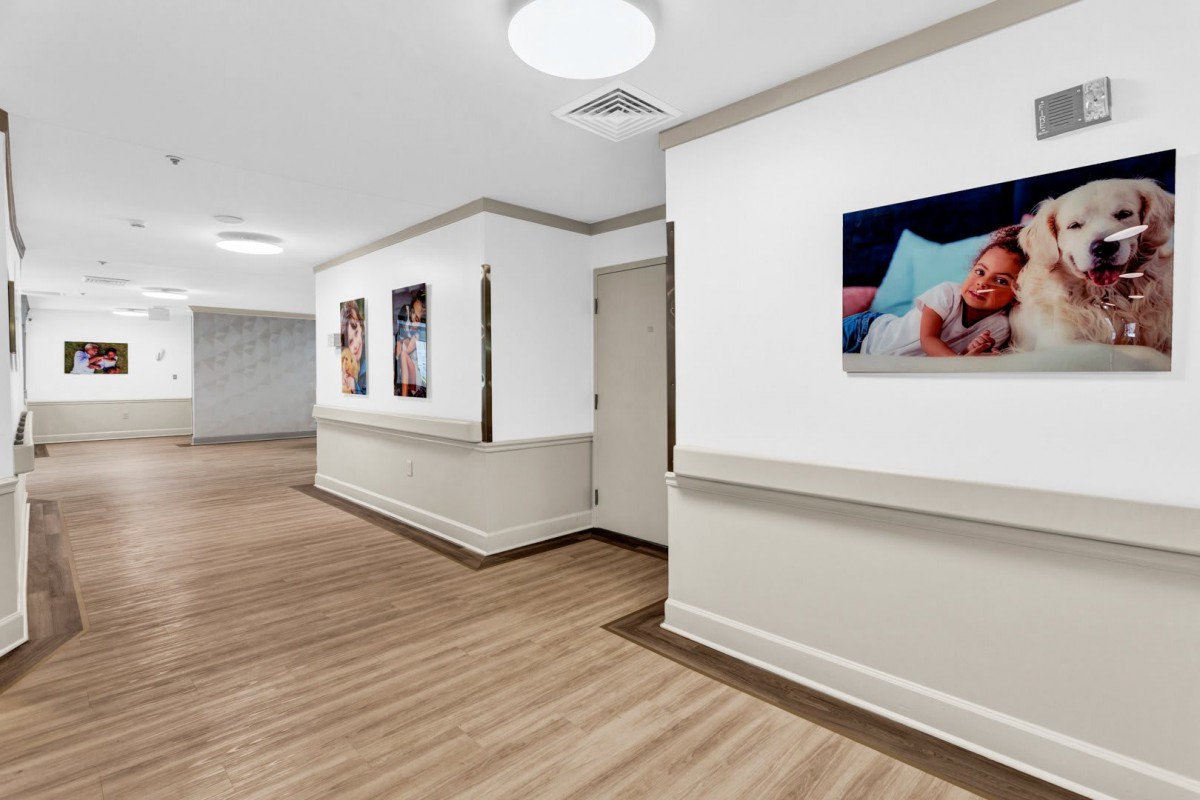
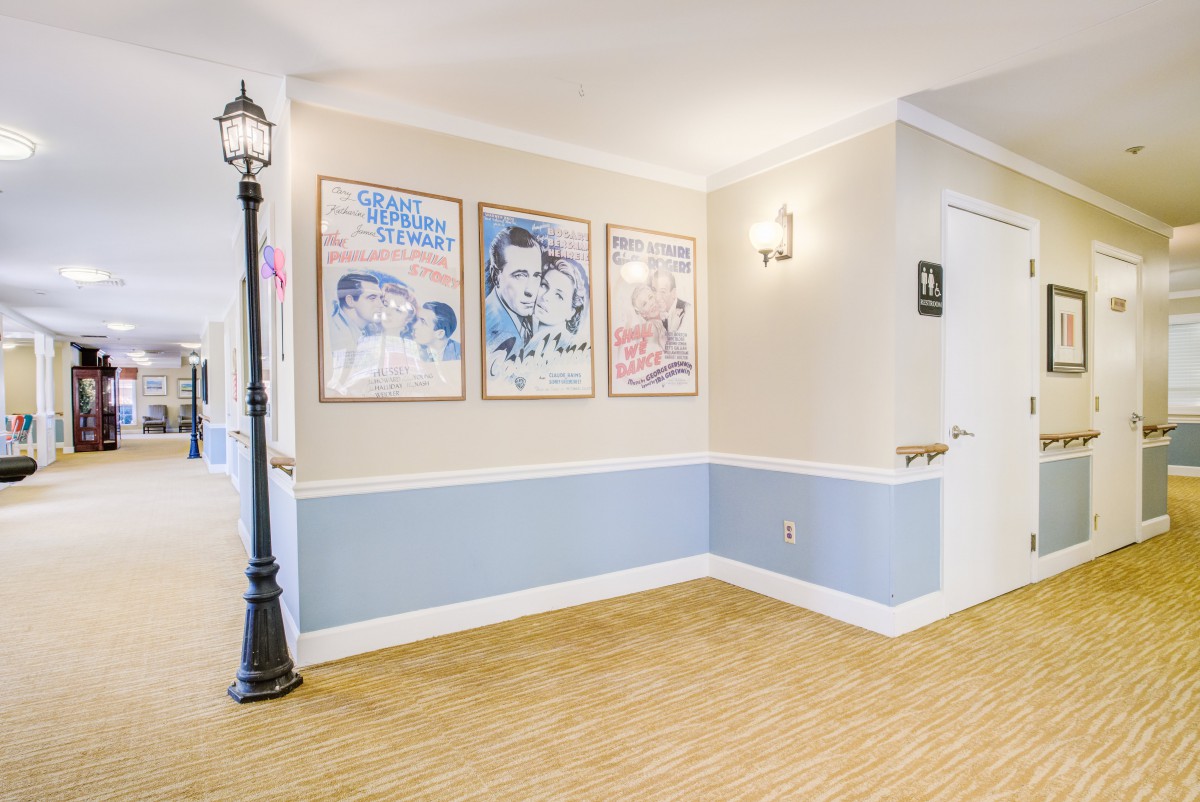
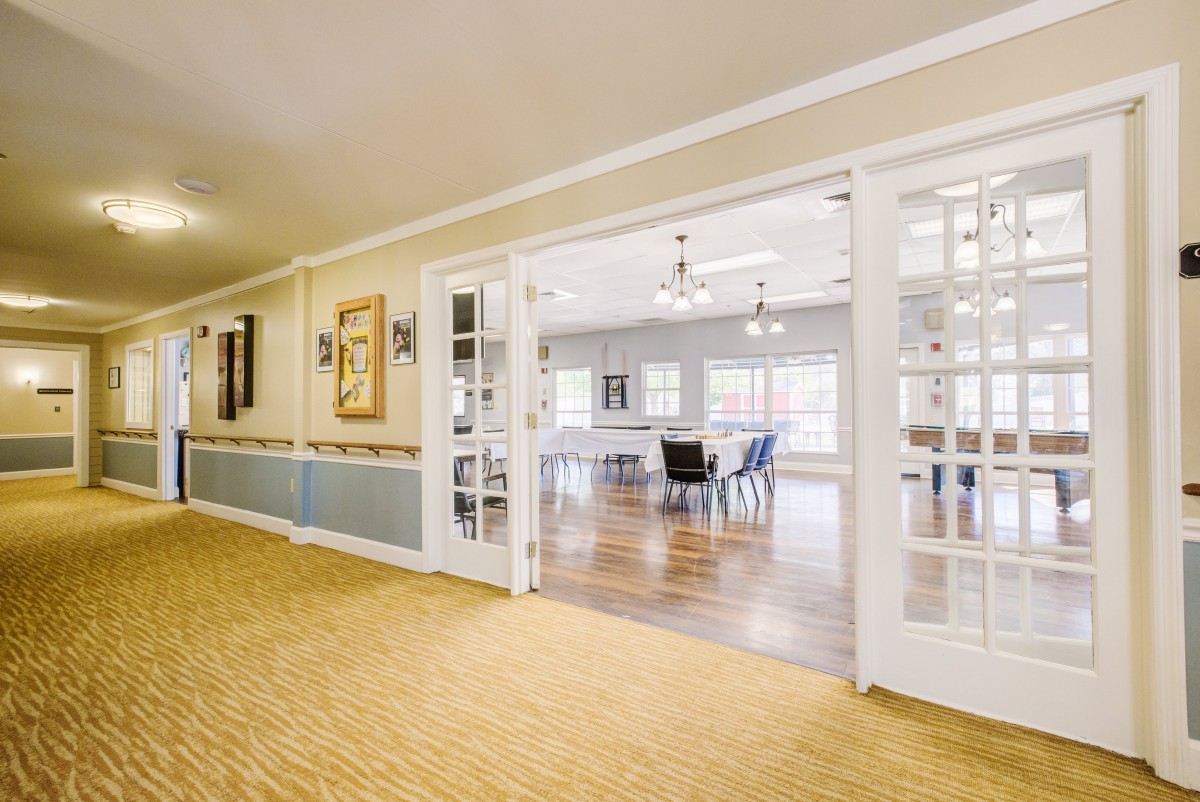
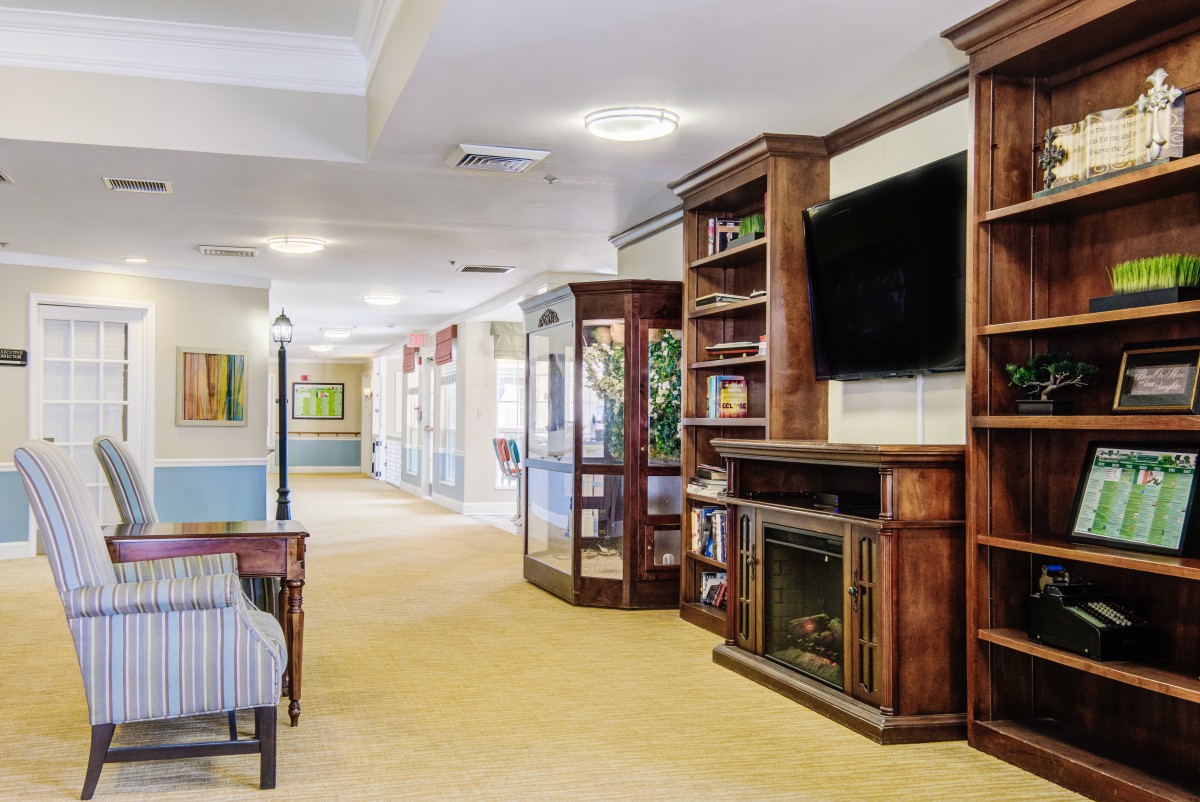
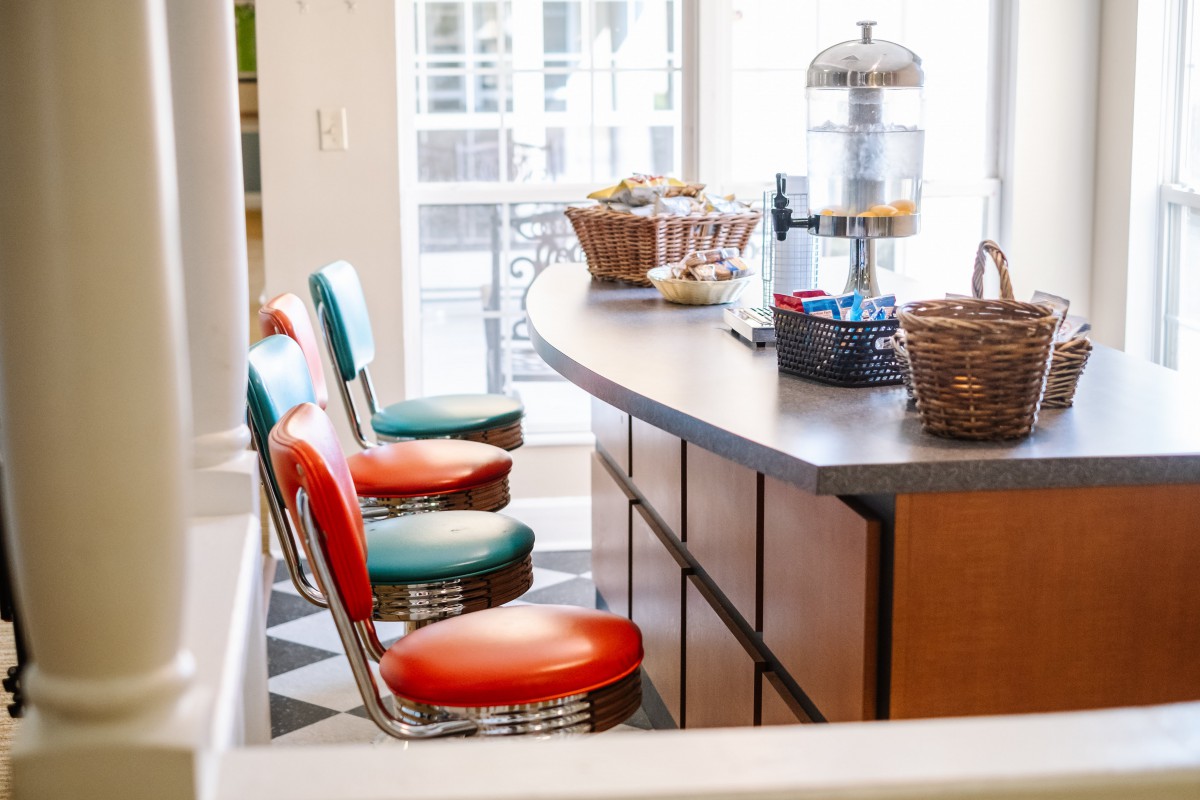
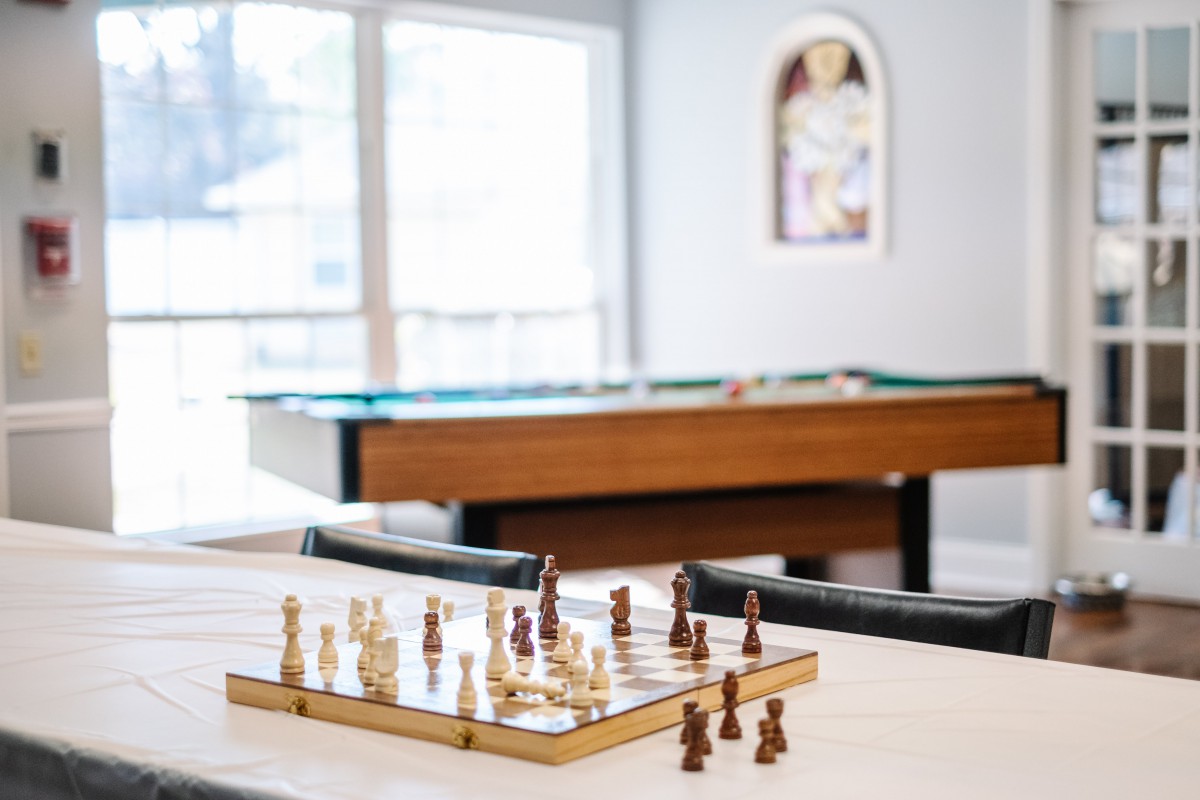
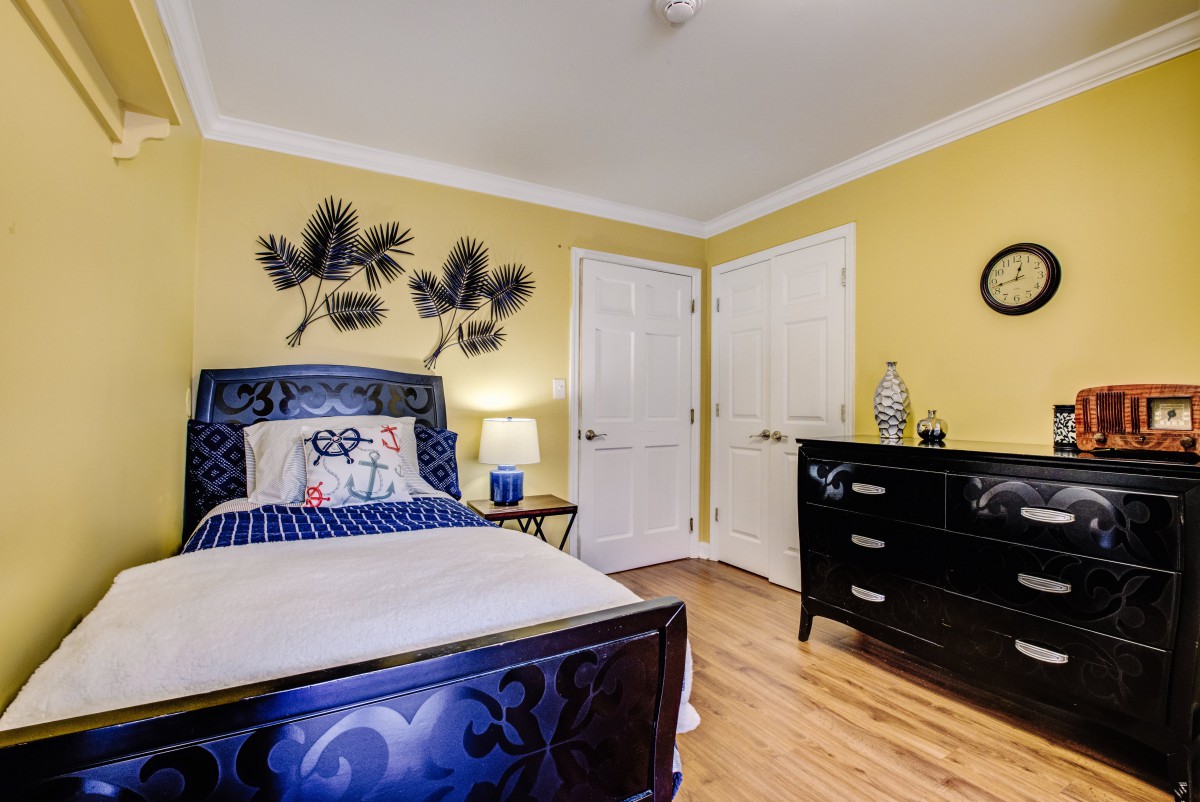
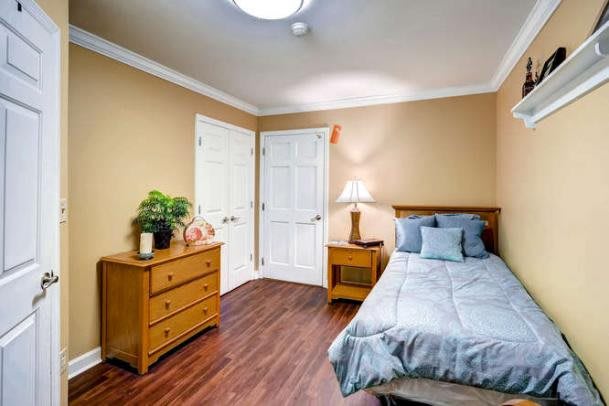
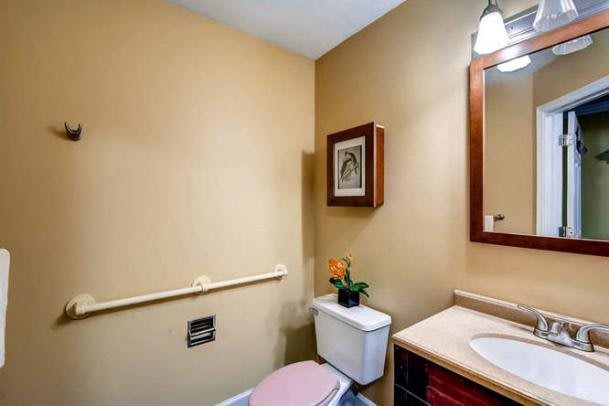
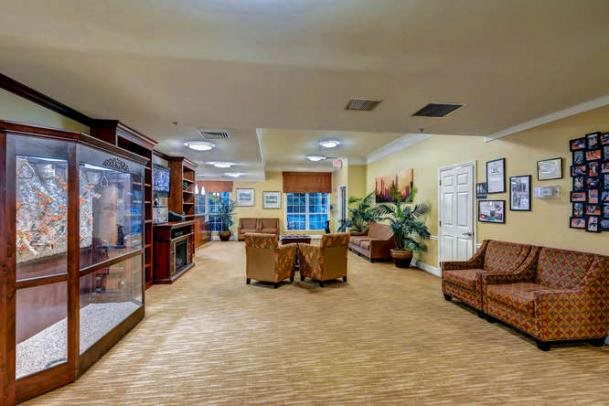
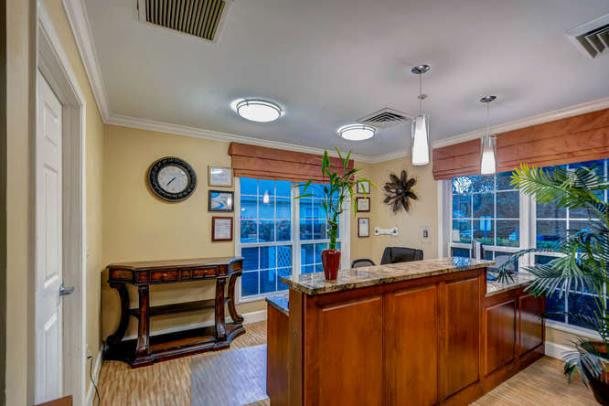
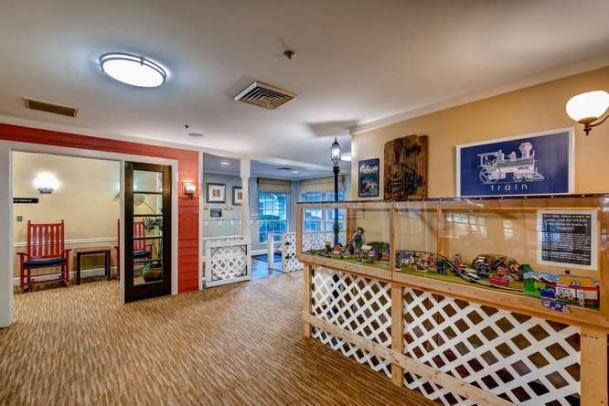
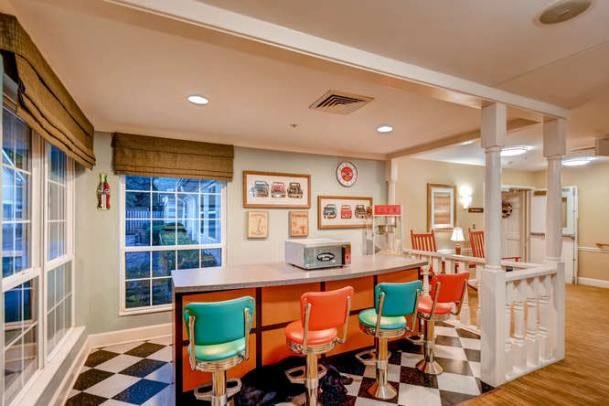
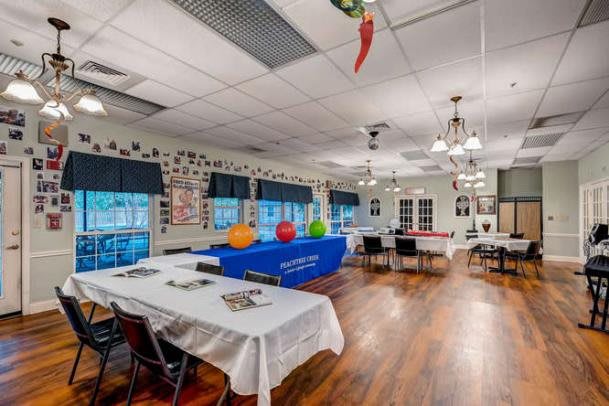
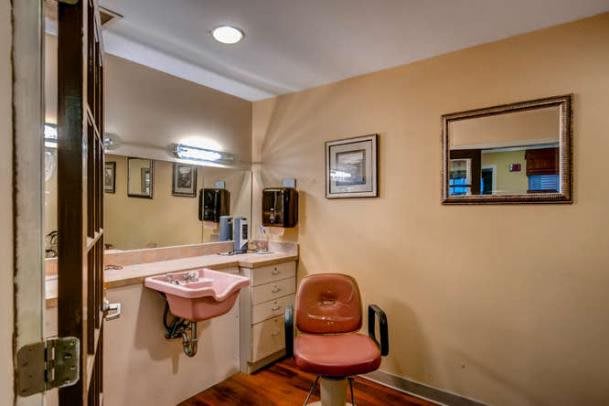
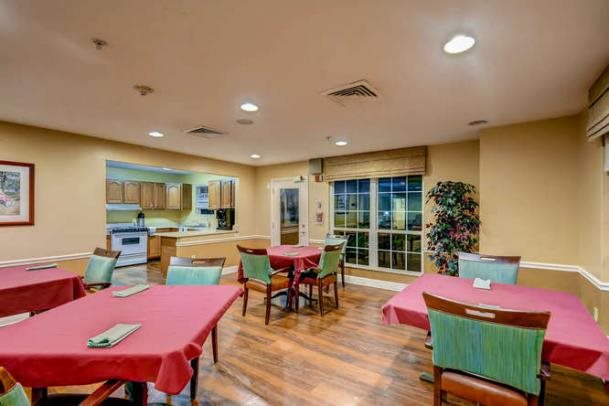
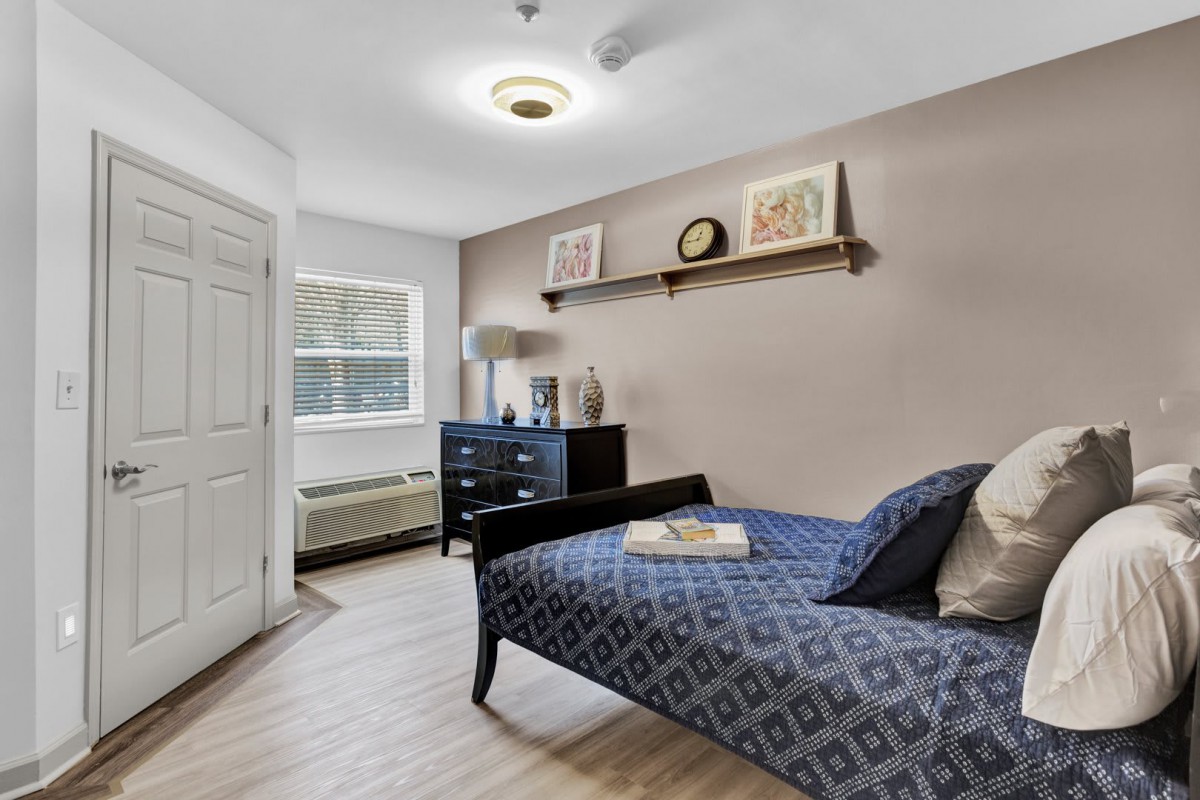
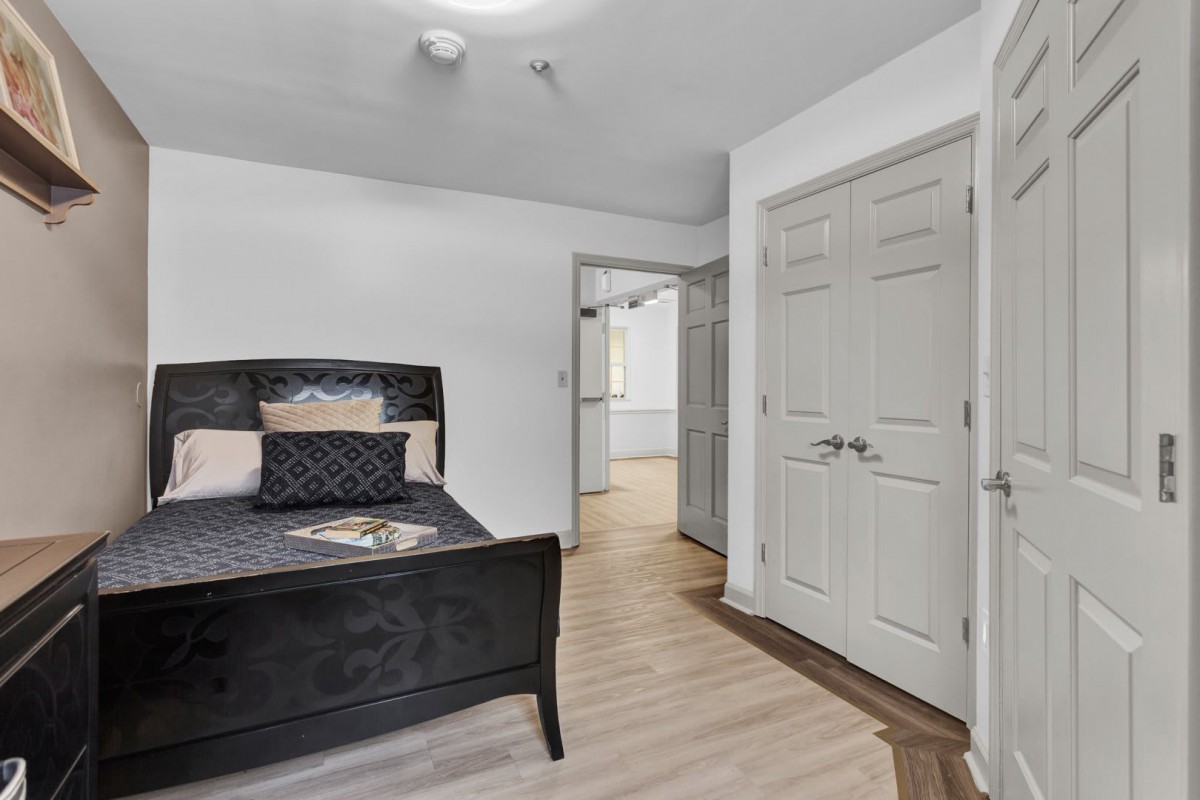
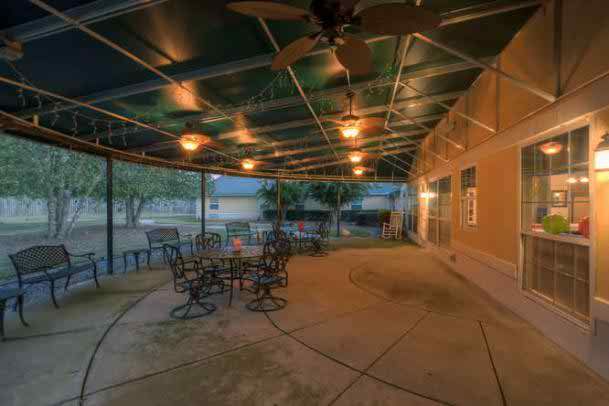
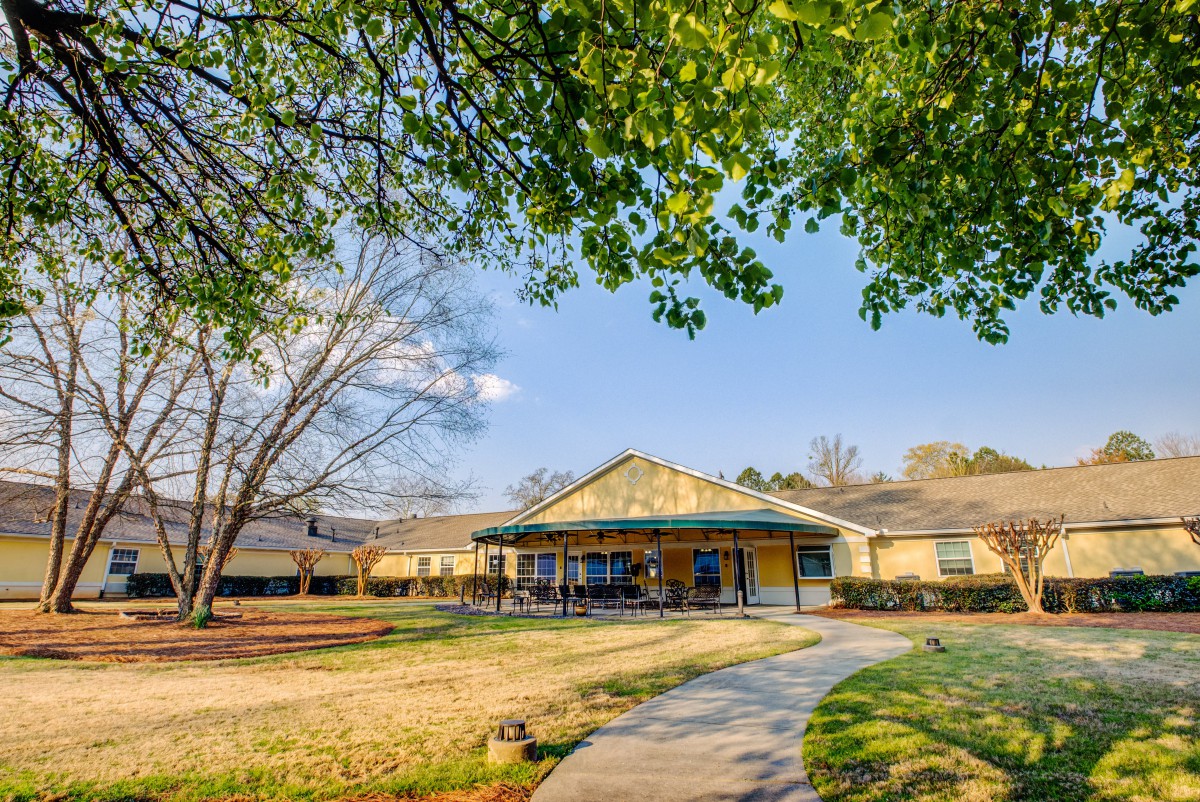
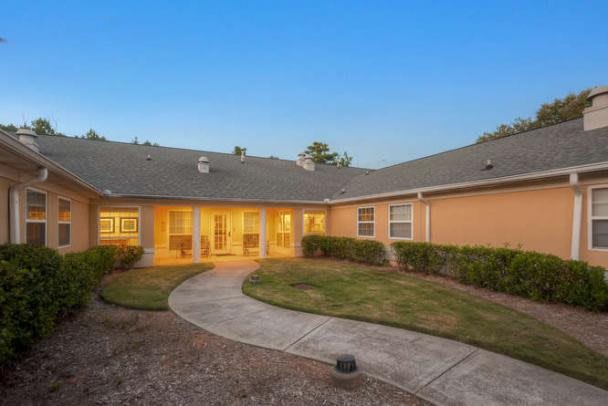
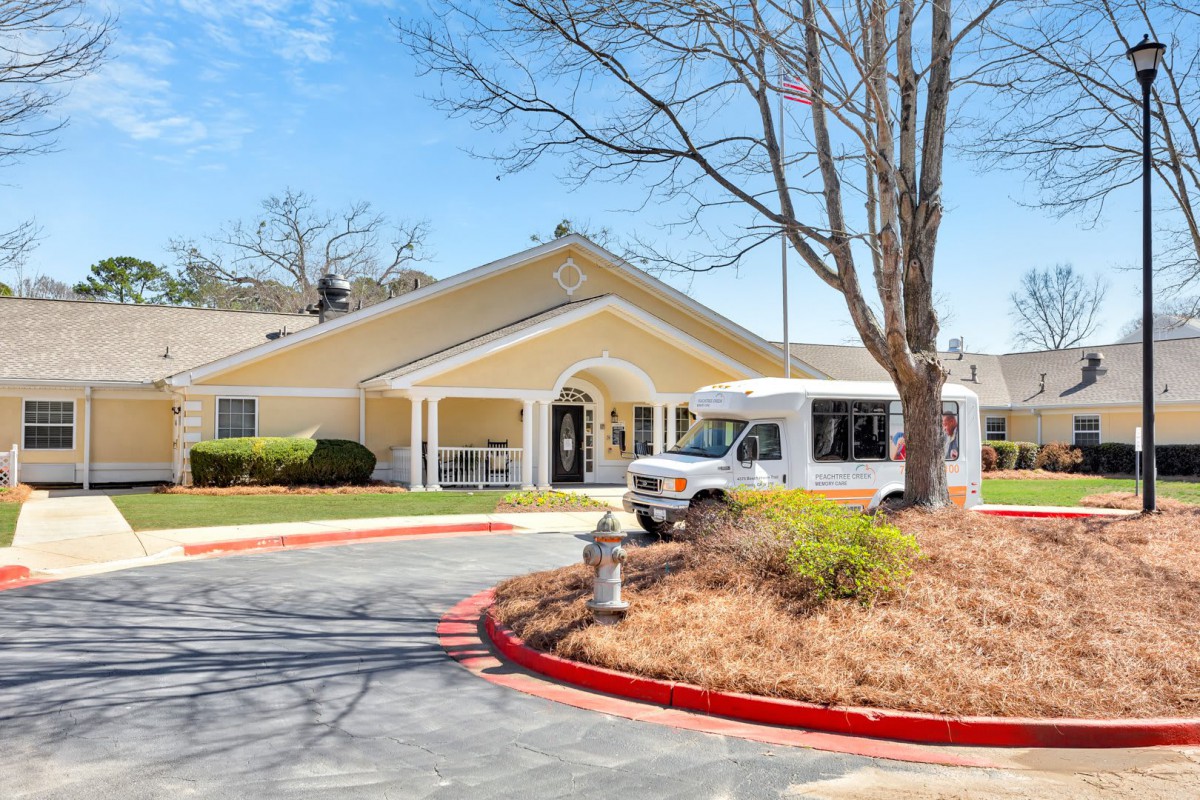
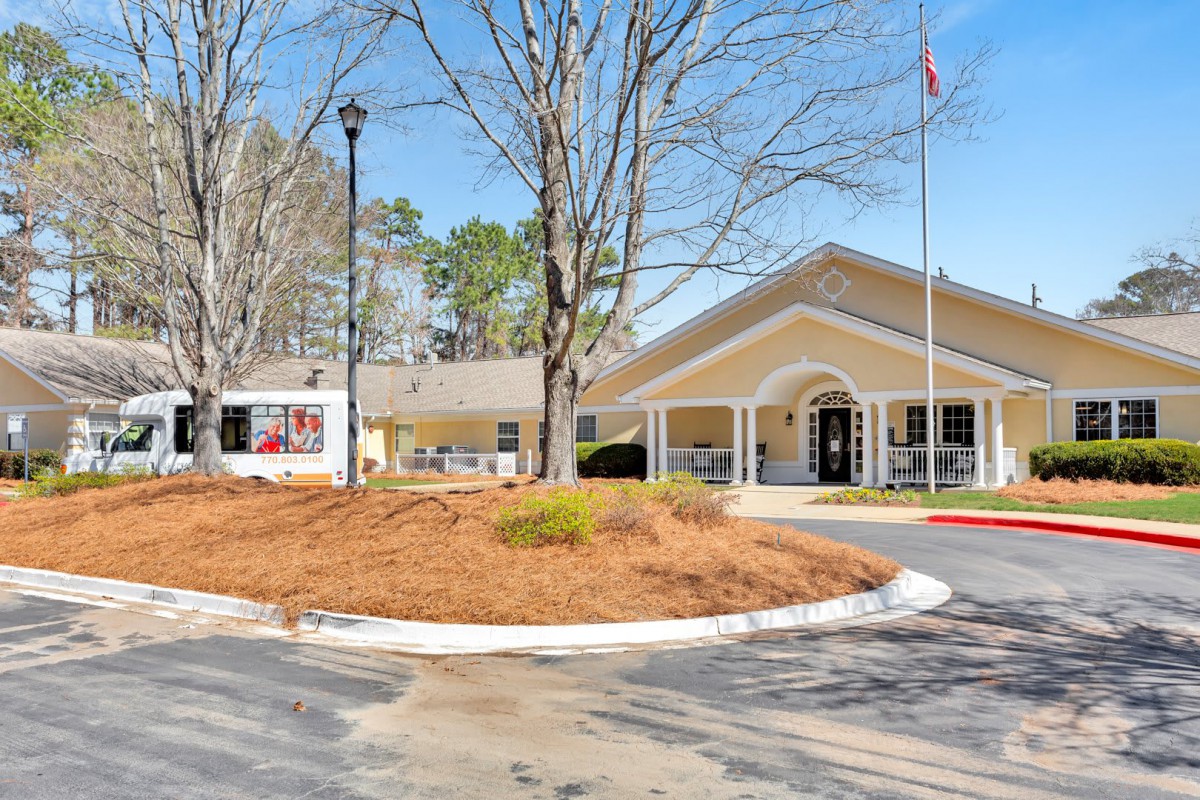
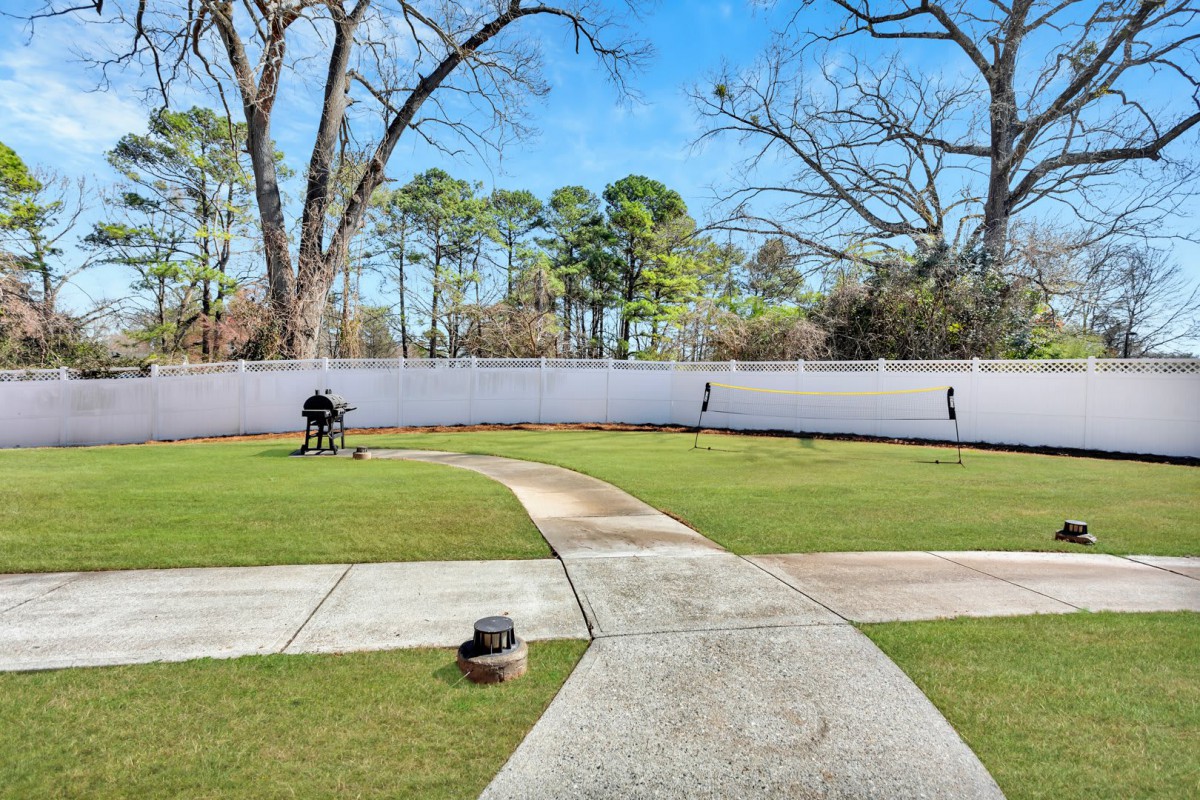
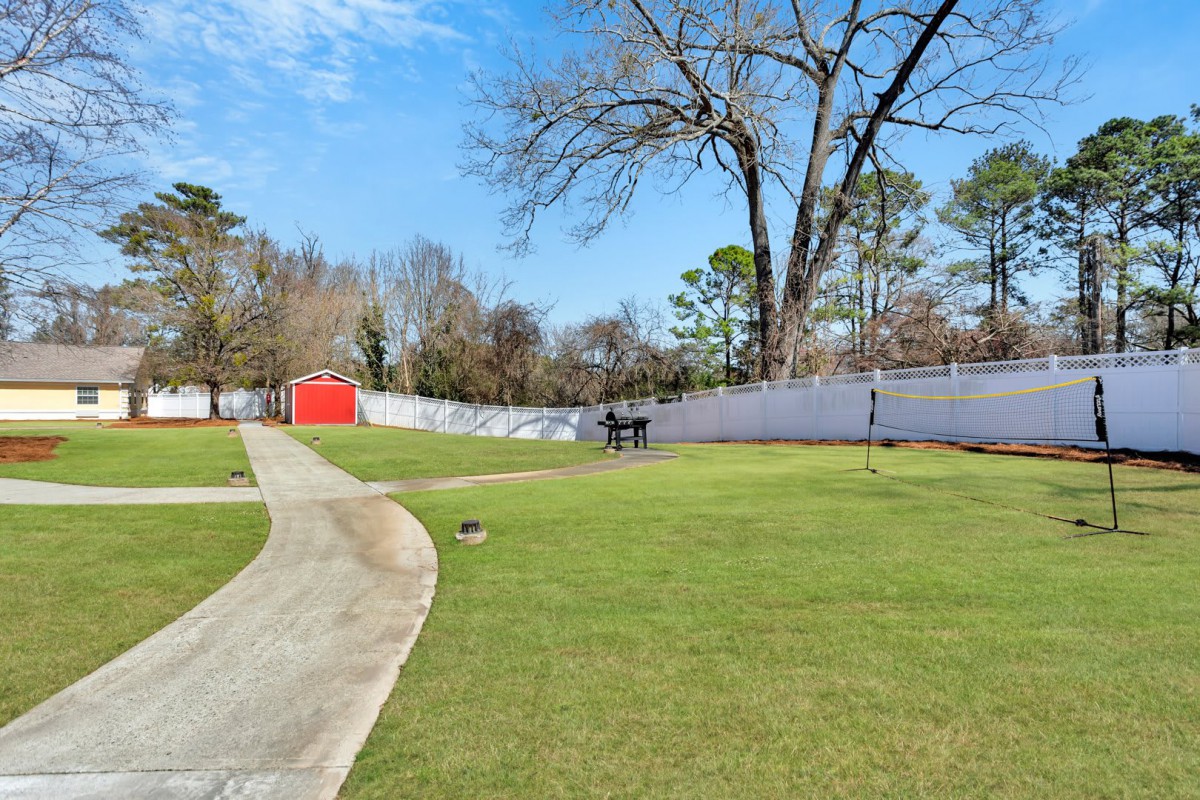
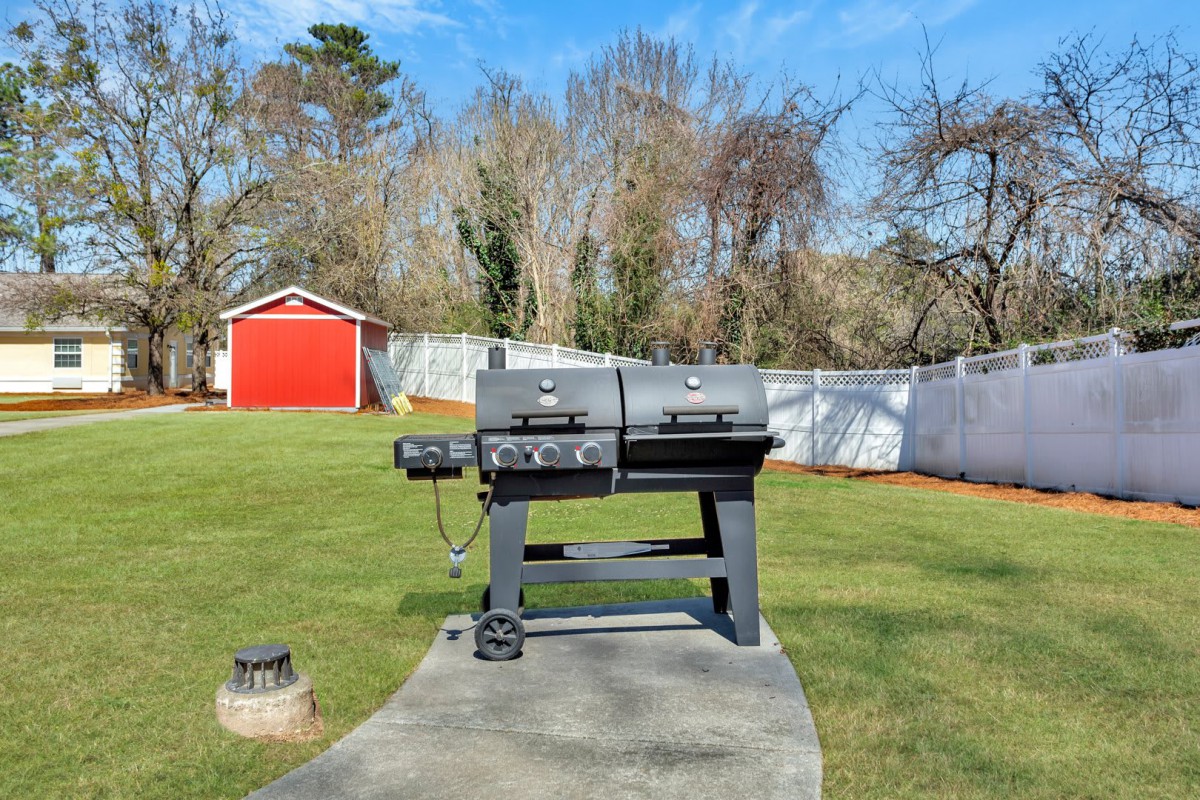
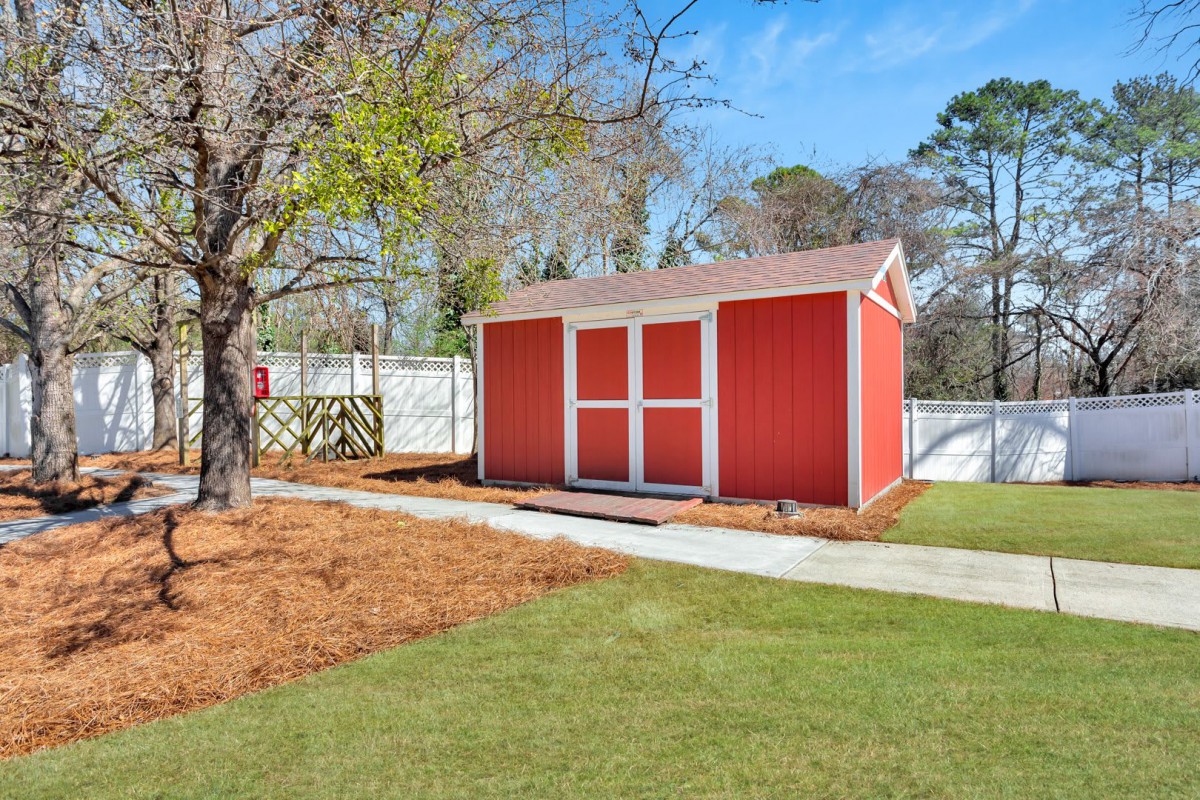
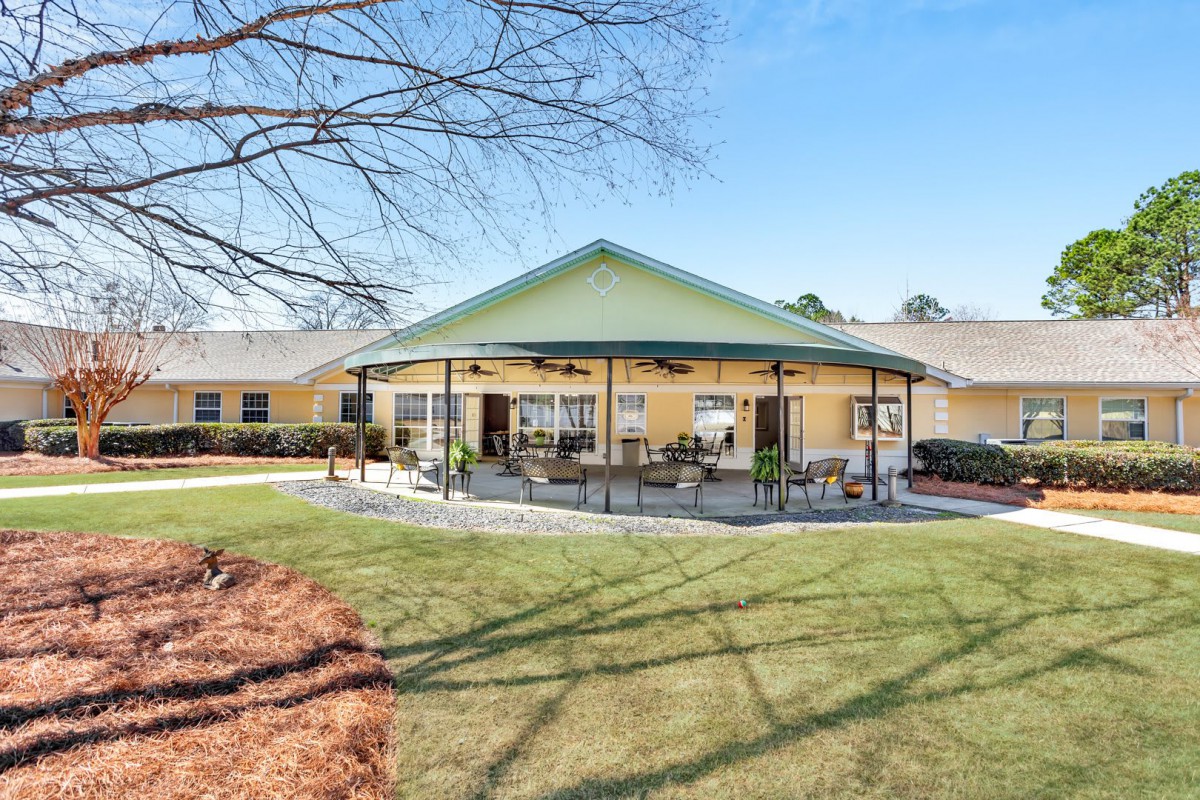
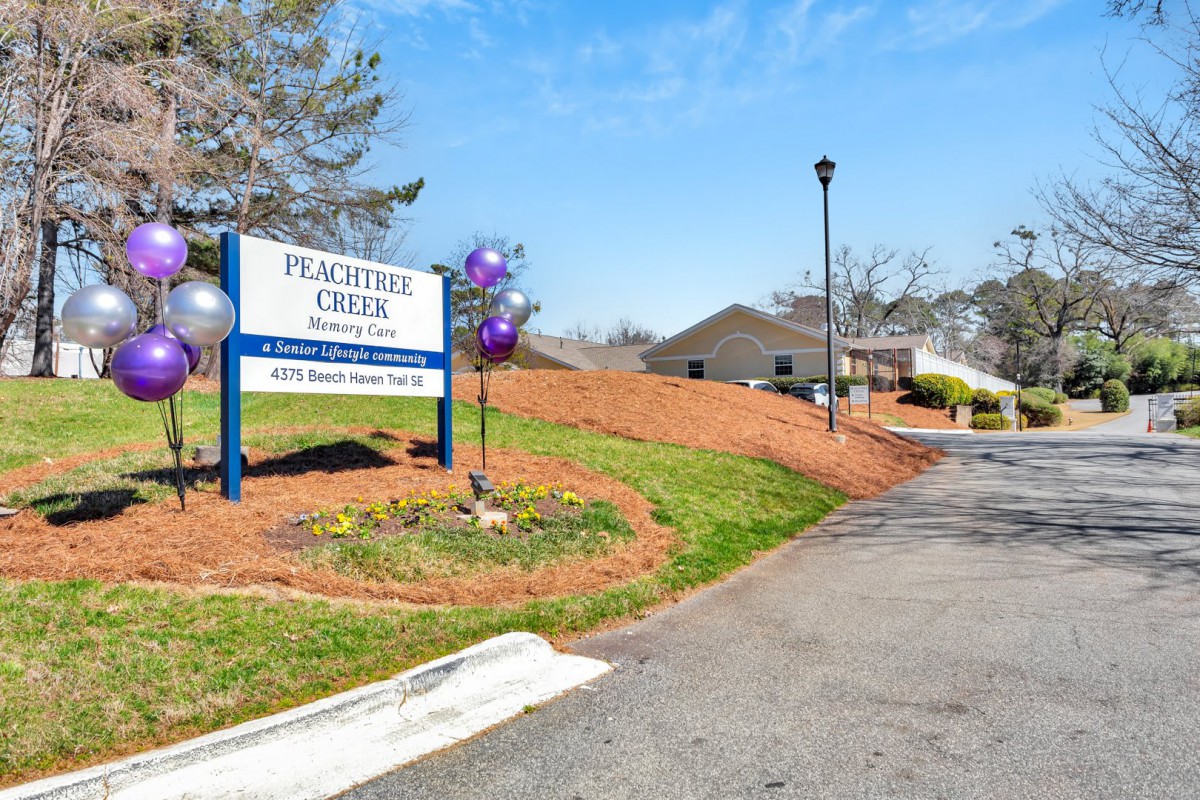
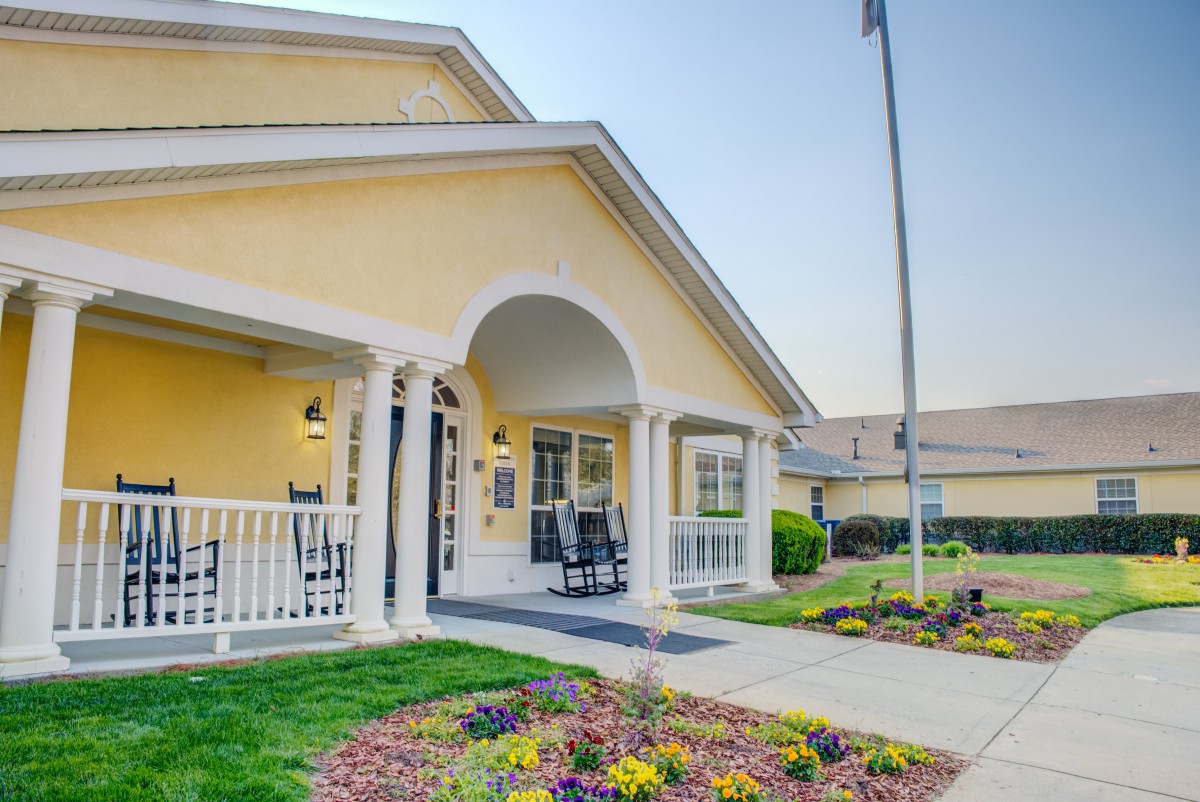
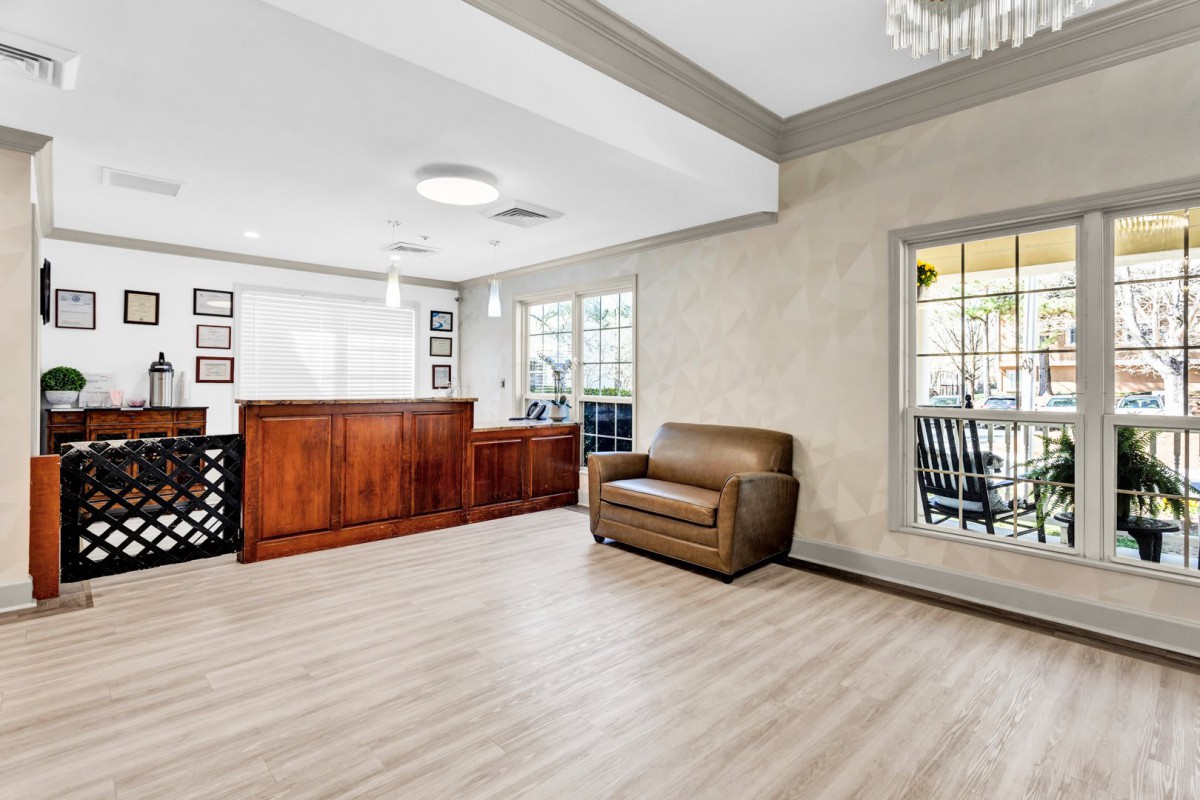
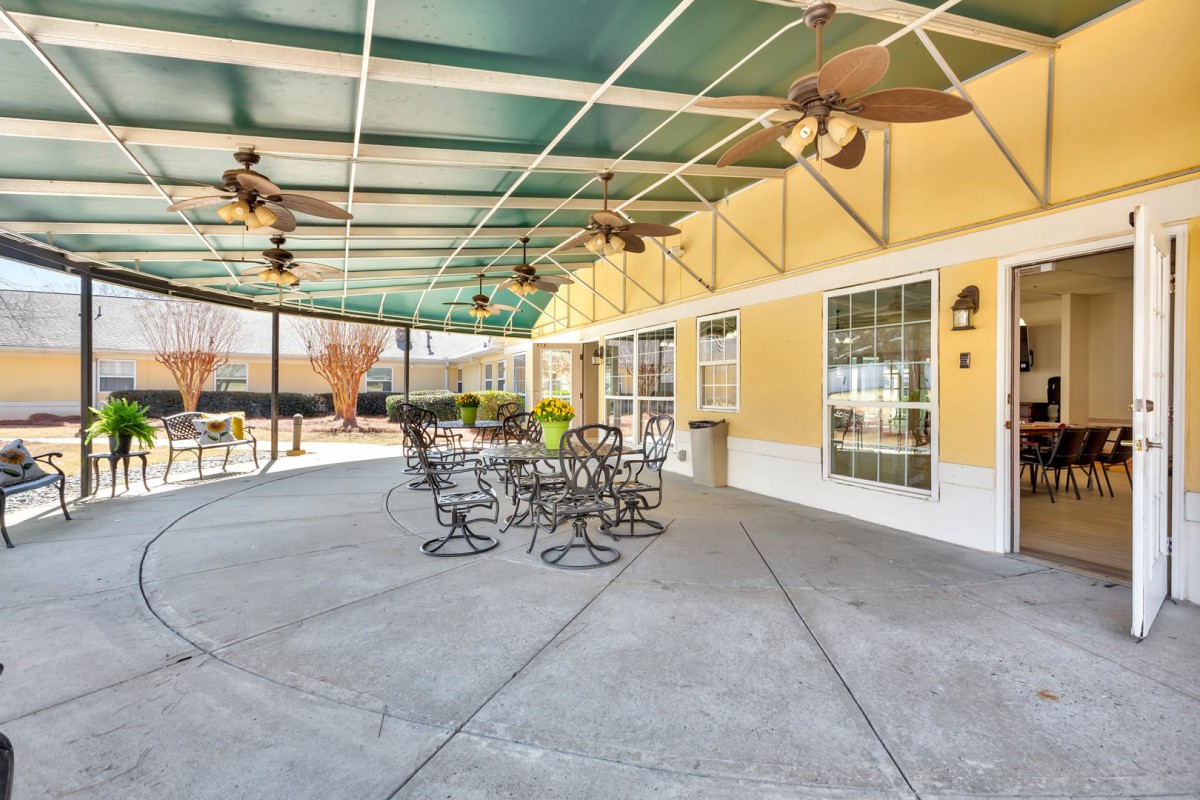
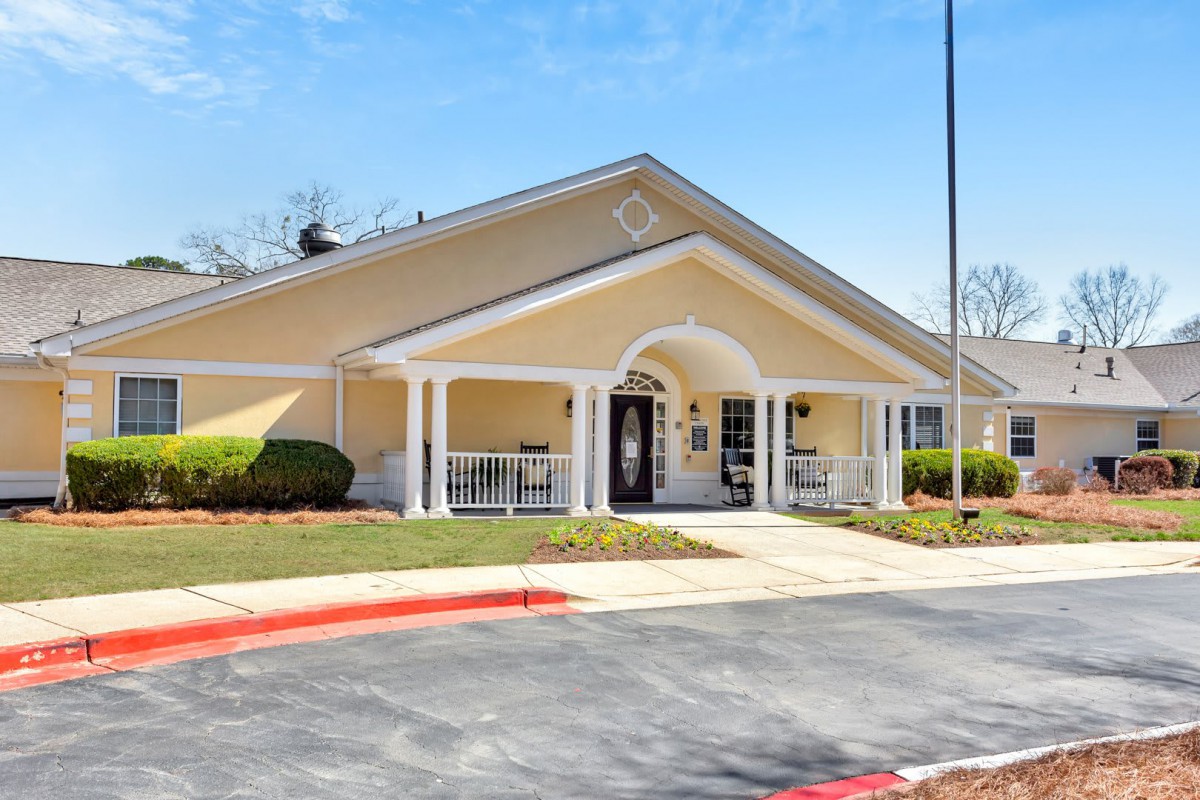
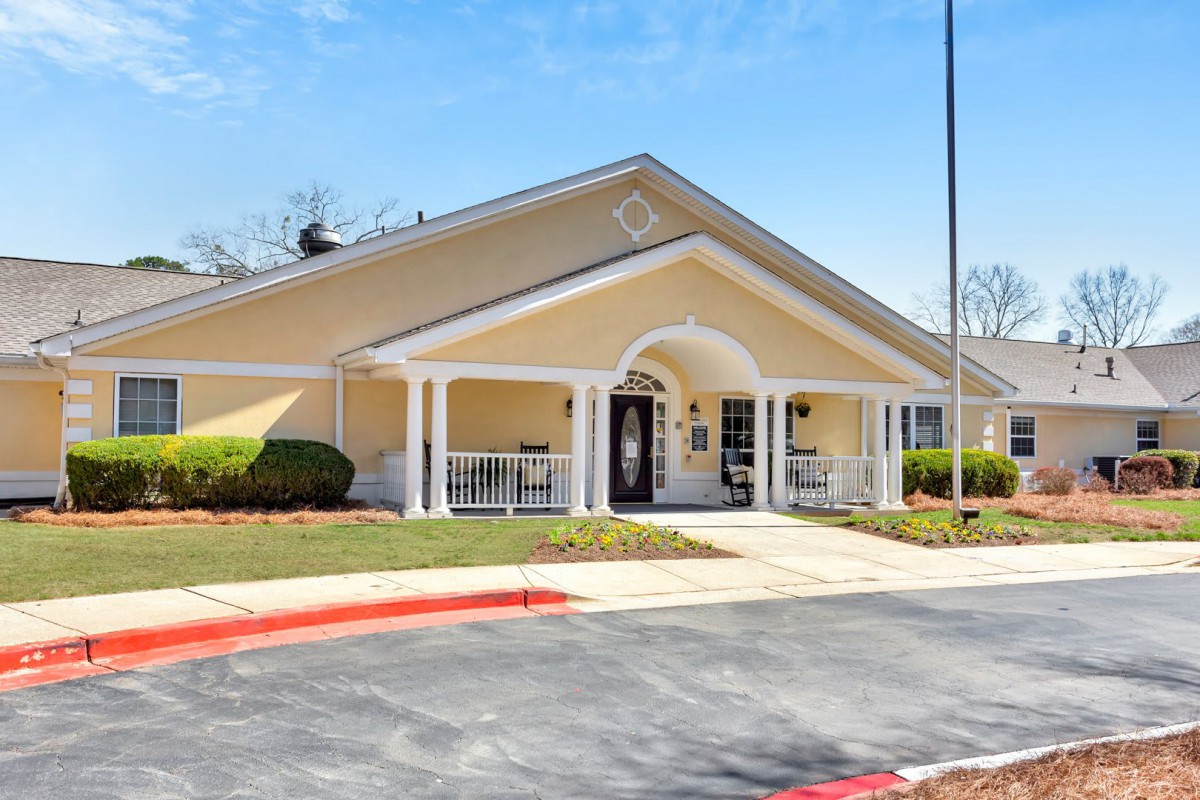
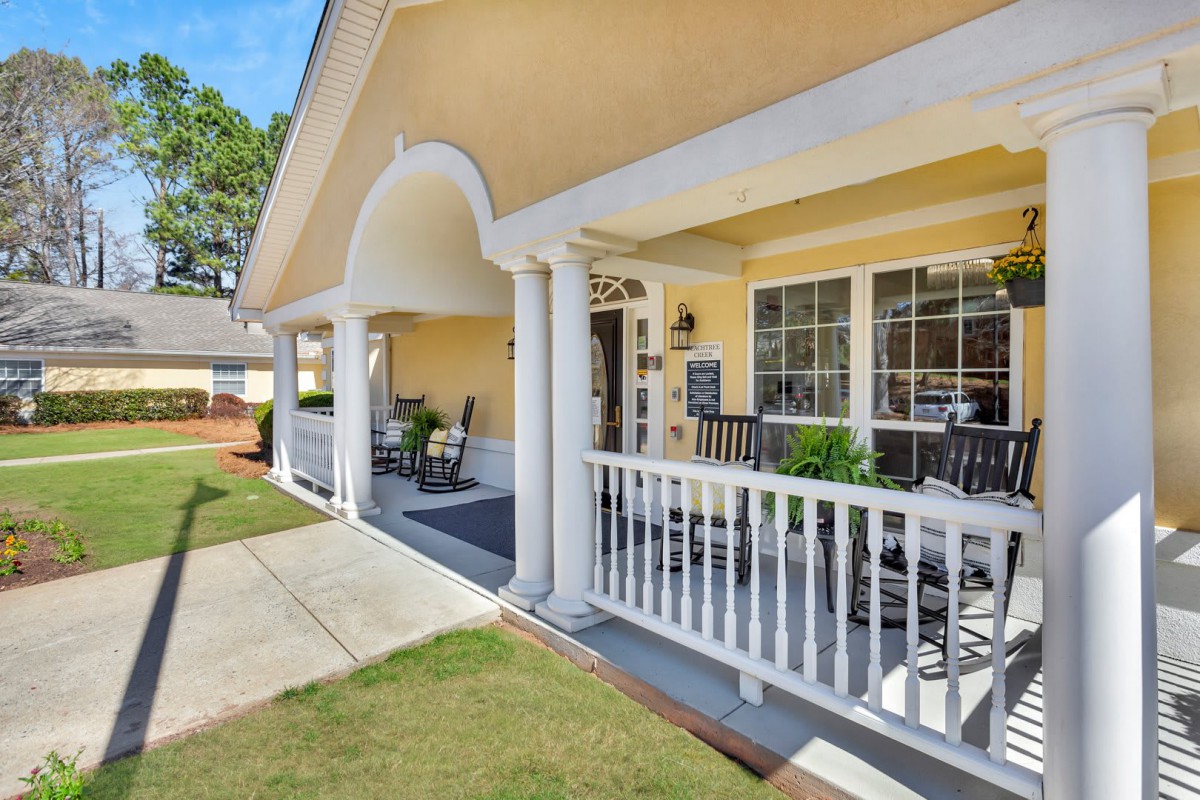
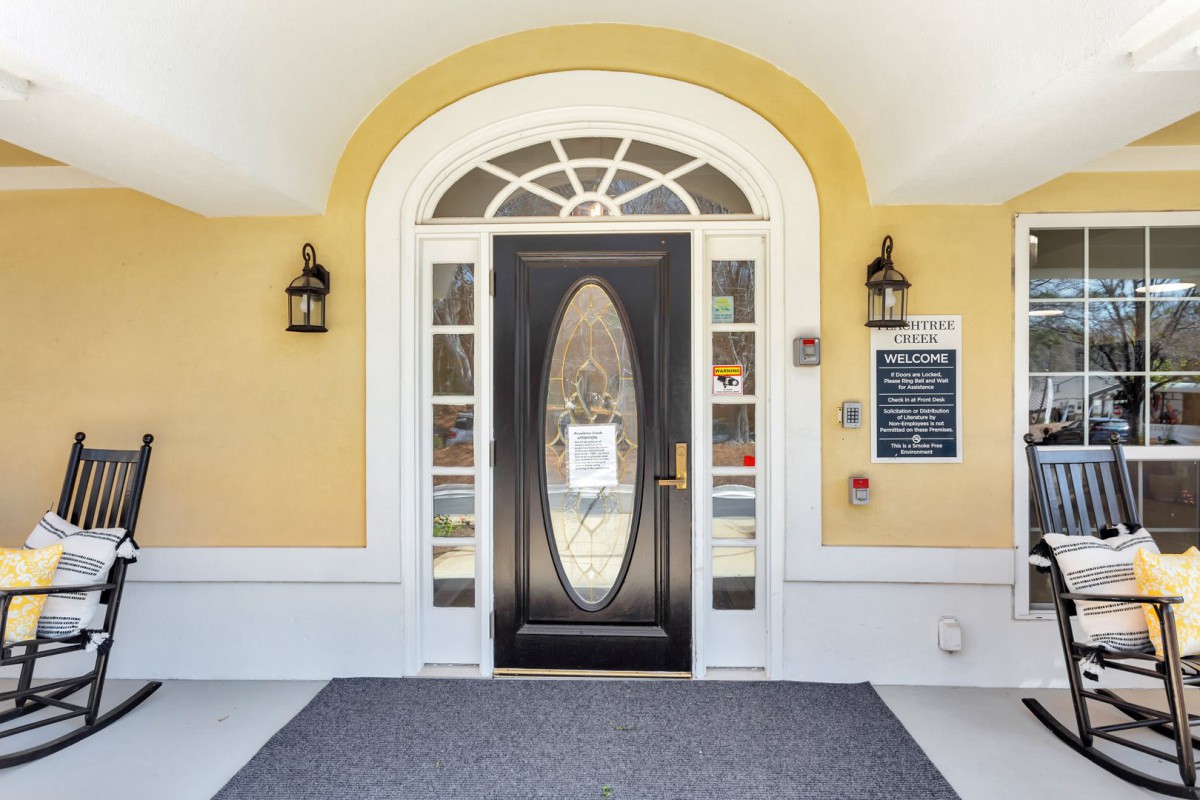
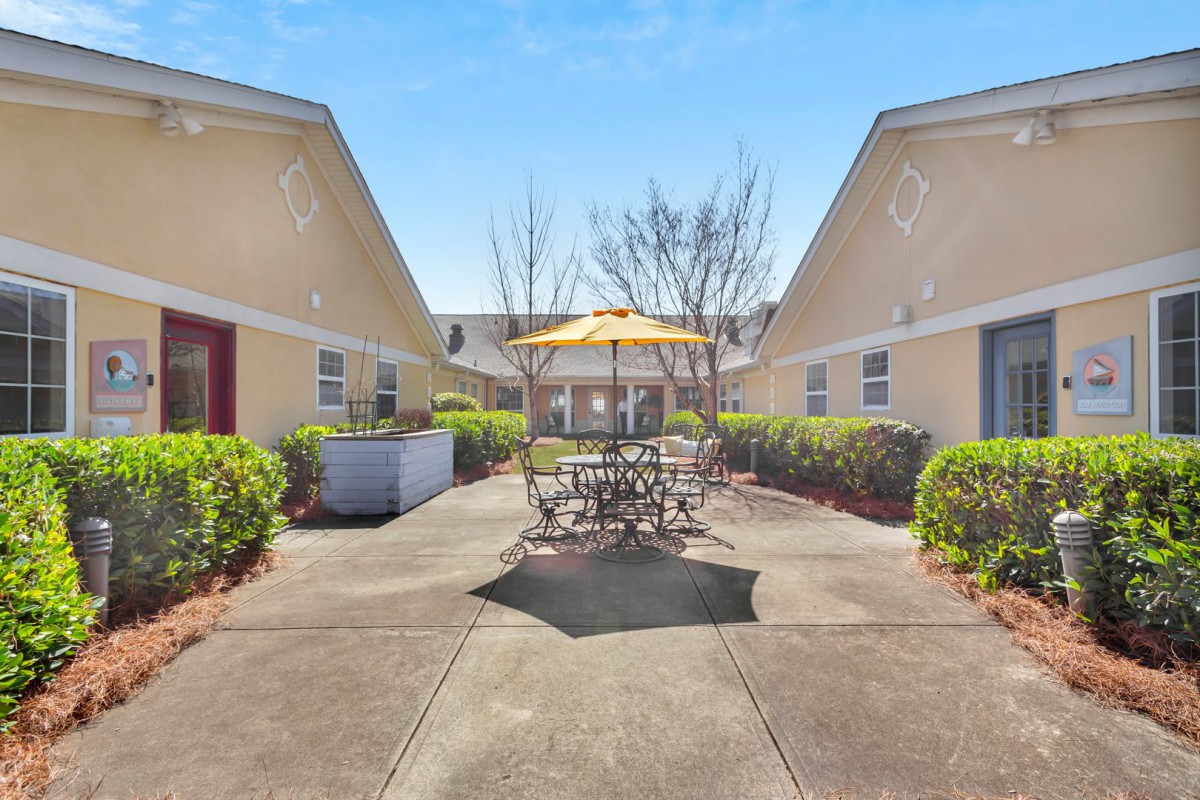
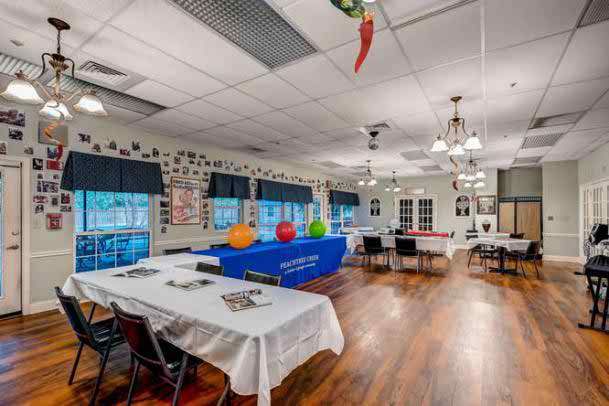
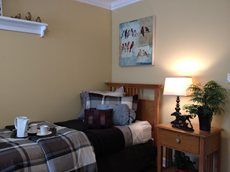
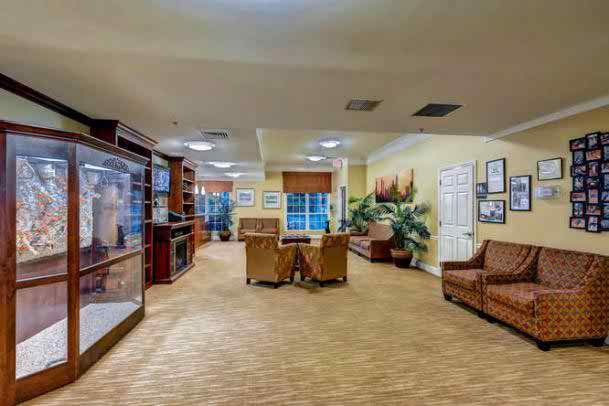
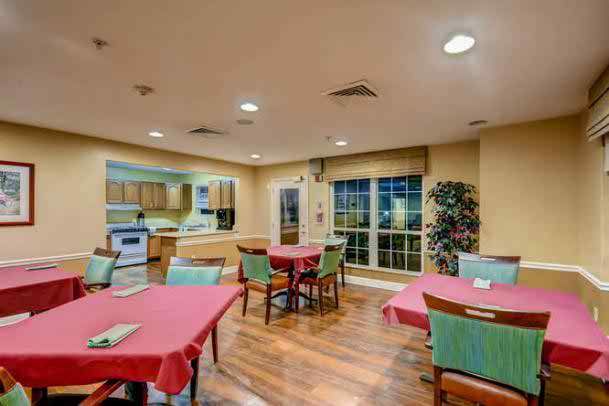
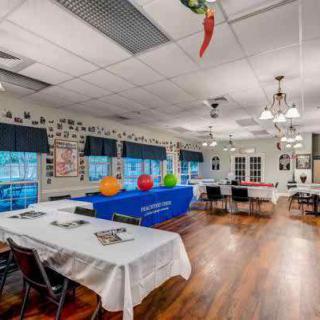
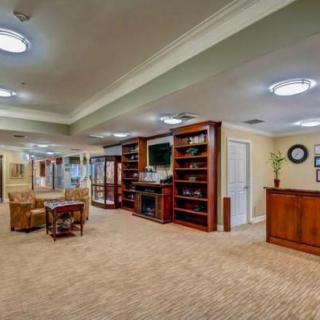
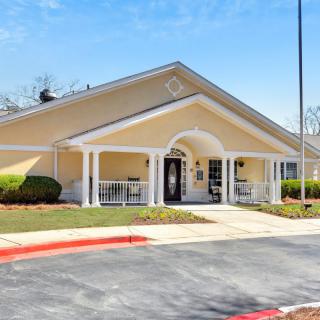
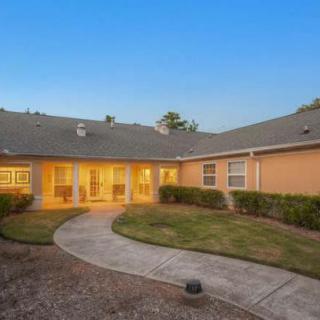
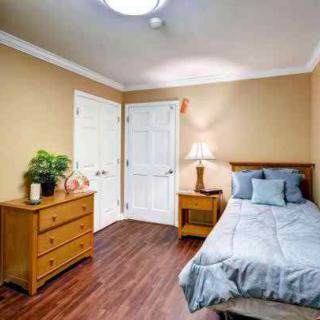
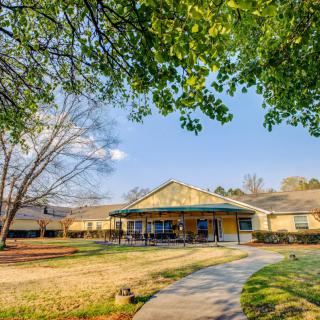
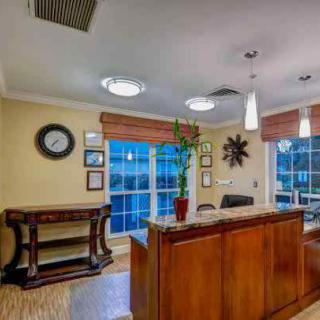
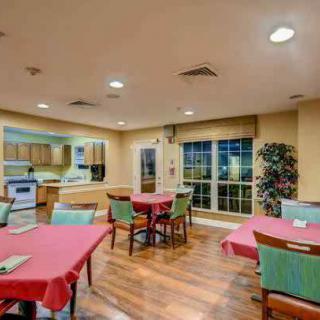
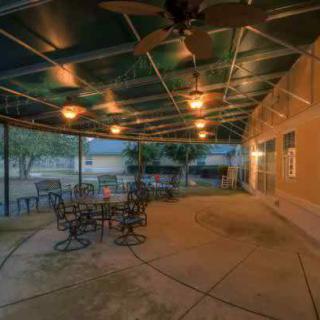
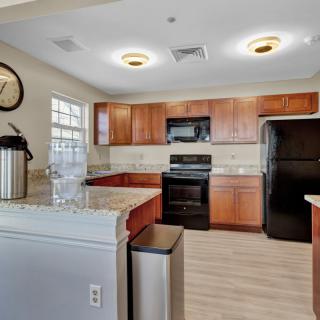
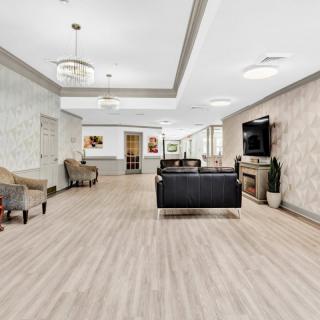
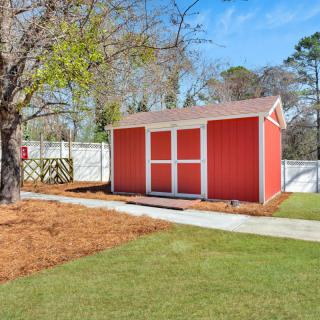
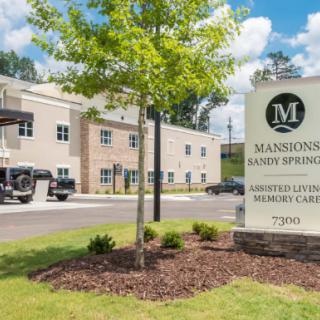
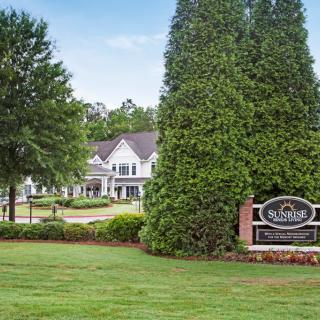
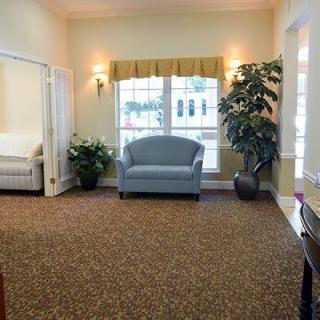
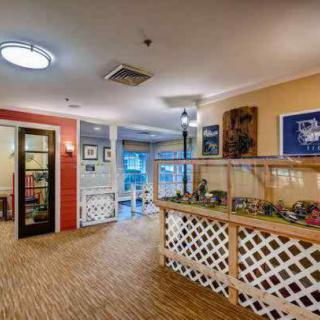
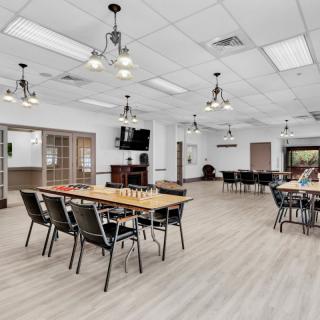
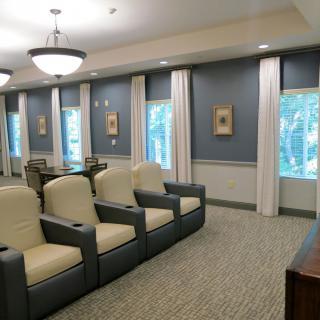
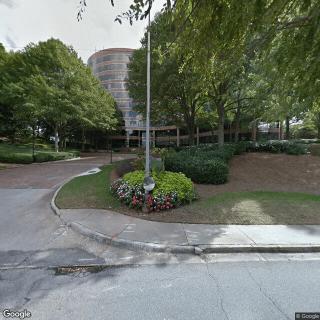
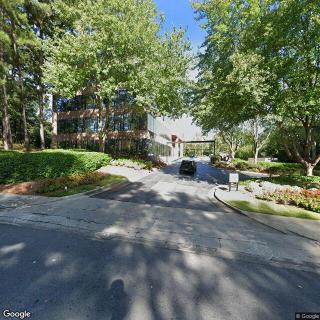
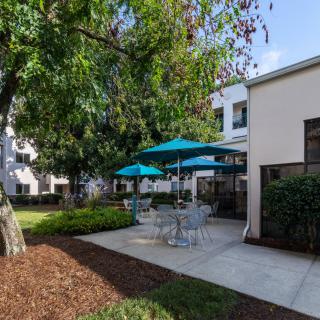
Peachtree Creek Memory Care on seniors.fyi includes 86 photos including images showing interior, decor, landscaping, windows, bedroom, hallway, lighting, dining, and more.
Nearby Communities
Charter of Vinings
Atlanta, GA
4.5 from 131 reviews
$3,610 / month
Attentive staff with 24/7 licensed nurses and recently renovated spaces.
Charter Senior Living Of Vinings
Atlanta, GA
4.6 from 96 reviews
Extensive memory-care services with 24/7 supervision and strong care coordination.
Provident Village At Creekside
Smyrna, GA
4.2 from 69 reviews
$2,825 / month
Clean, well-maintained environment with restaurant-style dining and attentive staff.
Avant Care - Atlanta, GA
Atlanta, GA
4.3 from 19 reviews
Excellent access to dining, healthcare, and cultural venues.
Precious Angel Home Care Services
Atlanta, GA
5 from 1 review
Convenient, amenity-rich location with easy access to dining, parks, healthcare, and other services.
Acti-Kare In Home Responsive Care of Cobb
Smyrna, GA
Excellent access to dining, healthcare, parks, worship, and entertainment nearby.
Smyrna Towers Inc
Smyrna, GA
4.2 from 18 reviews
Independent living with in-unit kitchens, transportation access, and well-maintained common areas.
Delmar Gardens of Smyrna
Smyrna, GA
4 from 97 reviews
$2,425 to $3,995 / month
Friendly staff, clean, well-designed facility with engaging activities.
Galleria Manor
Smyrna, GA
3.4 from 36 reviews
$850 to $975 / month
Active community with spacious apartments and on-site activities.
The article emphasizes the significance of establishing a power of attorney for elderly parents to enable an agent to make decisions on their behalf regarding health and finances, especially during cognitive or physical decline. It outlines various types of power of attorney, the importance of consulting legal professionals, and the responsibilities and challenges faced by agents, while also discussing alternatives and common misconceptions.
Caregiver support groups are crucial for providing emotional and practical assistance to those caring for loved ones, offering resources, coping strategies, and a sense of community through various organizations and platforms. These groups help alleviate isolation and burnout while addressing the unique challenges faced by caregivers of individuals with specific conditions.
The guide outlines the complexities of Medicaid coverage for assisted living, highlighting significant state-to-state variations, limited coverage often restricted to personal care services, and the existence of specialized waivers for certain needs like memory care. It advises families to consult local Medicaid offices for options while emphasizing the importance of understanding state-specific regulations and facility policies.
Get PricingAsk A QuestionSchedule A TourContact Senior Advisor
By clicking submit, you agree to our Partner's Terms of Use. You
also consent to receive calls and texts, which may be autodialed, from our Partner. Your consent is not a condition to
using our Partner's service. Please visit our Partner's Privacy Policy for information about their privacy practices.







 64 resident community capacity
 Memory Care
 Cats allowed
 Dogs allowed
 Activities off-site
 Air-conditioning
 Beautician on-site
 Cable or satellite TV
 Computer center
 Devotional services off-site
 Dining room
 Fitness room
 Fully furnished
 Gaming room
 Garden
 Ground floor units
 Handicap accessible
 Housekeeping services
 Indoor common areas
 Kitchenette
 Move-in coordination
 Outdoor common areas
 Private bathrooms
 Respite or short term stays offered
 Restaurant-style dining
 Small library
 Telephone
 Wellness center
 Wheelchair accessible showers
 Wi-Fi/high-speed internet available
 William B Hartsfield-Atlanta International (15 miles away)
 Community operated transportation
 12-16 hour nursing
 24-hour call system
 Ambulatory care
 Assistance with bathing
 Assistance with dressing
 Assistance with transfers
 Diabetes diet
 Diabetic care
 High acuity care
 Incontinence care
 Medication management
 Mental wellness program
 Special dietary restrictions
 Art classes
 Catholic services
 Concierge services
 Day trips and outings
 Educational speakers / life long learning
 Live musical performances
 Visiting Rabbi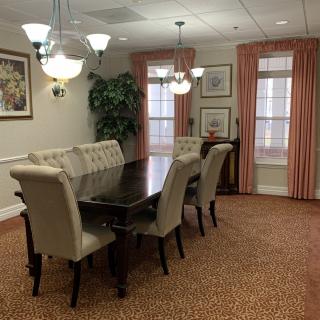
 Attentive staff with 24/7 licensed nurses and recently renovated spaces.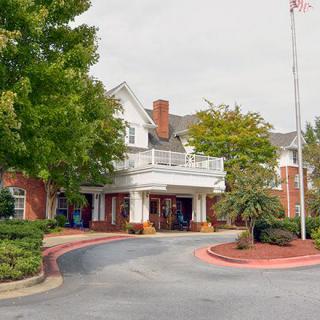

 Guiding Your Journey: Understanding Power of Attorney for Elderly Parents
 22 Remarkable Caregiver Support Groups Available Online and In-Person
 Understanding Medicaid Coverage for Assisted Living: A Comprehensive Guide