

12483 Tangerine Blvd, West Palm Beach, FL 33412
To contact a resident: (561) 847-4318
For more information about senior living options: (866) 208-4318
Hope View Gardens Assisted Living Facility Inc Costs & Pricing
Hope View Gardens Assisted Living Facility Inc offers competitive pricing for its residents, particularly when compared to the broader market in Palm Beach County and across Florida. For semi-private accommodations, the facility charges $2,500 per month, significantly undercutting both the county average of $3,592 and the state average of $3,009. In terms of private rooms, Hope View Gardens maintains a monthly rate of $3,000, which is more affordable than the county's average of $4,444 and also below Florida's average of $3,699. Lastly, for those seeking one-bedroom units at this facility, the cost stands at $4,000 - this is slightly less than the county's average of $4,362 and quite close to Florida's overall average of $3,864. These figures illustrate that Hope View Gardens not only provides quality care but does so with a pricing structure that is accessible and appealing in comparison to regional competitors.
| Floor plans | Hope View Gardens Assisted Living Facility Inc | Palm Beach County | Florida |
|---|---|---|---|
| Semi-Private | $2,500 | $3,592 | $3,009 |
| Private | $3,000 | $4,444 | $3,699 |
| 1 Bedroom | $4,000 | $4,362 | $3,864 |
Memory care communities with a similar price nearby
-
About the same
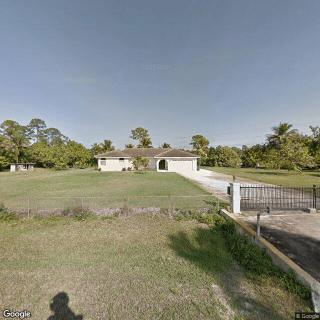
Iona Adult Family Home
$2,500 to $5,000 / month3.1 miles away -
from -$305 / mo
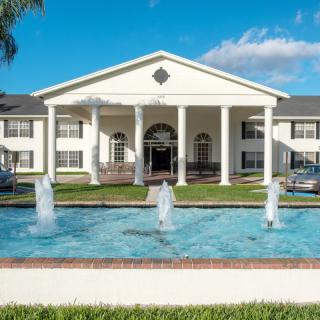
Grand Villa Of Delray East
$2,195 to $4,495 / month22.6 miles away -
About the same

Coventry Country Living Inc
$2,500 to $3,500 / month5.9 miles away -
About the same
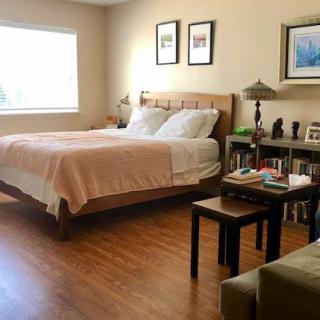
Barrington Terrace
$2,555 to $4,375 / month20.1 miles away -
About the same

Grand Villa Of Delray West
$2,495 to $3,975 / month22.5 miles away
Overall Review of Hope View Gardens Assisted Living Facility Inc
Pros
 The nurses who run the facility are fantastic, and the assistants are very caring.
- The facility truly treats its residents and their families like family.
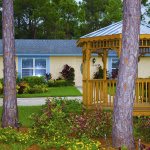
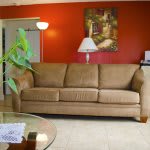
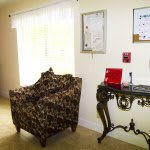
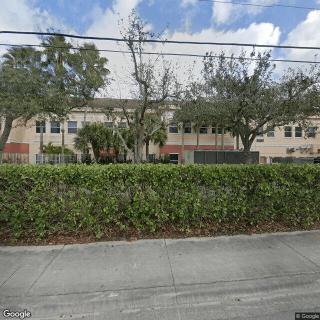
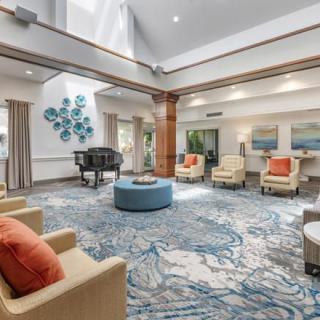
- The facility is clean, bright, and inviting.
- The staff worked on the bed sore until it was under control, improving her condition.
- The mother is eating and has gained a little weight under their care.
- The owners and operators have done more for her husband in one short week than several large corporate facilities did in a year.
- There were no complaints and no concerns about the care.
Cons
 My mother came into the facility with a stage 2 bed sore from a rehab facility, not eating and underweight.
- My mother is in late stage dementia and is confined to a wheelchair.
Review
Hope View Gardens Assisted Living Facility Inc. is best suited for families seeking a small, intimately run home where residents receive highly personalized attention, especially when dementia and complex daily care are part of the picture. The reviews strongly suggest this community excels at hands-on nursing care and meaningful daily engagement in a setting that feels like a true family environment. It is particularly well-suited for residents who are wheelchair-dependent or managing late-stage dementia, where attentive wound care, consistent supervision, and rapid responsiveness can make a tangible difference in day-to-day well-being. The facility’s cleanliness, brightness, and inviting atmosphere further reinforce a sense that residents are valued and protected in a homelike space rather than a hulking institutional setting.
A core strength is the direct, nurse-led caregiving model paired with consistently caring aides. The two nurses who run the operation are repeatedly praised for their competence and dedication, and the assistants are described as equally compassionate. This hands-on leadership translates into rapid, visible improvements in residents’ conditions, one memorable example being a stage 2 pressure injury that was promptly managed, with weight and appetite improving as a result. The owners’ direct involvement, described as “one day at a time” in practice, adds a level of accountability and responsiveness that several families find indispensable when care needs are dynamic and require ongoing adjustments.
The environment and culture at Hope View Gardens amplify the care quality. Families note that staff treat residents, and their families, with warmth, patience, and a genuine sense of belonging. The home-like atmosphere, combined with a clean, bright, and welcoming setting, makes daily routines smoother and fosters trust between caregivers and families. In the strongest contrast to larger corporate facilities, the intimate scale appears to allow for more nuanced, individualized attention, consistent communication, and a faster response to concerns, elements that many families identify as central to peace of mind when choosing senior living for someone with dementia or high care needs.
Given the strength in personalized care and the small-community advantage, the main considerations for someone evaluating alternatives are practical limits around scale. A few families implicitly weigh the trade-off between intimate, hands-on care and the broader medical and therapeutic resources that larger facilities can offer. For residents requiring extensive on-site medical oversight, a wide array of specialty therapies, or highly structured daily programming with formal medical staff on site, a bigger, more resource-rich community might be preferable. Hope View Gardens’ model may also mean a slightly smaller pool of on-site specialists and a more limited set of amenities that can come with larger campuses.
Prosine offsets become particularly relevant when clinical needs are highly individualized. The strongest selling points, compassionate, consistently available nursing care; quick wound-care responsiveness; a resident- and family-centered culture; and a clean, uplifting environment, contribute directly to daily quality of life and practical health outcomes. For dementia care, especially when appetite, weight stability, and mobility require ongoing attention, the hands-on approach yields tangible benefits that larger providers sometimes struggle to deliver with the same sense of immediacy and responsibility. Families should feel confident that care plans can be personalized, adjusted promptly, and communicated clearly.
To move from interest to decision, prospective families should plan a focused tour and ask targeted questions: How many caregivers are on site per shift, and what is the nurse-to-resident ratio during peak hours? How is wound care, nutrition, and weight monitoring coordinated in collaboration with families? What specific dementia-care approaches guide daily routines, stimulation, and safety practices? What therapy services are available on site (PT/OT/SLP, speech therapy, dental, podiatry), and how flexible are scheduling and referrals? Finally, request examples of recent care plans, updates to families, and how emergencies are handled. Hope View Gardens presents a compelling option for those prioritizing warmth, hands-on nursing, and a home-like setting for dementia and mobility-challenged seniors.
Overall, Hope View Gardens stands out as a strong match for families seeking a highly personalized, compassionate, and responsive living environment for a loved one with dementia or significant daily care needs. It is especially well advised for those who value a small, family-like atmosphere and the assurance that skilled nurses and attentive aides are directly guiding care. For families who require broader medical infrastructure, more extensive on-site therapies, or a larger community footprint, exploring alternatives with greater scale may be prudent. A measured visit that probes staff dynamics, care planning, and available therapy options will illuminate whether this intimate, caregiver-led approach aligns with the specific care goals and risk profile of the resident.
 Board and Care Home
 Memory Care
 Activities off-site
 Air-conditioning
 Bath tubs
 Cable or satellite TV
 Devotional services off-site
 Full kitchen
 Indoor common areas
 Outdoor common areas
 Private
 Respite or short term stays offered
 Wi-Fi/high-speed internet available
 Palm Beach International (11 miles away)
 Ambulatory care
 Diabetic care
 High acuity care
 Incontinence care
 Medication management
 Anytime dining
 Art classes
 Bible study group
 Day trips and outings
 Educational speakers / life long learning
 Happy hour
 Jewish services
 Live musical performances
 Wine tasting

 Understanding Medicaid Coverage for Assisted Living: A Comprehensive Guide
 How and When Medicaid May Cover Assisted Living Costs
 A Detailed Exploration of Assisted Living Medicaid Waivers Across the United States