
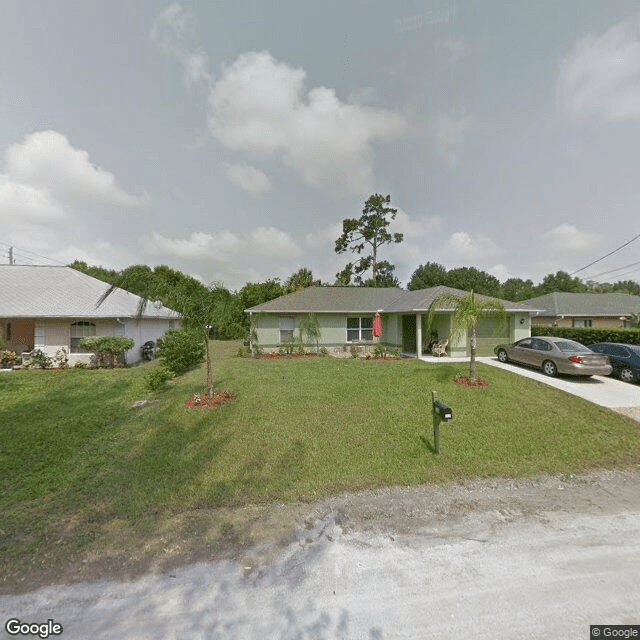
4535 56th Avenue, Vero Beach, FL 32967
To contact a resident: (772) 538-7992
For more information about senior living options: (866) 208-4318
Rainbow Garden Costs & Pricing
Rainbow Garden offers competitive monthly rates across its various room types, significantly lower than the average costs found in Indian River County and throughout Florida. For both studio and one-bedroom options, residents can enjoy a monthly rate of $2,200, which is notably more affordable compared to the county's averages of $4,316 for studios and $3,583 for one-bedrooms. Even for private rooms, Rainbow Garden maintains its cost-effectiveness at $2,200 against a higher local average of $4,089. These pricing strategies not only enhance accessibility for potential residents but also reflect Rainbow Garden's commitment to providing quality living environments without the financial strain that often accompanies them in the broader market.
| Floor plans | Rainbow Garden | Indian River County | Florida |
|---|---|---|---|
| Studio | $2,200 | $4,316 | $3,823 |
| 1 Bedroom | $2,200 | $3,583 | $3,864 |
| Private | $2,200 | $4,089 | $3,699 |
Memory care communities with a similar price nearby
-
from +$126 / mo
Discovery Village Vero Beach
$2,326 to $3,400 / month3.4 miles away -
from +$300 / mo
Glenville Pines Assisted Living Facility
$2,500 to $3,000 / month23.3 miles away -
from +$300 / mo
Surfside Sanctuary a Beachland Retirement
$2,500 to $3,500 / month17.4 miles away -
from +$300 / mo
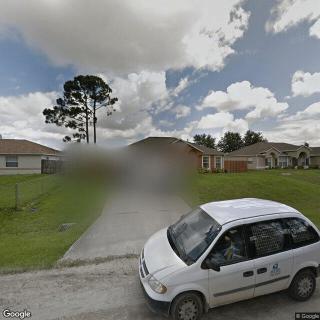
A & C Godbless Assisted Living Facility
$2,500 to $3,500 / month23.4 miles away -
from +$300 / mo
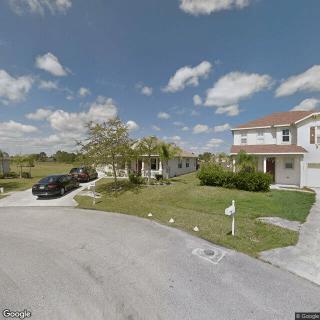
Charm Unique Living Facility
$2,500 to $4,175 / month22.6 miles away
Overall Review of Rainbow Garden
Pros
 The garden is described as the most amazing the reviewer has seen.
- Volunteering here is an experience that brings blessings.
- It is a wonderful way to get back to nature and serve the community.
- Everyone met is described as very nice.
- The organization does tremendous work in the community, running on donations and volunteers to provide food for those in need.
- Donating to support this meaningful work is encouraged.
Review
Rainbow Garden in Vero Beach is best suited for retirees or adults who want a meaningful, hands-on way to engage with the community, connect with nature, and contribute to hunger relief or local goodwill. It functions as a volunteer-driven sanctuary where the payoff is the sense of purpose and personal renewal that comes from giving time and effort to a cause. It is not a residential or medical setting, nor a place that provides housing or ongoing personal care. For families weighing assisted living options, Rainbow Garden offers a compelling, value-driven outlet for activity and socialization, but it does not replace the need for licensed care or living accommodations.
Those considering Rainbow Garden should explicitly recognize who may want to explore alternatives. If the priority is secure housing with daily living assistance, medical supervision, or structured care plans, traditional assisted living communities or in-home health services are a more appropriate fit. Rainbow Garden does not offer staged living arrangements, medication management, or round-the-clock staffing. For seniors whose routines hinge on predictable caregiving, safety monitoring, or specialized memory care, the garden stops short of delivering the core services required by daily life; alternatives designed for long-term care will be essential.
The strongest positives of Rainbow Garden center on purpose, connection, and community impact. Volunteers repeatedly describe a deep, soul-nourishing experience, a welcoming atmosphere, and opportunities to contribute to neighbors in need. The model, funded and sustained by donations and volunteer energy, creates authentic involvement without the trappings of a transactional service. For an adult who values social interaction, outdoor activity, and a clear sense that personal effort translates into tangible good, these benefits easily outweigh the absence of housing or professional care. In short, the upside is meaningful engagement, not familiar care routines.
Yet there are meaningful trade-offs to weigh. The most obvious con is the absence of housing or medical support: there is no built-in framework for daily living assistance, safety supervision, or health monitoring. Opportunities can vary with donor generosity and volunteer availability, so the rhythm of involvement may feel inconsistent compared with a structured care program. For seniors facing mobility limits or chronic health needs, the unpredictability of volunteer slots and the lack of on-site care can feel incongruent with daily living requirements. The key is alignment: the cons matter most when care, housing, and continuous supervision are non-negotiable.
To determine fit, prospective families should run a practical checklist against their senior’s current and near-future needs. Ask about accessibility features, seating options, shade protection, and the ease of moving around outdoor spaces. Inquire how volunteers are integrated, what training or safety oversight exists, and whether there are tasks that accommodate varying physical abilities. Clarify the time commitment, typical weekly hours, and whether opportunities are stable enough to support a predictable routine. Also confirm how donations are handled and what level of organizational transparency accompanies the volunteer program.
In the end, Rainbow Garden stands out as a potent enrichment channel for those who want to invest in the community through direct service. It provides a powerful antidote to social isolation and a chance to experience nature in a purposeful way. For families evaluating assisted living options, the community should be viewed as a complement to care, not a substitute for housing, medical oversight, or daily living supports. If the senior’s goal is sustained independence with a meaningful volunteer role, Rainbow Garden can be a cornerstone of the lifestyle plan. If the objective is steady caregiving or secure residential accommodation, pursue traditional assisted living pathways and consider Rainbow Garden as a valued, enriching activity within that broader framework.
 Board and Care Home
 Memory Care
 Activities on-site
 Devotional services off-site
 Indoor common areas
 Private
 Ambulatory care
 Diabetic care
 Meals provided


 Understanding Dementia Through Its Seven Stages: A Comprehensive Look at Progression and Expectations
 A Holistic Dementia Care Guide: Effective Strategies for Memory Support
 Memory Care Pathways: A Holistic Guide to Dementia Support