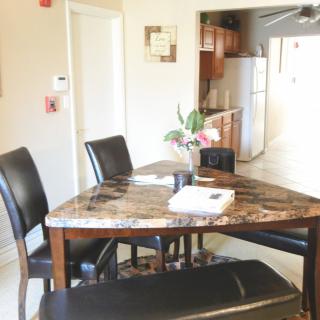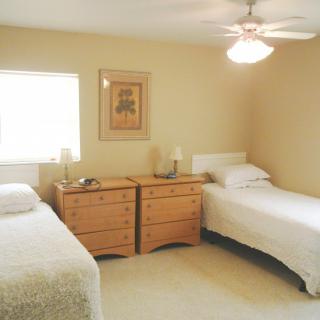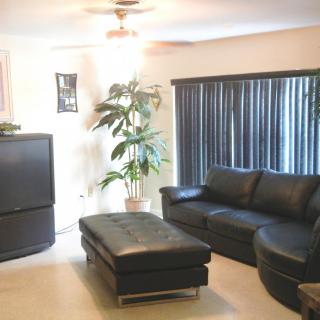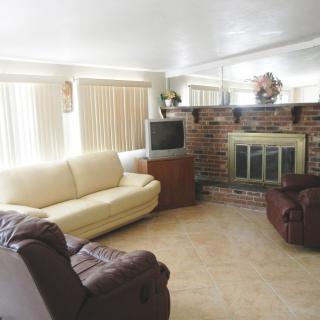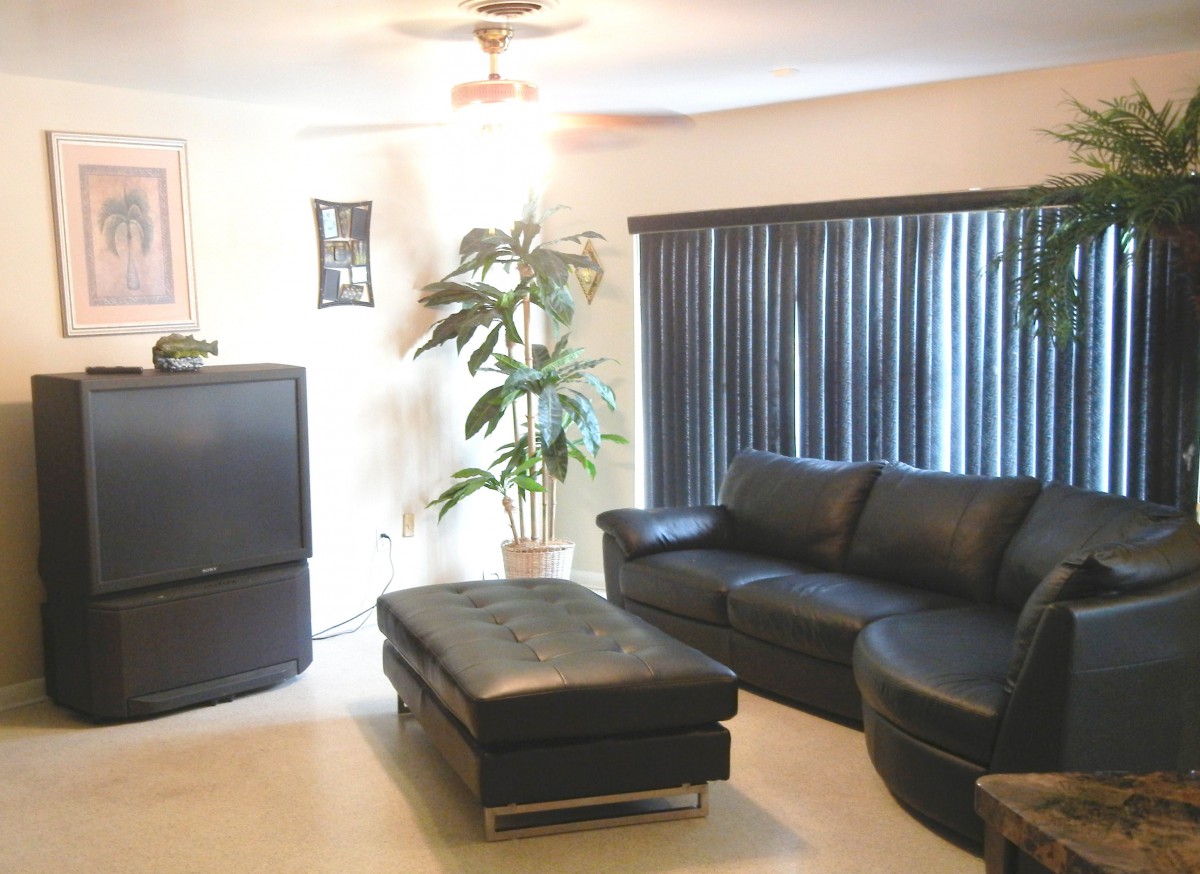
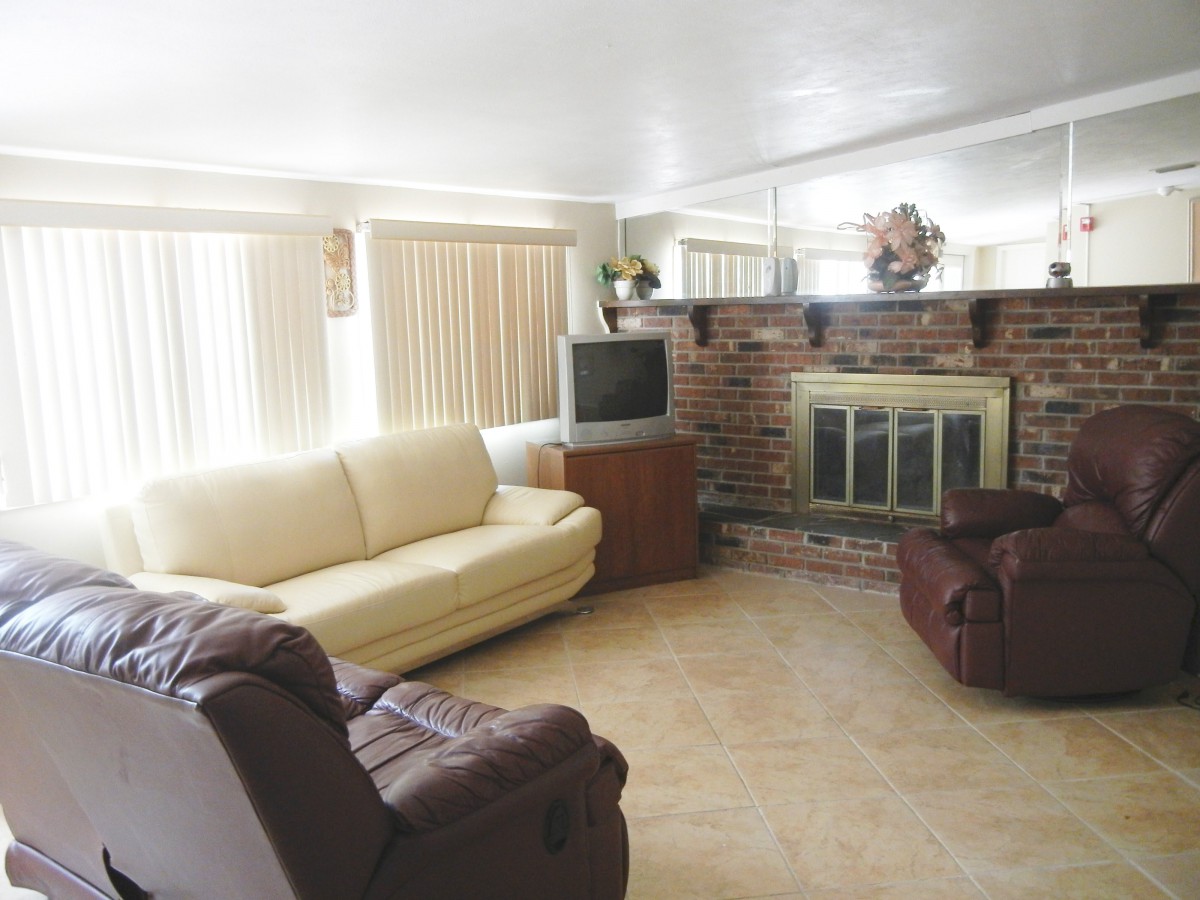
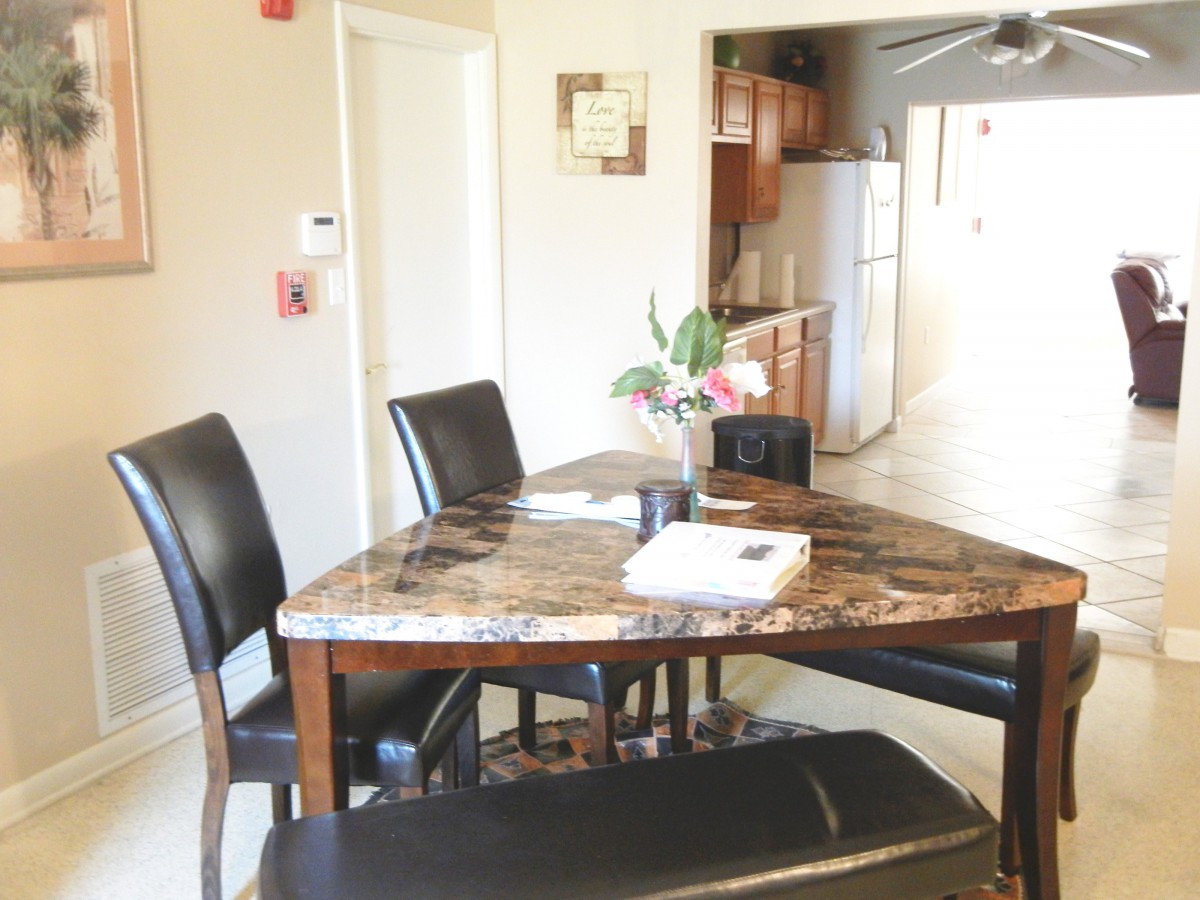
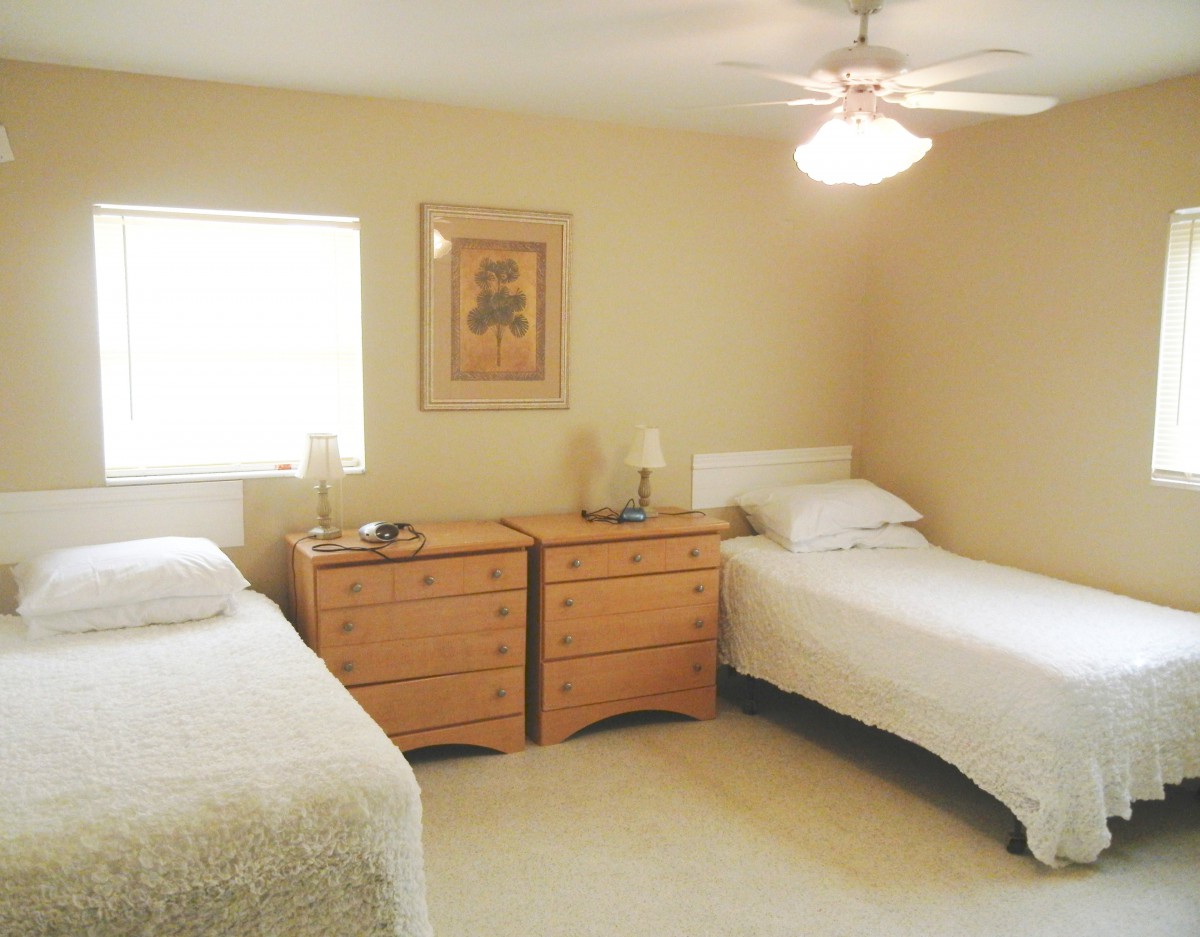
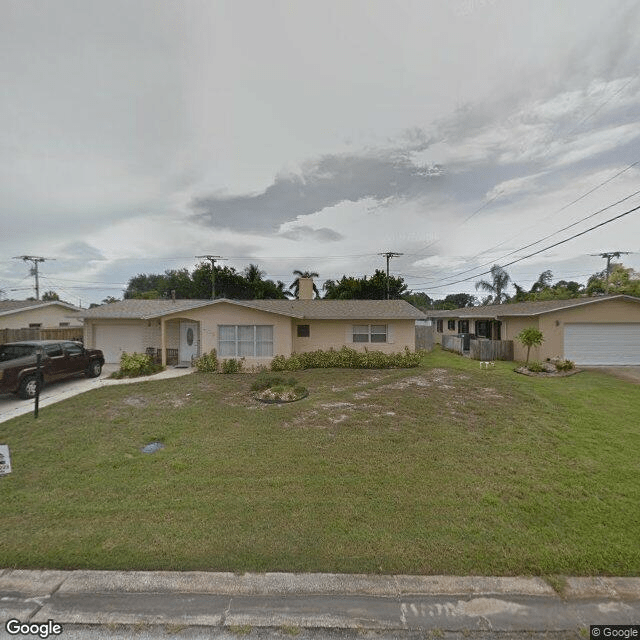
405 Rosedale Drive, Satellite Beach, FL 32937
To contact a resident: (321) 693-1776
For more information about senior living options: (866) 208-4318
Candy's House Costs & Pricing
Candy's House offers competitive pricing for its residential care services, particularly when compared to both Brevard County and the broader state of Florida. For a semi-private room, Candy's rate is $3,000 per month, which is slightly lower than the county's average of $3,027 and significantly below the state average of $3,009. In contrast, the private room option at Candy's House is priced at $4,500 per month; while this figure exceeds both the county average of $3,663 and the state average of $3,699, it reflects a commitment to providing enhanced comfort and personalized care. Overall, Candy's House maintains a balance between affordability for semi-private accommodations while investing in quality for those seeking private options.
| Floor plans | Candy's House | Brevard County | Florida |
|---|---|---|---|
| Semi-Private | $3,000 | $3,035 | $3,009 |
| Private | $4,500 | $3,672 | $3,699 |
Memory care communities with a similar price nearby
-
About the same
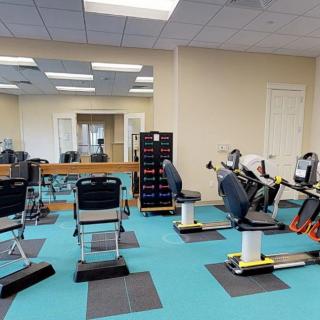
Riverview Senior Resort
$3,000 to $4,500 / month10.8 miles away -
About the same
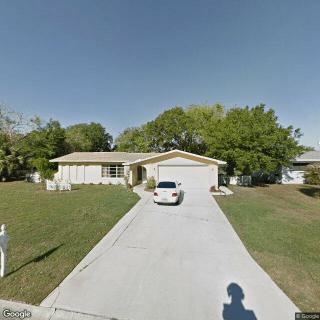
Shangri La Of Melbourne - ALF
$3,000 to $4,500 / month7.0 miles away -
from +$500 / mo
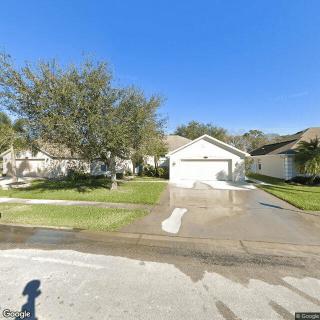
Shangri-La of West Melbourne
$3,500 to $4,300 / month8.4 miles away -
from -$500 / mo
Living Southern Style Of Brevard
$2,500 to $3,500 / month15.2 miles away -
from -$505 / mo

Harborside at Melbourne
$2,495 to $4,495 / month5.4 miles away
Overall Review of Candy's House
Pros
 Dad loves his new home.
- They take him to church and have activities during the week, which keeps him smiling.
- The reviewer is thankful for Candy's House and believes anyone would love to be cared for by Candy.
Cons
 The house was not up to their standards.
- It was a little rundown.
- It was not for them.
Review
Candy’s House in Satellite Beach is best suited for seniors who want a small, homelike setting and place a high value on social connection, routine activities, and faith-based programming. It functions more like a family-style residence than a traditional, large-scale assisted-living campus, which can be appealing to families seeking warmth and a resident-centered vibe. Prospective residents should understand this is not a polished, high-privacy facility; the house configuration is informal and mixed-gender, so comfort with that layout is essential. In deciding whether this option fits, the key question is whether a homey, activity-forward environment overrides the desire for a more conventional, clinical care setting.
On the upside, the strongest positive signal is in daily life engagement. One family notes that dad loves his new home, with church trips and weekday activities that keep him smiling. That kind of programming suggests attentiveness and a rhythm of life tuned to social interaction, faith-based or otherwise, which can yield meaningful emotional rewards for residents who thrive on companionship and predictable routines. For seniors who prefer a smaller, tightly knit community where personal attention feels tangible, Candy’s House can deliver a sense of belonging that larger facilities sometimes miss. The message is clear: when engagement and a sense of purpose matter, this setting can satisfy those priorities.
The main red flags emerge around the house itself and the environment. Review commentary describes the property as rundown and not up to some families’ standards, which raises immediate concerns about cleanliness, maintenance, and general upkeep. The concern about a mixed-gender living arrangement in a house setting is another potential barrier, especially for families seeking privacy and boundaries appropriate for mothers or other female residents. Taken together, these factors point to a care setting that may feel casual or imperfect by traditional assisted-living benchmarks, which can erode confidence for those who expect a higher degree of polish, safety features, and formalized routines.
Despite the positives around engagement, the negatives carry real weight when weighing long-term suitability. The social and spiritual programming can offset some unease for residents who prize companionship over facility polish, yet the reported upkeep issues and the non-traditional housing arrangement are not minor inconveniences, they can affect day-to-day comfort, privacy, and perceived safety. The one highly favorable account of care quality for a specific resident hints at variability in experience and possibly in staffing, rather than a uniform standard across all residents. Families must buffer expectations with the reality that experiences here may be uneven and highly dependent on individual staff shifts and weekly dynamics.
For families evaluating Candy’s House, a practical, door-to-door assessment is essential. Visit to observe cleanliness, safety features, and the overall atmosphere; ask pointed questions about whether all residents share living spaces or if there are private areas; confirm the level of medical oversight, medication management, and emergency procedures; inquire about staff credentials, turnover, and the consistency of care; get a clear calendar of activities and transportation options; and request references from other families currently using the home. Compare pricing, availability of private rooms, and contingency plans if care needs intensify. If these elements trigger concern, clearer boundaries and more formal oversight found in other facilities deserve serious consideration.
In the end, Candy’s House offers a warm, activity-rich option for seniors who prize companionship and faith-based programming in a home-like environment, provided tolerance exists for a non-traditional layout and possible upkeep gaps. For mothers or other residents who require stricter privacy, gender-separated living, and a more formal care structure, alternatives with clearer licensing, stronger maintenance, and more predictable daily routines should be pursued. The decision hinges on whether social and spiritual fulfillment outweighs structural and environmental drawbacks. This community warrants a firsthand visit and candid conversations about expectations, safety, and long-term fit before making a commitment.
 Board and Care Home
 Day Program
 Memory Care
 Air-conditioning
 Cable or satellite TV
 Devotional services off-site
 Full kitchen
 Indoor common areas
 Outdoor common areas
 Private
 Respite or short term stays offered
 Swimming pool / hot tub
 Wi-Fi/high-speed internet available
 Melbourne International (6 miles away)
 Ambulatory care
 Diabetic care
 High acuity care
 Incontinence care
 Medication management
 Meals provided
 BBQs or picnics
 Bible study group
 Birthday parties
 Cards / pinochle club
 Day trips and outings
 Live musical performances
 Resident band or musicians


 8 Key Indicators That Suggest It May Be Time to Transition from Assisted Living to Skilled Nursing Care
 Nourishing the Mind: Essential Dietary Approaches for Dementia
 Understanding Dementia Behaviors: Practical Insights and Strategies for Caregivers