
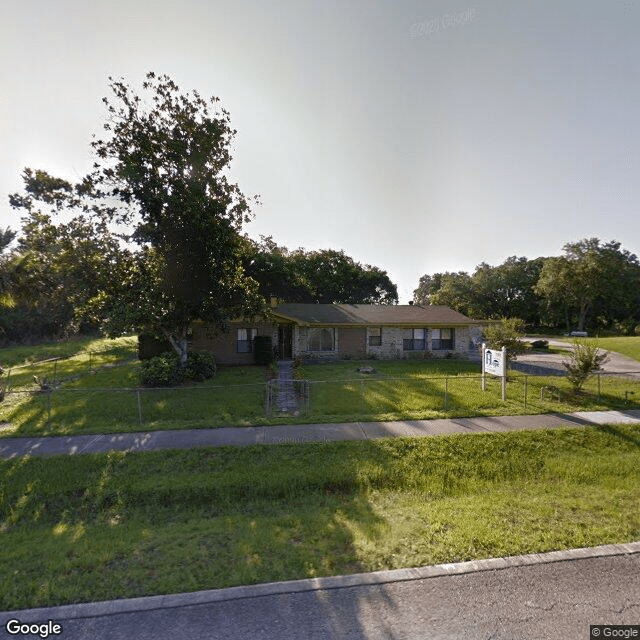
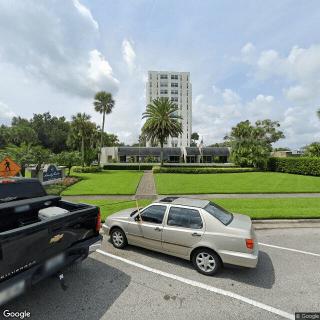
1401 Dixie Way, Sanford, FL 32771
To contact a resident: (407) 878-5298
For more information about senior living options: (866) 208-4318
Hope Assisted Living Facility Costs & Pricing
Hope Assisted Living Facility offers competitive pricing in comparison to both Seminole County and the broader state of Florida. For a semi-private room, residents pay $2,000 per month, significantly lower than the county average of $3,524 and the state average of $3,009. The one-bedroom option is available for $2,800, which again stands in stark contrast to Seminole County's average of $4,166 and Florida's average of $3,864. Similarly, the private room rate at Hope is also set at $2,800, offering an appealing alternative to the county's average of $3,953 and the state's average of $3,699. This pricing structure reflects Hope Assisted Living Facility's commitment to providing affordable care without compromising on quality.
| Floor plans | Hope Assisted Living Facility | Seminole County | Florida |
|---|---|---|---|
| Semi-Private | $2,000 | $3,524 | $3,009 |
| Private | $2,800 | $3,953 | $3,699 |
| 1 Bedroom | $2,800 | $4,166 | $3,864 |
Memory care communities with a similar price nearby
-
from +$200 / mo
Sweet Home At Last
$2,200 to $2,500 / month7.7 miles away -
from -$100 / mo
Ionie's Assisted Living II
$1,900 to $2,400 / month18.6 miles away -
from +$395 / mo
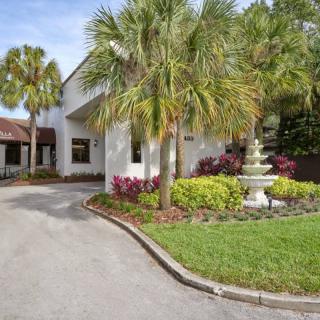
Grand Villa of Altamonte Springs
$2,395 to $3,895 / month10.8 miles away -
from +$95 / mo

Grand Villa of DeLand
$2,095 to $3,795 / month17.6 miles away -
from +$300 / mo
The Islands ALF Inc
$2,300 to $3,000 / month20.3 miles away
Overall Review of Hope Assisted Living Facility
Pros
 The staff were wonderful and caring.
- The care provided made the family trust that their loved one would be well looked after.
- The grandmother was loved just like family.
- The staff and management are wonderful.
- The staff are friendly and helpful.
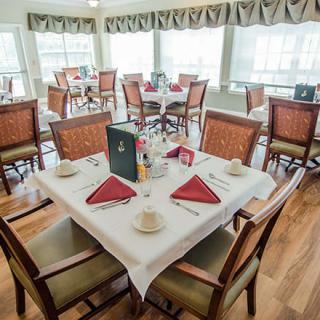
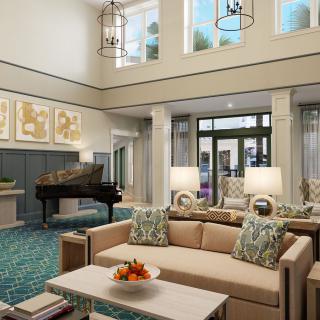
- The facility is clean, well-maintained, and the residents are happy.
Cons
 There is an unusual smell upon entry that has always been there.
- They should offer a wider range of memory care services if they advertise memory care.
Review
Hope Assisted Living in Sanford is best suited for families that prize a warm, home-like atmosphere and consistently attentive caregiving over big-campus amenities. The community tends to appeal to residents who thrive on predictable routines, personal attention from caregivers, and steady daytime oversight rather than cutting-edge medical services. With a high overall rating and a track record of long-tenured staff, Hope projects reliability: families can feel confident that caregivers know the resident’s preferences, history, and daily needs, which translates into calmer days and fewer care-gap worries.
The strongest upside is the people who show up every day. Review consensus centers on wonderful, stable staff and capable management who genuinely care for residents. Families repeatedly note the staff’s friendliness, professionalism, and willingness to go the extra mile, which creates a sense of safety and trust. The setting itself reinforces this impression: the facility is clean, well maintained, and visually pleasant, with residents described as happy and engaged. That combination, staff reliability plus a well-kept environment, consistently makes Hope feel like a sanctuary rather than a facility.
Yet no care decision should ignore the embedded drawbacks. An unusual smell reported at entry points rises as a tangible concern for certain visitors, suggesting odor can affect first impressions even when the interior care is solid. In parallel, the memory-care designation invites scrutiny. Several reviewers applaud Hope’s caregiving in general but express disappointment that the breadth of memory-care services does not appear as expansive as some families expect from facilities that advertise dementia-focused programming. That gap may matter most to families seeking robust cognitive support and more specialized therapies housed on-site.
Who should consider alternatives? Families seeking extensive, hospital-grade medical oversight or a large footprint with diverse, specialty memory programs may want to compare options. For residents requiring around-the-clock clinical management, aggressive dementia care, or access to a wider array of therapeutic modalities, Hope’s offering could feel insufficient relative to larger operators with comprehensive memory-care ecosystems. Additionally, if odor management and a more standardized, facility-wide memory-care model are priorities, other communities may provide a closer alignment to those expectations.
Nevertheless, the favorable aspects can meaningfully outweigh these concerns for the right resident. The dependable, compassionate staff creates daily reassurance: predictable routines, quick response times, and a culture that treats residents with genuine warmth. A clean, calm, and well-maintained environment supports safety and comfort, reducing the stress families often feel when a loved one transitions to assisted living. The consistent praise across multiple reviews, spanning years and families, builds a compelling case that Hope operates from a steady, resident-centered care philosophy rather than a transactional approach.
Bottom line: Hope Assisted Living offers a solid, well-regarded option for families prioritizing personal, relationship-driven care in a homey setting. It is less well-suited for those who require robust, wide-ranging memory-care programming or intensive on-site medical services that accompany larger, dementia-focused communities. When evaluating Hope, ask about how memory-care needs are addressed day-to-day, how odor concerns are managed, and how care plans adapt as cognitive needs evolve. For families who value a trusted, compassionate staff and a clean, welcoming home environment, Hope provides a practical, dependable choice with a proven track record of caregiving quality.
 Board and Care Home
 Memory Care
 Private
 Ambulatory care
 Diabetic care
 High acuity care
 Incontinence care
 Medication management


 Understanding Dementia Through Its Seven Stages: A Comprehensive Look at Progression and Expectations
 A Holistic Dementia Care Guide: Effective Strategies for Memory Support
 Comprehensive Insights into Activities of Daily Living (ADLs) and Their Assessment