
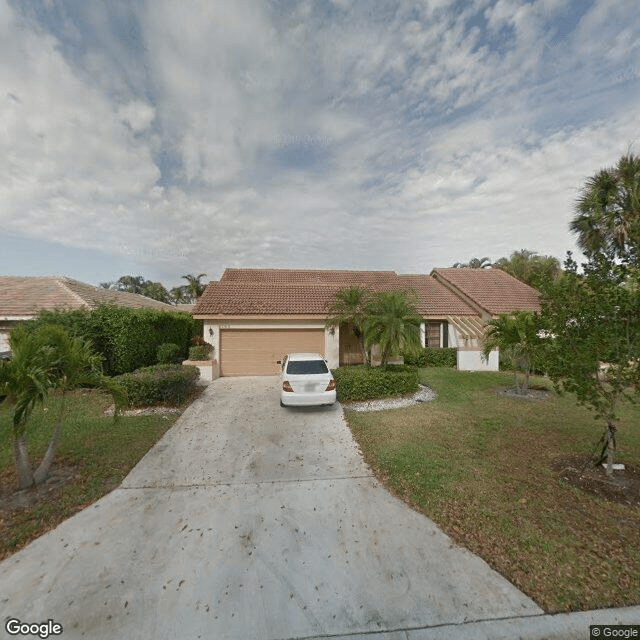
5182 NW 58th Terrace, Coral Springs, FL 33067
To contact a resident: (954) 263-5775
For more information about senior living options: (866) 208-4318
The Gardens at Hidden Hammocks Costs & Pricing
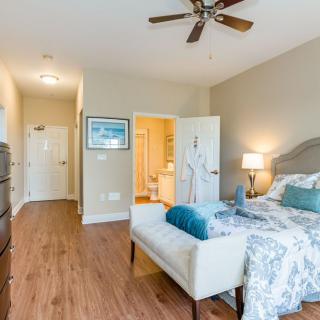
The Gardens at Hidden Hammocks offers a competitive pricing structure for its accommodations when compared to the broader market in Broward County and the state of Florida. For semi-private rooms, residents can expect to pay $3,000 per month, which is slightly above the county average of $2,902 but remains lower than the statewide average of $3,009. When it comes to private rooms and studios, the costs are similarly positioned; both are set at $4,000 per month - this amount exceeds the county's average for private rooms ($3,725) yet is still favorable against Florida's overall figure of $3,699 for similar spaces. Similarly, while studios at The Gardens align closely with Broward County's average ($3,601), they stand slightly below the broader state average of $3,823. Overall, The Gardens at Hidden Hammocks presents a compelling value proposition for those seeking quality living options in a vibrant community setting.
| Floor plans | The Gardens at Hidden Hammocks | Broward County | Florida |
|---|---|---|---|
| Semi-Private | $3,000 | $2,902 | $3,009 |
| Private | $4,000 | $3,725 | $3,699 |
| Studio | $4,000 | $3,601 | $3,823 |
Memory care communities with a similar price nearby
-
About the same
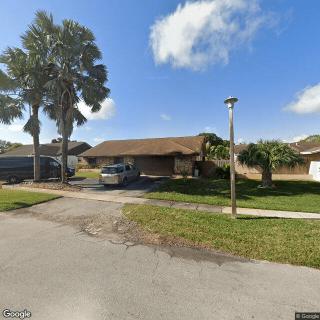
LB Solution Care Group Homes
$3,000 / month19.6 miles away -
from -$500 / mo
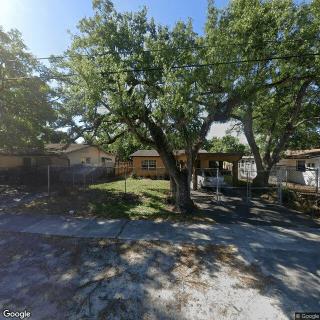
Anne Adult Family Care Home
$2,500 / month13.1 miles away -
from +$515 / mo
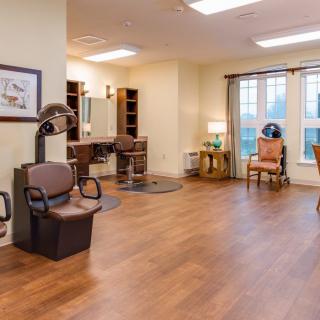
The Landing Of Lake Worth
$3,515 to $5,950 / month21.0 miles away -
from +$295 / mo

Mariposa
$3,295 to $5,110 / month18.9 miles away -
from +$250 / mo
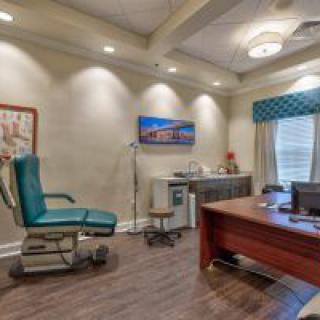
Aston Gardens at Parkland Commons
$3,250 to $5,805 / month2.6 miles away
Overall Review of The Gardens at Hidden Hammocks
Pros
 The family felt fortunate to find The Gardens at Hidden Hammock.
- The owners and care team exceeded their expectations.
- The mom received wonderful and caring care.
- The care extended to the dad and the whole family.
- The facility is very clean, and the staff are friendly.
- The family would highly recommend this facility for a loved one.
Review
The Gardens at Hidden Hammocks in Coral Springs is best suited for families seeking an intimate, hands-on caregiving environment with around-the-clock support and a deeply personal touch. The community shines when a loved one needs constant supervision and daily assistance delivered by a tightly knit team that treats residents like family. Owners are visibly involved, and families report a level of responsiveness and warmth that comes from a smaller, owner-led operation. For seniors who value predictable routines and staff who know names and preferences, this setting offers a compelling match. It suits guardians who want trustworthy accountability without the impersonality of larger campuses.
Those who should explicitly consider alternatives include families pursuing extensive medical programming, highly specialized memory care, or a broader menu of wellness services under larger corporate oversight. If a loved one requires frequent visits from many clinicians or advanced rehabilitation, a bigger campus may be preferable. Cost structures also matter; the high-touch model can reflect premium pricing, which may not fit every budget. In such cases, exploring other communities helps ensure the needed medical oversight and social programming remain accessible as needs evolve.
The strongest advantages are tangible: attentive, compassionate care; owners who oversee daily operations; a clean, welcoming environment; and staff with years of tenure. Daily interactions feel genuine, and families describe care that extends beyond the resident to include the whole family. These elements reduce family stress and stabilize routines, delivering a sense of safety that is hard to match in larger facilities. While no major downsides appear in the praise, the true test is ongoing suitability and the ability to scale services if needs intensify.
Specific anecdotes anchor this assessment: a mother who required 24-hour care received service described as wonderful and caring, with the care team exceeding expectations. Stories emphasize consideration for spouses and children at home, reinforcing a holistic approach. Cleanliness and friendly staff consistently come up as standout features, and years-long residency signals stability and trust. Taken together, these facets form a convincing case that the community can sustain a high daily quality of life.
Practical steps for families touring The Gardens at Hidden Hammocks include asking about staff-to-resident ratios, daily schedules, and how activities are tailored to mobility and interests. Prospective buyers should inquire about emergency medical oversight, on-site care coordination, and how transitions are handled if needs change. It also helps to discuss family participation in care planning and the accessibility of input. With clear expectations, the decision moves from impression to verifiable day-to-day experience.
In sum, for Coral Springs families prioritizing dependable, personal, 24/7 caregiving delivered in a hands-on, owner-driven culture, The Gardens at Hidden Hammocks stands out as a top option. It offers warmth, cleanliness, and continuity that can offset the limits of scale. Those needing broad medical programming or expansive amenities should consider alternatives, but for consistent, compassionate daily living, this community deserves serious consideration and a recommended site visit.
 Board and Care Home
 Day Program
 Memory Care
 Private
 Fort Lauderdale-Hollywood International (16 miles away)
 22 Remarkable Caregiver Support Groups Available Online and In-Person
 Understanding Medicaid Coverage for Assisted Living: A Comprehensive Guide
 How and When Medicaid May Cover Assisted Living Costs