
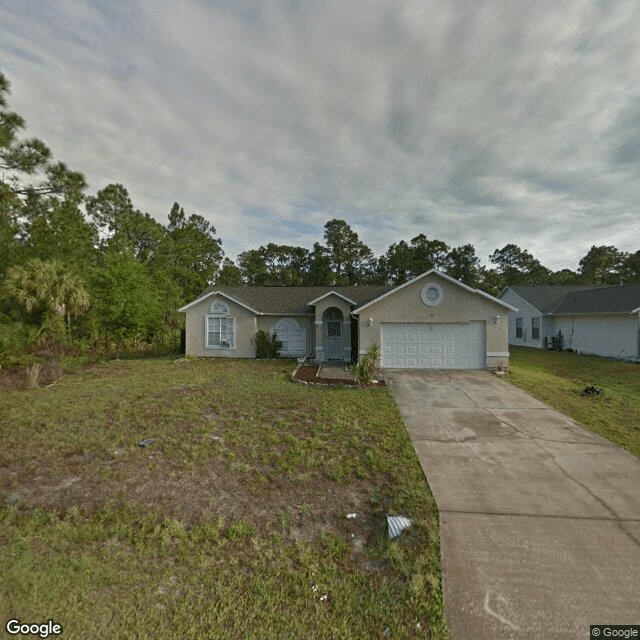
1773 Hays Street, Palm Bay, FL 32907
To contact a resident: (321) 327-2936
For more information about senior living options: (866) 208-4318
Tender at Heart Assisted Living Facility Costs & Pricing
Tender at Heart Assisted Living Facility offers competitive pricing for its residents, especially when compared to the broader market in Brevard County and the state of Florida. The facility provides semi-private rooms at a monthly cost of $2,200, significantly lower than the county average of $3,027 and the state average of $3,009. For those seeking more privacy, both private rooms and one-bedroom suites are available at a monthly rate of $3,500. This price is notably less than the county's average of $3,663 for private rooms and $3,909 for one-bedroom units, as well as below the statewide averages of $3,699 and $3,864 respectively. Overall, Tender at Heart presents an attractive option for families looking for quality assisted living services without breaking the bank.
| Floor plans | Tender at Heart Assisted Living Facility | Brevard County | Florida |
|---|---|---|---|
| Semi-Private | $2,200 | $3,035 | $3,009 |
| Private | $3,500 | $3,672 | $3,699 |
| 1 Bedroom | $3,500 | $3,909 | $3,864 |
Memory care communities with a similar price nearby
-
from +$300 / mo
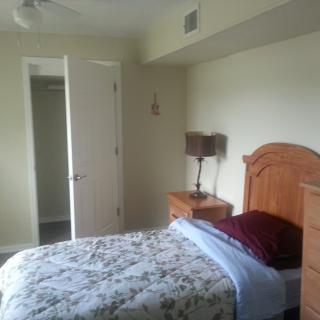
Living Southern Style Of Brevard
$2,500 to $3,500 / month22.9 miles away -
from +$100 / mo
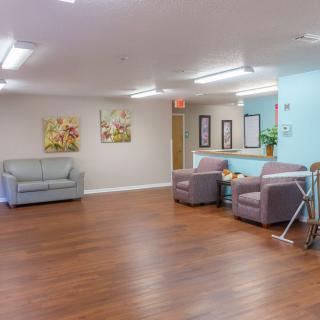
Bethesda on Turkey Creek
$2,300 to $3,500 / month8.6 miles away -
from +$295 / mo

Harborside at Melbourne
$2,495 to $4,495 / month8.7 miles away -
from +$175 / mo
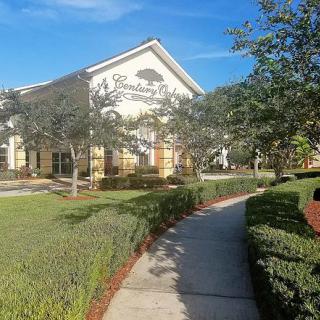
Century Oaks
$2,375 to $2,870 / month6.3 miles away -
from +$300 / mo
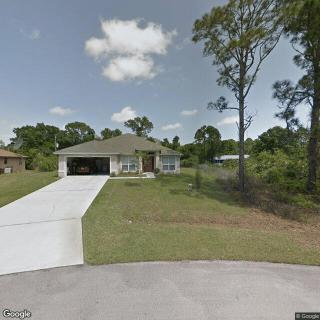
Glenville Pines Assisted Living Facility
$2,500 to $3,000 / month6.4 miles away
Overall Review of Tender at Heart Assisted Living Facility
Pros
 Staff at Tender at Heart Assisted Living are very helpful and keep families informed about their loved ones’ needs.
- Residents are very well cared for at Tender at Heart.
- The facility feels like a home, not a hospital.
- Families would recommend Tender at Heart to others.
Review
Tender at Heart Assisted Living Facility in Palm Bay, FL is best suited for families seeking a warm, home-like setting where seniors receive attentive, responsive care and regular, clear updates about daily needs. The community appears intimate rather than institutional, prioritizing personal relationships and comfort over clinical formality. It is a strong match for residents who value predictable routines, a domestic atmosphere, and a sense of belonging that mirrors home life rather than a hospital environment. For families prioritizing everyday warmth and approachable staff, this facility offers a compelling fit.
The two reviews converge on a core strength: staff who are helpful and consistently communicative. Residents’ families report that the team is proactive in identifying needs and in keeping loved ones connected to caregivers, which translates into timely problem-solving and peace of mind. The emphasis on being told when something is needed and staying informed about a loved one’s status signals reliable oversight and transparent collaboration with families. The characterization of the setting as feeling like a home reinforces the emotionally supportive tone, suggesting a culture of dignity, patience, and gentle pacing.
These factors are particularly persuasive for households that have previously encountered similar facilities and observed solid, dependable care. A homelike environment can significantly reduce stress during transitions and support sustained emotional well-being for seniors who prefer familiar routines and interpersonal warmth. For residents who do not demand a highly clinical or specialized program, Tender at Heart appears to deliver steady daily care, accessible staff, and a rhythm that emphasizes comfort, reassurance, and steady engagement with daily life.
Nevertheless, it remains prudent to consider alternatives for residents with higher medical complexity or specialized needs. If memory support requires a dedicated, structured program, or if rehab and intensive clinical oversight are essential, larger communities with more expansive medical teams may be a better match. For families seeking a broad spectrum of amenities, richer activity calendars, or more formalized care protocols across shifts, it is reasonable to compare facilities that advertise these strengths. In short, the best fit will hinge on the balance between personal, homelike care and the degree of clinical services required.
The main value proposition of Tender at Heart rests on three pillars: responsive communication, compassionate staff, and a home-like atmosphere. Those virtues mitigate typical concerns about smaller, intimate settings, such as potentially narrower service scopes or fewer on-site specialists, by delivering consistent attention, ease of access to caregivers, and a reassuring daily cadence. Since no explicit drawbacks are highlighted in the available feedback, the practical takeaway is clear: families prioritizing relational care and dignity-driven daily life should consider this community as a top option, with the caveat that medical complexity or memory-care specialization may warrant broader comparison.
A prudent decision plan centers on a first-hand visit, meeting the caregiving team, and examining concrete indicators: staffing ratios, how updates are delivered, sample care plans, and the process for coordinating outside medical appointments. Tender at Heart appeals to seniors who value routine, personal connection, and a comforting, homey feel. Those who require extensive medical management, advanced memory care, or a highly active social calendar may find a need to assess additional options to ensure all clinical and recreational needs are met. With these criteria in view, families can determine confidently whether Tender at Heart aligns with goals for comfort, dignity, and dependable daily care.
 Board and Care Home
 Memory Care
 Activities off-site
 Bath tubs
 Devotional services off-site
 Indoor common areas
 Outdoor common areas
 Private
 Private bathrooms
 Respite or short term stays offered
 Melbourne International (8 miles away)
 Ambulatory care
 Diabetic care
 High acuity care
 Incontinence care
 Medication management
 Meals provided

 Medications Associated with Dementia Risk: A Comprehensive Overview
 Guiding Your Journey: Understanding Power of Attorney for Elderly Parents
 22 Remarkable Caregiver Support Groups Available Online and In-Person