
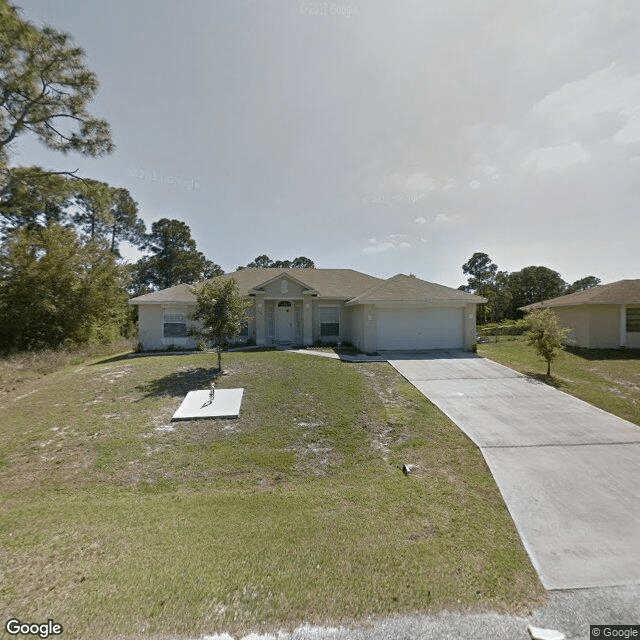
256 Triby Road, Palm Bay, FL 32908
To contact a resident: (321) 914-8284
For more information about senior living options: (866) 208-4318
New Beginning Board & Care Home 2 Costs & Pricing
New Beginning Board & Care Home 2 offers competitive pricing for its residents, with costs that are closely aligned with both Brevard County and the broader Florida state averages. For semi-private accommodations, the monthly fee is set at $3,000, which is slightly below the county average of $3,027 and the state average of $3,009. When it comes to private rooms and one-bedroom units, New Beginning continues to provide cost-effective options at $3,500 each; these rates hover just below the county's averages of $3,663 for private rooms and $3,909 for one-bedroom units. Overall, New Beginning Board & Care Home 2 presents a financially attractive choice for those seeking quality care in a supportive environment.
| Floor plans | New Beginning Board & Care Home 2 | Brevard County | Florida |
|---|---|---|---|
| Semi-Private | $3,000 | $3,035 | $3,009 |
| Private | $3,500 | $3,672 | $3,699 |
| 1 Bedroom | $3,500 | $3,909 | $3,864 |
Memory care communities with a similar price nearby
-
About the same
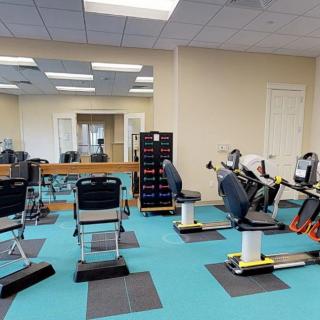
Riverview Senior Resort
$3,000 to $4,500 / month7.8 miles away -
About the same
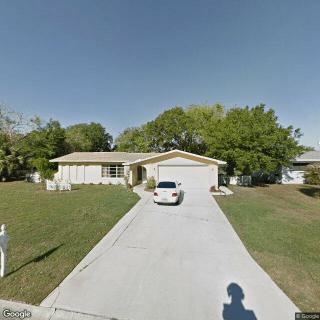
Shangri La Of Melbourne - ALF
$3,000 to $4,500 / month6.6 miles away -
from +$500 / mo
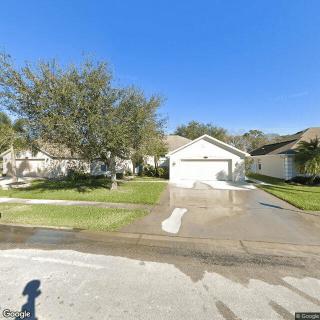
Shangri-La of West Melbourne
$3,500 to $4,300 / month5.1 miles away -
from -$500 / mo
Living Southern Style Of Brevard
$2,500 to $3,500 / month24.7 miles away -
from -$505 / mo

Harborside at Melbourne
$2,495 to $4,495 / month8.5 miles away
Overall Review of New Beginning Board & Care Home 2
Pros
 The place is obviously well run.
- It is as clean as a whistle with no smell of urine or medicine/detergent.
- The staff are very friendly and accommodating.
- The owner comes by and engages visitors in congenial conversation.
- The residents are ambulatory, clean, and well nourished.
- The reviewer would recommend the place with high enthusiasm.
Cons
 The residents were generally non-communicative.
- The narrator’s friend is clearly in an advanced stage of dementia.
Review
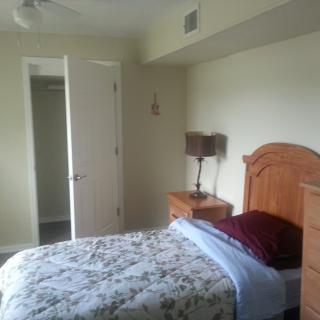
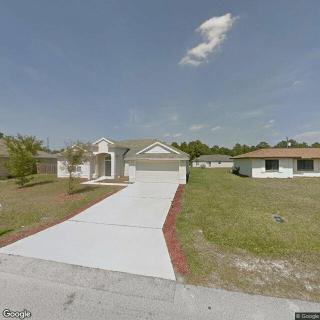
This community is best suited for families seeking a warm, intimate, home-like setting for an elderly relative who needs assistance but remains largely ambulatory and may have early-to-mid stage dementia. New Beginning Board & Care Home 2 operates in a single-family house, offering a cottage-scale environment where staff can provide hands-on attention and meaningful, family-like rapport. The small resident count, observed with four residents, means decisions feel personal rather than bureaucratic. Cleanliness and the absence of strong odors signal a meticulously kept space where daily routines can feel predictable and secure. It’s a practical fit for those who prioritize dignity, familiarity, and easy access to caregivers within a neighborhood setting rather than a large institutional campus.
Alternatives become worth weighing for families with higher medical needs or a stronger emphasis on formal programming. If substantial medical oversight or 24/7 skilled nursing is essential, or if the memory-care needs require more structured dementia-specific programming, a larger assisted living or a dedicated memory-care community is likely a better match. For residents needing a broader social network, frequent organized activities, or more expansive on-site amenities, the smaller footprint of this home may feel limiting. In short, the smaller setting excels on personal attention but may fall short on breadth of services and social options.
The strongest positives lie in the tangible care environment: an exceptionally clean, well-run home where hygiene is a clear priority and odors are contained. The staff are described as friendly and accommodating, delivering a level of personable service that reduces caregiver anxiety about neglect or oversight. The owner’s direct engagement during visits signals leadership that prioritizes resident welfare and is receptive to family input. Residents appeared ambulatory, well nourished, and generally well cared-for, which speaks to reliable meal preparation, hydration, and daily monitoring. For families seeking reassurance that a resident will be treated with respect and attentiveness, these factors count heavily in favor.
Yet the modest scale presents measurable trade-offs. With only a handful of residents, meaningful social interaction beyond the core group can be limited, and staff coverage is inevitably leaner than in larger facilities. The presence of dementia in at least one resident underscores the need for ongoing cognitive engagement, but the plan for memory-specific programming isn’t spelled out in the observed context. For families confronting advanced dementia challenges or requiring intensive, round-the-clock supervision, this setting may not deliver the level of dementia-focused coordination available in dedicated memory-care communities.
To evaluate decisively, prospective families should seek concrete answers about staffing and care logistics. Inquiries should cover shift staffing levels, on-site nursing availability, and clear emergency protocols. Meal plans deserve scrutiny: dietary accommodations, hydration strategies, and the process for medication management must be transparent. Request a sample daily schedule that includes activities, cognitive stimulation, and any planned outings, plus a resident care plan tailored to dementia. Talking with current or past families can illuminate communication style, responsiveness, and actual day-to-day operations beyond the initial impression.
Bottom line: New Beginning Board & Care Home 2 offers a compelling, small-scale option for families prioritizing cleanliness, personal attention, and a warm, home-like environment over an institutional atmosphere. It stands out where the caregiver-to-resident relationship can be intimate and where leadership is directly engaged with family concerns. For those requiring high-acuity medical care or a bustling social calendar, larger assisted-living or dedicated memory-care communities should be explored. A visit is essential to verify alignment with care needs, expectations, and budget, but the initial impression is that this Palm Bay home delivers reliability, respect, and a dignified pace of life for a loved one who benefits from a gentle, home-based approach.
 Board and Care Home
 Day Program
 Memory Care
 Private
 Melbourne International (8 miles away)
 Ambulatory care
 Diabetic care
 High acuity care
 Incontinence care
 Medication management
 Illuminating Insights About Alzheimer's Disease: Ten Crucial Realities
 A Thorough Discussion of Medications Potentially Linked to Dementia Risk
 Why Do Dementia Patients Sleep So Much? Understanding Oversleeping, Stages, and Care Approaches