
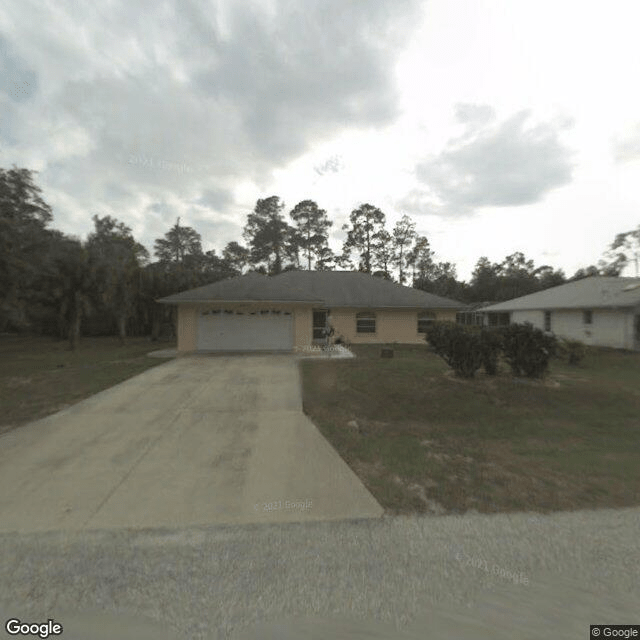
4817 Italy Avenue, North Port, FL 34288
To contact a resident: (941) 404-2175
For more information about senior living options: (866) 208-4318
Amanda's Adult Family Care Home Costs & Pricing
At Amanda's Adult Family Care Home, the monthly costs for accommodations are quite competitive compared to Sarasota County and the broader Florida state averages. For a studio room, residents are charged $3,000, which is significantly lower than the county average of $4,040 and the state average of $3,823. Similarly, a one-bedroom unit is offered at the same rate of $3,000, again undercutting both Sarasota County's average of $4,288 and Florida's average of $3,864. This pricing strategy not only provides value but also reflects Amanda's commitment to offering affordable care without compromising on quality for its residents.
| Floor plans | Amanda's Adult Family Care Home | Sarasota County | Florida |
|---|---|---|---|
| Studio | $3,000 | $4,040 | $3,823 |
| 1 Bedroom | $3,000 | $4,288 | $3,864 |
Memory care communities with a similar price nearby
-
from +$475 / mo
The Gallery at North Port
$3,475 to $4,850 / month6.1 miles away -
from -$200 / mo

A Banyan Residence
$2,800 to $5,400 / month20.7 miles away -
from +$350 / mo

The Goldton at Venice
$3,350 to $5,300 / month21.7 miles away -
from +$589 / mo

Discovery Commons South Biscayne
$3,589 to $6,106 / month9.0 miles away -
from -$125 / mo
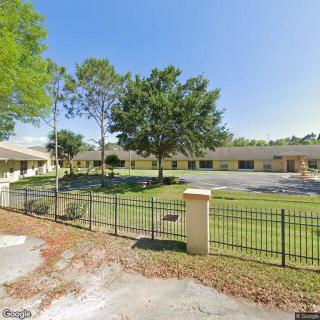
Sandhill Gardens Retirement Center
$2,875 to $3,250 / month4.8 miles away
Overall Review of Amanda's Adult Family Care Home
Pros
 The facility provides excellent service to the elderly.
- Being a small business, the staff are attentive to their patients.
- The facility is very clean and treats residents like family.
- The staff are caring and thoughtful.
- Mrs. Sheppard is very caring and cooks amazing meals.
- They follow all Covid protocols and keep the environment very clean.
- The food is homemade and prepared the same day.
Review
Amanda's Adult Family Care Home in North Port is best suited for seniors who want an intimate, family-like living experience where staff can know residents by name, respond quickly to everyday needs, and enjoy consistently home-cooked meals in a calm, low-traffic setting. In a small-business environment, care tends to be unusually personal, and routines feel predictable and reassuring rather than institutional. This is the kind of place where a resident’s mood and preferences can shape daily life, and where staff cultivate genuine relationships with both residents and families. It is ideal for those who prize warmth, cleanliness, and a quiet, homey atmosphere over the breadth of services offered by larger, more clinical communities.
That said, this setting may not fit every situation. Families with loved ones who require round-the-clock skilled nursing, frequent medical monitoring, or complex rehab will likely want alternatives. The reviews describe a small operation rather than a full-fledged medical campus, which suggests more limited on-site medical programming and fewer built-in supports for high-acuity needs. Additionally, residents who rely on highly structured activities, extensive transportation offerings, or specialized memory-care programming may find larger facilities more aligned with those expectations. In short, the strength of personalization can come at the cost of scale and formal medical services.
The strongest case for Amanda’s rests on practical, tangible strengths that support well-being day to day. The team appears consistently attentive, a natural outcome of the small size, with caregivers who are described as caring, thoughtful, and genuinely invested in residents’ happiness. Cleanliness is repeatedly highlighted, reinforcing a sense of safety and comfort in daily living. Meals emerge as a standout feature, homemade, prepared fresh, and praised by family and residents alike, adding a meaningful dimension to daily life and overall satisfaction. The overall environment is portrayed as peaceful, which matters for seniors seeking predictable routines and minimal noise or disruption. Taken together, these factors create a compelling counterweight to any potential gaps in medical infrastructure.
Nevertheless, the limited scale implies trade-offs. The most obvious con is the potential for constrained medical oversight and fewer specialized staff on-site, which can be a misfit for residents with significant or evolving healthcare needs. Although the home is described as clean and well-run, the absence of a large clinical team or formal memory-care programming means that certain conditions may require external coordination or transfer to a higher level of care as needs evolve. The single mid-range rating within the five-star dominance hints at some day-to-day variability, underscoring the reality that consistency may hinge on individual caregivers and schedules. Families should plan for a care model that relies on strong outside coordination if medical or cognitive needs intensify.
When deciding, families should approach Amanda’s with a practical checklist. Start with a precise care plan aligned to the resident’s needs, including medication management, mobility assistance, and daily living tasks. Inquire about staffing ratios during evenings and weekends, what on-site medical expertise exists, and how outside providers are engaged and documented. Observe mealtime dynamics and caregiver interactions during a visit to gauge whether the warmth translates into sustained daily support. Confirm dietary accommodations, meal frequency, and nutritional oversight to ensure long-term compatibility with health goals. Finally, obtain a transparent understanding of pricing, what is included, and any additional charges that could arise as care needs shift.
Bottom line: Amanda's Adult Family Care Home delivers a standout option for families prioritizing intimate, attentive, home-like care with pristine cleanliness and consistently high-quality meals. It is a persuasive choice for seniors who flourish in a small, family-run setting where staff relationships drive daily happiness and security. For residents who require robust medical oversight, memory-care specialization, or a broader menu of structured activities and transport options, it is wise to explore alternatives that offer more extensive clinical resources. The decision should rest on balancing medical needs and cognitive support against the compelling advantages of personal attention, a peaceful home atmosphere, and the reliability of a tightly knit caregiving team.
 Board and Care Home
 Memory Care
 Activities on-site
 Devotional services off-site
 Indoor common areas
 Ambulatory care
 Diabetic care
 Meals provided

 A Thorough Discussion of Medications Potentially Linked to Dementia Risk
 Why Do Dementia Patients Sleep So Much? Understanding Oversleeping, Stages, and Care Approaches
 8 Key Indicators That Suggest It May Be Time to Transition from Assisted Living to Skilled Nursing Care