
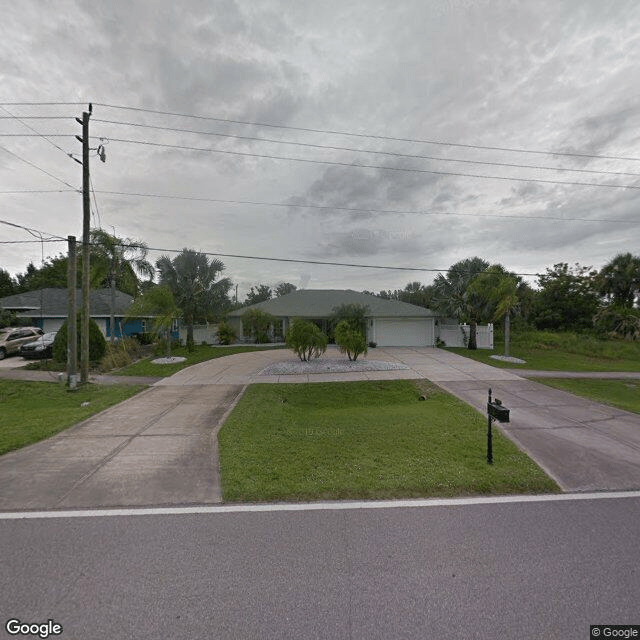
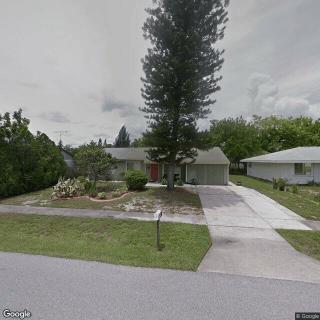
2500 S Biscayne Dr, North Port, FL 34287
To contact a resident: (941) 426-1412
For more information about senior living options: (866) 208-4318
Allure of Xanadu Costs & Pricing
Allure of Xanadu presents a compelling value proposition in the realm of assisted living, particularly when compared to both Sarasota County and the broader Florida market. For instance, their semi-private rooms are offered at $2,600 per month, significantly lower than Sarasota County's average of $3,456 and Florida's statewide average of $3,009. Similarly, the cost for private units stands at $5,000 per month, which is competitive against Sarasota's rate of $4,228 but still favorable when considering the elevated quality of care provided. The studio option is likewise priced at $5,000 monthly; while this exceeds both local ($4,040) and state averages ($3,823), it remains an attractive choice for individuals seeking enhanced services and amenities in a supportive environment. Overall, Allure of Xanadu offers a range of options that balance affordability with high-quality care.
| Floor plans | Allure of Xanadu | Sarasota County | Florida |
|---|---|---|---|
| Semi-Private | $2,600 | $3,456 | $3,009 |
| Private | $5,000 | $4,228 | $3,699 |
| Studio | $5,000 | $4,040 | $3,823 |
Memory care communities with a similar price nearby
-
from -$100 / mo
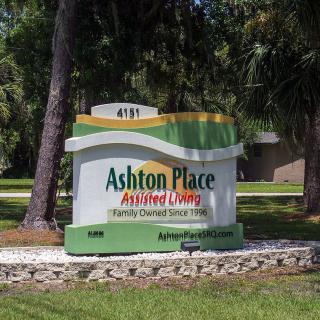
Ashton Place
$2,500 to $3,200 / month20.9 miles away -
from +$200 / mo

A Banyan Residence
$2,800 to $5,400 / month12.4 miles away -
from +$275 / mo
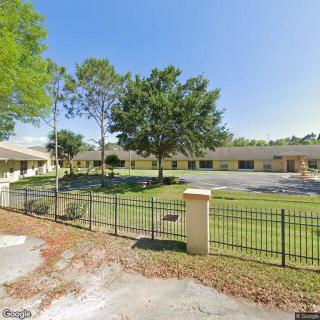
Sandhill Gardens Retirement Center
$2,875 to $3,250 / month12.5 miles away -
About the same
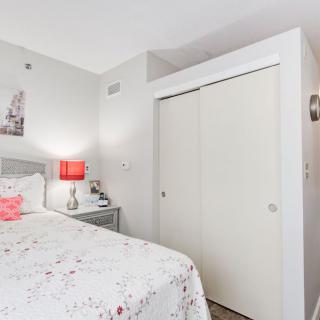
Truewood By Merrill, Venice
$2,600 to $3,750 / month9.1 miles away -
About the same

South Port Square
$2,580 to $4,110 / month12.3 miles away
Overall Review of Allure of Xanadu
Pros
 The staff were great and helpful.
- The staff were more helpful than at other assisted living facilities where the reviewer placed his wife for care.
Review
Allure of Xanadu in North Port, Florida is best suited for families who value hands-on, responsive caregiving and want to feel that staff attention to their loved one is reliable and consistently warm. The core strength here is the people who show up every day: caregivers who are described as great and helpful, with a level of dedication that stands out relative to other assisted living experiences. When the primary objective is to enjoy peace of mind that a resident will be treated with courtesy, patience, and practical support, this community positions itself as a top contender in its market.
Those weighing alternatives should note that the available feedback is narrow in scope. The single, five-star review highlights staff excellence but leaves other dimensions, such as meal quality, calendar of activities, physical environment, and clinical oversight, underreported. If a family needs robust medical coordination, a full calendar of engaging programs, or a facility with extensive memory-care resources, it would be wise to widen the comparison to communities with more comprehensive, long-standing track records. In short, the decision should weigh staff reliability against other care features that matter most to the resident.
The standout pro is unmistakable: staff performance. The reviewer’s emphasis that the staff were “great and helpful”, and “more so than at other assisted living facilities”, translates into real, day-to-day value. This kind of care translates into quicker response times to requests, more consistent assistance with daily tasks, and a sense that caregivers know the resident’s routines, preferences, and limits. In environments where safety, reassurance, and dignity hinge on front-line interactions, this level of attentiveness can dramatically improve quality of life and reduce anxiety for both residents and families.
Because the review provides limited detail beyond staffing, the main cons are not spelled out in explicit terms. The practical implication is that families must fill in the gaps through direct visits and targeted questions. The absence of information on programming breadth, dining experience, facility maintenance, or specialized services means there is a real risk of overestimating strength in one domain. Still, the compelling staff advantage can offset many common concerns, particularly for residents who thrive on predictable routines, individualized attention, and a caregiving culture that prioritizes responsiveness over glossy but fragmented amenities.
For a disciplined evaluation, prospective residents should scrutinize several factors during tours and conversations. Ask about caregiver-to-resident ratios during peak hours, staff turnover rates, and the process for updating care plans. Inquire how meals are planned and served, what activities a typical day offers, and how the facility supports mobility, memory care, or chronic conditions. Observing how staff interact with residents in real time, and speaking with multiple team members, including nursing and administration, will reveal whether the claimed strengths truly permeate all shifts and departments.
Ultimately, the decision hinges on whether emotional security and reliable daily support outweigh other considerations. Allure of Xanadu delivers a compelling case for families prioritizing compassionate, hands-on caregiving where staff excellence is the defining feature. It is a strong fit for those who want to feel the resident is seen, heard, and well cared for by people who take personal responsibility for each resident’s comfort and safety. For families whose criteria include extensive medical oversight, a busier activity calendar, or specialized memory-care amenities, alternatives may better align with those priorities. Proceed with targeted questions, in-person observations, and a clear read on staffing stability to determine if Xanadu matches the care equation sought.
 Board and Care Home
 Memory Care
 Activities on-site
 Bath tubs
 Devotional services on-site
 Indoor common areas
 Outdoor common areas
 Private
 Respite or short term stays offered
 Swimming pool / hot tub
 Wheelchair accessible showers
 Ambulatory care
 Diabetic care
 Incontinence care
 Medication management
 Meals provided




 When to Transition from Assisted Living to Memory Care: Key Indicators, Steps, and Finding the Right Community
 Understanding the Distinctions: Assisted Living and Memory Care Explained
 How to Communicate with a Loved One Living with Dementia: 10 Supportive Strategies