
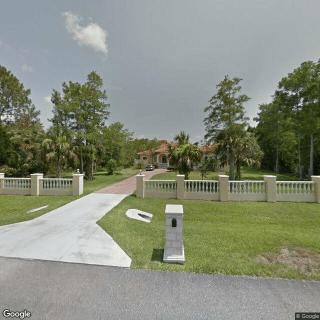
3620 64th Avenue NE, Naples, FL 34120
To contact a resident: (239) 348-9928
For more information about senior living options: (866) 208-4318
Adult Family Care Home Costs & Pricing
The costs associated with Adult Family Care Homes reflect a nuanced landscape when comparing Collier County to state averages in Florida. For semi-private rooms, residents can expect to pay approximately $2,700 monthly in Adult Family Care Homes, which is significantly lower than the county average of $3,953 and slightly below the state average of $3,009. In terms of one-bedroom accommodations, the pricing aligns closely with county and state expectations; at $3,500, it is less than Collier's average of $4,357 but slightly above Florida's average of $3,864. For those seeking private rooms, the cost remains consistent at $3,500 - again more economical than Colllier County's higher rate of $4,538 yet fairly aligned with the statewide average of $3,699. Overall, these figures indicate that Adult Family Care Homes provide a more budget-friendly option compared to typical variations within Collier County while remaining competitive across Florida as a whole.
| Floor plans | Adult Family Care Home | Collier County | Florida |
|---|---|---|---|
| Semi-Private | $2,700 | $3,953 | $3,009 |
| 1 Bedroom | $3,500 | $4,357 | $3,864 |
| Private | $3,500 | $4,538 | $3,699 |
Memory care communities with a similar price nearby
-
from -$415 / mo

The Glenview At Pelican Bay
$2,285 to $2,844 / month19.3 miles away -
from +$295 / mo
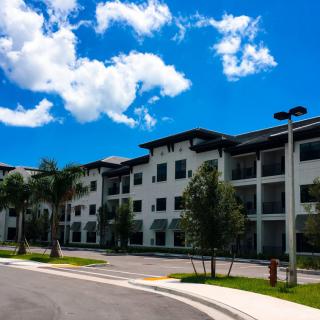
Seascape At Naples
$2,995 to $4,459 / month16.3 miles away -
from +$400 / mo
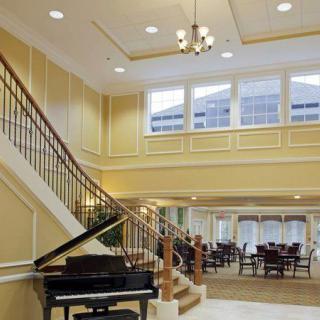
Canterfield of Fort Myers
$3,100 to $6,200 / month20.1 miles away -
About the same
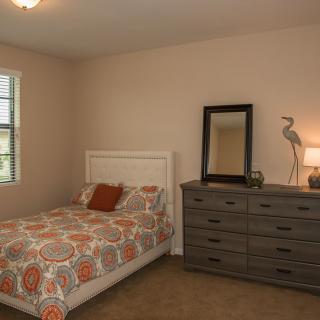
Discovery Commons Cypress Point
$2,625 to $6,000 / month22.2 miles away -
from +$475 / mo

Terracina Grand
$3,175 to $5,305 / month18.7 miles away
Overall Review of Adult Family Care Home
Pros
 Bonia Baptiste is the most competent, caring, and dedicated to her patients.
- She has saved my sister’s life in a nursing home.
- She will be moving into Ms. Baptiste’s care home where the ratio of staff to patients is impressive.
- My sister will be treated with dignity, quality care, and compassion.
Review
This Naples, Florida Adult Family Care Home is best suited for families that prioritize a deeply personal, hands-on level of attention in a small, home-like setting. It excels when the resident thrives under steady supervision from a dedicated caregiver who can foster a trusting relationship with both the resident and their family. The standout is a nurse-like approach delivered in a intimate environment, where the caregiver’s competence and genuine commitment translate into daily interactions that feel more like family care than institutional oversight. For seniors who value dignity, compassionate communication, and a high staff-to-resident ratio that reduces missed cues or delays, this community offers a compelling fit.
Those who may want to consider alternatives include families seeking broad medical capabilities on-site or a wide array of structured activities and social programming. Larger assisted living communities typically provide more on-site specialists, routine visits from various therapists, and a calendar of group events that keep residents engaged throughout the day. If a resident requires frequent, high-level medical interventions, constant on-call physician access, or a robust and diverse activity schedule, a bigger facility may deliver more comprehensive coverage and variety. For such needs, exploring additional options can help ensure medical and social requirements are fully met.
The primary advantages here are concrete and meaningful. The care environment is defined by an impressively high staff-to-resident ratio, which translates into rapid response times, careful monitoring, and a level of attentiveness that feels tailor-made for each individual. The caregiver, Bonia Baptiste, is described as exceptionally competent, caring, and dedicated, qualities that consistently translate into tangible benefits for residents. The narrative highlights not just basic care, but a proactive, compassionate posture that results in dignity and quality of life being at the forefront of every interaction. The combination of skilled staff leadership and a home-like atmosphere creates a sense of safety and trust that is often hard to achieve in larger facilities.
How these strengths translate against potential downsides is telling. When the core pro is a reliable, high-touch caregiver relationship, the perceived drawbacks of a smaller setting, such as limited on-site medical services or fewer formal programs, are substantially mitigated. The daily reality described, care characterized by dignity, quality, and compassion, acts as a powerful counterweight to the risk of staying in a more impersonal environment. The anecdote about life-saving attentiveness, even within the confines of a home care home, signals that quick, decisive action can come from this intimate model, offsetting concerns about medical contingency. In short, the personal vigilance and compassionate leadership here can compensate for the absence of a large medical team or extensive activity offerings.
Nonetheless, prudent decision-making requires acknowledging what may not be present in this format. Prospective residents should assess whether the setting can meet evolving medical needs as they arise, including access to specialists, hospital coordination, and advanced therapies. Families should verify how long-term care plans are managed, what happens when care demands exceed home-based capabilities, and how emergencies are handled if immediate hospital transfer becomes necessary. While the praise for the caregiver’s competence is persuasive, it is essential to confirm that the care model aligns with current medical requirements and future contingencies.
Ultimately, decisions should center on fit and clarity of expectations. Begin with a direct assessment of daily routines, care planning, and communication patterns with the caregiving team. Confirm the exact scope of on-site services, responsiveness during off-hours, and the process for coordinating with external clinicians. Request resident references or case examples that illustrate how care is delivered in scenarios ranging from routine daily needs to acute concerns. If the resident values a nurturing, high-touch environment and benefits from a protective, family-like dynamic, this community stands out as a strong choice, provided medical needs and activity expectations align with the smaller, intimate model.
 Board and Care Home
 Memory Care
 Activities off-site
 Bath tubs
 Beautician on-site
 Indoor common areas
 Outdoor common areas
 Private
 Respite or short term stays offered
 Wheelchair accessible showers
 Southwest Florida International (19 miles away)
 Ambulatory care
 Diabetic care
 Incontinence care
 Kosher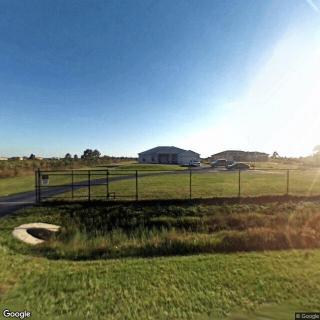

 How and When Medicaid May Cover Assisted Living Costs
 A Detailed Exploration of Assisted Living Medicaid Waivers Across the United States
 Exploring the Contrasts Between Assisted Living and Skilled Nursing