
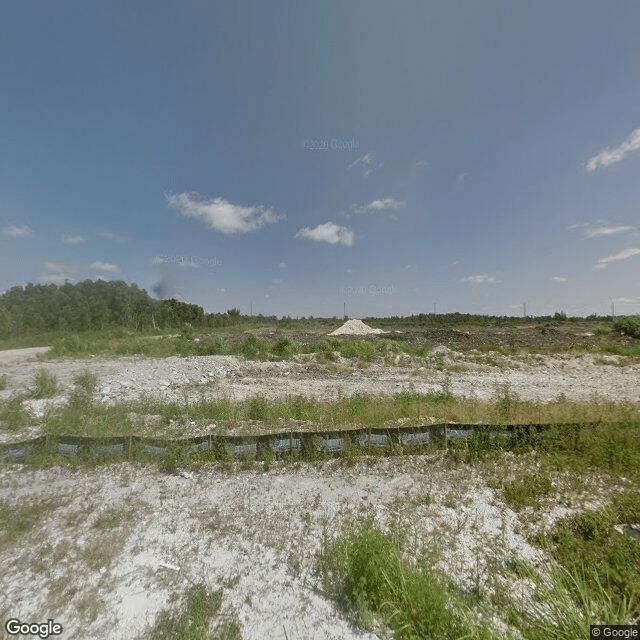
16649 SW 44th Street, Miami, FL 33185
To contact a resident: (786) 376-2155
For more information about senior living options: (866) 208-4318
Rita Maria Two ALF Costs & Pricing
Rita Maria Two Assisted Living Facility offers competitive pricing for its residents, providing a welcoming environment at lower costs compared to both Miami-Dade County and the broader state of Florida. For those choosing semi-private accommodations, the monthly rate stands at $1,800, significantly below the county average of $2,250 and the state average of $3,009. Similarly, private rooms are available for $2,500, which is also more affordable than the county's average of $3,304 and the state's average of $3,699. This cost structure highlights Rita Maria Two ALF as an attractive option for families seeking quality care without compromising on affordability in a region known for its higher living expenses.
| Floor plans | Rita Maria Two ALF | Miami-Dade County | Florida |
|---|---|---|---|
| Semi-Private | $1,800 | $2,250 | $3,009 |
| Private | $2,500 | $3,304 | $3,699 |
Memory care communities with a similar price nearby
-
from +$200 / mo
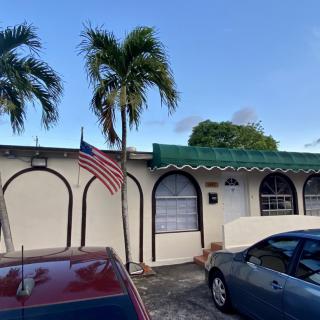
Care and Love Retirement Home
$2,000 to $2,500 / month14.5 miles away -
About the same
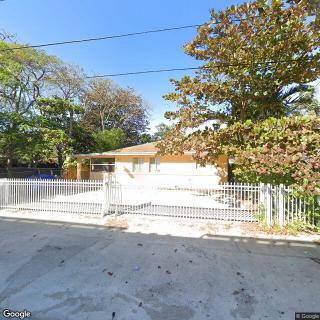
Magnet Adult Home South
$1,800 to $3,500 / month16.3 miles away -
from +$200 / mo
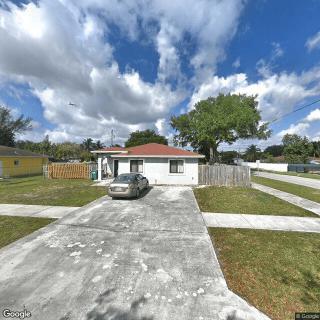
Sweet Angel's Home Assisted Living Facility Inc
$2,000 to $2,500 / month18.1 miles away -
from -$300 / mo
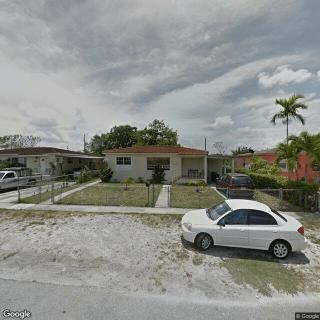
Hogar De Amable Consuelo
$1,500 to $3,000 / month15.3 miles away -
from -$300 / mo
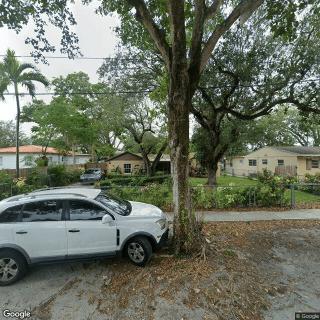
North Miami Angel Gardens ALF, Inc
$1,500 / month21.2 miles away
Overall Review of Rita Maria Two ALF
Pros
 The place has a real home atmosphere.
- The staff are very friendly.
- It is clean and homey.
- It is really the best.
Cons
 Rita Morgan died here.
Review
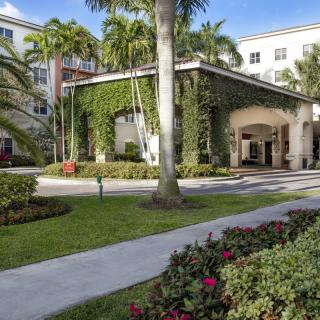
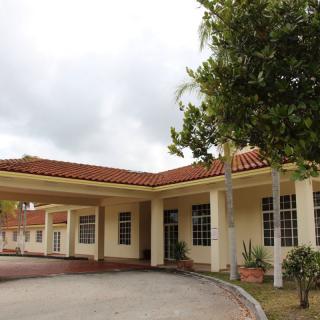
Rita Maria Two ALF in Miami, Florida is best suited for seniors who prize a genuine home-like ambiance, a close-knit staff, and a clean, comfortable living environment. The community consistently earns praise for feeling less institutional and more residential, with residents and families likely to find reassurance in a setting that emphasizes warmth and personal attention. For seniors who want to avoid a hospital-like atmosphere and prefer daily life that resembles home, where staff relationships feel familiar and approachable, this is a compelling option.
Those with more intensive medical needs or expectations of a large campus with robust clinical programming may want to consider alternatives. A few reviewers hint at questions about severe events or resident outcomes, underscoring the importance of verifying transparency and care quality directly with management before committing. In practice, families should size up whether needed medical oversight, 24/7 nursing presence, or memory-care specialization is available on-site or via reliable, coordinated arrangements. If the expectation is frequent clinical interventions or a highly structured, large-scale activity schedule, larger facilities or nursing-focused settings may serve better.
The strongest selling points here are the homey atmosphere and the staff’s demeanor. A real home atmosphere, paired with consistently friendly staff, makes daily routines feel less clinical and more predictable, which can ease anxiety for first-time movers and for residents who fear transitions. Cleanliness and a homelike aesthetic reinforce that sense of comfort, contributing to easier acclimatization and ongoing satisfaction. In practical terms, these factors translate into smoother mealtimes, more relaxed social interactions, and a greater sense of autonomy within a supported framework. When choosing an ALF, those qualitative aspects often matter as much as specific services, and Rita Maria Two ALF demonstrates strength in these areas.
The narrative around cons is comparatively sparse, but this is not a blank slate. Any family evaluating this community should not gloss over the implicit trade-offs of a small, home-oriented setting. The lack of detailed information about clinical staffing levels, emergency protocols, and the breadth of on-site medical services means due diligence is essential. The favorable reviews suggest a high level of day-to-day resident happiness, yet that does not automatically ensure suitability for every care trajectory. The offset here rests on the staff’s accessibility and the intimate environment, which can compensate for a more limited formal care apparatus when plans are aligned with the resident’s health status and family expectations.
To move from endorsement to decision, families should approach due diligence with a practical checklist. Visit and observe how staff interact with residents, noting responsiveness, patience, and the ease of communication. Inquire about licensing status, staffing ratios, and who provides which services (laundry, meals, transportation, medication management). Taste-test the meals and review the activity calendar to gauge whether there are enough social and cognitive stimulation opportunities. Ask about what happens when health needs change, including arrangements for external medical appointments, on-site visits by clinicians, and transition options if higher levels of care become necessary. Address any lingering questions from the review surface, especially the noted concern about a resident’s passing, by requesting clarity and documentation from administrators.
The bottom line is clear: Rita Maria Two ALF is a strong choice for families prioritizing a warm, home-like environment with friendly, engaged staff and a clean, comfortable setting. It excels for seniors who want intimate, person-centered care without the formality and bustle of larger communities. Those who require extensive medical management on-site, or who seek a facility with a broad array of clinical services and specialized memory care programs, should explore alternatives with a more pronounced clinical footprint. A guided tour, explicit conversations about care plans, and a candid discussion of safety and transparency will reveal whether this particular ALF aligns with the resident’s health needs and family expectations.
 Board and Care Home
 Day Program
 Memory Care
 Private
 Miami International (12 miles away)
 Ambulatory care
 Incontinence care
 Medication management

 When to Transition from Assisted Living to Memory Care: Key Indicators, Steps, and Finding the Right Community
 Understanding the Distinctions: Assisted Living and Memory Care Explained
 How to Communicate with a Loved One Living with Dementia: 10 Supportive Strategies