
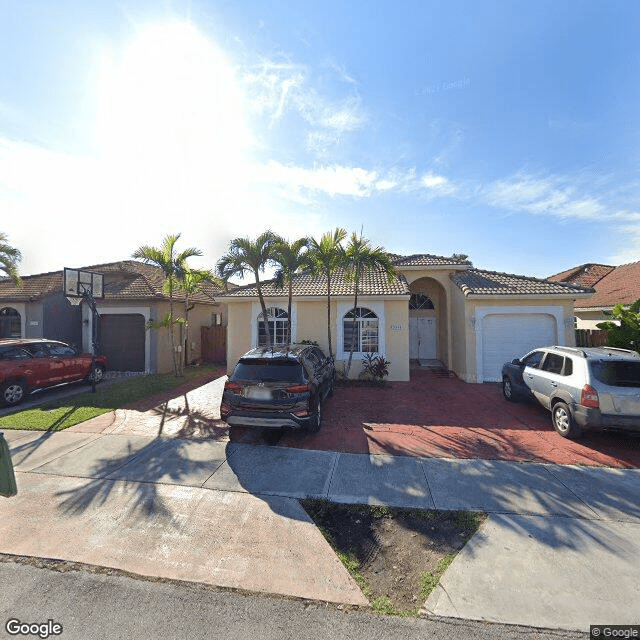
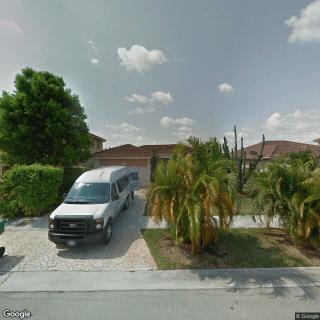
15348 SW 33 Lane, Miami, FL 33185
To contact a resident: (305) 480-7888
For more information about senior living options: (866) 208-4318
Rita Maria Group Home Costs & Pricing
Rita Maria Group Home offers competitive pricing for its residents, particularly when compared to the broader market in Miami-Dade County and the state of Florida. For semi-private accommodations, the cost is set at $1,800 per month, significantly lower than the county average of $2,250 and well below the state average of $3,009. This trend continues with private rooms priced at $3,000 monthly; again, this is more affordable than both Miami-Dade's average of $3,304 and Florida's statewide average of $3,699. Overall, Rita Maria Group Home provides a valuable option for those seeking quality care without excessive financial burden in comparison to regional alternatives.
| Floor plans | Rita Maria Group Home | Miami-Dade County | Florida |
|---|---|---|---|
| Semi-Private | $1,800 | $2,250 | $3,009 |
| Private | $3,000 | $3,304 | $3,699 |
Memory care communities with a similar price nearby
-
from +$200 / mo

Care and Love Retirement Home
$2,000 to $2,500 / month13.0 miles away -
About the same

Magnet Adult Home South
$1,800 to $3,500 / month14.8 miles away -
from +$200 / mo
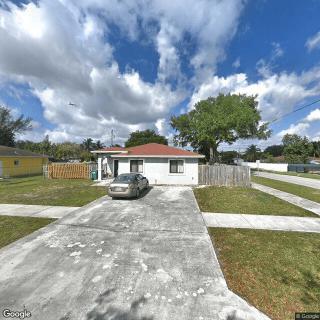
Sweet Angel's Home Assisted Living Facility Inc
$2,000 to $2,500 / month16.6 miles away -
from -$300 / mo
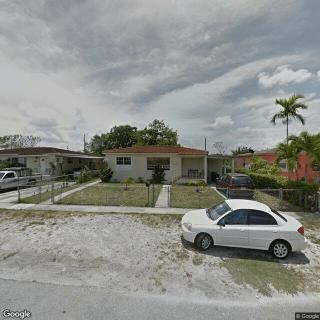
Hogar De Amable Consuelo
$1,500 to $3,000 / month13.8 miles away -
from -$300 / mo

North Miami Angel Gardens ALF, Inc
$1,500 / month19.7 miles away
Overall Review of Rita Maria Group Home
Pros
 It has a real home atmosphere.
- The staff are very friendly.
- It is clean and homey.
- It is really the best.
Cons
 Rita Morgan died here?
Review
Rita Maria Group Home in Miami is best suited for seniors who want a real home atmosphere rather than a clinical facility. The setting reads as a small, residential environment where staff know residents by name and daily routines feel personal and predictable. For families prioritizing cleanliness, homelike décor, and staff who appear genuinely warm and engaged, this community delivers comfort and reassurance. It’s a strong match for older adults who do not require around-the-clock medical interventions and who value human-scale care in a sunny, approachable Miami context. In essence, this is a practical fit for those who want dignity, familiarity, and a sense of belonging in their daily living.
However, families should consider alternatives if medical complexity or structured programming is a must. The group-home model typically cannot match the breadth of on-site medical oversight, multi-disciplinary therapy, or expansive activity calendars found in larger assisted living communities. For residents needing 24/7 nurse coverage, routine therapy sessions, or highly supervised memory-care environments, a bigger facility would likely serve better. One reviewer flagged a question about a resident’s death at the home, underscoring the importance of transparent reporting and reliable medical oversight. If clarity, accountability, and clear incident documentation matter, it is prudent to explore options with clearer records and licensing histories.
The strongest pros are immediate and tangible: a genuine home atmosphere, exceptionally friendly staff, and a clean, homey setting. Those elements translate into lower stress for newcomers and more natural, responsive care. Residents often receive attentive, individualized conversations, quick help with tasks, and meals that feel like real home cooking rather than institutional fare. These positives can offset the absence of a sprawling activity schedule or on-site specialists because the care feels tailored and staff are readily available. In this light, the warmth of the environment becomes a meaningful substitute for some of the services found in larger programs.
Yet the main cons cannot be ignored. The limited scale of a group home means fewer on-site amenities, less predictable access to specialized therapies, and potential constraints on staff breadth across shifts. Families should verify when and how therapists, nurses, or doctors are available and whether off-site coordination is required for medical visits. The intimate setting is a clear strength, but it can also lead to variability in programming and less formal oversight. A careful check on licensing status, incident records, and planned care coordination will reveal whether the warmth translates into consistently reliable care around the clock.
To judge fit, approach visits with a practical checklist. Inquire about staff-to-resident ratios, expected response times to calls, and who administers medications. Review the daily routine and meal options, and request a sample activity calendar to gauge social engagement beyond casual interactions. Ask about transportation arrangements for appointments, housekeeping, and laundry. Observe how caregivers interact with residents and note whether residents appear comfortable voicing needs. If a family values a tight-knit, homelike setting and can accept potential limits on medical depth, Rita Maria Group Home presents a compelling alignment with those priorities.
Rita Maria Group Home stands out as a best-fit option for seniors who prize a real home atmosphere and personal, approachable care. It excels in warmth, cleanliness, and staff friendliness, translating into high-quality daily living. Families needing robust medical oversight, extensive therapies, or scalable activities should consider alternatives with larger staffs and more formalized programs. This community can be an excellent match when the decision centers on dignity, familiarity, and human connection, with the understanding that care depth and program breadth will be more modest than at larger facilities.
 Board and Care Home
 Day Program
 Memory Care
 Devotional services on-site
 Indoor common areas
 Outdoor common areas
 Private
 Private bathrooms
 Wheelchair accessible showers
 Miami International (10 miles away)
 Ambulatory care
 Incontinence care
 Medication management
 Meals provided




 When to Transition from Assisted Living to Memory Care: Key Indicators, Steps, and Finding the Right Community
 Understanding the Distinctions: Assisted Living and Memory Care Explained
 How to Communicate with a Loved One Living with Dementia: 10 Supportive Strategies