

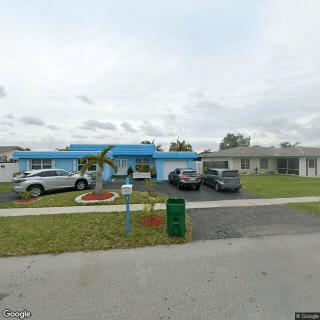
7100 Northwest 76 Drive, Tamarac, FL 33321
To contact a resident: (954) 709-4497
For more information about senior living options: (866) 208-4318
Jennifer's Home Care, Inc Costs & Pricing
At Jennifer's Home Care, Inc., we pride ourselves on offering competitive pricing for our residents while maintaining a high standard of care. For those opting for a semi-private room, the monthly cost is $1,800, significantly lower than the average rates in Broward County ($2,902) and across Florida ($3,009). Our private rooms are also affordably priced at $3,000 compared to the county average of $3,725 and the state average of $3,699. This allows us to provide quality care without compromising on affordability, making Jennifer's Home Care an attractive choice for families seeking dependable support for their loved ones.
| Floor plans | Jennifer's Home Care, Inc | Broward County | Florida |
|---|---|---|---|
| Semi-Private | $1,800 | $2,902 | $3,009 |
| Private | $3,000 | $3,725 | $3,699 |
Memory care communities with a similar price nearby
-
from +$200 / mo
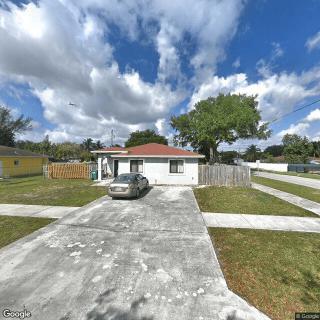
Sweet Angel's Home Assisted Living Facility Inc
$2,000 to $2,500 / month20.7 miles away -
from +$195 / mo

Grand Villa Of Boynton Beach
$1,995 to $3,295 / month23.4 miles away -
from -$300 / mo
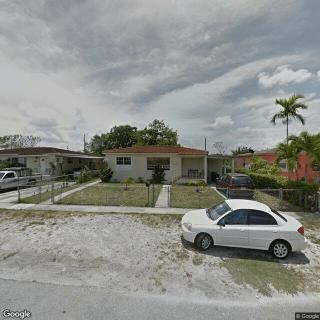
Hogar De Amable Consuelo
$1,500 to $3,000 / month23.6 miles away -
from +$200 / mo

Livewell At Coral Plaza
$2,000 / month3.1 miles away -
from -$200 / mo
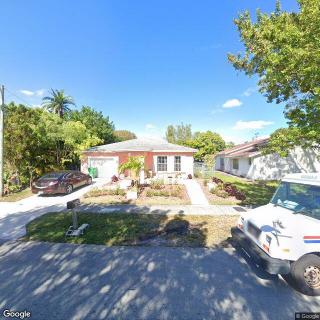
The Caring Place
$1,600 to $2,000 / month6.6 miles away
Overall Review of Jennifer's Home Care, Inc
Pros
 Caring Home Health Center goes above and beyond to care for patients.
- The caregivers are professional, kind, and truly attentive to every detail of care.
- The office staff are easy to communicate with, responsive, and genuinely caring.
- The team provides consistent, high-quality support and peace of mind.
- The staff treat loved ones with utmost kindness, respect, and professionalism from day one.
- Caring Home Health Center matches clients with the best home aide personnel to fit their needs.
- Grandparents receive top-notch care from compassionate and attentive professionals.
- The leadership fosters a respectful, positive culture that shows in every interaction.
- Caring Home Health Center is a reliable and trustworthy resource families can turn to.
Cons
 The agency has no availability.
- There isn’t any availability.
Review
Jennifer's Home Care, Inc. is best suited for families seeking a high-touch, in-home elder-care partner in Tamarac who treats every client like family, prioritizes dignity and comfort, and coordinates care with a steady, compassionate hand. This community excels when the goal is to keep a loved one safely at home while preserving daily routines, preferences, and personal history. The strongest signal from available reviews is a pattern of professional, attentive caregivers who communicate clearly, respond promptly to questions, and create a sense of peace of mind for families. It is a model built on trust, continuity, and a home-like approach that makes the days feel less clinical and more individualized.
That said, certain situations naturally call for alternatives. If a family’s priority is a facility-based setting with scheduled social programs, built-in housing, and on-site clinical staff around the clock, an assisted living community or a skilled nursing facility may be more appropriate. Similarly, if immediate start is essential due to hospitalization or a rapid transition to long-term care, capacity realities become decisive. The landscape of in-home care often carries some wait time or availability constraints, and that reality should be weighed against the desire to stay at home.
The pros highlighted in the reviews are substantive and persuasive when aligned with the right needs. Caregivers are described as professional, kind, and genuinely attentive to detail, with staff members who feel like trusted extensions of the family. The owner’s hands-on approach and deliberate matching of clients to caregivers are repeatedly cited as key drivers of satisfaction. This combination translates into consistent, high-quality care, reduced family stress, and a meaningful sense of security that the person’s daily safety, nutrition, and comfort are being watched over with competence and warmth.
Where the strongest advantages meet the main drawbacks, the impact is clear. The most conspicuous con among the reviews is limited availability, a factor that can delay the start of in-home services or require families to schedule around a waitlist. However, the offsetting strengths, clear, open communication; regular family updates; meals and daily activities tailored to preferences; and caregivers who know the client by name and history, collectively mitigate the frustration of delays. A leadership culture that values respect, staff longevity, and professional pride also reduces turnover risk, ensuring that relationships developed with caregivers aren’t lost to churn.
In practical terms, the decision in favor of Jennifer's Home Care should rest on whether the family values a home-based model with exceptional personal attention and a transparent care plan. If such a model aligns with the loved one’s needs, the pros create a compelling case: dependable caregivers who respect routines, a cohesive care team that communicates with families, and a work environment where staff feel valued and stay longer in their roles. The result is reliable continuity, meaningful engagement, and the comfort of knowing someone who truly cares is guiding daily care. When combined with the ability to customize activities, meals, and daily structure, this care framework can translate into improved mood, better adherence to treatment plans, and steadier overall well-being.
For families weighing next steps, a practical path is essential. Initiate a candid conversation about start dates, caregiver matching criteria, and the cadence of family updates. Request a clear intake process that outlines what services are included, what triggers escalation, and how progress is reviewed with the family. If capacity is a concern, ask about anticipated timelines and whether a temporary care bridge can be arranged. Finally, compare this in-home option with facility-based alternatives in terms of social opportunities, rehab services, and overall cost, ensuring the choice aligns with the elder’s goals: maintaining independence at home where possible, while preserving safety, nourishment, and meaningful daily life.
 Board and Care Home
 Memory Care
 Activities off-site
 Indoor common areas
 Outdoor common areas
 Private
 Respite or short term stays offered
 Wheelchair accessible showers
 Fort Lauderdale-Hollywood International (11 miles away)
 Ambulatory care
 Diabetic care
 Incontinence care
 Medication management
 Meals provided

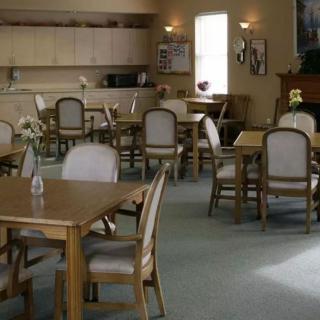




 Engaging Memory Care Activities That Enhance Quality of Life
 When to Transition from Assisted Living to Memory Care: Key Indicators, Steps, and Finding the Right Community
 Understanding the Distinctions: Assisted Living and Memory Care Explained