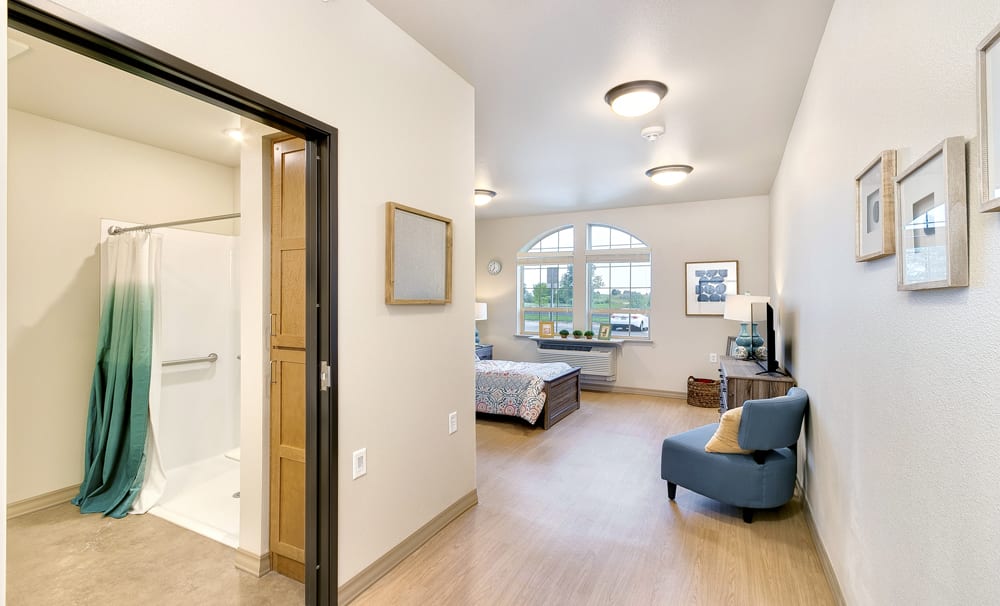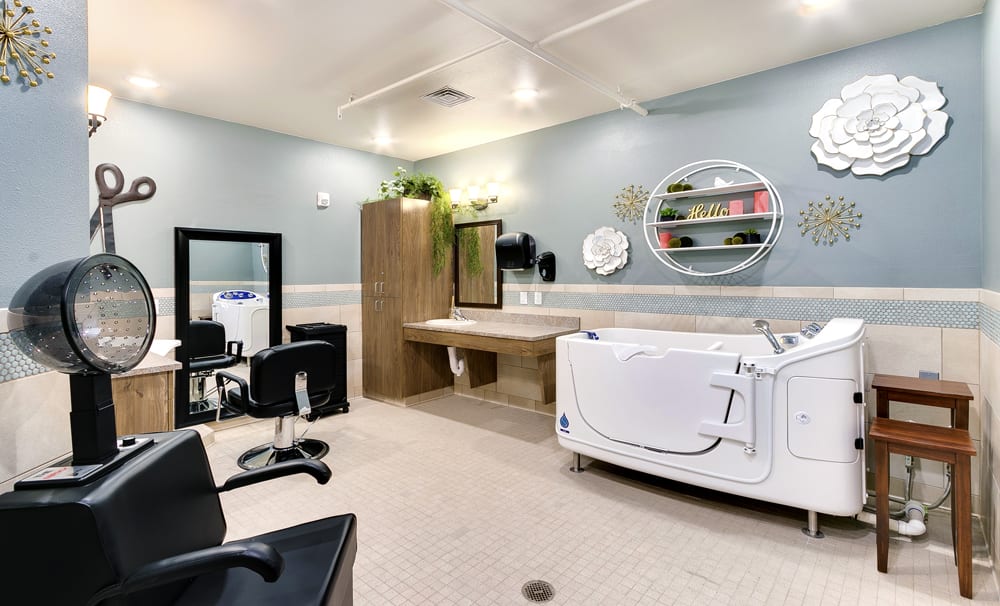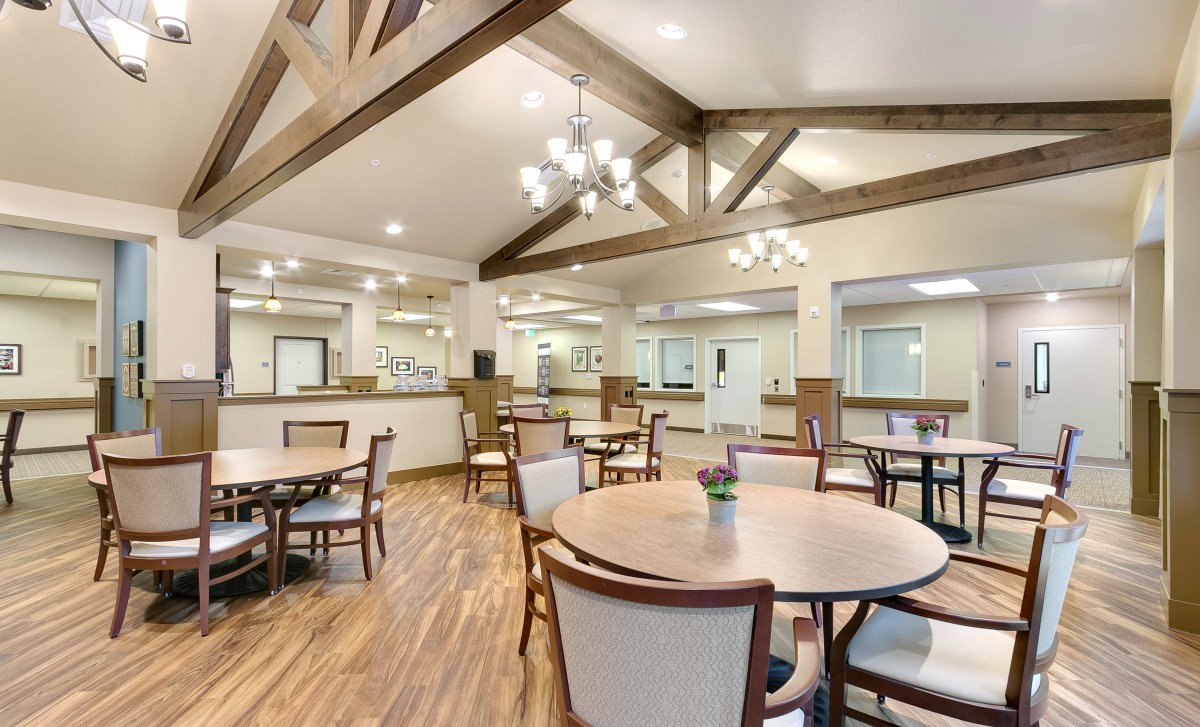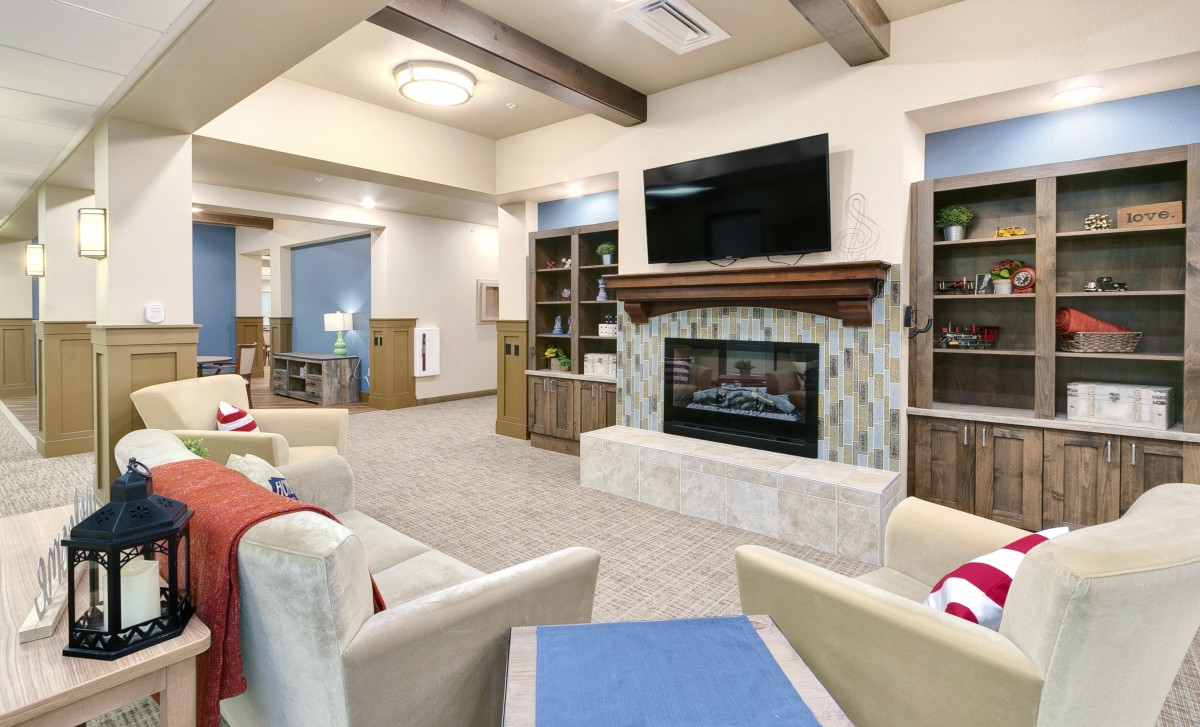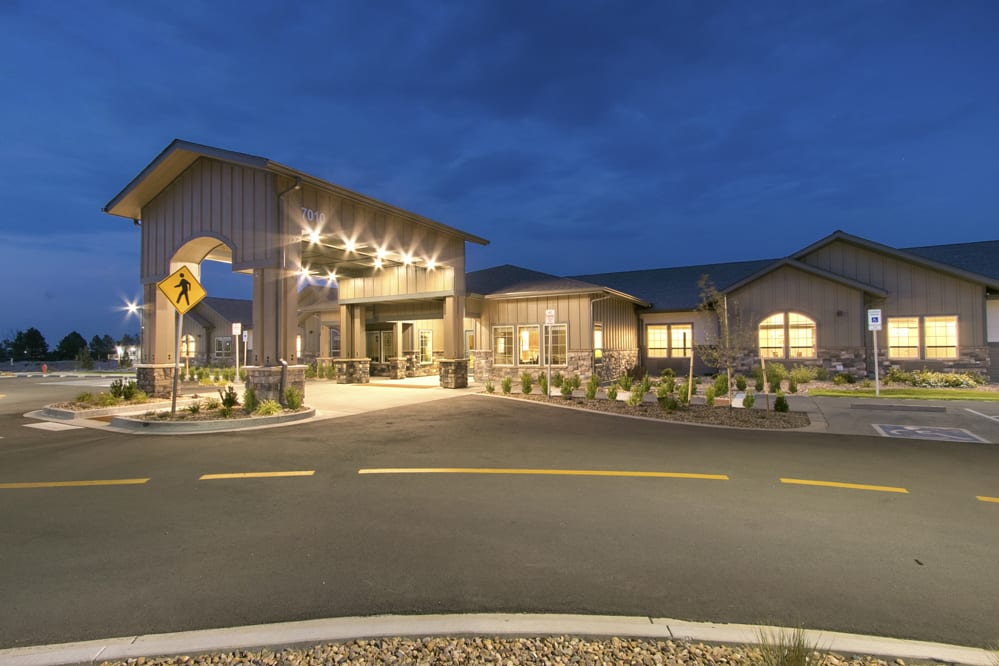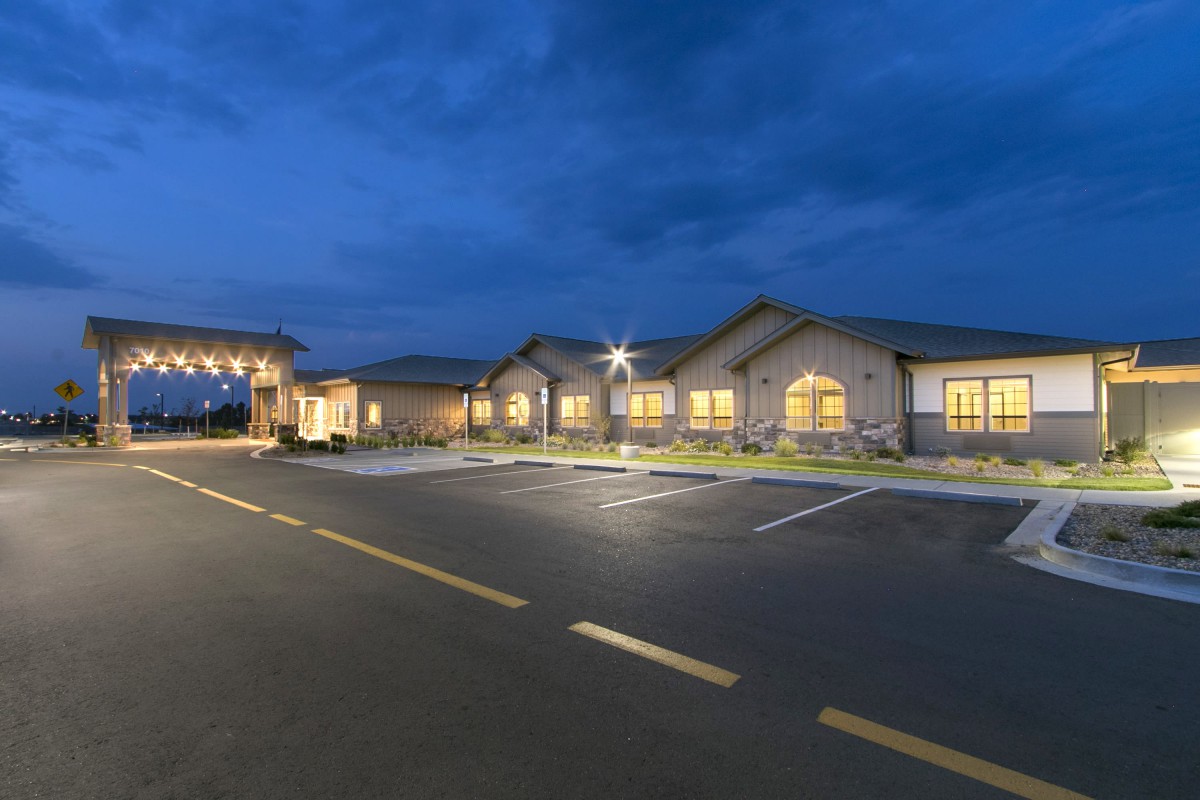
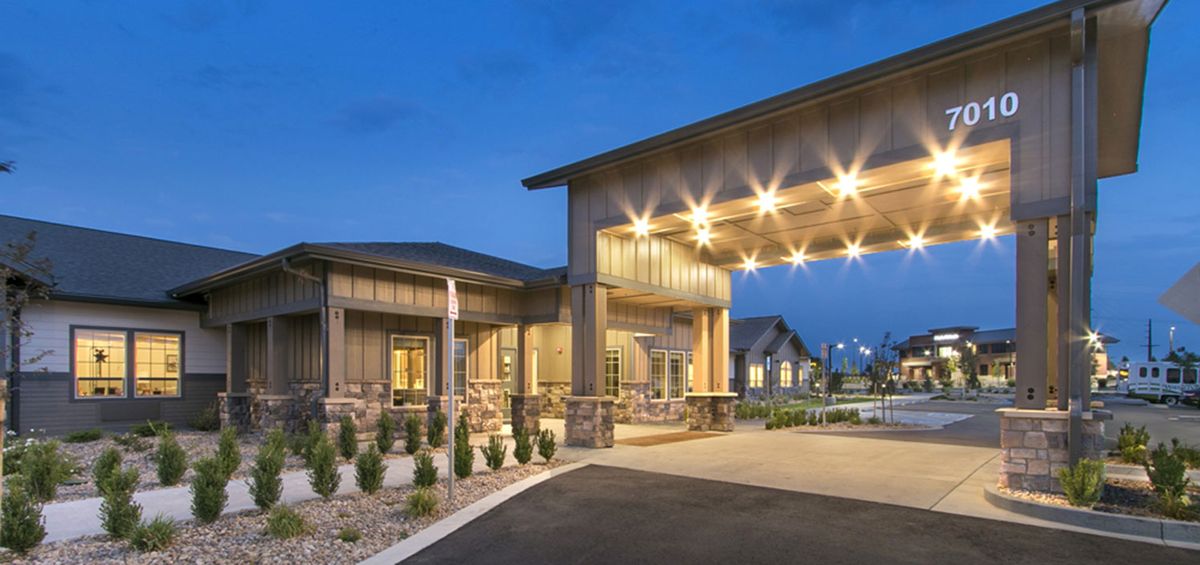
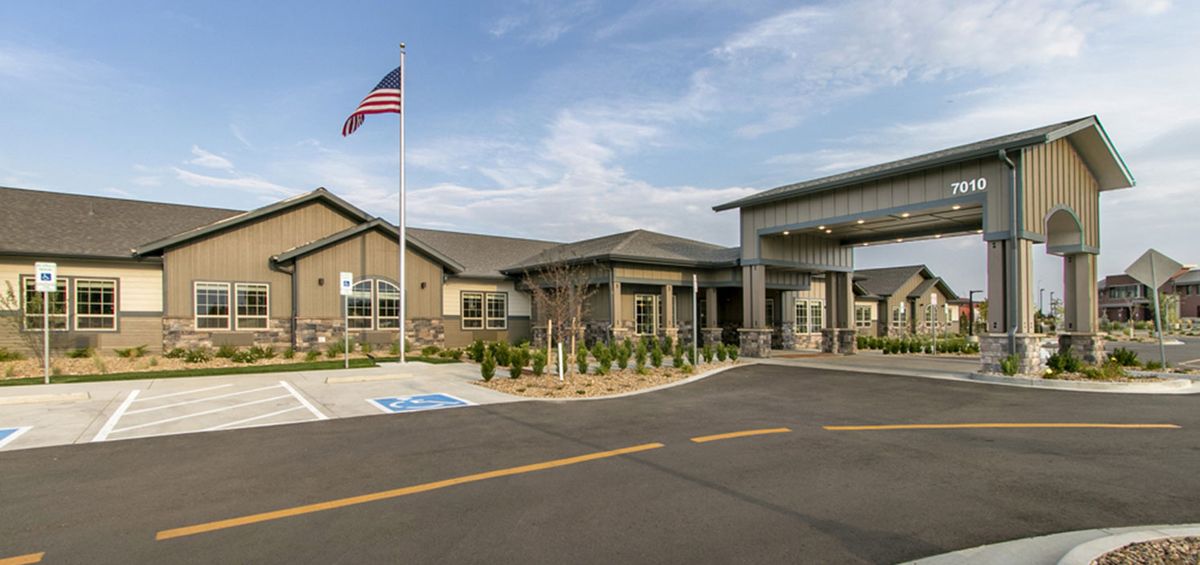
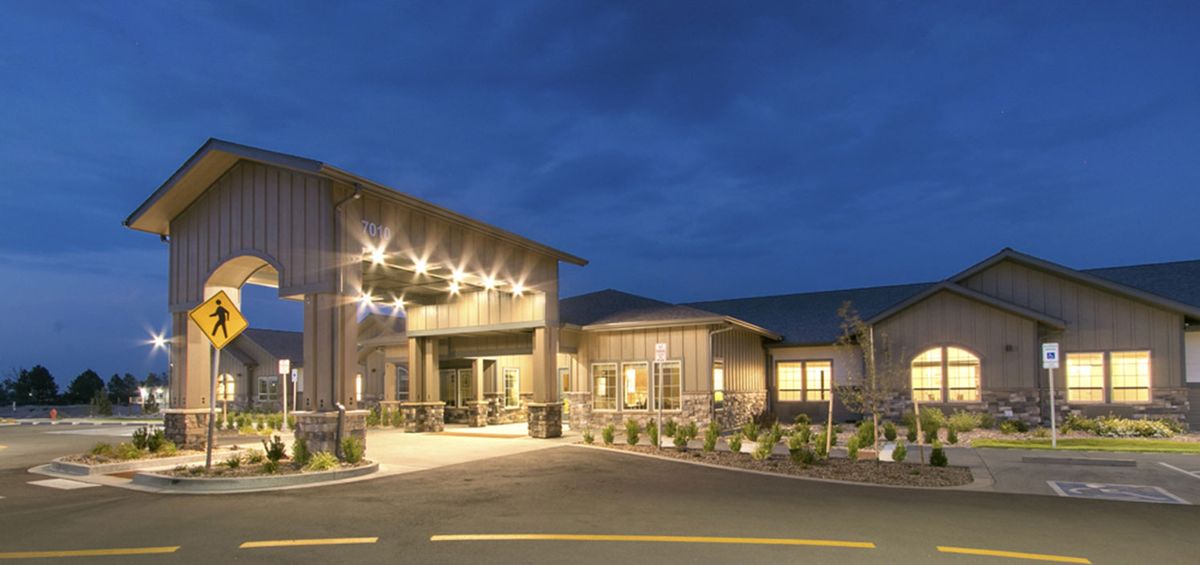
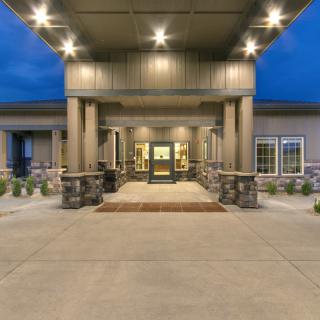

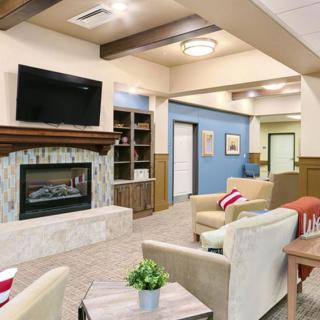
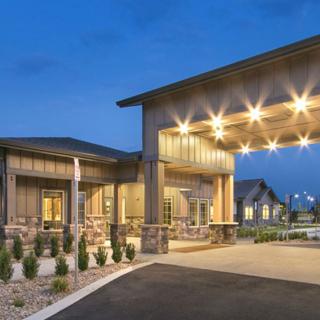
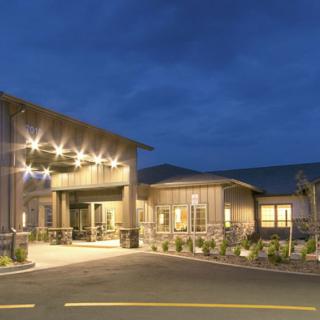
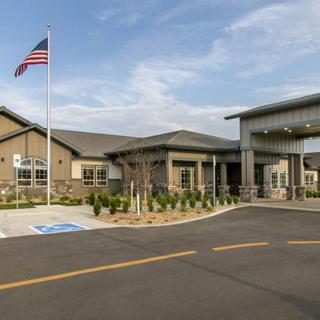
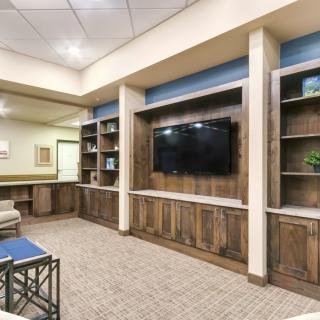
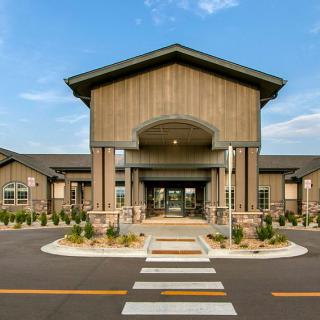

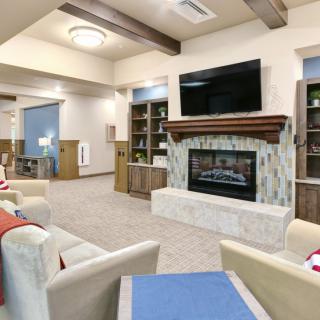
7010 West 8th Street, Greeley, CO 80634
For more information about senior living options: (866) 208-4318

WindSong at Northridge Costs & Pricing
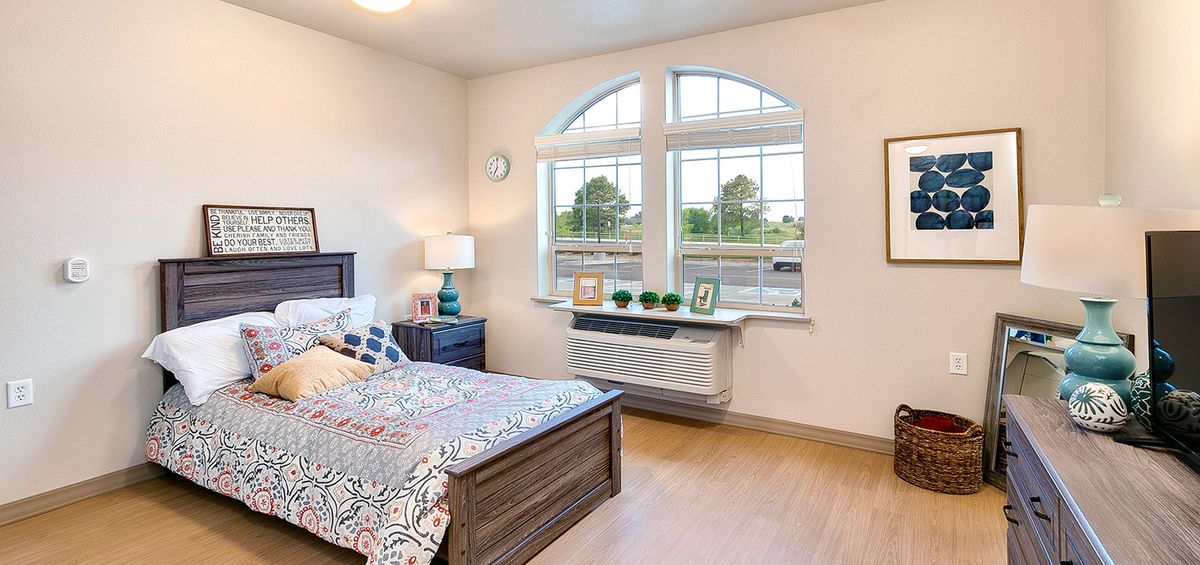
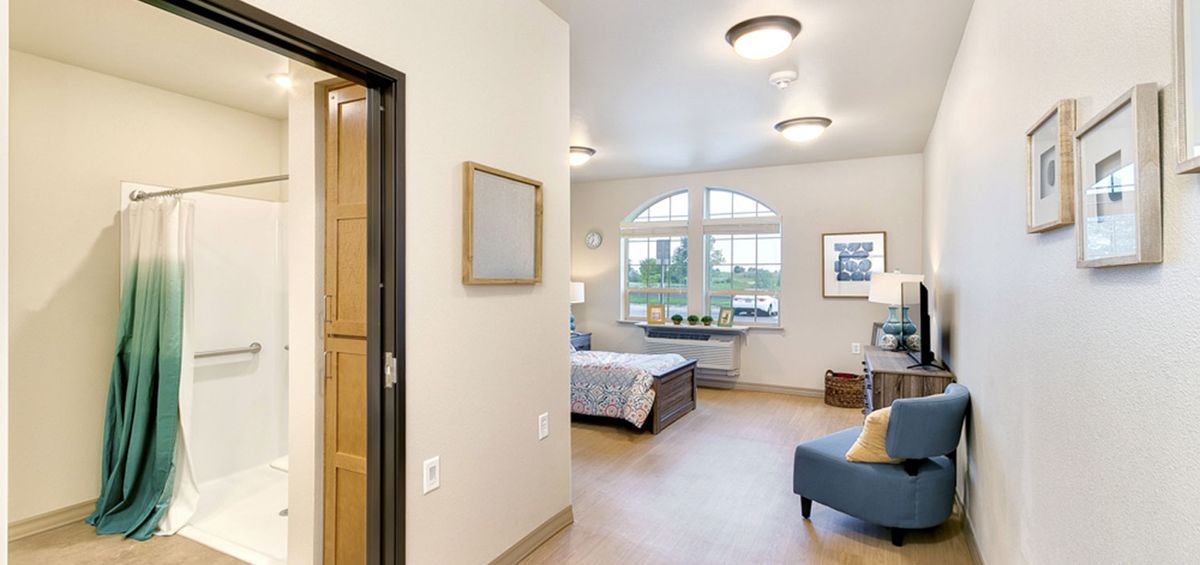
At WindSong at Northridge, the monthly cost for a studio room is set at $6,050, which reflects a premium standard of living that includes exceptional amenities and personalized care. In comparison, the average costs in Weld County and across Colorado are significantly lower, with studio prices reported at approximately $4,015 and $4,090 respectively. While WindSong may present a higher price point than its local counterparts, this investment underscores the commitment to quality services and enriched experiences that residents can expect in this community.
| Floor plans | WindSong at Northridge | Weld County | Colorado |
|---|---|---|---|
| Studio | $6,050 | $4,015 | $4,088 |
Memory care communities with a similar price nearby
-
About the same
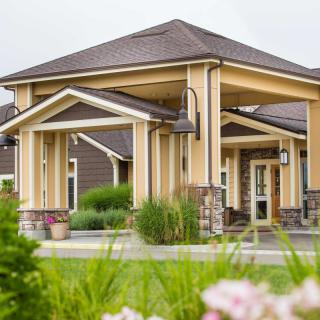
Seven Lakes Memory Care
$5,975 to $6,900 / month13.4 miles away -
from +$250 / mo
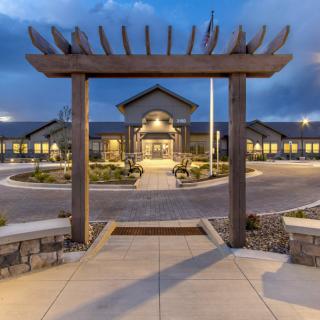
Aspens at Fort Collins
$6,300 to $8,750 / month18.8 miles away -
from -$660 / mo
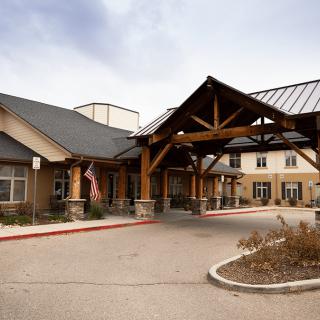
MeadowView of Greeley
$5,390 to $7,270 / month2.4 miles away -
from -$1200 / mo
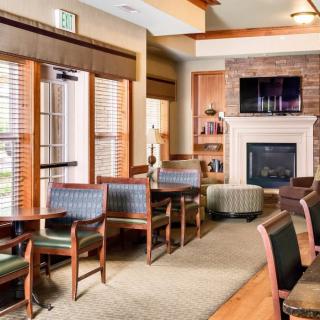
MacKenzie Place - Fort Collins
$4,850 to $6,440 / month15.1 miles away -
from -$900 / mo
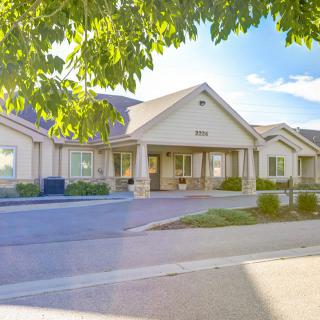
Aspen House II
$5,150 to $6,950 / month13.3 miles away
Overall Review of WindSong at Northridge
Pros
 High Plains Crossing’s care associates are compassionate and caring.
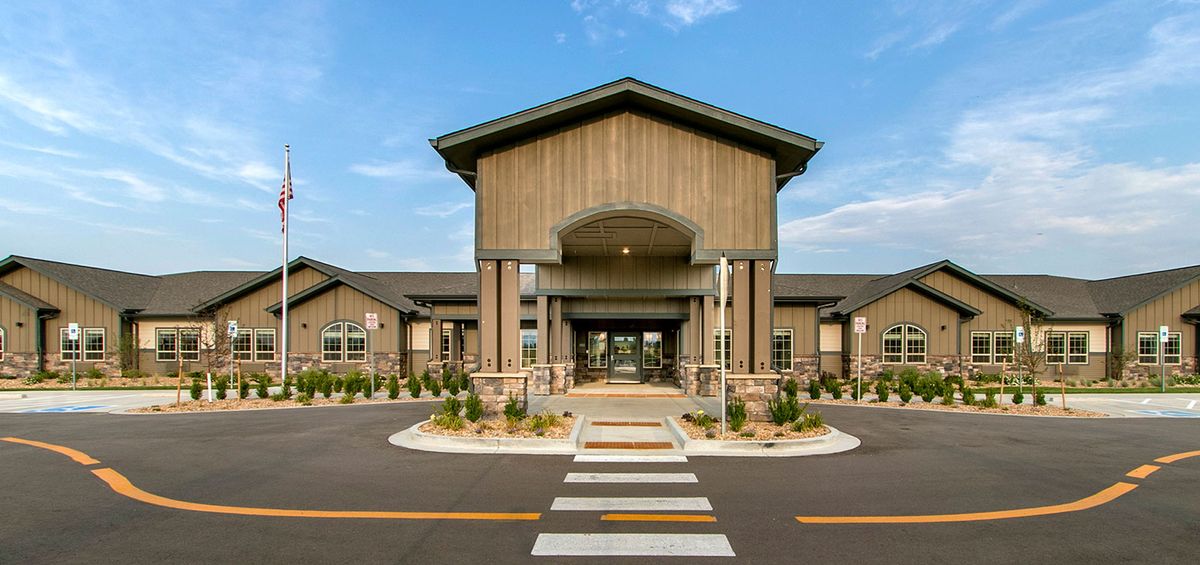
- The High Plains Crossing community is beautiful.
- Major renovations are planned to enhance residents’ lives.
- The Windsong care staff are kind, friendly, and attentive.
- Windsong at Northridge is fully staffed.
- The employees care about residents and their families.
- The aides listen to concerns and respond.
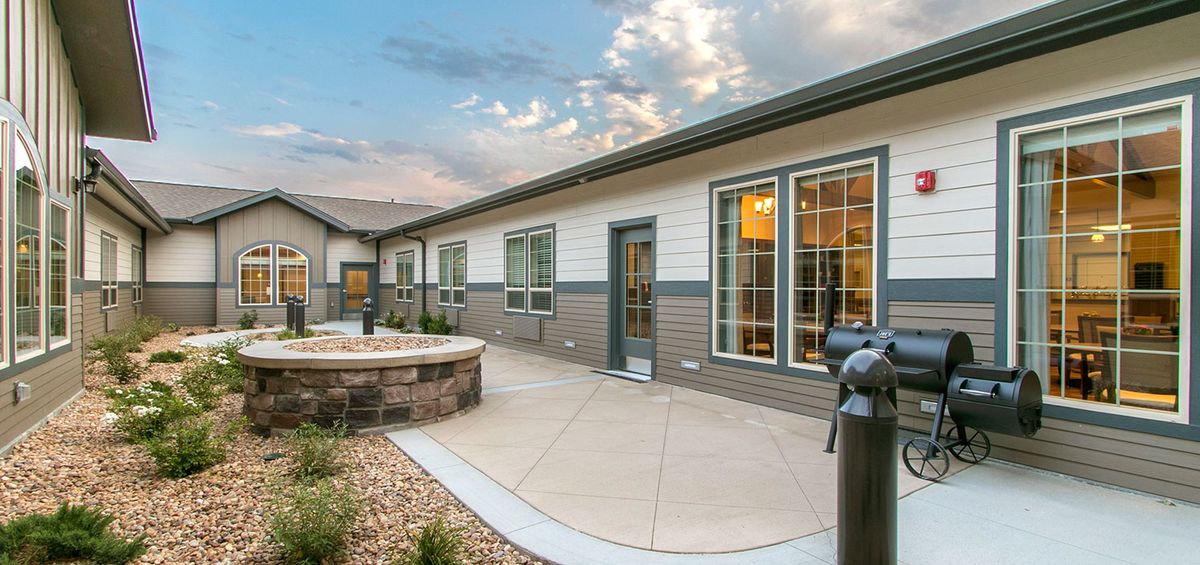
- The circular layout at Windsong Northridge supports independence with supervision.
- The activities director provides engaging activities for residents.
Cons
 The facility is severely understaffed, with too few staff on duty to supervise meals and ensure resident safety.
- There have been three different executive directors in five months, plus high staff turnover, signaling poor management.
- Housekeeping is subpar, leaving rooms constantly filthy and bathrooms not properly cleaned.
- Residents are not consistently helped with showers, dressing, or meals, and staff are slow to answer call bells.
- There is insufficient medical coverage, with only one LPN and no other medical staff on site.
- The daily activities listed are often not carried out, despite promises otherwise.
- Residents are denied visitors with medical mask exemptions, and at least one staff member is described as rude.
- Monthly rates are rising while occupancy declines, implying poor value and possible mismanagement.
- Management is accused of disrespecting employees and residents, with poor communication and a lack of investigations into issues.
Review
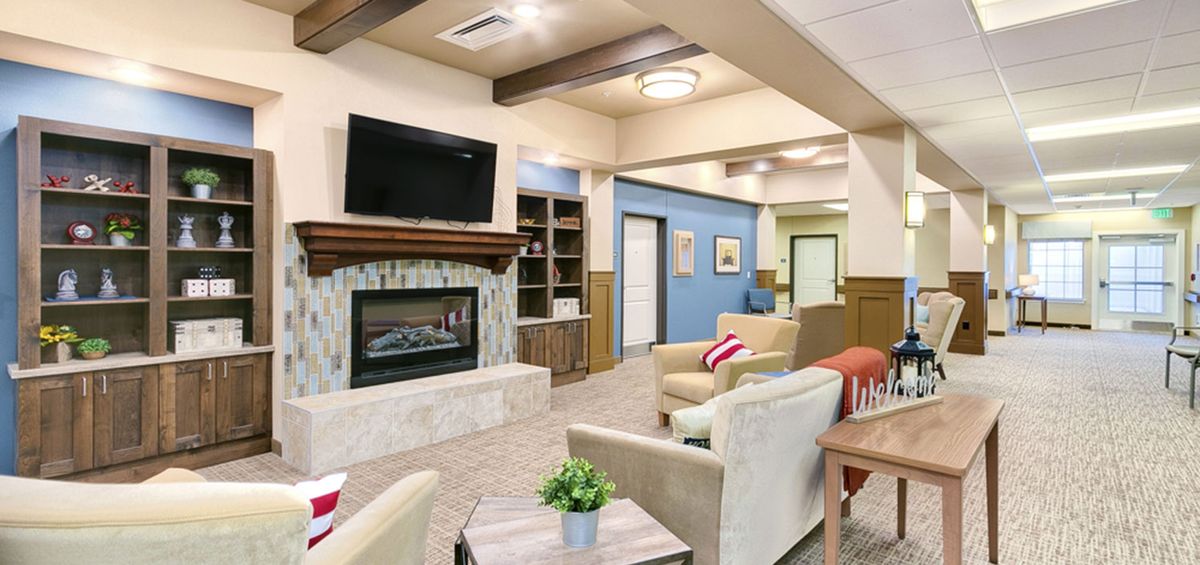
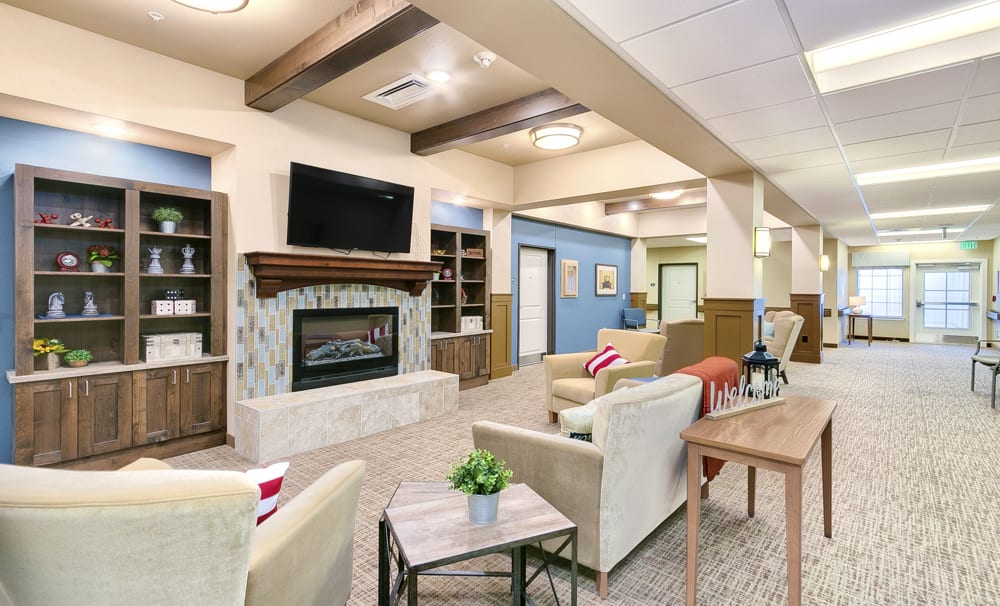
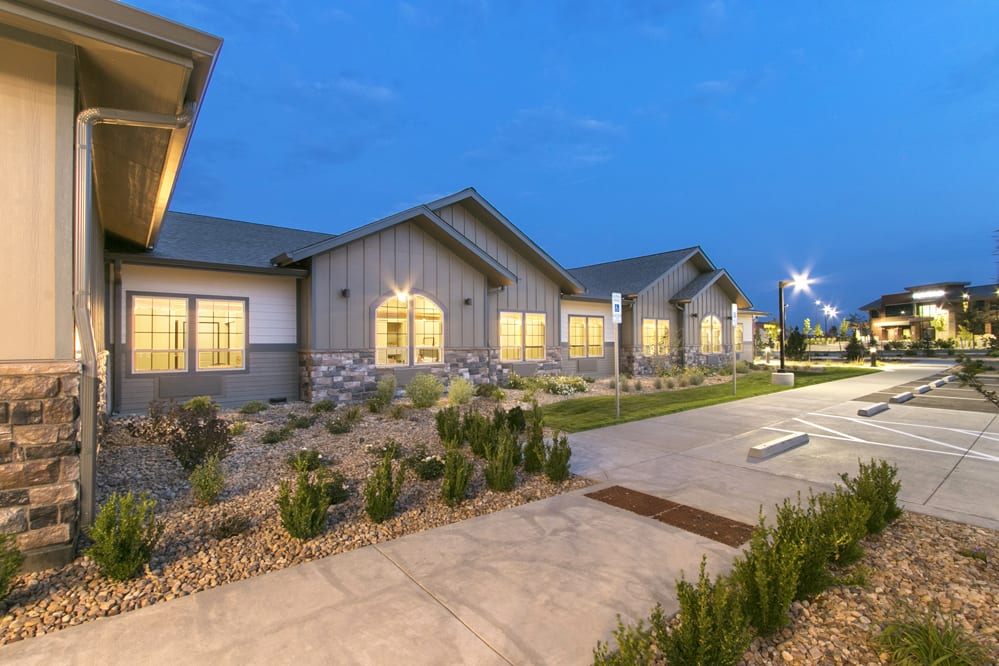
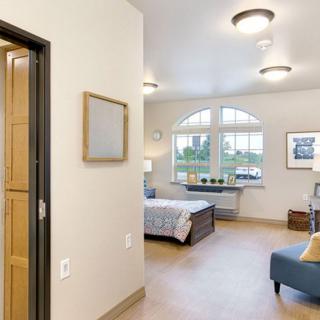
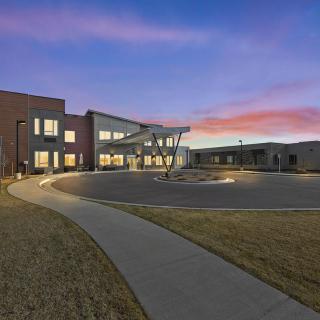
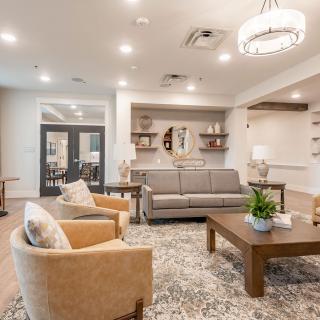
WindSong at Northridge in Greeley, CO is best suited for families seeking an actively supervised, memory-care–friendly environment that blends a Montessori-inspired approach with a walkable, circular campus. The community shines for residents who benefit from structured, practical activities, social engagement, and a layout designed to support independent movement while still offering supervision. It presents a premium option for families who can justify the cost in exchange for on-site nurses, multiple aides in memory care, and an emphasis on meaningful, hands-on activities. For someone prioritizing a bright, modern setting with easy navigation and visible staff accessibility, WindSong stands out as a compelling choice.
However, those weighing WindSong should seriously consider alternatives if high caregiver-to-resident ratios, frequent leadership turnover, or a history of inconsistent programming will not work. Several reviews flag chronic under-staffing, limited dining supervision, and variability in activity offerings, all of which can translate into delayed responses, incomplete daily routines, and gaps in safety coverage. Families with loved ones who require very high levels of supervision or with a strict insistence on flawless day-to-day execution may find that reliability is better served elsewhere. Price sensitivity is another practical factor: with reported monthly rates climbing and occupancy shifting, WindSong demands careful budgeting and a tolerance for cost-to-value fluctuations.
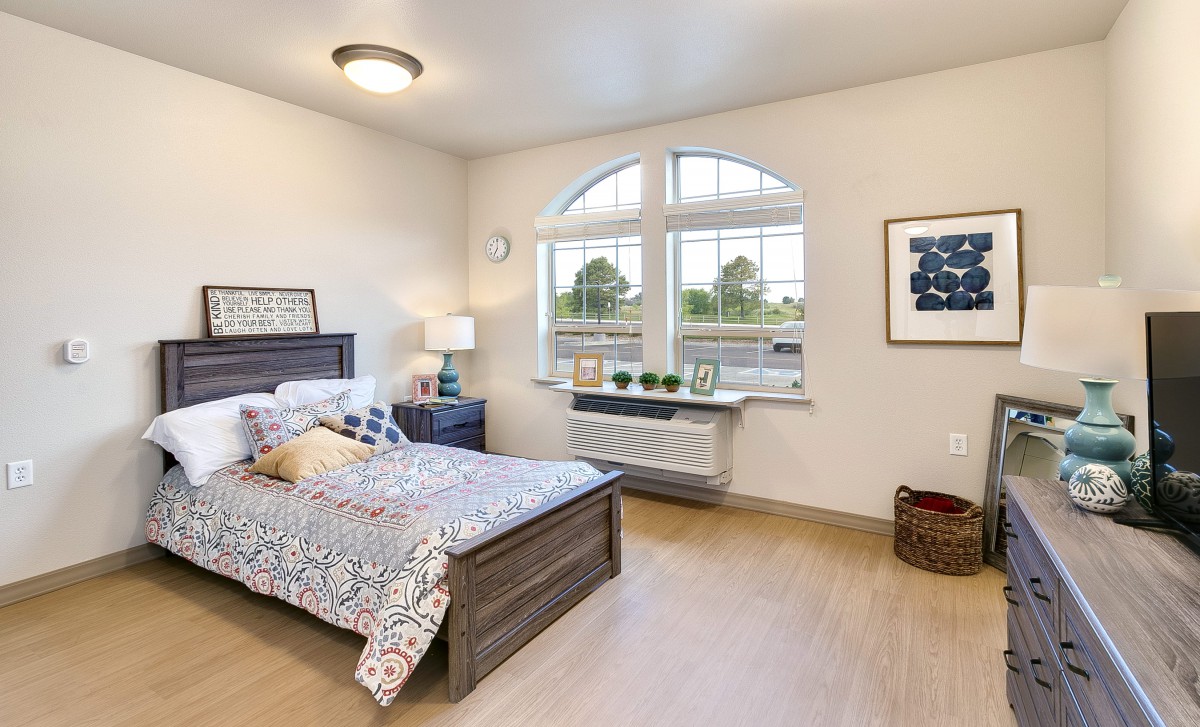
The strongest pro-arguments focus on the care culture and the environment. When staff are present, they are described as caring, engaged, and responsive, and the memory-care unit benefits from at least a four-aide presence on each side and a nurse on duty during the week. The Montessori ethos, hands-on tasks, choice, and opportunities for residents to participate in routines like kitchen activities or laundry with appropriate supervision, resonates with families seeking dignity in daily living and a sense of independence within structure. The circular floor plan and the way staff place resident photos and names on doors contribute to a welcoming, navigable space that supports orientation and social interaction. These elements can offset some anxieties about wandering or pacing, providing meaningful engagement even when staffing ebbs.
Yet the cons frequently temper the promise. Repeated concerns about staffing not only affect care consistency but also daylight routines, meals, showers, and activities may not be as reliably implemented as hoped. Reports of frequent executive director changes, shifting leadership, and frontline communication gaps create a backdrop of instability that undermines confidence in long-term planning and crisis response. Cleanliness and maintenance issues, sporadic housekeeping, bathroom upkeep, and delayed attention to room conditions, underscore the risk that comfort and safety can slide when staffing is thin or morale dips. In short, the positives depend heavily on day-to-day staffing levels and leadership stability, which are not consistently present across all reviews.
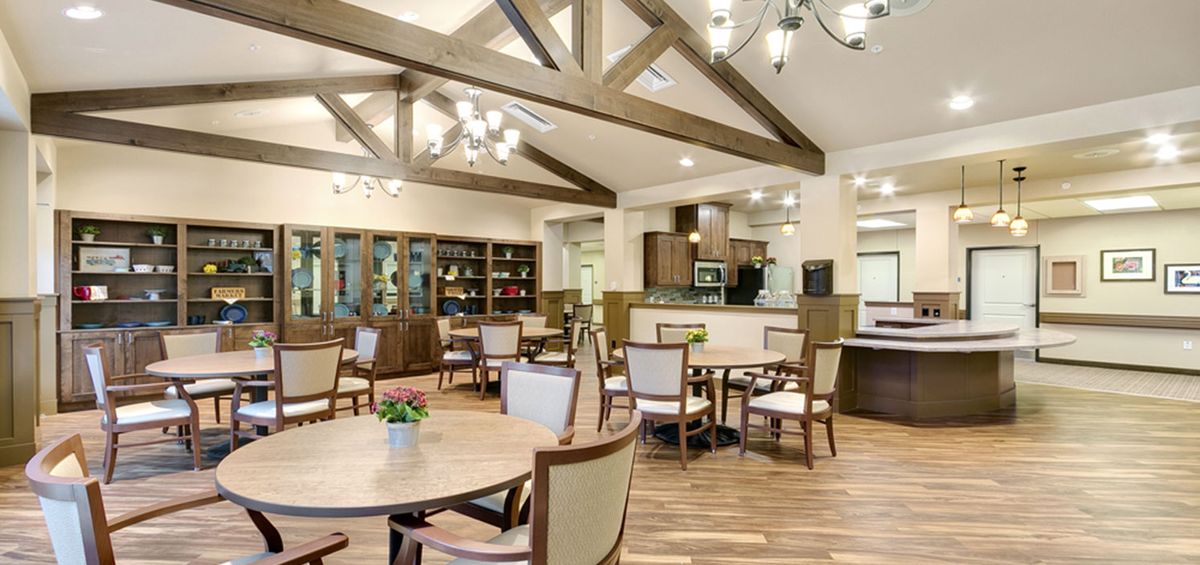
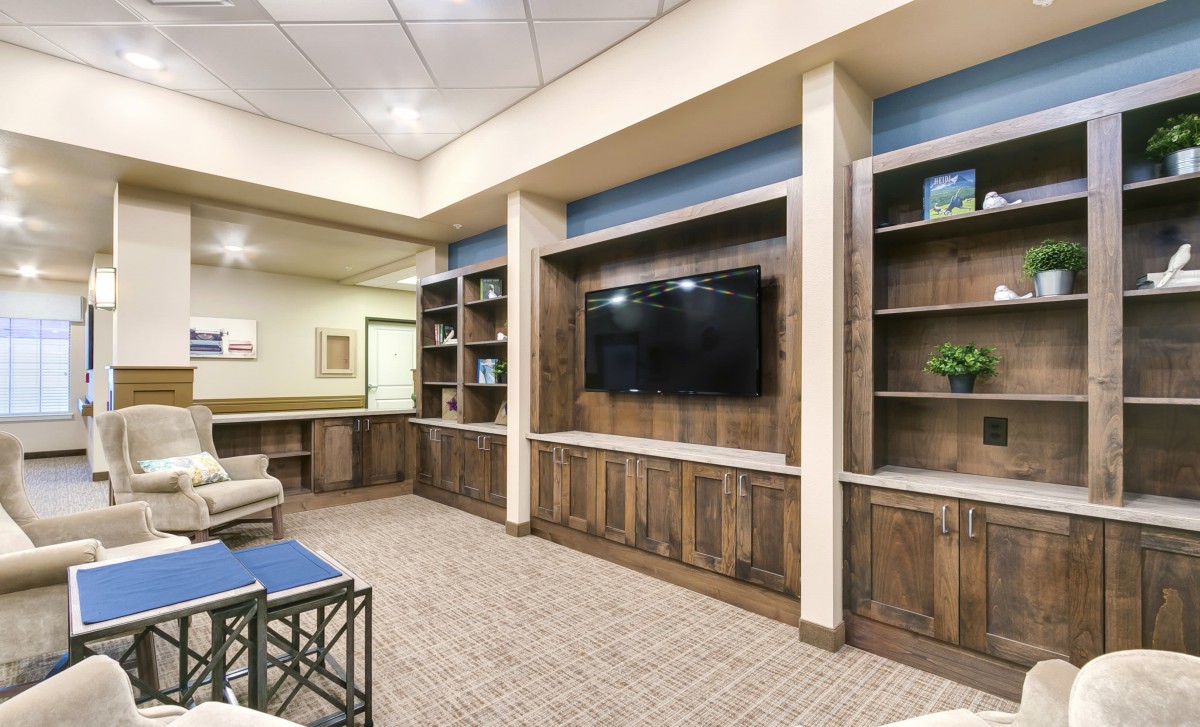
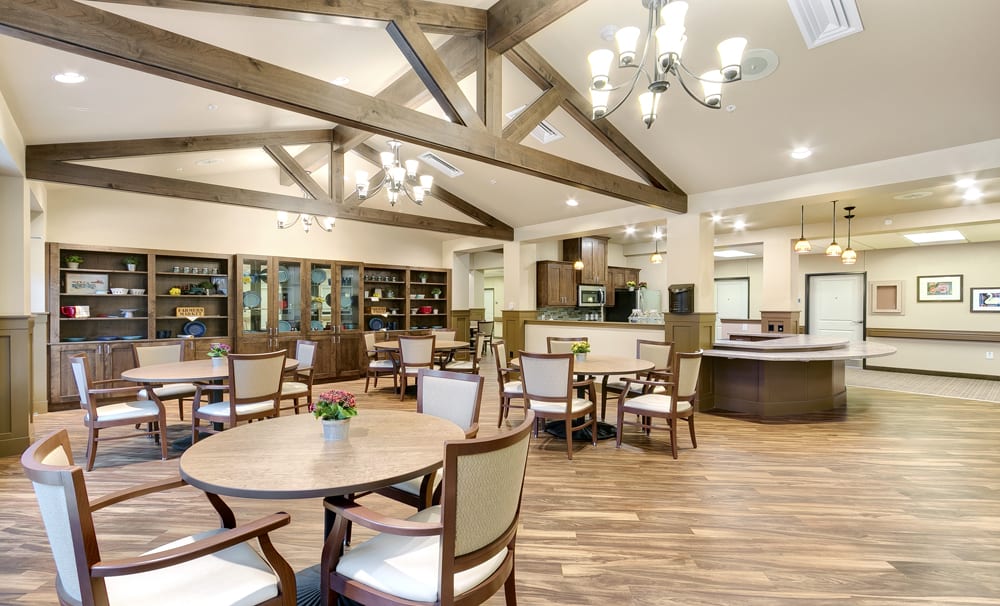
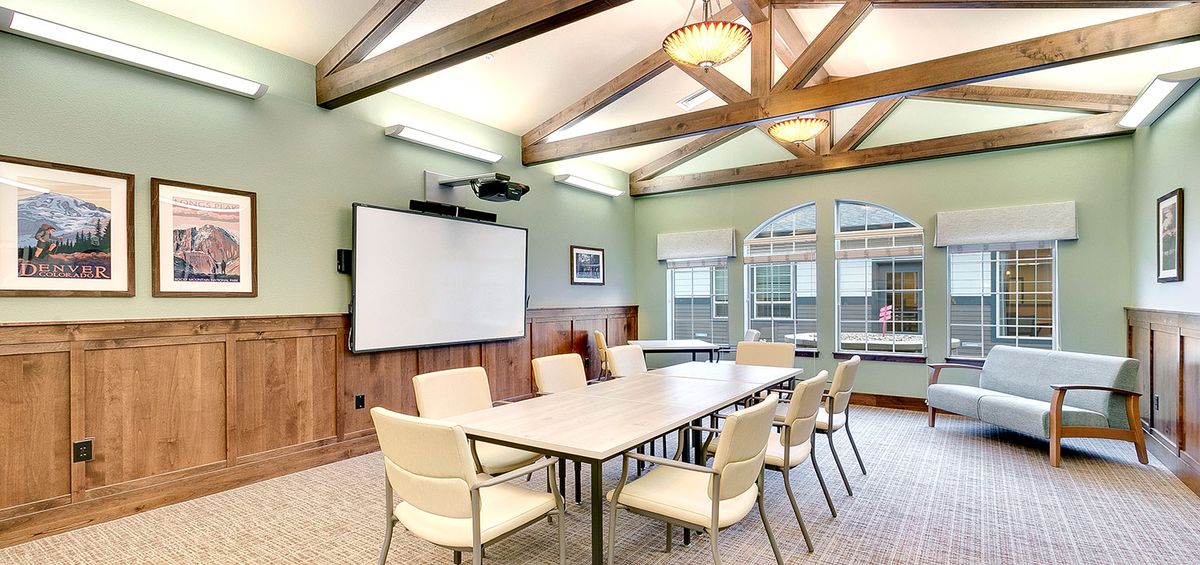
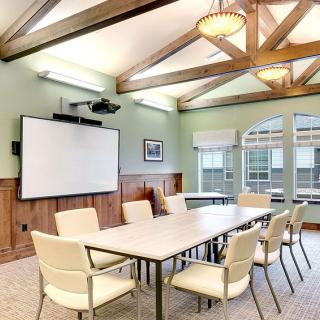
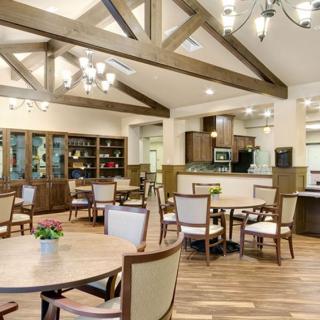
From a social and experiential standpoint, WindSong delivers compelling advantages. Families repeatedly praise responsive communication, accessible staff, and a layout that fosters socialization, think small communal environments, accessible common areas, and the opportunity for residents to interact in a café-like setting. The presence of activities and staff-driven engagement, plus the visible care culture during visits, can translate into real daily happiness for many residents. The concern is that when staffing gaps widen, especially on Sundays or during peak demand, family confidence can erode, and the intended Montessori-driven autonomy may feel more like a partial program than a fully realized model.
The practical takeaway for families is to test WindSong against a clear decision framework. Assess whether the resident’s need for supervision aligns with WindSong’s strengths in care presence and activity programming, and whether the current leadership stability feels reliable enough to support a long-term stay. Probe staffing levels during peak hours, verify the consistency of daily routines (meals, showers, activities), and request specific examples of how the Montessori approach is implemented day-to-day. Compare the monthly cost with alternative communities that may offer similar environments but stronger guarantees around staffing and maintenance. If the answer to these questions is decisive, WindSong offers dependable care and engaging programming with a cost that is sustainable, given the family’s expectations, then it becomes a strong, prudent choice. If not, the prudent move is to broaden the search to facilities with steadier leadership, steadier staffing, and consistently delivered services that align with the resident’s critical needs.
 52 resident community capacity
 Memory Care
 Respite Care
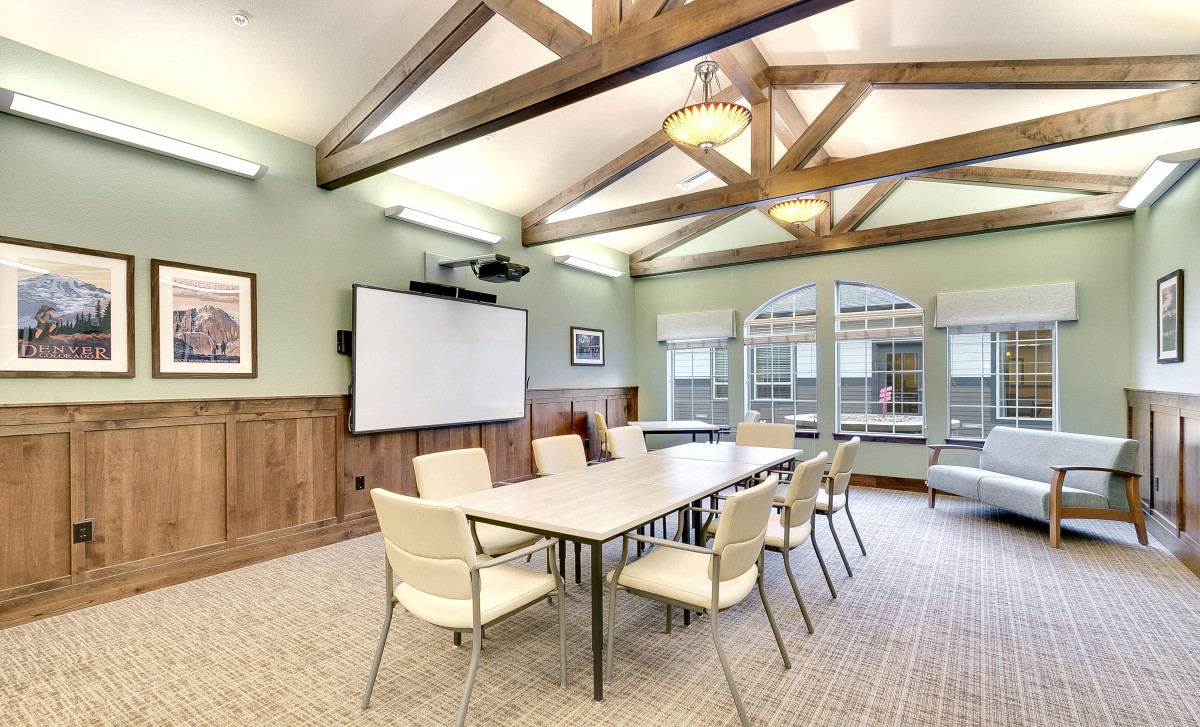
 Activities on-site
 Air-conditioning
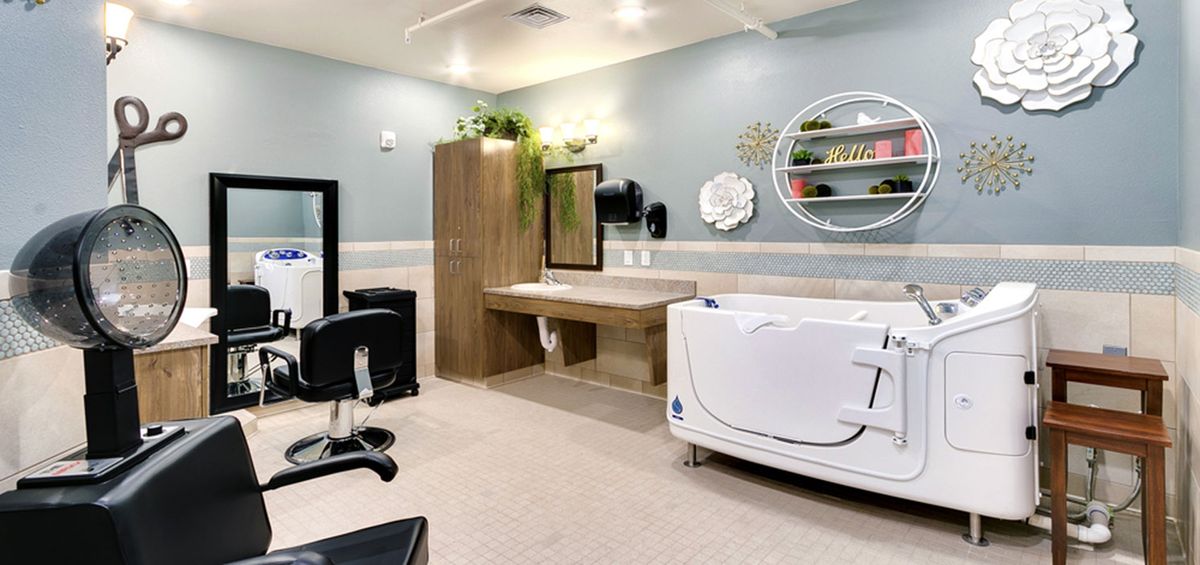
 Beautician on-site
 Cable or satellite TV
 Computer center
 Dining room
 Fitness room
 Fully furnished
 Gaming room
 Garden
 Ground floor units
 Handicap accessible
 Housekeeping services
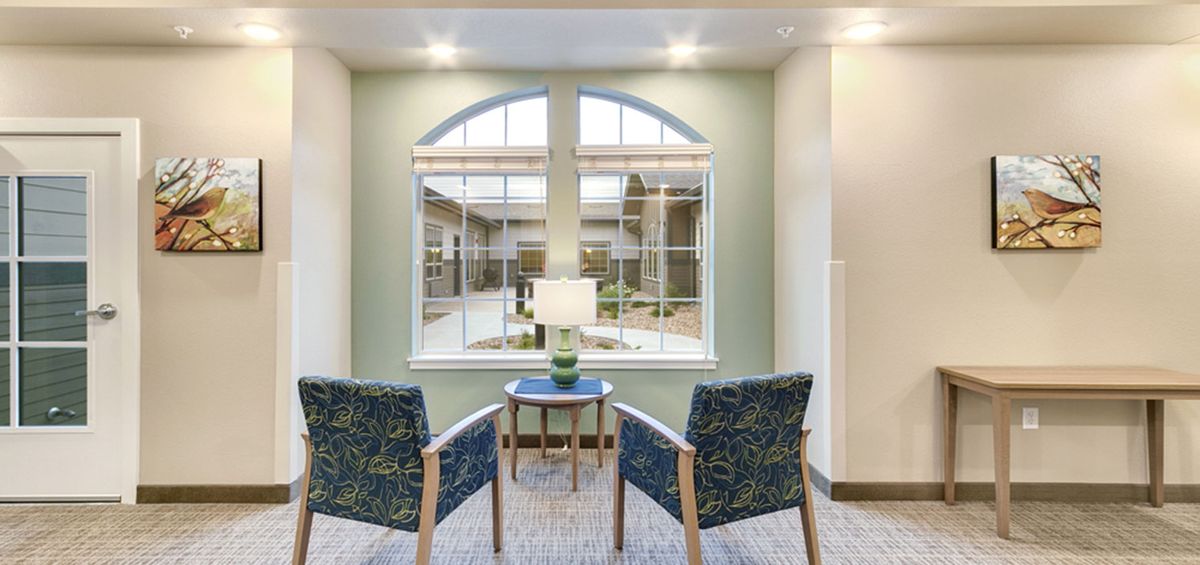
 Indoor common areas
 Kitchenette
 Move-in coordination
 Outdoor common areas
 Private bathrooms
 Restaurant-style dining
 Small library
 Telephone
 Wellness center
 Wheelchair accessible showers
 Wi-Fi/high-speed internet available
 Community operated transportation
 24-hour call system
 Ambulatory care
 Assistance with bathing
 Assistance with dressing
 Assistance with transfers
 Diabetes diet
 Diabetic care
 High acuity care
 Incontinence care
 Medication management
 Mental wellness program
 Special dietary restrictions
 Art classes
 Bible study group
 Concierge services
 Cooking classes
 Day trips and outings
 Devotional activities on-site
 Educational speakers / life long learning
 Happy hour
 Karaoke
 Live musical performances



 Understanding the Distinctions: Assisted Living and Memory Care Explained
 How to Communicate with a Loved One Living with Dementia: 10 Supportive Strategies
 Comprehensive Guide to VA Nursing Homes: A Crucial Long-Term Care Resource for Veterans