
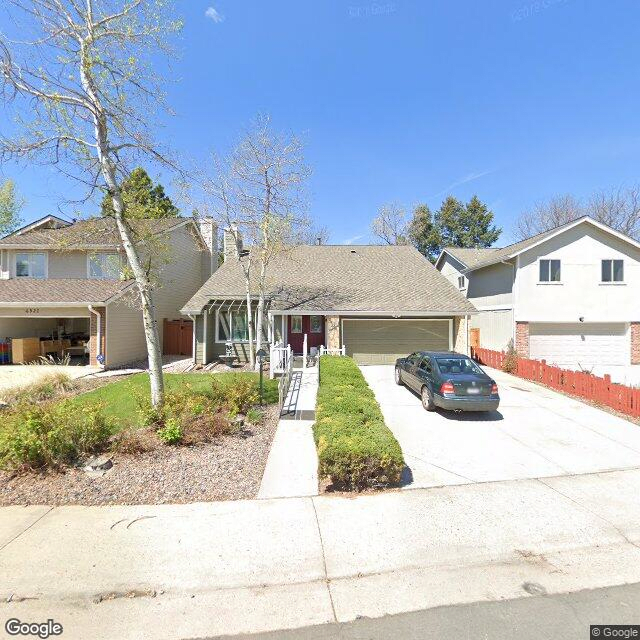
6318 S Emporia Circle, Englewood, CO 80111
To contact a resident: (720) 344-7217
For more information about senior living options: (866) 208-4318
Lighthouse Assisted Living Inc - Emporia Costs & Pricing
Lighthouse Assisted Living Inc in Emporia offers competitive pricing for its services compared to both Denver County and the broader Colorado state averages. For a semi-private room, residents are charged $2,900 per month, which is significantly more affordable than the Denver County average of $3,950 and the state average of $4,009. The cost for a one-bedroom unit at Lighthouse is also appealing at $3,000, again undercutting both counterparts - $3,768 in Denver County and $4,119 statewide. Even in terms of private accommodations, at $3,500 per month, Lighthouse maintains a strong value proposition when compared to Denver's $4,178 and Colorado's average of $4,142. Overall, Lighthouse Assisted Living Inc provides an attractive option for those seeking assisted living services without compromising quality or affordability.
| Floor plans | Lighthouse Assisted Living Inc - Emporia | Denver County | Colorado |
|---|---|---|---|
| Semi-Private | $2,900 | $3,950 | $4,008 |
| 1 Bedroom | $3,000 | $3,768 | $4,118 |
| Private | $3,500 | $4,178 | $4,142 |
Memory care communities with a similar price nearby
-
from -$361 / mo
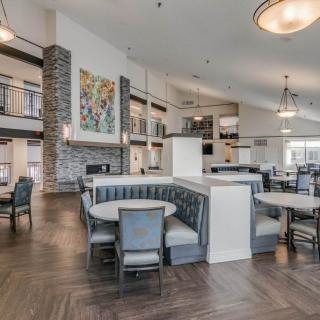
San Marino Retirement Community
$2,539 to $4,348 / month18.4 miles away -
from +$300 / mo
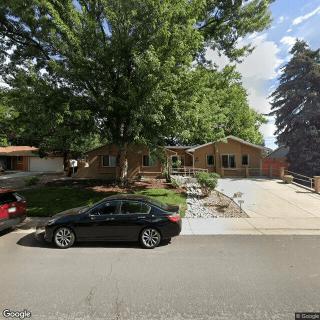
Abundant Blessing and Care - Eastman Avenue
$3,200 to $4,200 / month4.5 miles away -
from +$470 / mo
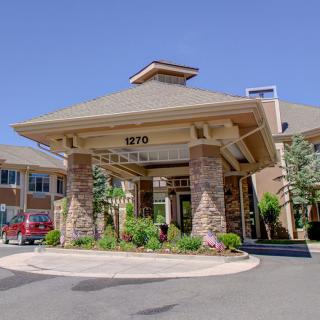
Golden Pond Retirement Community
$3,370 to $5,030 / month22.5 miles away -
from -$300 / mo
Five Star Residences of Dayton Place
$2,600 to $3,200 / month5.5 miles away -
from +$450 / mo
Legacy Village of Castle Pines
$3,350 to $5,850 / month9.0 miles away
Overall Review of Lighthouse Assisted Living Inc - Emporia
Pros
 The staff is fantastic.
- It’s clean.
- They handle more advanced with Alzheimer’s needs.
Cons
 There are better places out there.
- It is an older home.
- The most expensive option does not guarantee the best.
Review
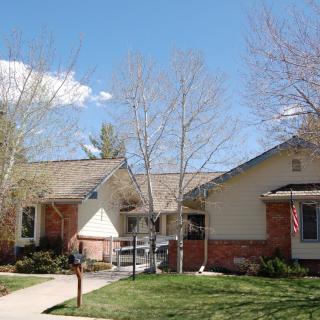
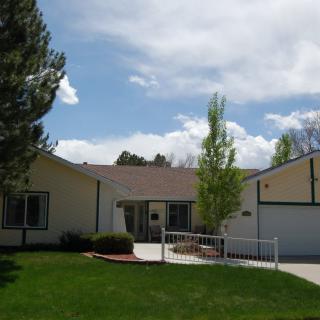
This community is best suited for seniors who require Alzheimer’s-stage or other advanced memory-care support within a compact, home-like setting, and for families that prize consistently attentive caregiving over flashy amenities. The staff’s steadiness and hands-on approach make a meaningful difference for residents who need daily structure, specialized supervision, and reassurance that someone can manage progressive cognitive challenges. The setting feels more like a warmly kept house than a gleaming campus, but that simplicity can be precisely what makes daily routines predictable and trustworthy for families who want close, ongoing visibility into their loved one’s care.
Those considering alternatives should be aware of clear trade-offs. The facility sits in an older-constructed footprint rather than a modern, purpose-built campus, which often translates into fewer high-end amenities or expansive programming. The repeated sentiment behind some feedback is that better options exist elsewhere, especially for families seeking cutting-edge design, broad social calendars, or value aligned with the sticker price. In short, this is less about cutting-edge luxury and more about dependable caregiving and a comfortable, familiar atmosphere, attributes that may not satisfy every family’s expectations for contemporary facility life.
The strongest positives are concrete and consistent: a clean environment and, above all, staff who can handle more advanced Alzheimer’s needs. The ability of caregivers to respond to complex memory-care scenarios on a daily basis provides essential peace of mind for families and reduces the burden of ongoing supervision at home. The daily presence of a family member is often supported by staff reliability, which helps preserve routines, safety, and personal dignity for residents with cognitive impairment. The admissions decision, then, should hinge on whether this level of direct, steady caregiving aligns with the resident’s stage of need and the family’s tolerance for facility-level adjustments.
Yet the facility’s age-aligned drawbacks cannot be dismissed. An older home can imply outdated layouts, limited accessibility updates, and a maturity of infrastructure that may not meet every resident’s evolving safety expectations. While the place is described as clean, the building’s age suggests trade-offs in terms of modernization, space for activity, and potential constraints on enhancing on-site services without major renovations. The price reality also matters: the notion that “the most expensive doesn’t mean it’s the best” signals that this option may carry a higher cost without delivering distinct advantages over newer or more aggressively resourced competitors. That tension between cost and perceived value should weigh heavily in any decision plan.
Practical next steps sharpen the decision. Prospective families should request a candid tour focused on memory-care-specific features: staff-to-resident ratios during peak hours, dementia-care training standards, safety protocols for wandering residents, medication management practices, and post-acute or transitional-care capabilities. Inquire about the daily schedule for residents with Alzheimer's, what kind of cognitive-stimulation programs exist, meal quality, and how personalized plans are developed and updated as needs shift. Crucially, verify licensing, incident reporting practices, and the process for addressing family concerns promptly. A trial visit or overnight option, if available, can reveal how well staff respond under real-life stress and how residents settle into routine.
The bottom line is pragmatic: Lighthouse Assisted Living Inc - Emporia can be a strong fit for families prioritizing steady, compassionate memory-care in a home-like setting, with caregivers who clearly can manage complex Alzheimer’s needs. It is less suited for families chasing modern amenities, expansive activity calendars, or aggressive value-for-money dynamics. If the family’s goal is consistent, attentive care delivered in a modest, unpretentious environment, this community warrants serious consideration and a structured comparison against newer or more feature-rich options. An informed choice will hinge on direct conversations with care staff and administrators, a concrete appraisal of current resident needs, and a clear comparison of cost against the anticipated quality of life and safety for the loved one.
 Board and Care Home
 Memory Care
 Cats allowed
 Dogs allowed
 Private
 Private bathrooms
 Denver International (21 miles away)

 Comprehensive Guide to VA Nursing Homes: A Crucial Long-Term Care Resource for Veterans
 Estimating the Expenses of At-Home Dementia Care: A Detailed Exploration
 Comprehensive Insights on the Late Stages of Dementia: What to Expect and How to Provide Care