
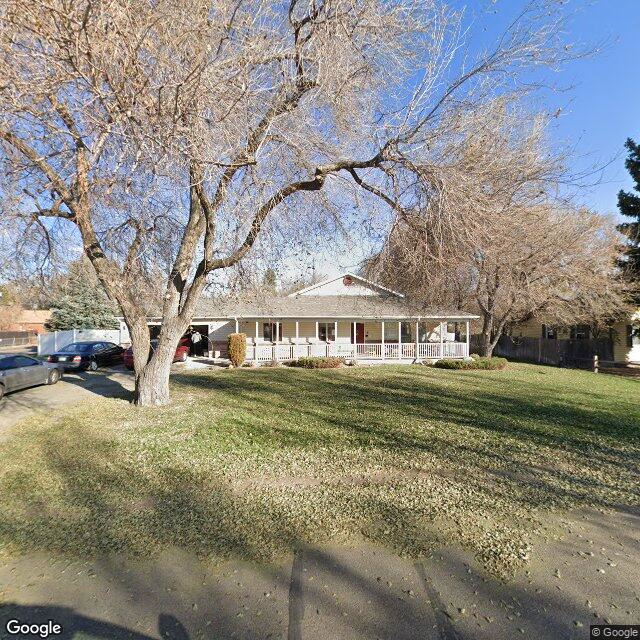
1370 Saulsbury St, Lakewood, CO 80214
To contact a resident: (303) 233-7900
For more information about senior living options: (866) 208-4318
Ashley Manor-Saulsbury Costs & Pricing
At Ashley Manor-Saulsbury, the monthly costs for accommodations reflect a commitment to quality care and amenities. For a semi-private room, residents can expect to invest $4,882, which is notably higher than both Jefferson County's average of $4,114 and the broader state average of $4,009. If you're considering a studio room, the rate at Ashley Manor-Saulsbury is $5,827, also surpassing local and state benchmarks - Jefferson County averages $4,174 while Colorado's average stands at $4,090. These figures suggest that while Ashley Manor-Saulsbury may come with a premium price tag compared to regional norms, it likely reflects enhanced services or features suited for those seeking exceptional care in a supportive environment.
| Floor plans | Ashley Manor-Saulsbury | Jefferson County | Colorado |
|---|---|---|---|
| Semi-Private | $4,882 | $4,114 | $4,008 |
| Studio | $5,827 | $4,174 | $4,088 |
Memory care communities with a similar price nearby
-
from +$318 / mo
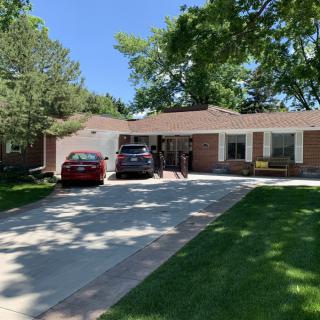
Serenity House Assisted Living Portland Drive
$5,200 to $6,500 / month10.3 miles away -
from +$318 / mo
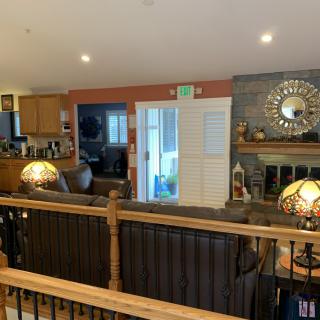
Serenity House Assisted Living Hunters Hill
$5,200 to $6,500 / month14.5 miles away -
from +$318 / mo
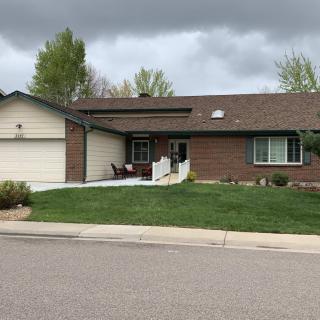
Serenity House Assisted Living Hinsdale
$5,200 to $6,500 / month12.7 miles away -
from +$568 / mo

MorningStar of Observatory Park
$5,450 to $8,300 / month7.4 miles away -
from -$262 / mo
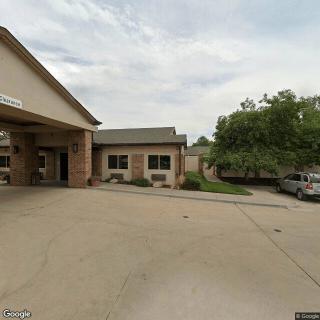
Garden Terrace Alzheimer's Center Of Excellence - Aurora
$4,620 to $5,940 / month13.5 miles away
Overall Review of Ashley Manor-Saulsbury
Pros
 The staff are always very helpful and professional.
- The father is well cared for.
- Saulsbury Facility has very good and caring staff.
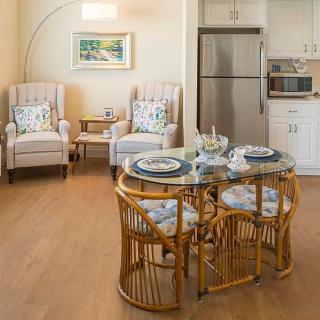
- The dining area is nice and provides home-style dining.
- They offer coloring, music and art projects.
- The staff have patience and much compassion.
- The facility is recommendable.
Cons
 The facility is older and in need of remodeling.
- The rooms are smaller than at other facilities and also in need of remodeling.
- Activities are limited.
- Top Staff has unprofessional skills.
- The food is hard and dried and not suitable for residents.
- The manager is rude and displays disgusting professional manners.
- Visitors are unwelcoming, and families are restricted to two visits per month.
- Care is provided by only one staff member per shift for ten residents.
- Caregivers would sometimes go MIA for a couple of hours.
- Residents are ignored.
Review
Ashley Manor-Saulsbury in Lakewood is best suited for families that prize genuinely caring staff and a home-style dining experience, even when the building itself feels aged. The community often earns praise for compassionate, patient caregiving, especially for residents with advanced dementia, and for staff who are helpful and professional in day-to-day interactions. For families who want a warm, personal touch and are prepared to accept some limitations in scale and modernization, this facility can offer meaningful continuity of care and a sense of familiarity that residents respond to well.
Those weighing options should consider alternatives if modern amenities, larger resident rooms, or a busier, more varied activity calendar are essential. The Saulsbury location is an older facility that shows its age in physical spaces, with smaller rooms and a dining area that, while homey, sits alongside a limited range of activities. Some reviewers flag that the activity program is not robust and that overall engagement can be lacking compared with other communities. Additionally, there are persistent concerns about management style and visitation policies, which can be decisive for families who prioritize predictable, open communication and flexible family access.
The strongest advantages, the caring staff, their patience, and the sense of companionship they provide, can meaningfully offset several drawbacks when a resident values steady relational care. For residents with dementia or memory impairment, the combination of attentive aides and guided routines can yield steadier days and less agitation, given staff who “get” the needs of these residents. The positive feedback about dining as a home-like experience also contributes to daily satisfaction, particularly for seniors who prize predictable meals and a familiar pace. In those contexts, family members often feel confident their loved one is receiving personal attention when needed.
However, the downsides are real and will influence daily quality of life and safety. The facility’s age translates into smaller rooms and a dated feel, with remodeling clearly needed in some spaces. Staffing patterns raise red flags: reports of one caregiver for as many as ten residents, and occasional caregiver gaps where staff are “MIA” for hours, threaten consistent supervision and timely response. Management and staff quality are also polarizing themes in the feedback, with one review describing top staff as unprofessional and a manager perceived as curt and unwelcoming to families. Visitation policies, reportedly restricting visits to two times per month, compound the sense of isolation for families who want more regular engagement. Finally, questions about medications and resident safety, such as bruises from falls, underline the need for careful probing of daily oversight and error-proofing processes.
For families deciding where to place a loved one, a practical path is essential. Schedule in-person tours at different times to observe staffing levels in action, ask for concrete staffing ratios, and request recent incident and medication-management histories. Probe how activities are planned, who leads them, and whether residents have meaningful opportunities beyond passive downtime. Speak directly to current residents and families when possible to gauge real-time morale and safety. Inquire about any renovation plans, the timelines for updates, and how the home balances familiar routines with new programming. Clarify visiting flexibility and how the community supports family involvement in care planning.
In sum, Ashley Manor-Saulsbury offers a trustworthy option for families prioritizing compassionate, attentive staff and a comforting, home-like dining culture, with dementia care that can feel stable and respectful. Yet the facility’s age, limited room sizes, constrained activity lineup, and some staff-management concerns create meaningful caveats. If reliability in staffing, modernized spaces, and open, frequent family access are non-negotiable, it is prudent to compare alternatives with stronger staffing models, broader programming, and clearer, more welcoming policies. For families who can tolerate or overlook those gaps in exchange for genuine warmth and personal attention, this community remains a viable, even preferable, choice.
 Board and Care Home
 Memory Care
 Private bathrooms
 Respite or short term stays offered
 Denver International (23 miles away)
 Diabetic care
 Incontinence care
 Christian services



 Delirium and Dementia: Unraveling the Key Differences
 Are Dementia and Alzheimer's Disease Lethal? A Comprehensive Exploration
 Exploring the Power of Reminiscence Therapy for Individuals With Dementia