
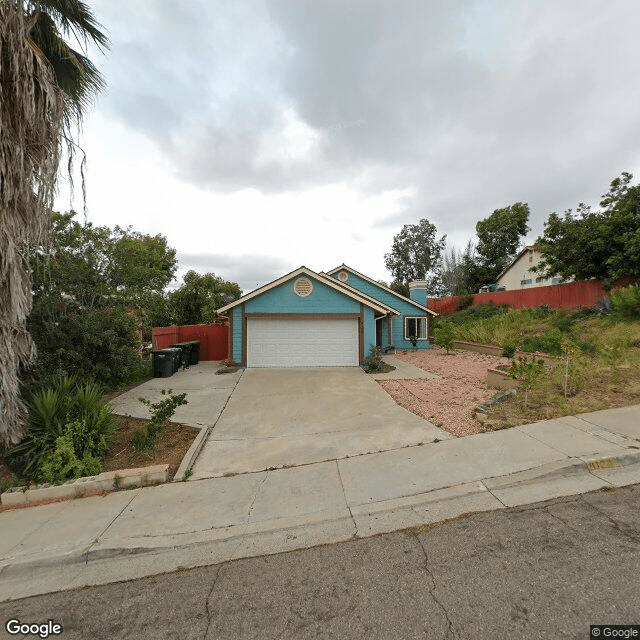
9128 Berkview Lane, Spring Valley, CA 91977
To contact a resident: (619) 621-0447
For more information about senior living options: (866) 208-4318
Racquels Rose Garden Costs & Pricing
Racquel's Rose Garden offers competitive pricing for its accommodations, particularly when compared to the broader market in San Diego County and the state of California. For instance, the monthly cost for a semi-private room is $2,500, significantly lower than the county average of $3,518 and well below the statewide figure of $3,333. Similarly, their private rooms are priced at $3,000, offering a cost-effective alternative to both the San Diego County rate of $3,939 and California's uniform rate of $3,939. Additionally, Racquel's one-bedroom suite costs $3,500 - again more affordable than both the county average of $4,315 and the state average of $4,340. This strategic pricing underscores Racquel's commitment to providing quality living options that cater to budget-conscious individuals without compromising on care or comfort.
| Floor plans | Racquels Rose Garden | San Diego County | California |
|---|---|---|---|
| Semi-Private | $2,500 | $3,518 | $3,333 |
| Private | $3,000 | $3,939 | $3,939 |
| 1 Bedroom | $3,500 | $4,315 | $4,340 |
Memory care communities with a similar price nearby
-
from +$350 / mo
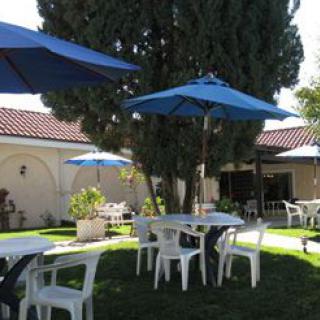
Alpine View Lodge
$2,850 to $3,550 / month14.1 miles away -
from +$300 / mo
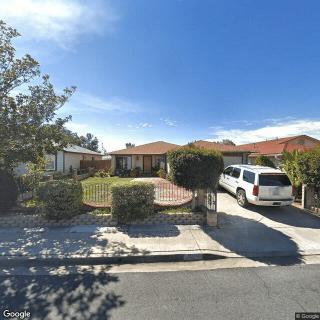
Carecenter at Home for Elderly
$2,800 to $3,500 / month3.4 miles away -
About the same
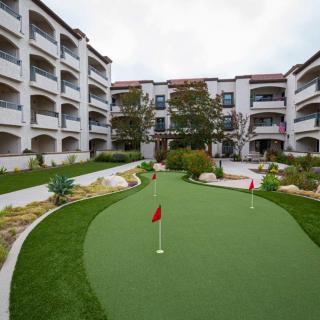
Casa De Las Campanas
$2,542 to $25,000 / month22.6 miles away -
from +$435 / mo
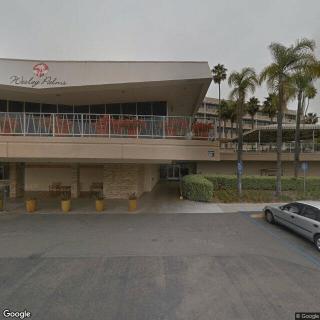
Wesley Palms
$2,935 to $6,320 / month14.4 miles away -
from +$495 / mo
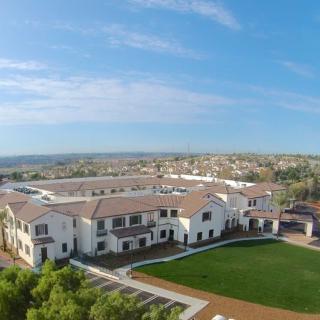
Westmont at San Miguel Ranch
$2,995 to $5,995 / month4.9 miles away
Overall Review of Racquels Rose Garden
Pros
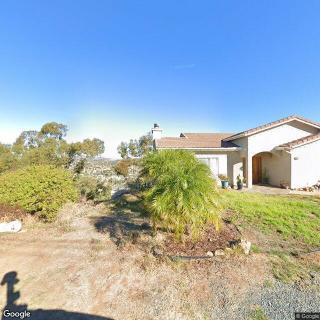
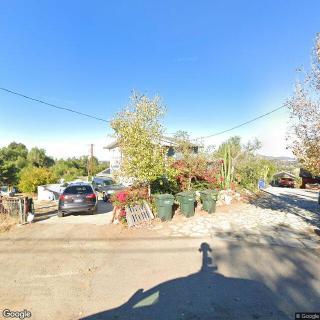
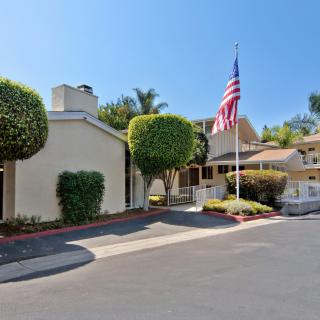
 The backyard appears to have a nice view.
- The backyard offers a nice view.
Cons
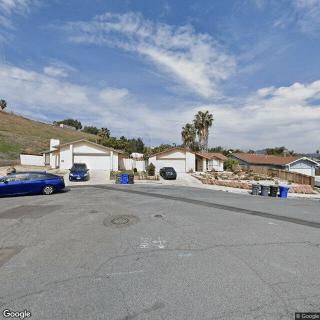
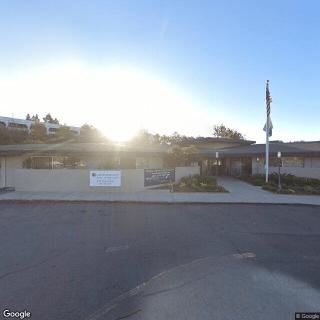
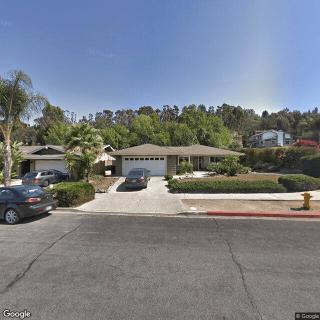
 The neighborhood is average.
- The backyard needs yardwork.
Review
Racquels Rose Garden in Spring Valley is best suited for families and seniors who want a straightforward, practical option with reliable proximity to relatives and a pleasantly unobtrusive outdoor view. The community reads as a no-frills setting rather than a polished exemplar of luxury Senior Living, which can be exactly what families prioritize when budgeting and scheduling visits are central. The two recent reviews emphasize a familiar, average neighborhood vibe and a backyard view that hints at space and light without suggesting high-maintenance grounds or resort-like amenities. For households that place a premium on convenient drives for family drop-ins and a sense of everyday normalcy, this option stands out as a calm, predictable choice rather than a showpiece campus.
Those who may want to consider alternatives include families seeking a higher level of finish or a more curated neighborhood environment. If the priority is a campus with meticulously kept grounds, lush landscaping, and a location that feels exclusive or upscale, this community likely won’t satisfy. Similarly, if there is a need for robust programming, specialized memory care, or highly formalized activity calendars, the sparse commentary in the available reviews suggests exploring other options with clearer demonstrations of those strengths. Prospective residents who value a more energized social scene or a campus with extensive on-site services may find better-fit environments elsewhere.
The key positives, an average neighborhood with practical accessibility and a pleasant outdoor cue, do provide meaningful offset to some potential concerns. The notion of a backyard view contributes to a sense of openness and can improve mood during visits, which matters for families who want to see relatives enjoy outdoor space without traveling to distant venues. The “average” setting also tends to correlate with lower costs and easier acceptance of everyday routines, which can translate into less pressure on families to overcommit or overextend finances. Crucially, being within an acceptable driving distance means that frequent, spontaneous visits remain feasible, reinforcing continuity of care and reassurance for loved ones.
Where the reviews signal caution, the same factors can be addressed with targeted questions before move-in. The yardwork note hints at maintenance realities, clarify who is responsible for outdoor spaces, how often mowing or pruning occurs, and whether any exterior upkeep is included in the care plan. The emphasis on location as “average” should prompt families to assess access to nearby medical facilities, grocery sources, and transportation options, ensuring the location truly supports ongoing needs. Because the reviews do not detail staffing quality, meal quality, safety protocols, or activity programming, these elements must be evaluated firsthand through tours and conversations with staff, residents, and family members who have recent experience.
In the end, Racquels Rose Garden presents a practical, reachable option for families prioritizing proximity and a modest environment over prestige or expansive amenities. It is well-suited for older adults who prefer predictable routines, straightforward living, and the reassurance that family can easily visit without arduous travel. Those whose criteria lean toward a polished, high-end campus with a wide array of on-site services or a more vibrant social ecosystem should look elsewhere. This community earns its value through simplicity, dependable accessibility, and a grounded sense of place, attributes that can make a steady, unpretentious transition into assisted living both feasible and emotionally manageable for many families.
 Board and Care Home
 Memory Care
 Dogs allowed
 Beautician on-site
 Private
 San Diego International-Lindbergh (11 miles away)
 Diabetic care
 High acuity care
 Incontinence care
 Memory Care Pathways: A Holistic Guide to Dementia Support
 Comprehending Evening Confusion in Dementia: Causes, Manifestations, and Support
 Delirium and Dementia: Unraveling the Key Differences