
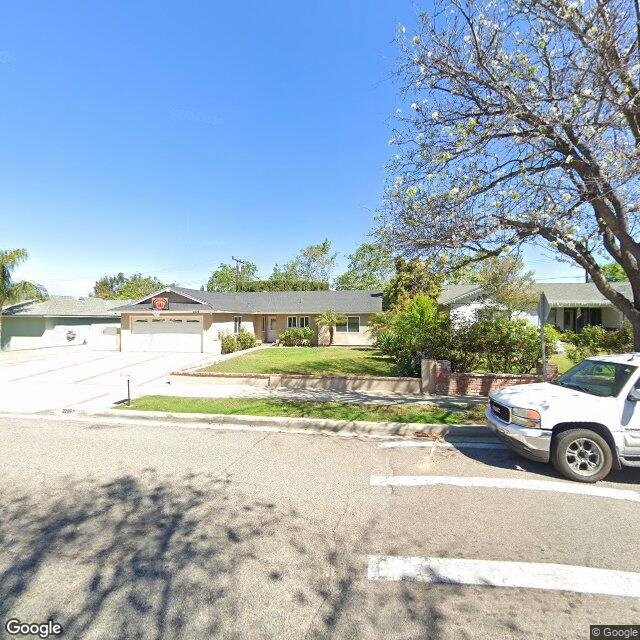
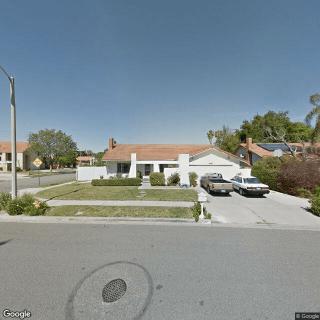
2235 Elizondo Street, Simi Valley, CA 93065
To contact a resident: (805) 578-4553
For more information about senior living options: (866) 208-4318
Golden Care Moments Inc Costs & Pricing
Golden Care Moments Inc offers competitive pricing for its services, particularly when compared to both Ventura County and the broader California market. For semi-private accommodations, Golden Care is priced at $2,500 per month, significantly lower than the county average of $3,438 and the state average of $3,333. This positioning not only provides residents with an affordable option but also reflects a commitment to accessible care. When it comes to private rooms, Golden Care's rate of $4,500 is slightly above Ventura County's average of $4,082 and notably higher than California's statewide average of $3,939. While this might suggest a premium service level in private accommodations, it's essential to consider the overall value offered by Golden Care Moments Inc through personalized care and attention that could justify this price difference for potential residents.
| Floor plans | Golden Care Moments Inc | Ventura County | California |
|---|---|---|---|
| Semi-Private | $2,500 | $3,438 | $3,333 |
| Private | $4,500 | $4,082 | $3,939 |
Memory care communities with a similar price nearby
-
from +$250 / mo
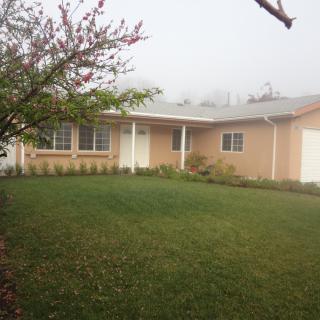
Dignity Care Home 1
$2,750 to $4,150 / month15.4 miles away -
from -$300 / mo
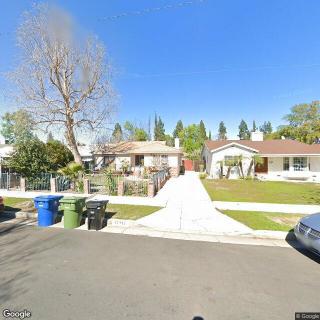
Granada Hills Gardens
$2,200 to $3,500 / month14.2 miles away -
About the same
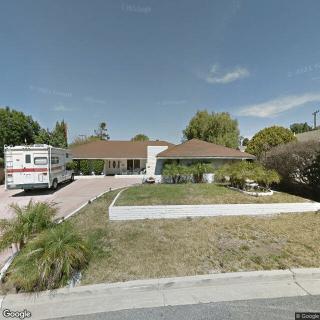
Familycare Cottage IV
$2,500 to $4,500 / month7.0 miles away -
About the same
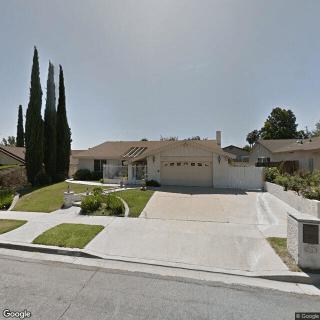
Sunrise Guest Home
$2,500 to $3,000 / month1.0 miles away -
from -$100 / mo

Leisure Living
$2,400 to $3,000 / month7.3 miles away
Overall Review of Golden Care Moments Inc
Pros
 The care home offers a warm, caring environment for residents with memory care needs.
- The staff are caring and knowledgeable about residents' needs.
- There is a true caring and loving connection between the staff and the residents.
- Residents are visibly happy and enjoy dancing with the caregivers.
- Each day follows a structured schedule that includes exercise, arts and crafts, and music.
- Makayla White helps families transition smoothly and maintains regular updates.
- The administrator goes above and beyond to help families adjust.
- The staff are extremely caring and patient, and the director and owner are amazing.
- The meals are individualized to residents' tastes and dietary needs.
Cons
 There is only one caregiver for about five residents, so some residents’ needs can fall through the cracks.
- The recent owner change is described as making the home “not the same” as before.
- There are not many activities available beyond TV, limiting resident engagement.
- The small size with limited staff means residents may not receive enough attention.
Review
Golden Moments Care Home in Simi Valley is best suited for memory-care residents who thrive in a small, home-like setting where staff form genuinely warm, ongoing relationships with residents and families value close, transparent communication. The community’s strongest pull is its intimate footprint, roughly five residents at a time in many cases, and a staff culture that emphasizes personalized attention, consistent grooming and daily routines, and meaningful daily interactions. Families seeking a place where staff know the resident’s preferences, celebrate milestones, and stay closely connected with loved ones will find this environment notably comforting and reliable.
That said, prospective buyers should explicitly consider alternatives if the priorities are scale, variety of programming, or a higher staffing density. A larger memory-care community can offer a wider activity calendar and more back-up coverage during busy shifts; those who want extensive off-site outings or highly structured, multi-hour programming may find the home’s small-scale model insufficient. Also, the community’s ownership history is a factor to weigh: shifts in leadership have prompted mixed impressions among some families, with memories of the prior era’s highly praised care contrasted by concerns raised after the ownership change. If stability and breadth of resources across a full day are essential, an option with a larger team and steadier governance may be preferable.
The most persuasive positives, the staff’s evident care, the individualized routines, and the clean, homey atmosphere, often offset the potential downsides. Caregivers demonstrate attentiveness in daily grooming, nutrition, and activities, turning each day into a structured, reassuring rhythm: exercise circles, arts and crafts, music, and regular social time. The person-centered approach shines in how meals are tailored to taste and dietary needs, and how staff engage residents with patience and respect. Communication with the administrator, particularly Makayla, is frequently highlighted as a strength, enabling families to stay informed and engaged as care evolves. When a resident’s mood or preferences shift, staff frequently adapt activities and interactions in ways that preserve dignity and joy, a true counterbalance to concerns about limited programming.
The environment reinforces these strengths: cleanliness and safety are palpable, and the home-like decor supports a sense of familiarity and comfort that reduces agitation for memory-care residents. The value proposition appears competitive, with families noting reasonable pricing relative to the personalized, hands-on care provided. The daily schedule supports routine and predictability, which is especially meaningful for individuals navigating memory challenges. For families prioritizing a close-knit team and consistent caregiver connections, this setting can feel like “golden” support at a time when consistency matters most.
Where this community truly earns its keep is in its capacity to make residents feel seen and valued. The anecdotes of residents remaining happy, engaged, and well-groomed, often with staff joining in dances, conversations, or quiet activities, underscore a core advantage of small, dedicated care teams. For many families, the emotional reassurance that comes from knowing staff treat their loved one with tenderness and respect is the deciding factor. The same warmth, however, can become a liability if staffing becomes stretched, and the occasional reviewer notes that with full occupancy, attention to every detail can slip. That tension is the critical lens through which to assess fit.
In the end, Golden Moments Care Home presents a compelling choice for memory-care in a deliberately intimate setting. It suits families who want a neighborly, well-tended home where staff know residents deeply, communicate clearly, and guide daily life with meaningful, simple pleasures. It may be less ideal for those who require robust staffing coverage, a broader activity slate, or ongoing governance stability without the specter of change. Prospective residents and their families should tour with a discerning eye on staff-to-resident ratios during peak times, ask candid questions about programming depth, and gauge whether the current leadership and care philosophy align with long-term expectations. If alignment exists, the decision to place here can feel grounded in trust, with tangible daily proof of attentive, affectionate care for a beloved memory-care journey.
 Board and Care Home
 Memory Care
 Cats allowed
 Dogs allowed
 Activities off-site
 Beautician on-site
 Devotional services off-site
 Indoor common areas
 Outdoor common areas
 Private
 Private bathrooms
 Wheelchair accessible showers
 Burbank-Glendale-Pasadena (23 miles away)
 Ambulatory care
 Diabetic care
 High acuity care
 Incontinence care
 Medication management
 Kosher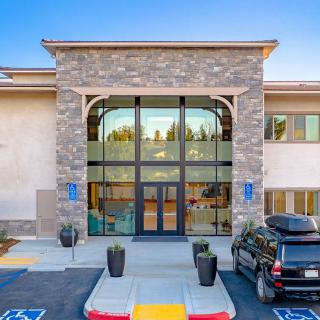




 Why Do Dementia Patients Sleep So Much? Understanding Oversleeping, Stages, and Care Approaches
 8 Key Indicators That Suggest It May Be Time to Transition from Assisted Living to Skilled Nursing Care
 Nourishing the Mind: Essential Dietary Approaches for Dementia