
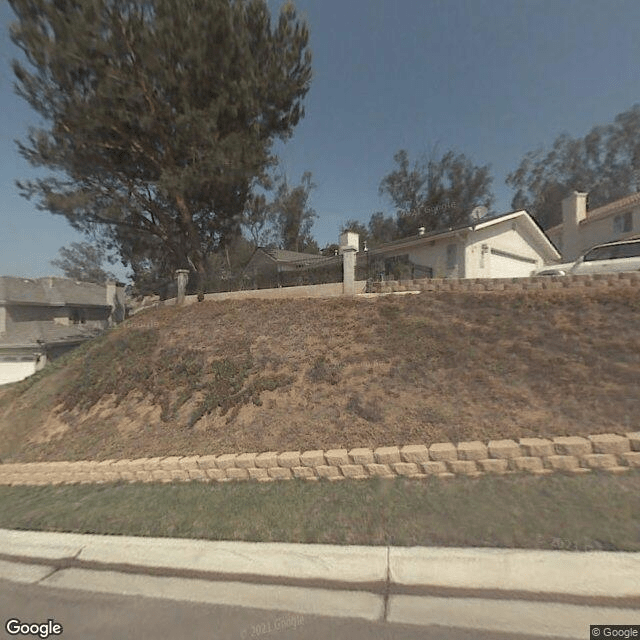
866 Saint Sava Place, San Marcos, CA 92069
To contact a resident: (760) 518-7771
For more information about senior living options: (866) 208-4318
Overall Review of Pleasant View Home Care
Pros
 The experience is off to a good start.
- They liked the place; the home was nice and spacious.
- The staff were friendly.
Cons
 None found in the provided reviews.
Review
Pleasant View Home Care in San Marcos is best suited for families seeking a simple, home-like environment where comfort and approachable caregiving staff are the core appeal. The facility’s appeal rests on a spacious, residential feel rather than a clinical, campus-style setting. This is a practical fit for seniors who prioritize ease of daily living, straightforward routines, and personal warmth from caregivers over a high-powered calendar of events or aggressively coordinated medical services. In short, it serves those who want a warm, low-density atmosphere with staff attention that feels neighborly rather than institutional.
At the same time, some families should consider alternatives. Those whose priorities include robust medical oversight, specialized dementia or memory-care programming, or a turnkey, highly structured activity schedule may want to look elsewhere. The limited number of published reviews, three in total, with two hovering around a mid-range three-star impression and a single five-star nod, means there isn’t a substantive track record to rely on. For families seeking a long-proven care trajectory, or for residents with complex, ongoing medical needs, a facility with more extensive external validation and documented outcomes is likely a wiser choice.
The primary positives, the home’s pleasant, spacious ambiance and the perception of friendly, accessible staff, offer meaningful leverage for daily well-being. A residence that feels roomy and comfortable can reduce agitation and stress, especially for seniors who are sensitive to unfamiliar environments. Friendly staff suggests reliable day-to-day interactions, responsive help when needed, and a benign social footprint within the home. These ingredients matter greatly for quality of life and can soften the impact of any minor gaps in programming or clinical resources. Yet the impact of these strengths is inherently limited by the lack of detailed, breadth-rich data about care depth, staffing ratios, and the availability of specialized services.
From a decision-making standpoint, the main risk is the insufficient breadth of evidence to gauge consistency over time. The two three-star ratings signal possible variance in resident experience, and the absence of richer information about meals, activities, transportation, and care coordination leaves families with more questions than confidence. The favorable impression of space and warmth does not automatically translate into strong outcomes or reliable continuity of care, especially for seniors who will require more than basic companionship and oversight. In this light, Pleasant View operates as a practical option for certain lifestyles, but it cannot be assumed to deliver the same level of assurance as facilities with deeper, verified performance histories.
Families evaluating Pleasant View should adopt a focused, checklist-driven approach during visits. Request a candid tour of living areas to assess whether the home-like environment truly supports independence and safety. Ask about caregiver-to-resident ratios on different shifts, how care plans are created and updated, and what level of medical supervision exists on-site. Probe for meal quality, kitchen cleanliness, and access to snacks that align with dietary needs. Inquire about activity offerings, transportation arrangements, housekeeping routines, and whether residents have opportunities for meaningful engagement beyond light socialization. Finally, demand transparent pricing, including any entrance fees, monthly costs, and potential add-ons, to avoid sticker shock later.
In the end, Pleasant View Home Care presents a measured option for families prioritizing warmth, space, and approachable staff over a proven, high-structure care program. It is a reasonable match for residents who value a quiet, residential environment and do not require intensive medical management or a broad, program-rich activity slate. For those with higher expectations around consistent outcomes, specialized memory support, or a robust, well-documented care trajectory, it would be prudent to widen the search to alternatives with longer track records and clearer performance data. A well-planned, on-site assessment will determine whether the modest-but-real strengths here align with the resident’s specific health needs and lifestyle preferences.
 Board and Care Home
 Memory Care
 Private bathrooms
 MC Clellan-Palomar Airport (10 miles away)
 Christian services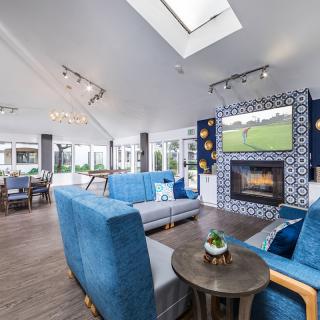






 Dementia-Related Hallucinations: Causes, Experiences, and Practical Approaches
 Illuminating Insights About Alzheimer's Disease: Ten Crucial Realities
 A Thorough Discussion of Medications Potentially Linked to Dementia Risk