
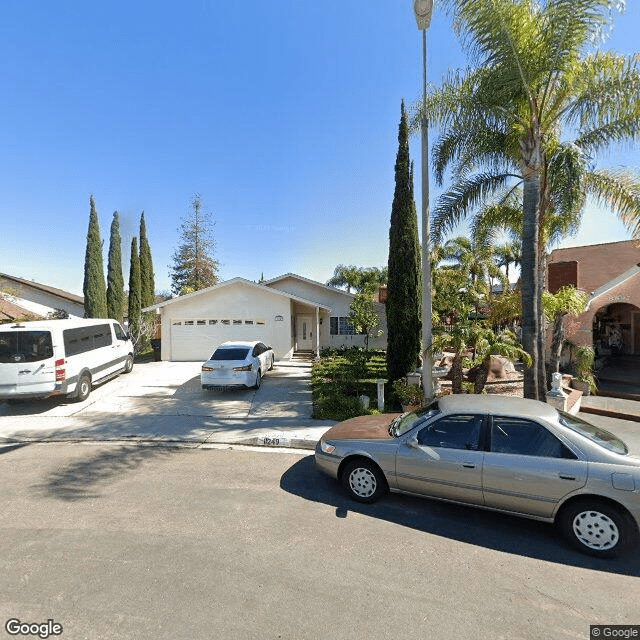
11249 Antilla Place, San Diego, CA 92126
To contact a resident: (858) 566-3441
For more information about senior living options: (866) 208-4318
Hands of Love, Inc. Costs & Pricing
Hands of Love, Inc. offers competitive pricing for various room types compared to the broader San Diego County and the state of California. For semi-private rooms, Hands of Love is priced at $2,500 per month, which is significantly lower than the county average of $3,518 and the state average of $3,333. Similarly, their one-bedroom units are available at $3,000 - again more affordable than both the county price of $4,315 and the state price of $4,340. The cost for private rooms also reflects this trend; at Hands of Love, Inc., they are offered at $3,000 each month, while both San Diego County and California list their private rooms at a higher rate of $3,939. Overall, Hands of Love stands out as a cost-effective option for individuals seeking quality accommodation within the region.
| Floor plans | Hands of Love, Inc. | San Diego County | California |
|---|---|---|---|
| Semi-Private | $2,500 | $3,518 | $3,333 |
| 1 Bedroom | $3,000 | $4,315 | $4,340 |
| Private | $3,000 | $3,939 | $3,939 |
Memory care communities with a similar price nearby
-
from +$350 / mo
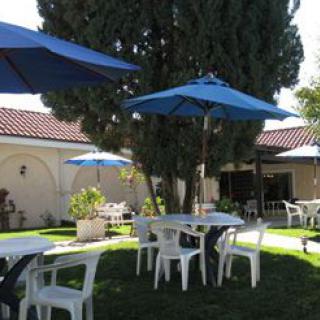
Alpine View Lodge
$2,850 to $3,550 / month20.6 miles away -
About the same

Golden Retreat - Senior Residential Care
$2,500 to $3,000 / month20.4 miles away -
from +$300 / mo
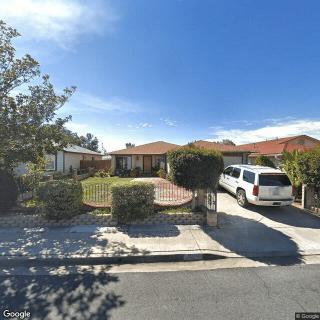
Carecenter at Home for Elderly
$2,800 to $3,500 / month17.0 miles away -
About the same
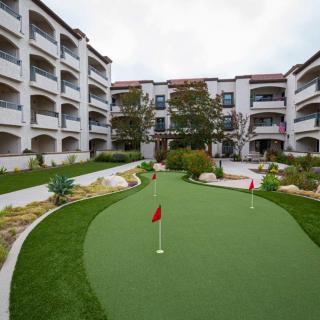
Casa De Las Campanas
$2,542 to $25,000 / month9.3 miles away -
About the same
Woodland Borden Care
$2,500 to $3,000 / month15.9 miles away
Overall Review of Hands of Love, Inc.
Pros
 The family is warm, welcoming, and experienced.
- The home is clean and bright.
- They treat their residents as family.
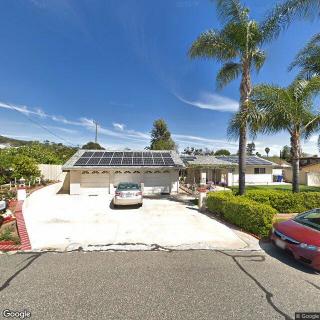
- The home Mary showed is beautiful and has a large backyard.
- The home is wheelchair friendly.
- Mary is a caring person who provides lots of information.
- The other family members seem very nice, friendly, and caring.
Cons
 Not a right fit at this time for a couple.
- Didn’t care for the policy of putting depends on the resident instead of allowing nighttime bathroom use.
- Not ok with discussing depends and morning cleaning with mom, since she can still maintain her own bowels.
- Concerned about how little social interaction mom would get due to only one other resident.
- They noted that the parents would miss their own home.
Review
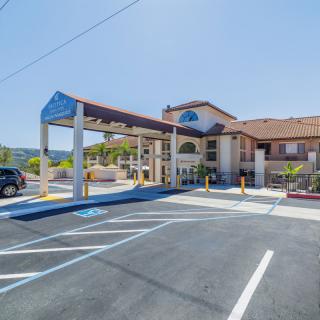
Hands of Love, Inc. in San Diego is best suited for a single senior who prizes a warm, family-run, home-like setting where caregivers treat residents as part of the family and safety is woven into daily living. The space reads as a bright, clean residence that prioritizes comfort and accessibility for wheelchair users, with a yard that offers a touch of outdoor life without feeling institutional. Families seeking a low-key, intimate atmosphere rather than a formal facility will likely find the tone reassuring, and the personal touch from the caregivers stands out. This is not a clinic or a large campus; it is a home that aims for familiarity and steady, attentive company.
For couples or seniors who want a high level of ongoing medical assistance or a vibrant social calendar with multiple peers, this community may not be the optimal choice. Reviews note that the home would not be a right fit for a couple at this time, suggesting that space and routines are better suited to individual residents who do not require intensive dual care. Social interaction may be limited by the small number of residents, and the personal dynamic, strongly shaped by a single caregiver or family members living on site, could feel restrictive for some. Additionally, there are concerns about how nighttime bathroom needs are handled, which could clash with a resident’s independence and privacy.
The strongest positives are the warmth, the sense of family, and the evident care philosophy. The home is described as clean and bright, with a welcoming, homey feel that makes residents seem like part of the family rather than patients. Wheelchair accessibility and Mary’s attentiveness emerge as standout strengths, signaling a caregiver who is patient, informative, and genuinely invested in finding the right path for each resident. The family-run nature translates into visible commitment and a desire to tailor daily life to individual preferences, which can translate into meaningful regular companionship for someone who dislikes impersonal care settings.
Critically, the main downsides center on safety updates in the physical space and the logistics of care delivery. The property reportedly needed safety renovations and bathroom updates, a material consideration for families calculating move-in costs and ongoing maintenance. The approach to incontinence and nighttime bathroom use raises privacy and dignity questions, and the mention of discussing depends versus assisting in the morning suggests a philosophy that may not align with every resident’s expectations. With only one other resident available for socializing, opportunities for consistent peer interaction may be sporadic, potentially leaving a resident feeling isolated unless family involvement or on-site visitors fill the gap.
When the positives align, home-like temperament, attentive staff, and accessible design, they can meaningfully offset the drawbacks for the right person. For a resident who values intimate, personalized care and the reassurance of a known caregiver, the strengths can outweigh the concerns about space constraints and the smaller social circle. However, the weight of the cons is not negligible: safety renovations and the care plan around nighttime needs demand thorough vetting before move-in. Prospective families should demand a current, detailed update on renovations, a clear schedule of staff coverage, and a documented night-time routine that respects autonomy while ensuring safety.
Decision-makers should approach Hands of Love with a checklist of concrete questions and a clear sense of the resident’s priorities. Request a comprehensive tour focused on bathroom safety, emergency systems, and mobility aids; inquire about staffing ratios and who is present during evenings and weekends; and explore how social needs are met, whether through visits from family, neighborhood engagement, or planned activities. If the fit hinges on sharing a space with another couple or requiring more robust social programming, alternatives such as other small board-and-care homes or larger assisted living communities with more peers and structured programming should be pursued. The choice should favor a setting where care philosophy, privacy, and safety align with the resident’s independence and family expectations.
 Board and Care Home
 Memory Care
 Activities off-site
 Bath tubs
 Beautician on-site
 Indoor common areas
 Outdoor common areas
 Private
 Private bathrooms
 Swimming pool / hot tub
 San Diego International-Lindbergh (14 miles away)
 Ambulatory care
 Incontinence care
 Kosher


 Dementia, Paranoia, and Caregiver Guidance: Understanding the Connection
 Engaging Memory Care Activities That Enhance Quality of Life
 When to Transition from Assisted Living to Memory Care: Key Indicators, Steps, and Finding the Right Community