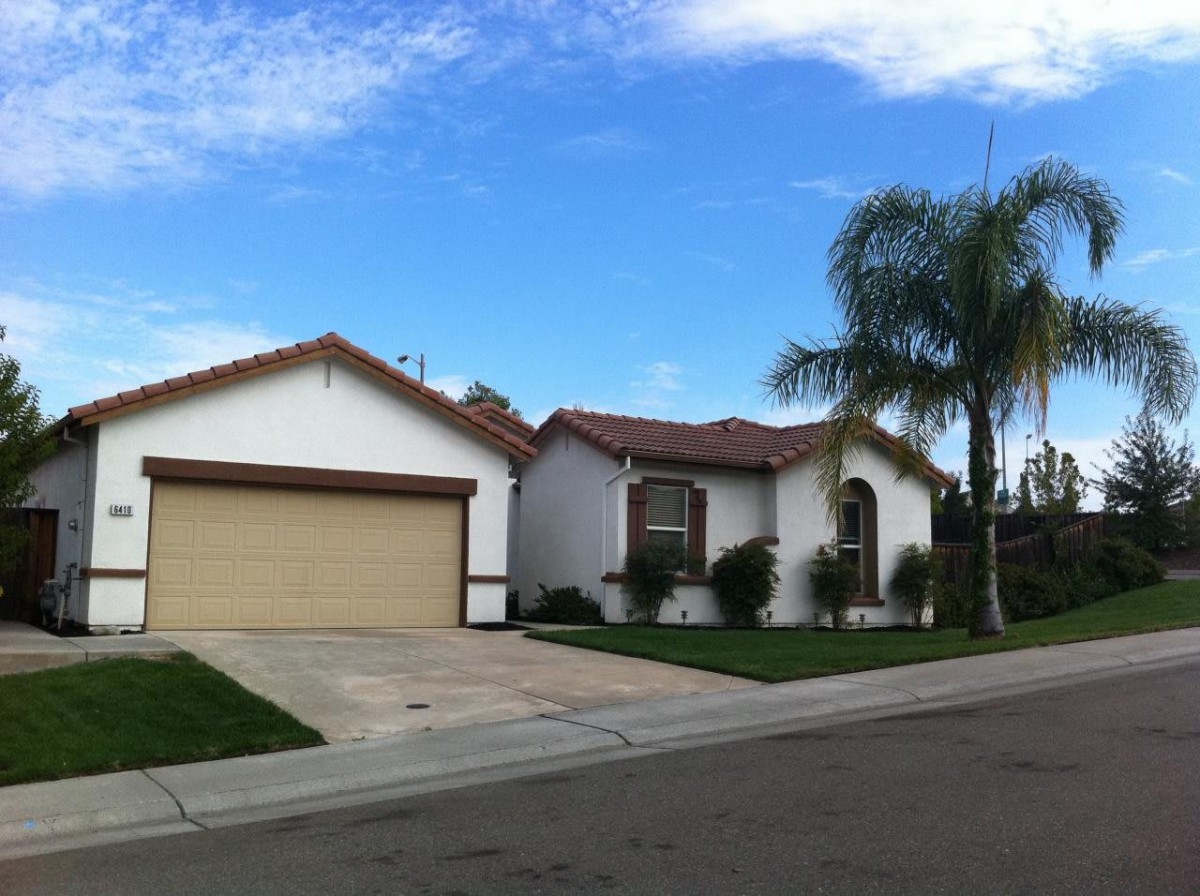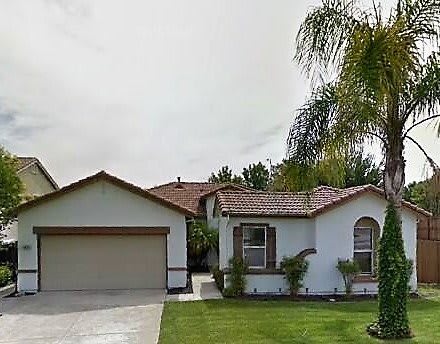
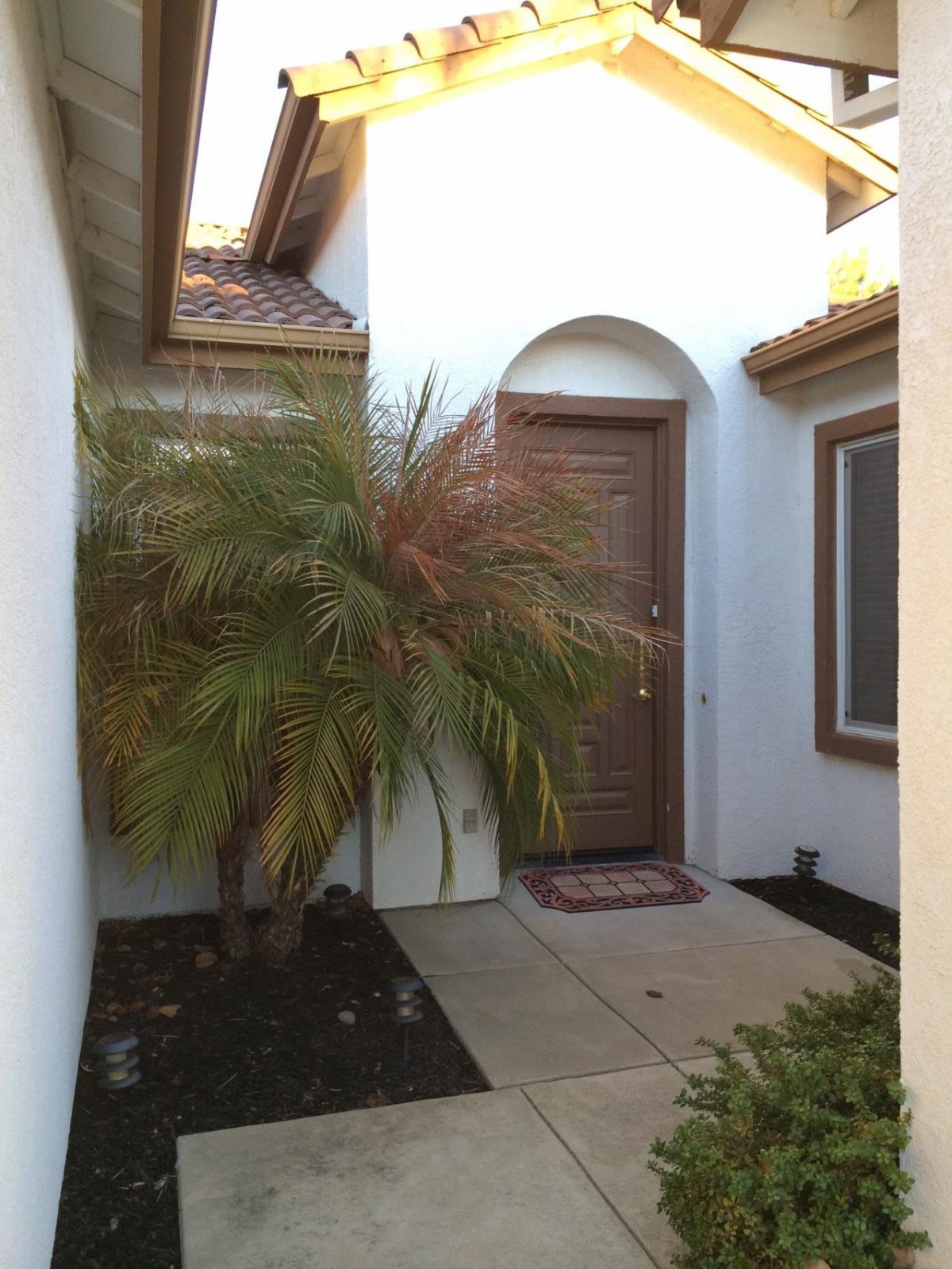
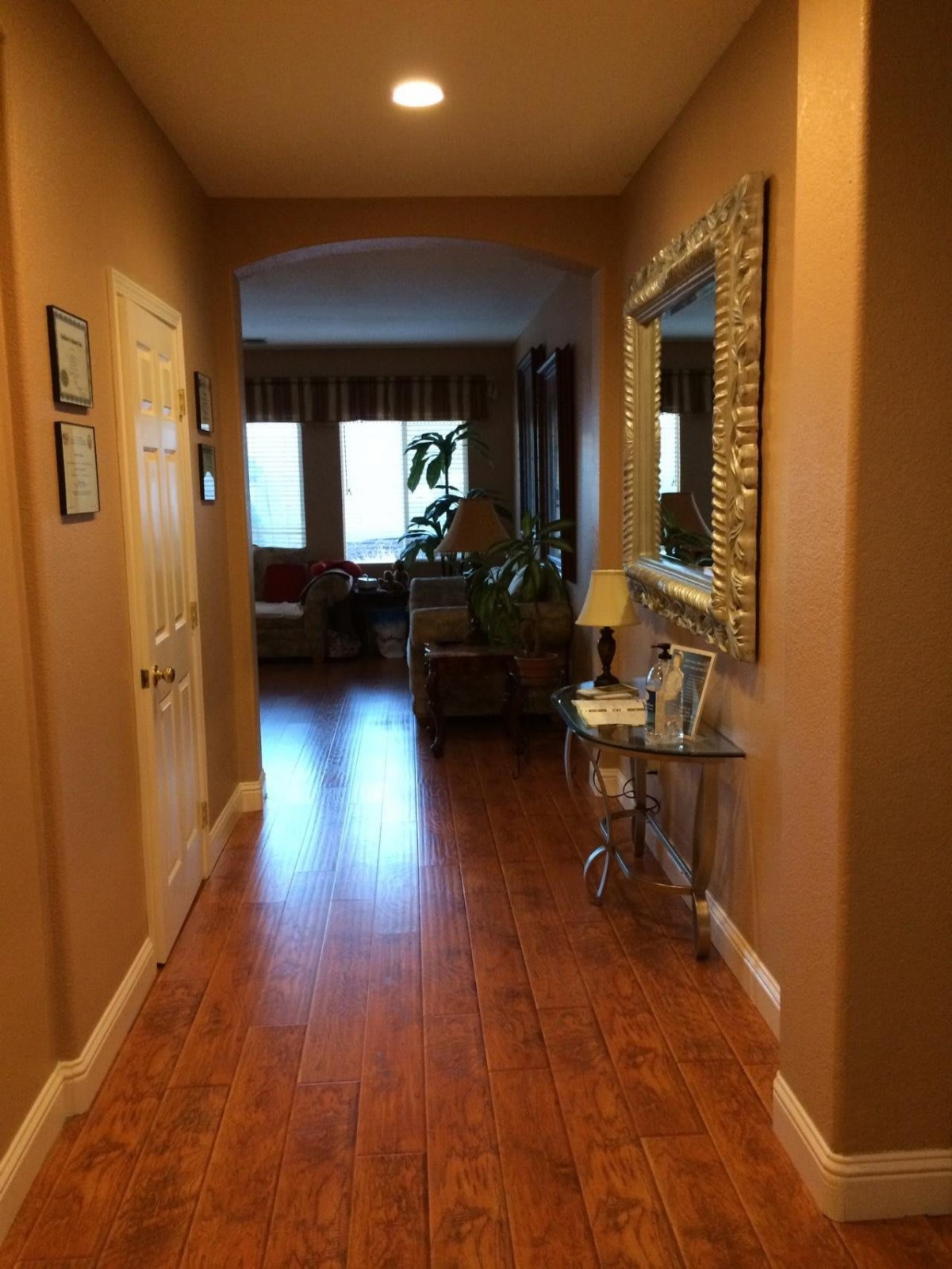
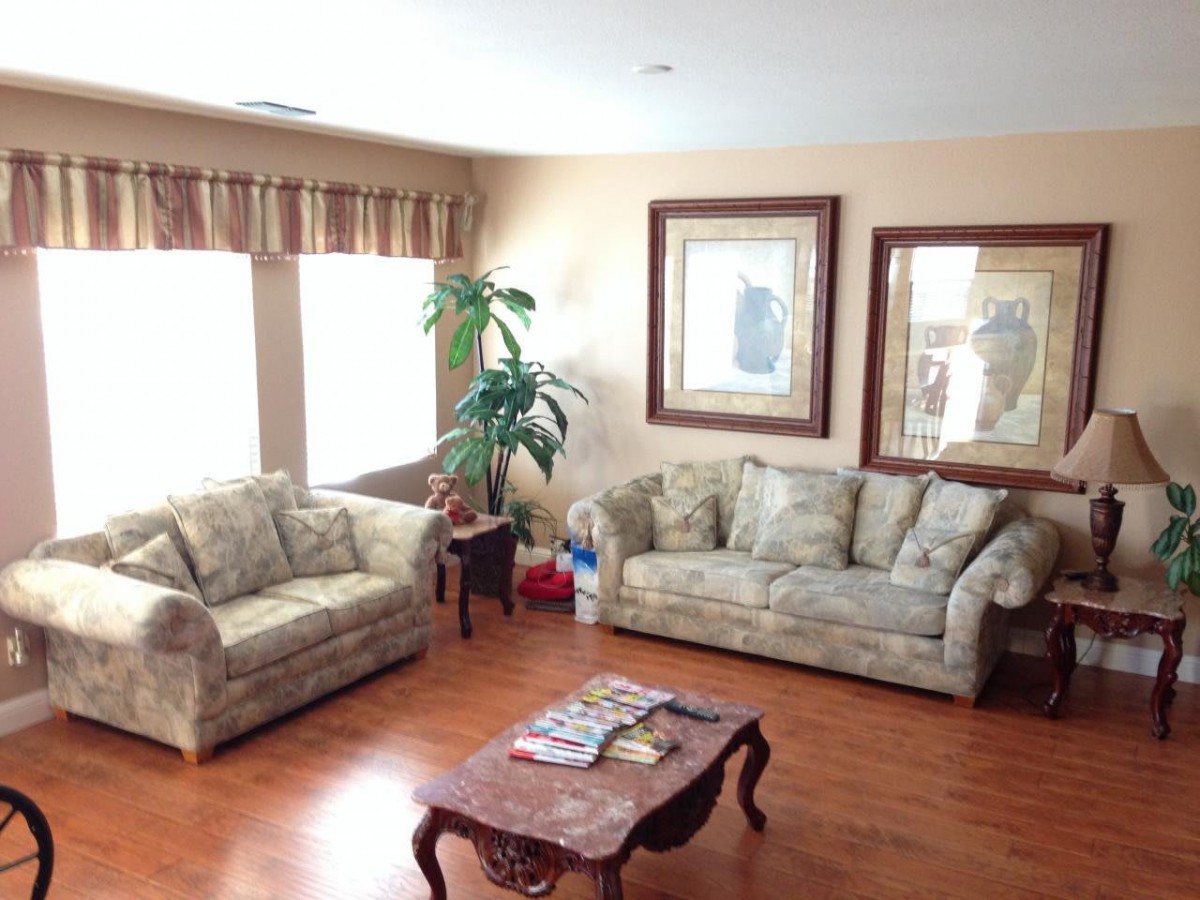
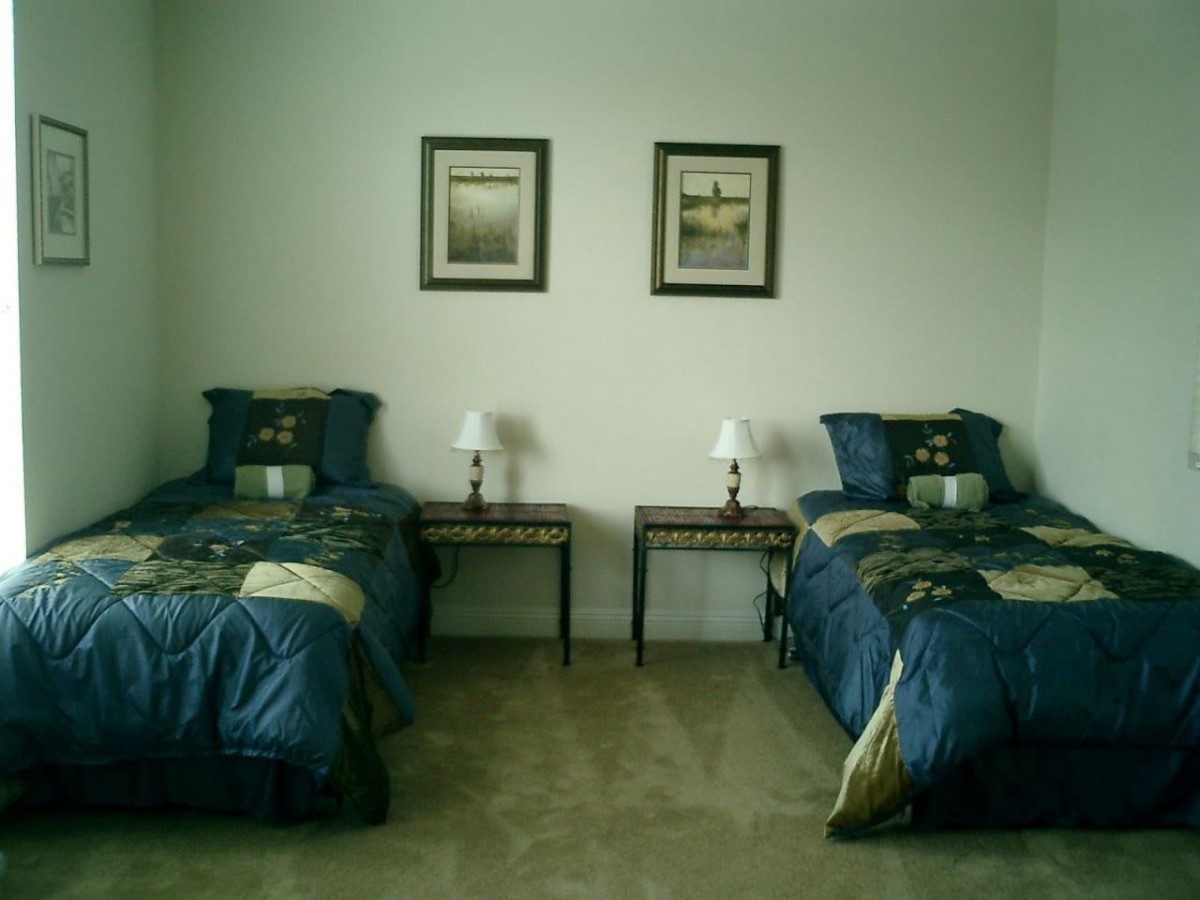
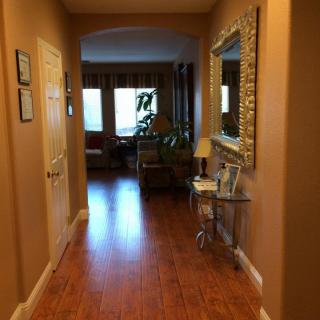


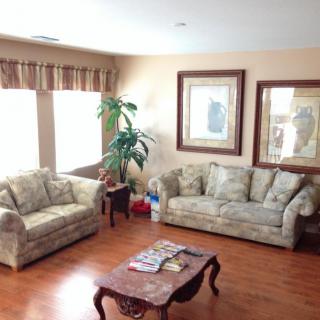
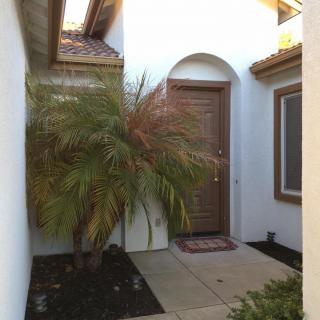


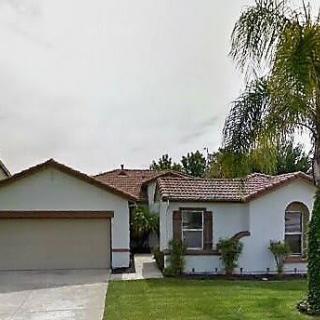
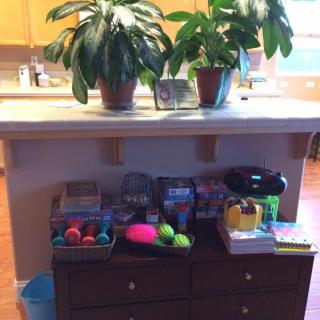


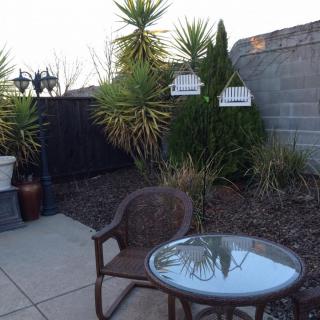

6410 Wisp Ct, Rocklin, CA 95765
To contact a resident: (916) 868-4402
For more information about senior living options: (866) 208-4318
Grace Garden Senior Care Costs & Pricing
At Grace Garden Senior Care, the monthly costs for different room types reflect a balance between quality and affordability. The semi-private room is priced at $3,500, which is slightly higher than the regional average in Placer County at $3,489 but remains competitive compared to the statewide average of $3,333. Meanwhile, both the one-bedroom and private room options are offered at $4,000 each; these prices position Grace Garden just below Placer County's average of $4,777 for a one-bedroom while being comparable to the state average of $4,340. For private rooms, Grace Garden's rate aligns closely with the county's average of $4,026 and is slightly above California's overall rate of $3,939. This pricing structure underscores Grace Garden's commitment to providing high-quality senior care within a pricing framework that acknowledges both local and state market conditions.
| Floor plans | Grace Garden Senior Care | Placer County | California |
|---|---|---|---|
| Semi-Private | $3,500 | $3,489 | $3,333 |
| 1 Bedroom | $4,000 | $4,777 | $4,340 |
| Private | $4,000 | $4,026 | $3,939 |
Memory care communities with a similar price nearby
-
from +$500 / mo
Sungarden Villa II
$4,000 / month6.9 miles away -
from +$650 / mo
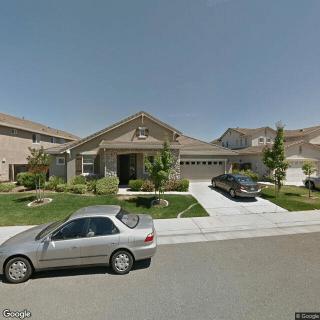
Ferrari
$4,150 to $5,500 / month4.7 miles away -
from -$500 / mo
Love & Care for Elder
$3,000 to $4,500 / month6.6 miles away -
from +$500 / mo

Ashley Villa
$4,000 / month11.1 miles away -
from +$500 / mo
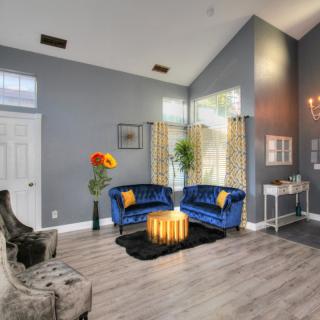
A Bright Future
$4,000 / month6.9 miles away
Overall Review of Grace Garden Senior Care
Pros
 Grace Garden Senior Care has been exemplary.
- The staff are pleasant and attend to residents' needs in a much more personal manner than in larger corporate facilities.
- The home houses six residents who receive individualized care.
- Residents dine together around the kitchen table, enabling caregivers to know what they are eating.
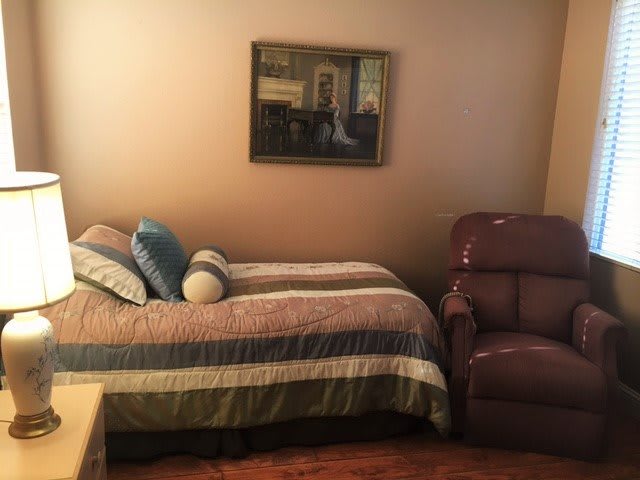
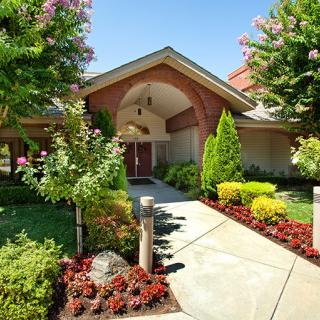
- The home is impeccably clean and has a welcoming atmosphere, with friendly, capable, and attentive staff.
- The owner is approachable and responsive, and the management team is efficient and friendly.
- The smaller setting of up to six residents supports more individualized care and quick responses.
- Families express satisfaction with the care, value, and overall experience, and would recommend Grace Garden Senior Care.
Cons
 The staff turnover is cited as the biggest problem, with care workers coming and going.
- There is criticism that there is no effective solution to turnover and that the training system is inadequate.
- Prospective residents are cautioned about staffing issues.
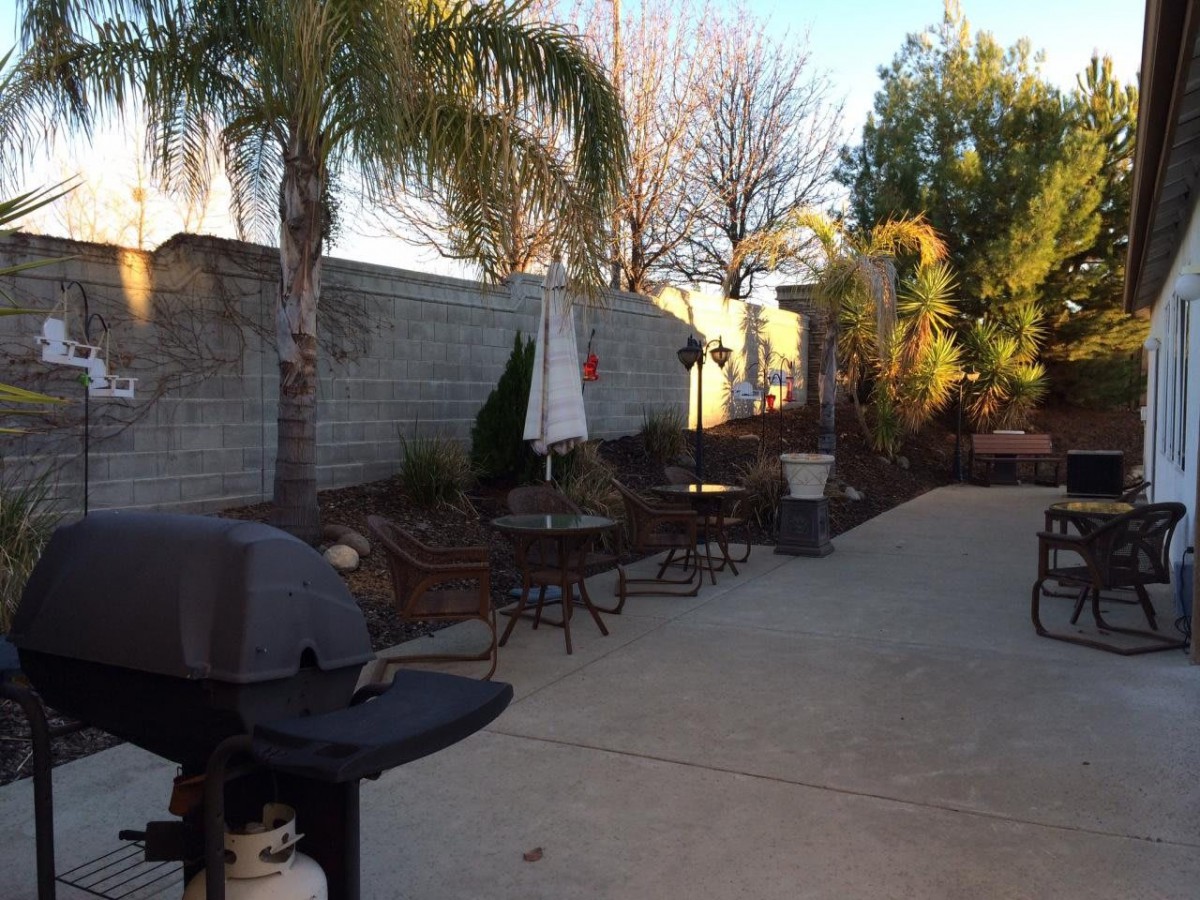
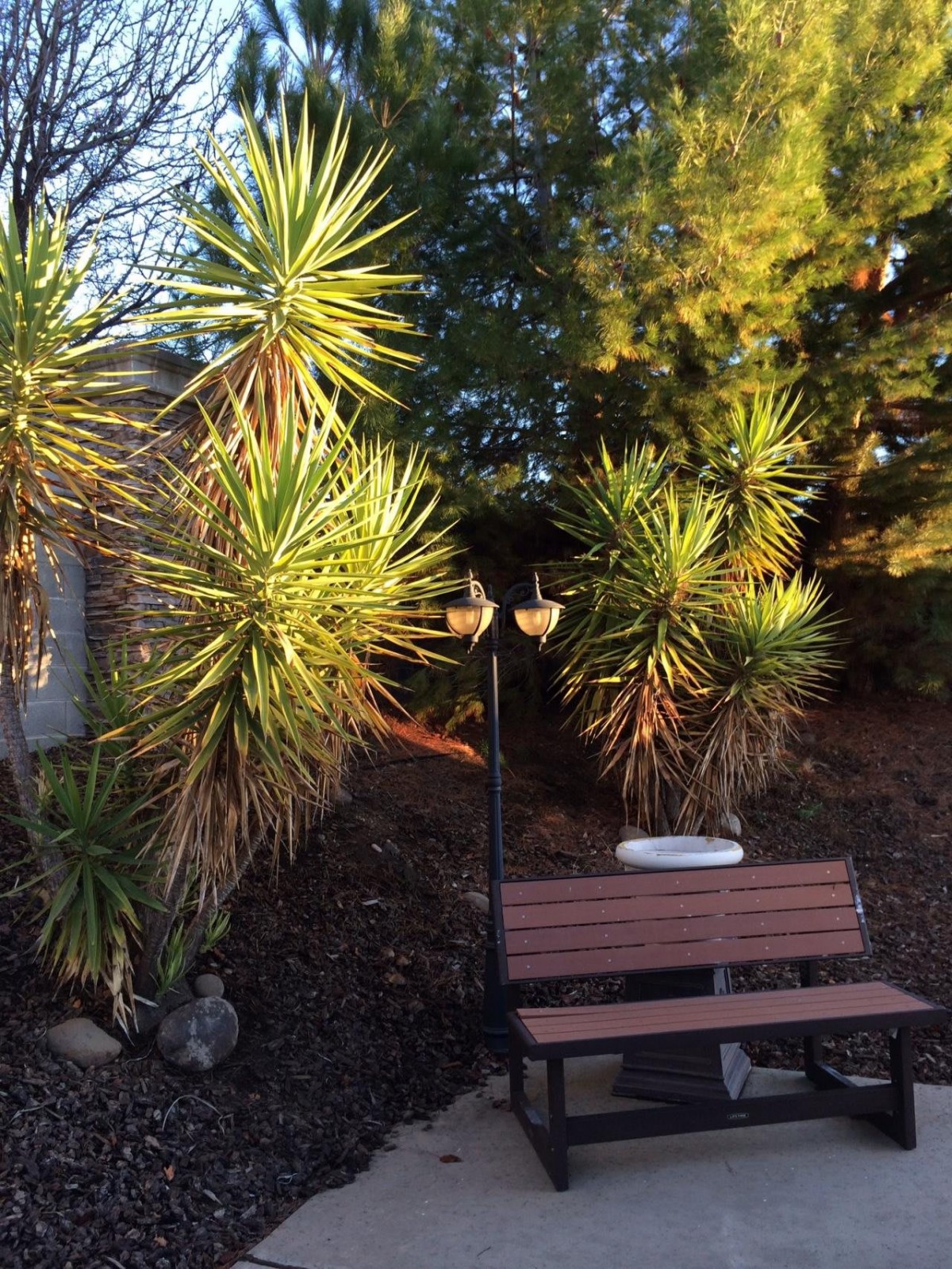
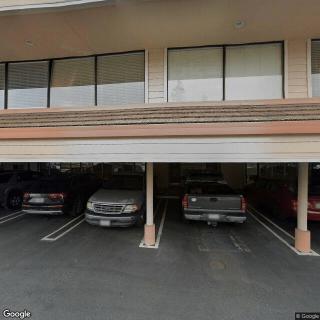
- The home is clean inside but unkempt on the outside.
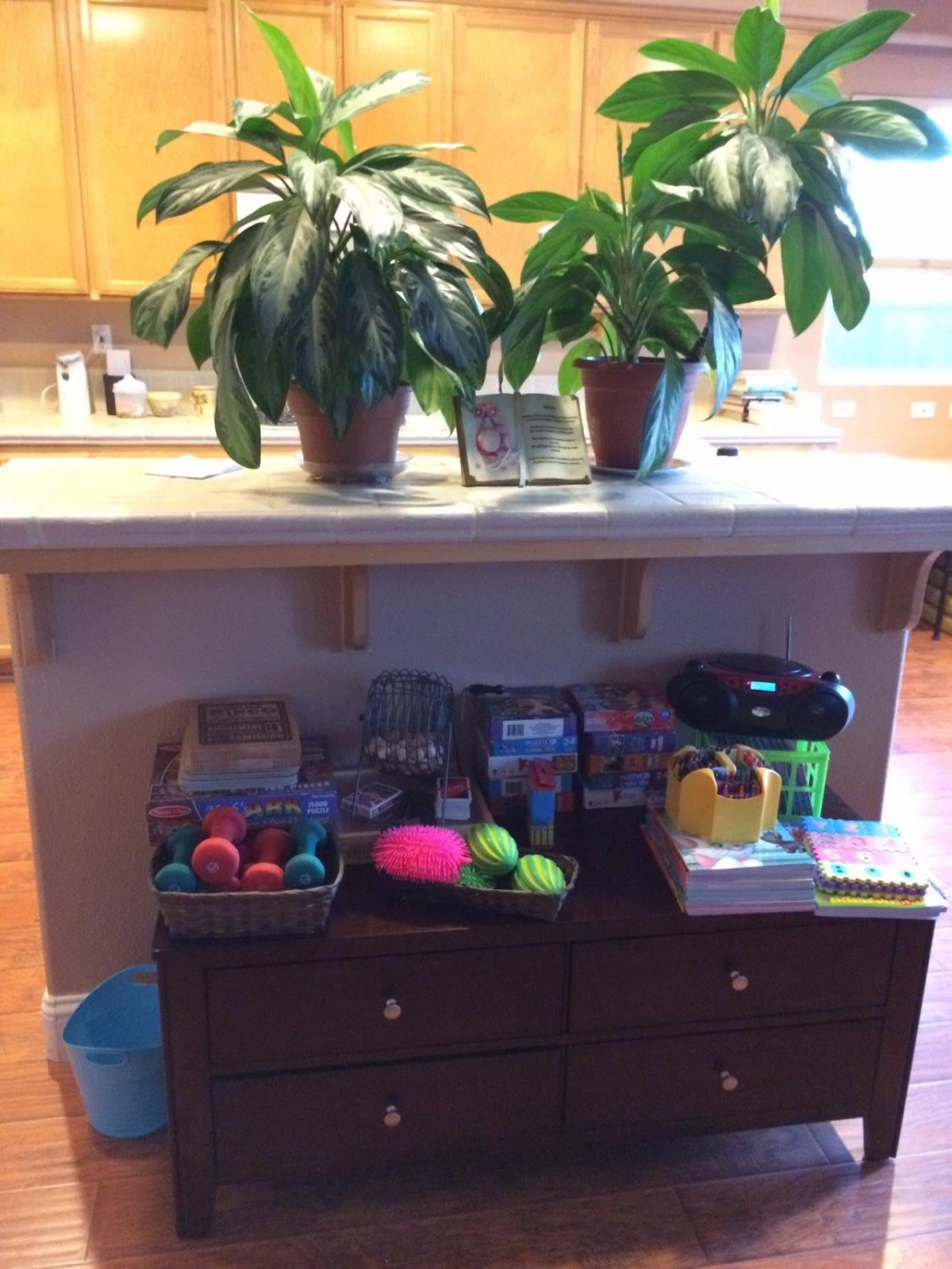
- There are not many activities for residents, and more activities are desired.
- One reviewer described the experience as just OK.
Review
Grace Garden Senior Care is best suited for families seeking a true home-for-the-aged experience in a tightly controlled, six-resident setting. The small size translates into highly individualized attention, with caregivers who know each resident’s routine, preferences, and dietary needs. Meals occur around the kitchen table, a simple practice that yields consistent cues about appetite and intake while reinforcing a sense of belonging. The environment is clean, calm, and home-like, and the leadership presence is evident in day-to-day oversight. This combination works best for seniors who flourish under predictable routines, prioritize personal contact, and value rapid responsiveness from staff and managers over a bustling activity calendar.
Those who may want to consider alternatives are residents with more complex medical needs requiring continuous nursing oversight, intensive therapies, or a robust social program. A resident who thrives on structured daily schedules, formal activities, and a wide array of services might be better served in a larger assisted living or memory-care community. Staffing stability is also a live concern in some reviews, making continuity of care a valid risk if turnover remains high. Families prioritizing more consistent long-term staffing, a broader range of professionals on site, or frequent off-site activities may find the small-house model limiting.
On the upside, the core strengths of Grace Garden center on its intimate, caregiver-driven model. With a maximum of six residents, care is unmistakably individualized: communication is frequent, questions are answered promptly, and routines, getting ready for bed, waking the resident, dressing, occur with reliability. The home feels orderly and clean, and the staff’s warmth translates into comfortable interactions with residents and families. Managers are described as efficient and accessible, not distant, which matters when coordination with hospice or family needs arises. Even among residents with specialized diets or mobility limitations, the setting appears to accommodate practical care with a hands-on, responsive approach.
However, turnover and activity depth emerge as the most credible cautions. Several observers flagged that caregiving staff turnover can erode continuity, a common risk in small, home-like settings. While the personal touch remains high when the same caregivers are present, occasional turnover can disrupt routine familiarity. Another trade-off is a relatively modest activity program; while daily life is calm and supportive, residents may crave more engagement options, social outings, or structured recreation. Yet the advantage of a simple, predictable day-to-day rhythm often compensates for quieter calendars, especially for residents who value intimate conversations, steady caregiving relationships, and swift issue resolution by an owner-led team.
When evaluating, prospective families should verify several practical points. Request a candid discussion about staff scheduling, turnover rates, and how care assignments are managed to preserve continuity. Observe a meal and the mealtime interactions; the kitchen-table dining model should translate into nourished, monitored intake. Ask to meet the owner or managers to gauge responsiveness to questions or hospice coordination. Review the activity calendar and ask for examples of what residents do daily; confirm access to outside services if needed. Finally, assess exterior upkeep as well as interior cleanliness to ensure the property aligns with expectations for safety and curb appeal.
In sum, Grace Garden Senior Care serves a niche well: a warm, small-scale, highly attentive environment that can deliver excellent everyday care for seniors who thrive on routine, personal attention, and straightforward supervision. The strongest indications point to high caregiver engagement, responsive management, and a clean, home-like atmosphere. The main caveats are staffing continuity and a lean activity slate, which can be mitigated by explicit conversations about turnover plans and by integrating family-provided engagement where appropriate. For residents who need extensive medical oversight or a bustling calendar of enrichment opportunities, alternatives should be explored. For those prioritizing intimate care and a tightly knit daily rhythm, Grace Garden stands out as a prudent, value-driven choice.
 Board and Care Home
 Memory Care
 Activities off-site
 Bath tubs
 Beautician on-site
 Cable or satellite TV
 Devotional services off-site
 Indoor common areas
 Outdoor common areas
 Private
 Private bathrooms
 Respite or short term stays offered
 Wheelchair accessible showers
 Wi-Fi/high-speed internet available
 Sacramento International (18 miles away)
 Ambulatory care
 High acuity care
 Incontinence care
 Medication management
 Anytime dining
 BBQs or picnics
 Birthday parties
 Day trips and outings
 Gardening club
 Stretching classes


 22 Remarkable Caregiver Support Groups Available Online and In-Person
 Understanding Medicaid Coverage for Assisted Living: A Comprehensive Guide
 How and When Medicaid May Cover Assisted Living Costs