For more information about senior living options: (866) 208-4318
2.9 from 120 reviews
5 stars
51
4 stars
6
3 stars
3
2 stars
0
1 stars
60
Viva Care by Serenity Care Health Costs & Pricing
Viva Care by Serenity Care Health offers competitive pricing for its accommodations when compared to both San Bernardino County and the broader California market. For semi-private rooms, the monthly cost at Viva Care is $1,800, significantly lower than the county average of $2,958 and the state average of $3,333. Private rooms are also attractively priced at $3,000, which is more affordable than the county's $3,561 and California's $3,939 averages. Additionally, their one-bedroom suites are offered at $3,500 - still a more economical choice compared to San Bernardino County's average of $3,548 and California's state average of $4,340. Overall, Viva Care provides an appealing option that balances quality care with cost-effectiveness in comparison to other local and state providers.
Floor plans
Viva Care by Serenity Care Health
San Bernardino County
California
Semi-Private
$1,800
$2,958
$3,333
Private
$3,000
$3,561
$3,939
1 Bedroom
$3,500
$3,548
$4,340
Memory care communities with a similar price nearby
Overall Review of Viva Care by Serenity Care Health
common2 reviews mention this
Staff feel welcoming and helpful
Residents and families report staff who are friendly and supportive.
One reviewer says the overall experience has gone very well, highlighting staff as friendly and able to handle what they needed. Another reviewer describes the proprietors and the administrator/nurse as approachable and directly involved, including showing up promptly to evaluate needs and walking through next steps.
differentiator2 reviews mention this
Communication during the move process
Reviewers describe hands-on follow-up and clear help before admission.
A family member reports being contacted quickly by a proprietor after requesting information, then having an in-home evaluation arranged and conducted with the administrator present. They also describe daily follow-up for assistance needs, aligning with another reviewer’s note that the community handled everything well and made the process feel managed.
How we summarize
Counts show how many written reviews mention each theme; a review can touch several themes, and only frequently mentioned themes are displayed.
Features
Types of Care
Board and Care Home
Memory Care
Pets
Dogs allowed
Amenities
Activities on-site
Bath tubs
Devotional services off-site
Indoor common areas
Outdoor common areas
Private
Respite or short term stays offered
Wheelchair accessible showers
Transportation
Ontario International (14 miles away)
Care Services
Diabetic care
High acuity care
Incontinence care
Medication management
Dining
Meals provided
Vegetarian
Activities
Activities on-site
Devotional activities offsite
Nearby Places of Interest
This part of Rialto, California, offers a variety of amenities that may appeal to seniors looking for a convenient and comfortable living environment. There are several restaurants nearby, including Golden China Restaurant, Cracker Barrel Old Country Store, and In-N-Out Burger, providing easy access to dining options. Additionally, there are multiple pharmacies in the area such as CVS Pharmacy and Walgreens, ensuring easy access to medication and healthcare services. For medical needs, there are several physicians' offices and hospitals nearby, including Kaiser Permanente Fontana Medical Center and San Bernardino Medical Group. Transportation options are also readily available with Metrolink Fontana Station and the San Bernardino Transit Center within close proximity. Parks like Fergusson Park offer green spaces for outdoor recreation activities, while places of worship such as Azure Hills Seventh-Day Adventist Church cater to spiritual needs. Overall, this neighborhood provides a convenient and well-rounded living environment for seniors seeking a blend of amenities and services.
Restaurants
Golden China Restaurant (0.6 miles)
Cracker Barrel Old Country Store (0.6 miles)
Baker's Drive-Thru (0.6 miles)
In-N-Out Burger (1.5 miles)
Del Taco (1.6 miles)
George's Burgers (1.6 miles)
Sonic Drive-In (1.9 miles)
Pharmacies
CVS Pharmacy (0.6 miles)
Walgreens (0.6 miles)
Scripps Pharmacy (0.6 miles)
Walgreens (1.6 miles)
Walgreens (1.6 miles)
CVS Pharmacy (2.8 miles)
Cbc Community Pharmacy (3.1 miles)
Physicians
U S Familycare (1.4 miles)
Kohut Psychiatric Associates (2.9 miles)
United Family Care (3.7 miles)
Yukom Patient Group (3.7 miles)
Bolivar Family Medical Clinic (4.1 miles)
Vijay Katukota Md (4.3 miles)
Shah Mahesh MD Kaiser Permanente Fontana Mob 1 (4.5 miles)
Cafes
Starbucks (2.1 miles)
Starbucks (4.2 miles)
Viva La Boba (4.4 miles)
Klatch Coffee (6.3 miles)
Starbucks (6.8 miles)
Starbucks (8.7 miles)
Theaters
Cinemark Renaissance Marketplace and XD (2.3 miles)
Regal San Bernardino & RPX (4.2 miles)
Hospitals
Pacific Park Convalescent Center of San Bernardino (2.8 miles)
Kaiser Permanente Fontana Medical Center (4.7 miles)
San Bernardino Medical Group (5.2 miles)
Vantage Oncology (5.5 miles)
Jerry L Pettis Memorial (8.1 miles)
Mountain View Surgery Center (8.3 miles)
Loma Linda Ambulatory Care Center (8.4 miles)
Transportation
The Colton Diamonds (3.9 miles)
Metrolink Fontana Station (4.2 miles)
San Bernardino Transit Center (4.2 miles)
Parks
Fergusson Park (4.4 miles)
Paakuma Park (5.8 miles)
Olive Grove Park (7.7 miles)
Places of Worship
Azure Hills Seventh-Day Adventist Church (6.4 miles)
National Association of Seventh Day Adventist Dentists (7.3 miles)
Viva Care by Serenity Care Health offers competitive pricing for its accommodations when compared to both San Bernardino County and the broader California market. For semi-private rooms, the monthly cost at Viva Care is $1,800, significantly lower than the county average of $2,958 and the state average of $3,333. Private rooms are also attractively priced at $3,000, which is more affordable than the county's $3,561 and California's $3,939 averages. Additionally, their one-bedroom suites are offered at $3,500 - still a more economical choice compared to San Bernardino County's average of $3,548 and California's state average of $4,340. Overall, Viva Care provides an appealing option that balances quality care with cost-effectiveness in comparison to other local and state providers.
Viva Care by Serenity Care Health incorporates medication management and incontinence care into its memory care services to address the unique needs of residents with dementia or Alzheimer's disease. Effective medication management ensures that individuals receive their prescribed medications at the correct times, minimizing the risk of confusion or missed doses, which can exacerbate cognitive decline. Additionally, incontinence care provides dignity and comfort for residents who may struggle with personal care due to their condition, thus reducing anxiety and promoting a sense of security. Both features create an environment that fosters well-being and supports the overall health of individuals with memory impairments, allowing them to engage more fully in daily activities.
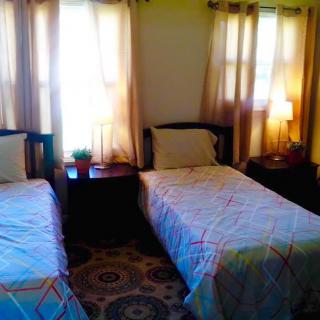
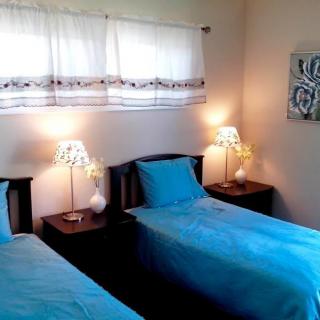
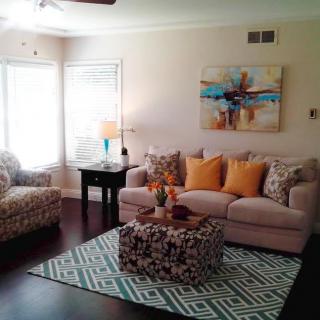
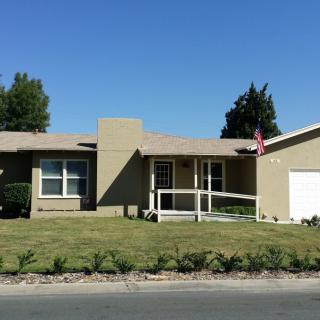
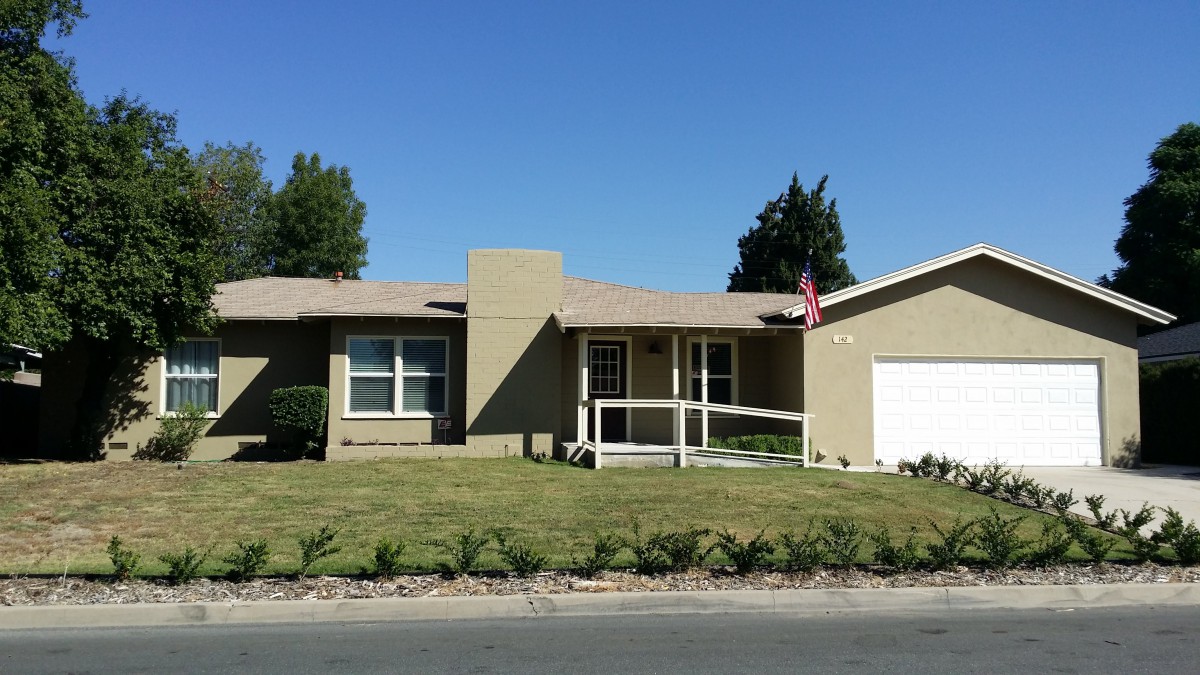
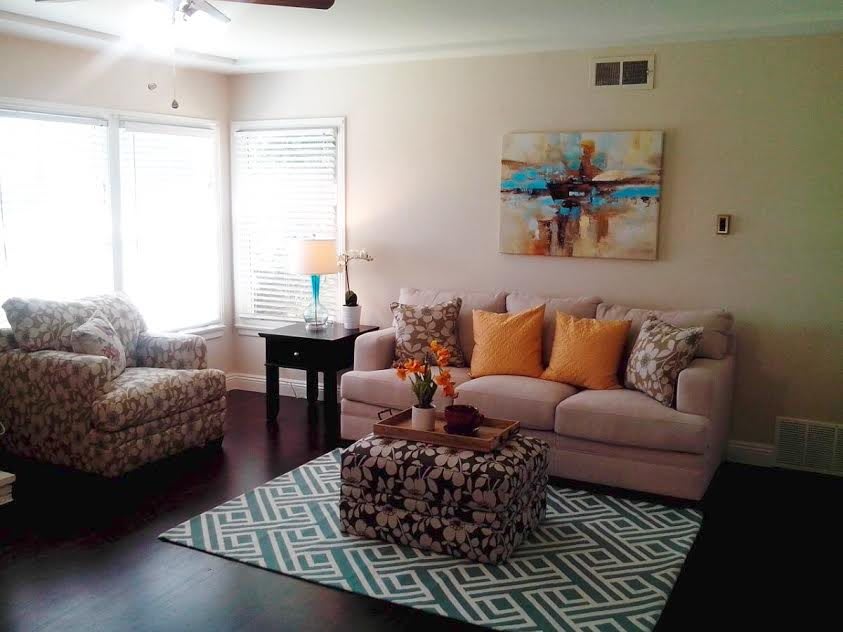
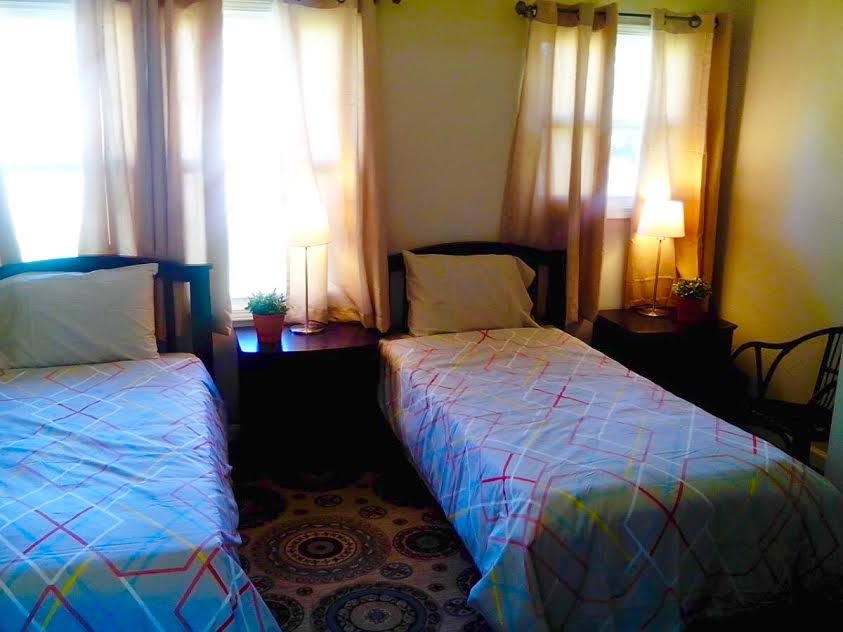
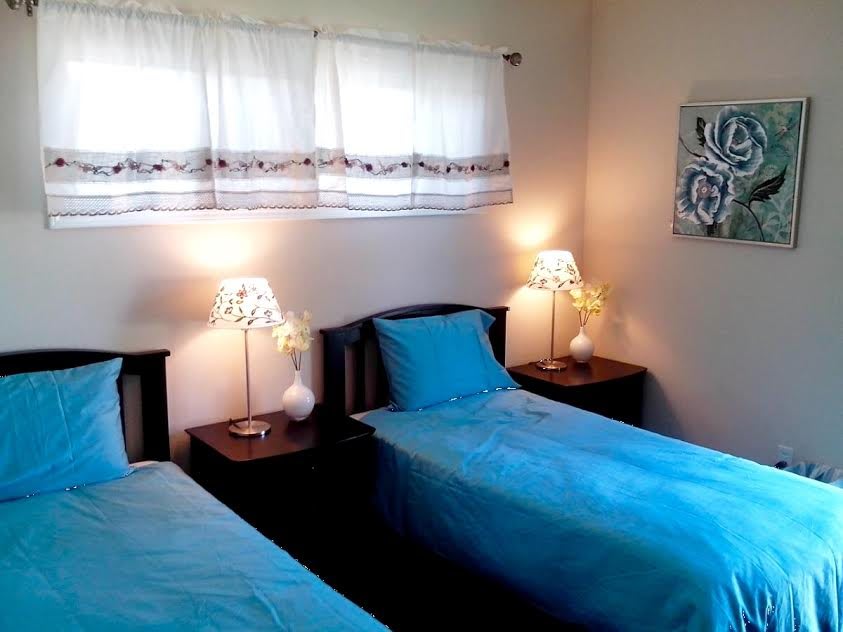
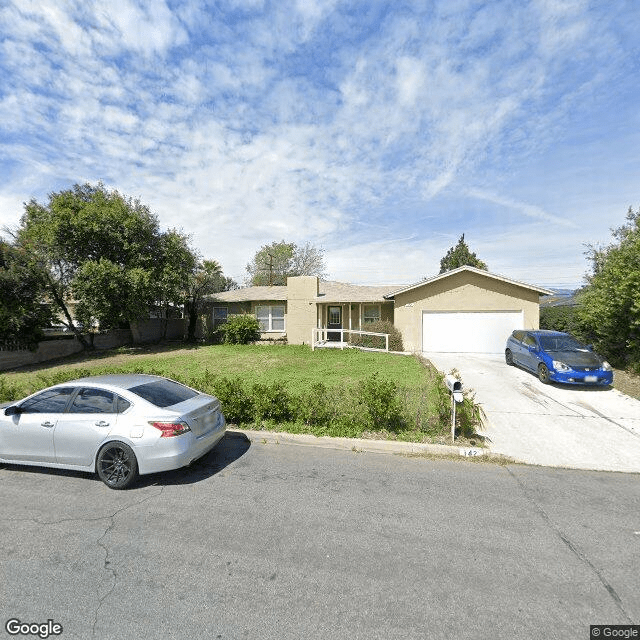
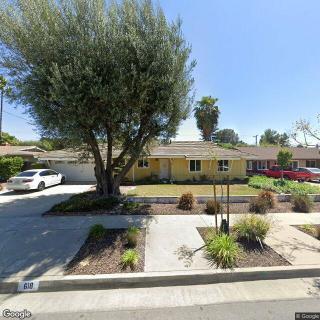
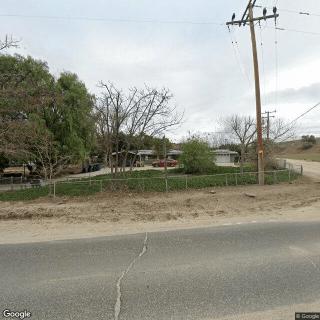
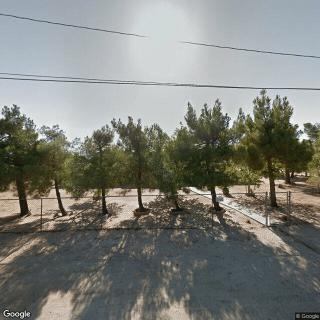
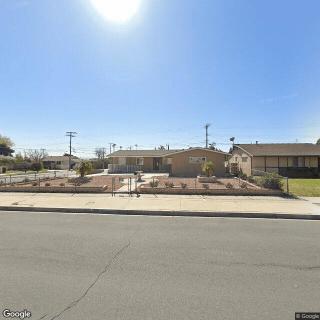
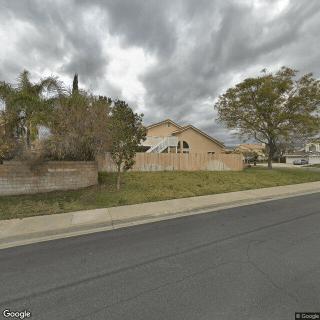
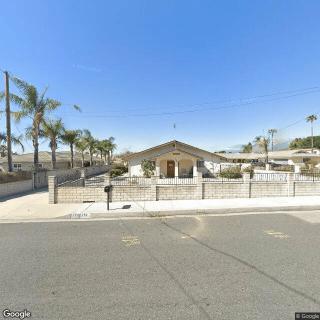
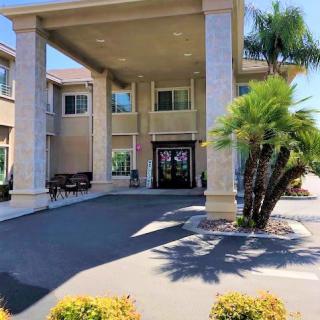
Viva Care by Serenity Care Health on seniors.fyi includes 5 photos including images showing bedroom, decor, landscaping, architecture, single-story, living room, rug, artwork, and more.
Nearby Communities
Mountain View Guest Home
Rialto, CA
Home of Excellence Group Home
Rialto, CA
Rich nearby amenities and healthcare access for convenient living.
Green Willow Home Care
Rialto, CA
4.1 from 8 reviews
$3,000 to $3,500 / month
Personalized, compassionate care with a warm, home-like atmosphere.
Sunshine Board & Care
Rialto, CA
5 from 1 review
$2,800 to $3,500 / month
Competitive memory-care pricing with semi-private and private rooms, plus diverse dining and on-site amenities.
Mulberry Manor
Rialto, CA
Small, homelike setting with personalized daily assistance.
Unique Ladies Home
Rialto, CA
Peaceful, comfortable setting with good access to healthcare and nearby amenities.
Villas At San Bernardino
San Bernardino, CA
4.8 from 204 reviews
$2,600 to $4,350 / month
Friendly, caring staff with engaging activities and high-quality dining in a clean, home-like setting.
Grand Terrace Health Care Center
Grand Terrace, CA
3.9 from 59 reviews
Exceptional, attentive care that leaves residents feeling pampered.
Loma Linda Springs
Loma Linda, CA
3.8 from 70 reviews
$845 to $905 / month
Clean, well-maintained grounds with friendly staff and affordable options.
Caregiver support groups are crucial for providing emotional and practical assistance to those caring for loved ones, offering resources, coping strategies, and a sense of community through various organizations and platforms. These groups help alleviate isolation and burnout while addressing the unique challenges faced by caregivers of individuals with specific conditions.
The guide outlines the complexities of Medicaid coverage for assisted living, highlighting significant state-to-state variations, limited coverage often restricted to personal care services, and the existence of specialized waivers for certain needs like memory care. It advises families to consult local Medicaid offices for options while emphasizing the importance of understanding state-specific regulations and facility policies.
Medicaid coverage for assisted living varies by state and is primarily available to low-income individuals, with eligibility dependent on strict income and asset limits. Some states offer HCBS waivers for specific services in assisted living, but families must generally cover room and board costs, and should verify facility acceptance of Medicaid while considering potential waiting lists.
Get PricingAsk A QuestionSchedule A TourContact Senior Advisor
By clicking submit, you agree to our Partner's Terms of Use. You
also consent to receive calls and texts, which may be autodialed, from our Partner. Your consent is not a condition to
using our Partner's service. Please visit our Partner's Privacy Policy for information about their privacy practices.


 Board and Care Home
 Memory Care
 Dogs allowed
 Activities on-site
 Bath tubs
 Devotional services off-site
 Indoor common areas
 Outdoor common areas
 Private
 Respite or short term stays offered
 Wheelchair accessible showers
 Ontario International (14 miles away)
 Diabetic care
 High acuity care
 Incontinence care
 Medication management
 Meals provided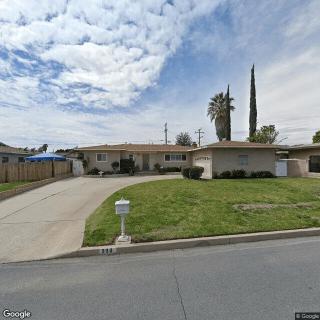
 Rich nearby amenities and healthcare access for convenient living.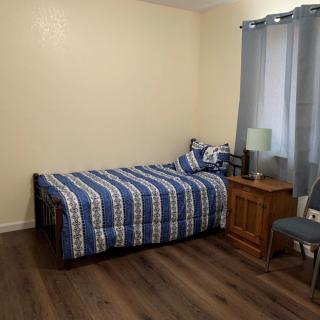
 22 Remarkable Caregiver Support Groups Available Online and In-Person
 Understanding Medicaid Coverage for Assisted Living: A Comprehensive Guide
 How and When Medicaid May Cover Assisted Living Costs