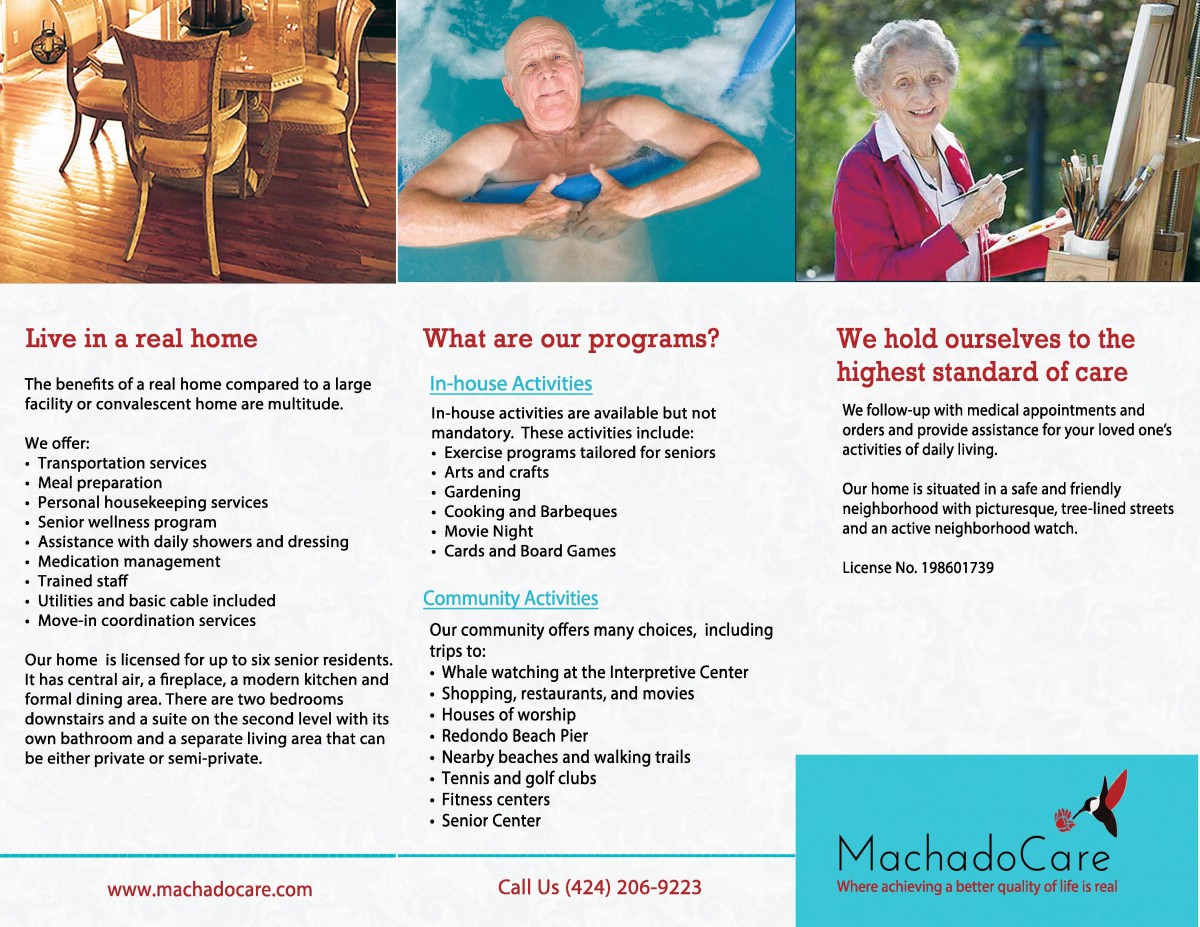

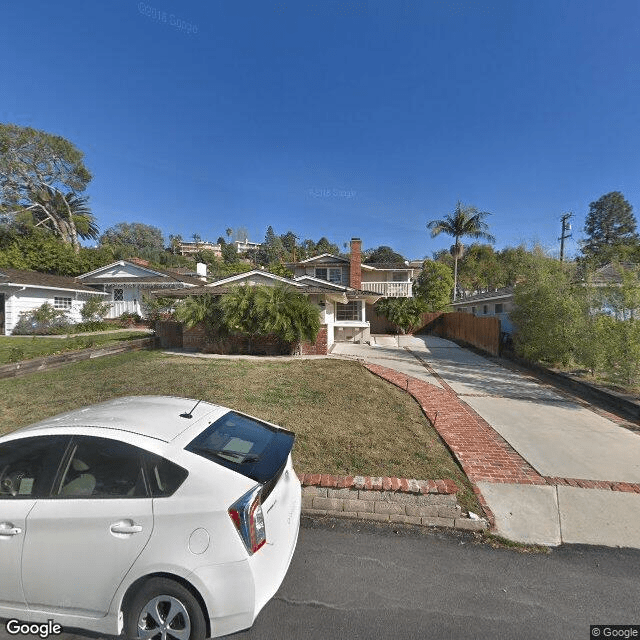
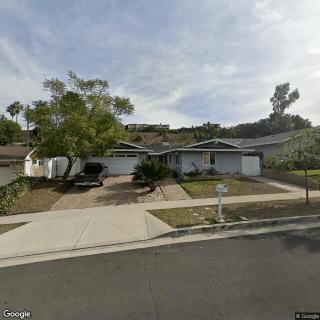
1620 Via Machado, Palos Verdes Estates, CA 90274
To contact a resident: (424) 206-9223
For more information about senior living options: (866) 208-4318
Machado Elderly Care Costs & Pricing
At Machado Elderly Care, the monthly costs for accommodations reflect a commitment to quality and personalized care, albeit at a premium compared to both Los Angeles County and broader California averages. For semi-private rooms, residents can expect to pay $4,500, which is significantly higher than the county's average of $3,349 and the state's average of $3,333. Similarly, both one-bedroom and private room options are priced at $6,000 each - marking a notable increase from the county's average of $4,603 and $4,197 respectively, as well as exceeding the state averages of $4,340 for one-bedrooms and $3,939 for private rooms. These higher costs at Machado Elderly Care may be indicative of enhanced services or facilities designed to ensure a comfortable and supportive environment for elderly residents.
| Floor plans | Machado Elderly Care | Los Angeles County | California |
|---|---|---|---|
| Semi-Private | $4,500 | $3,349 | $3,333 |
| 1 Bedroom | $6,000 | $4,603 | $4,340 |
| Private | $6,000 | $4,197 | $3,939 |
Memory care communities with a similar price nearby
-
from -$700 / mo
Rose Garden Villa II
$3,800 to $6,000 / month13.8 miles away -
from -$580 / mo

Sakura Gardens of Los Angeles
$3,920 to $4,535 / month21.0 miles away -
About the same
Blessings Senior Care
$4,500 to $5,500 / month24.4 miles away -
from -$850 / mo

Beverly Hills Carmel Retirement Hotel North
$3,650 to $6,250 / month20.0 miles away -
from +$495 / mo
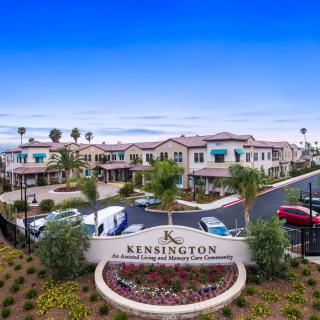
The Kensington Redondo Beach
$4,995 to $11,498 / month3.4 miles away
Overall Review of Machado Elderly Care
Pros
 Patrick and his staff are world-class caregivers who make difficult times much more manageable.
- Each team member is full of love and empathy and helps alleviate the family’s stress.
- Patrick Fresch and the caregivers at A Place At Home were key in helping the client’s mother with all of her needs after she became wheelchair-bound and homebound.
- The owner-manager is attentive and the staff is excellent.
- Patrick handles challenging schedules, and the caregivers are skilled, helping the client get back on her feet.
- Families would recommend Patrick and A Place At Home without reservation.
- The caretakers are compassionate and caring, and an immense help to the family.
- The care is top-of-the-line and caregivers go above and beyond every day.
- The process to arrange in-home care is user-friendly and accommodating to changing needs, and Mr. Fresch is highly accessible.
Review
This community is best suited for families that want a loved one to stay living at home while receiving highly personalized, hands-on care from a closely involved leadership team. It shines for seniors who need mobility support, help with daily activities, and occasional or ongoing therapies delivered in the comfort of familiar surroundings. The model is especially attractive to those who value rapid responsiveness and clear, ongoing communication from the person who leads the care effort, rather than a distant administrator or rotating roster of aides. In Palos Verdes Estates, this option is clearly designed for families who prioritize continuity, dignity, and close oversight over scheduling and care plans.
Those considering alternatives should weigh a traditional assisted living or memory care community if the priorities include built-in social programming, campus-style amenities, and round-the-clock on-site medical oversight in a centralized setting. A move into a facility may also be preferable for families seeking a more structured daily routine with predictable group activities, or for seniors whose needs evolve toward comprehensive 24/7 supervision that is centralized rather than caregiver-driven. For families facing budget constraints or who prefer a more independent care model with less family coordination, exploring other providers with different staffing mixes or care formats could be prudent.
On the strength side, the core advantages are strikingly cohesive. The leadership, notably Patrick Fresch, is described as attentive, communicative, and deeply invested in easing the family’s burden. Caregivers are portrayed as compassionate, skilled, and consistently present, capable of handling complex needs such as wheelchair assistance and a homebound trajectory. The care team’s ability to adapt to changing schedules and requirements stands out, with recurring praise for responsive problem-solving and the capacity to arrange care with little notice. Importantly, families report that the service is easy to engage with from day one, and that care givers often go beyond the call of duty to support daily routines and rehabilitation exercises.
That strength helps offset the typical drawbacks associated with in-home care. Where continuity can lapse when rotating aides or gaps at the end of a shift occur, this model emphasizes a single point of leadership and a carefully managed caregiver roster to maintain stability. The reviews describe a model that can scale, from daytime support to 24/7 coverage, without sacrificing quality, which mitigates the risk of fluctuating caregiver quality or miscommunication. Peace of mind becomes the premium payoff: families know someone is overseeing the plan, adjusting it as needed, and coordinating with the medical and therapeutic needs of a aging loved one.
Practically speaking, the outcomes described in these accounts are meaningful. Seniors were able to remain in their own homes while receiving targeted assistance, enabling continued independence without surrendering essential support. Instances of at-home exercises and mobility support point to a care philosophy that combines daily living help with rehabilitative activity, reinforcing the possibility of maintaining function and dignity. The emotional benefits are also clear: caretakers are described as empathetic and genuinely caring, reducing stress for both the elder and the family. The net effect is a smoother daily life and more predictable routines during a period of transition or increasing need.
The bottom line is decisive: for Palos Verdes Estates families who crave highly personalized, dependable in-home care with an engaged, accessible leader and a caregiving team that consistently delivers with compassion, this option is a standout choice. It delivers on the essentials, responsiveness, continuity, and practical support for mobility and daily living, while preserving the senior’s preference to stay at home. If the goal is a campus-style environment with built-in social opportunities and major on-site medical oversight, alternatives should be considered. To proceed, arrange an assessment to align care goals, confirm 24-hour coverage possibilities, and discuss cost, caregiver assignment, and the impact on the overall care plan.
 Board and Care Home
 Memory Care
 Activities off-site
 Beautician on-site
 Indoor common areas
 Outdoor common areas
 Private
 Private bathrooms
 Respite or short term stays offered
 Wheelchair accessible showers
 Los Angeles International (11 miles away)
 Ambulatory care
 Diabetic care
 Incontinence care
 Kosher
 Assisted Living and Memory Care: Understanding Their Core Differences
 Choosing the Right Senior Care: A Detailed Exploration of Assisted Living and Nursing Homes
 Safeguarding Your Memory Through the Golden Years: Eight Ways to Preserve Cognitive Health