
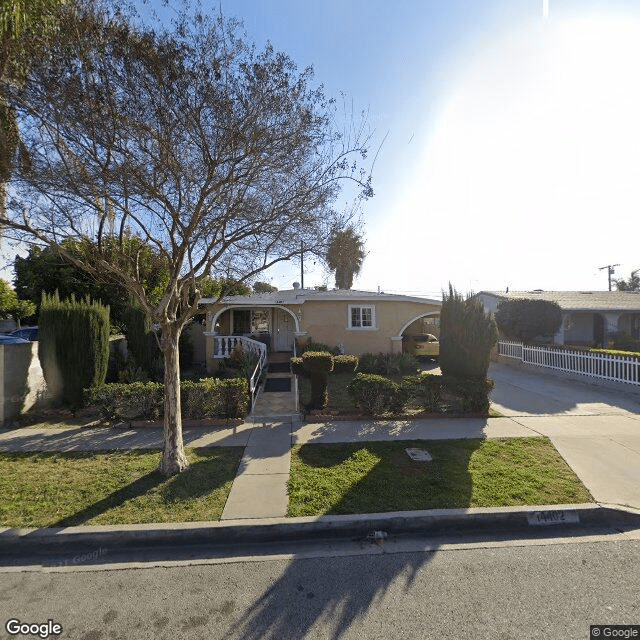
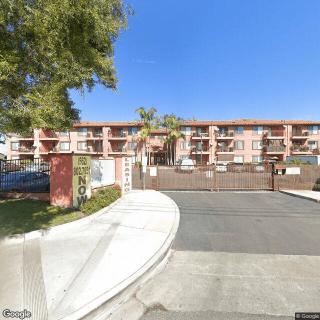
14402 Helwig Ave., Norwalk, CA 90650
To contact a resident: (949) 394-3782
For more information about senior living options: (866) 208-4318
Loving Arms Residential Care 2 Costs & Pricing
Loving Arms Residential Care 2 offers competitive pricing for its services compared to the broader market in Los Angeles County and the state of California. For semi-private rooms, residents can expect to pay $3,000 per month, which is notably lower than the county's average of $3,349 and the state average of $3,333. Studio accommodations are available at a monthly rate of $3,500, again providing a more affordable option compared to the local average of $4,172 and statewide rate of $4,145. Similarly, private rooms at Loving Arms Residential Care 2 are priced at $3,500, which is slightly below both Los Angeles County's average of $4,197 and better positioned against California's overall average of $3,939. This pricing strategy makes Loving Arms an attractive choice for individuals seeking quality care without breaking their budget.
| Floor plans | Loving Arms Residential Care 2 | Los Angeles County | California |
|---|---|---|---|
| Semi-Private | $3,000 | $3,349 | $3,333 |
| Private | $3,500 | $4,197 | $3,939 |
| Studio | $3,500 | $4,172 | $4,145 |
Memory care communities with a similar price nearby
-
from +$500 / mo
Kind Heart Home Care VI
$3,500 to $5,000 / month14.7 miles away -
from -$200 / mo
Candlewood Care Home III
$2,800 to $3,400 / month18.8 miles away -
from -$200 / mo
Leah Loving Elderly Care
$2,800 to $3,000 / month14.9 miles away -
from -$300 / mo
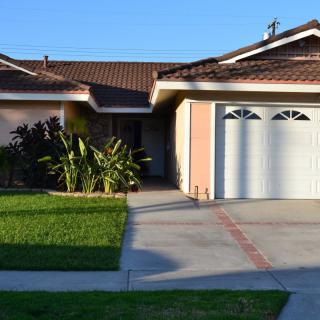
Loving Care Senior Home
$2,700 to $3,500 / month15.4 miles away -
from +$500 / mo
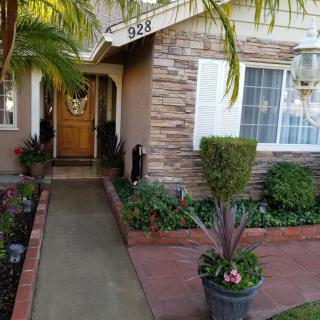
Comfort Keepers Home Care
$3,500 to $6,500 / month10.1 miles away
Overall Review of Loving Arms Residential Care 2
Pros
 The staff is very friendly and nice and they seem to sincerely care about the residents.
- The facility offers karaoke and exercise classes.
- It is a small and quaint facility, so the services are more personally catered.
- Residents appear content and pleased with their care.
- The facility provides activities for residents and keeps them moving.
- Tours are conducted courteously and the facility is nice and clean.
Cons
 Staff Hannah can be quite unprofessional.
- The staff are welcoming at first, but over time they make visits to the family member feel unwelcome.
- They can't even be bothered to say Hello or smile when they open the door.
- There are many unpleasant experiences with this place, particularly with the staff who are the caregivers.
- The caretakers at the home had no clue that visitors were coming or that an appointment had been made.
- They could not provide specific details regarding cost and directed visitors to call and make an appointment with the owner.
Review
Loving Arms Residential Care 2 in Norwalk is best suited for families seeking a small, home-like setting where residents can receive plainly individualized attention and participate in simple, personable activities. This community rewards those who value a intimate caregiver-to-resident dynamic and are comfortable navigating occasional gaps in professionalism. It suits seniors who are fairly independent but want regular contact, visible affection from caregivers, and a schedule that feels like a real home, rather than a large institution. It is not the right fit for those who require meticulous staff consistency, aggressive medical oversight, or a high level of transparency around costs from the start.
Those weighing alternatives should bring into the conversation adults who prioritize professional, consistently courteous service and crystal-clear cost information. If a family needs a highly predictable staff experience, reliable door greetings, and a straightforward, publicized fee structure, this facility may fall short. Likewise, seniors needing robust memory care, intensive medical supervision, or a more formalized care program may be better served elsewhere. In short, this is not the place to chase top-tier professionalism or comprehensive budgeting clarity; it is better aligned with a relaxed, homelike environment where relationships matter and schedules are gentle.
On the positive side, the strongest allure lies in the small, quaint nature of the operation. Several accounts describe staff who are genuinely kind and seem to care, with residents benefiting from personal attention and a sense that someone notices when their needs shift. Activities such as karaoke and exercise classes provide predictable opportunities for engagement, and the overall vibe tends toward keeping residents moving and socially connected. For families who prize direct, hands-on engagement and a setting where staff can build familiar routines with individual residents, these factors can translate into meaningful, everyday quality of life.
Yet the most persistent concerns run counter to those benefits. Repeated observations center on unprofessional behavior from certain staff members and an unwelcome atmosphere during visits. Reports highlight a lack of basic courtesy, doors opened without a greeting, visits that feel inconvenient, and a sense that caregivers do not consistently treat family involvement as a priority. Additional notes point to incomplete administrative coordination, for example, frontline caretakers not being aware of scheduled appointments and a reluctance to provide cost details at the outset. Taken together, these experiences undermine the stability families rely on when entrusting care to a home-like facility.
The key question becomes whether the pros can reliably offset the cons for a given resident. When a family can attach to a particular caregiver who demonstrates steady, compassionate engagement, the intimate setting may still deliver meaningful daily satisfaction for a resident who benefits from personal touches and routine. The activities and movement-focused approach can offset some limitations if staff turnover remains low and communication improves with clear, proactive family involvement. However, for anyone who requires consistently professional behavior, transparent pricing, and dependable, welcoming interactions from the moment of contact, the gaps are likely to grow into a decisive disadvantage.
In the end, Loving Arms Residential Care 2 should be considered by families who want a diminutive, caregiver-forward environment and are prepared to actively oversee and advocate for consistency. It may be a good match for a resident who thrives on personal attention, simple social programs, and a homey routine, so long as the family accepts the potential for uneven professionalism and limited upfront cost clarity. For those prioritizing strict professionalism, predictable management, and crystal-clear budgeting from day one, it is prudent to explore alternative options where staffing norms and financial transparency sit higher on the list of required criteria. The decision should hinge on how important personal, day-to-day warmth is relative to the need for consistent operations and clear, early-cost visibility.
 Board and Care Home
 Memory Care
 Private
 Long Beach (Daugherty) (7 miles away)
 Ambulatory care
 Diabetic care
 Understanding Dementia Through Its Seven Stages: A Comprehensive Look at Progression and Expectations
 A Holistic Dementia Care Guide: Effective Strategies for Memory Support
 Memory Care Pathways: A Holistic Guide to Dementia Support