
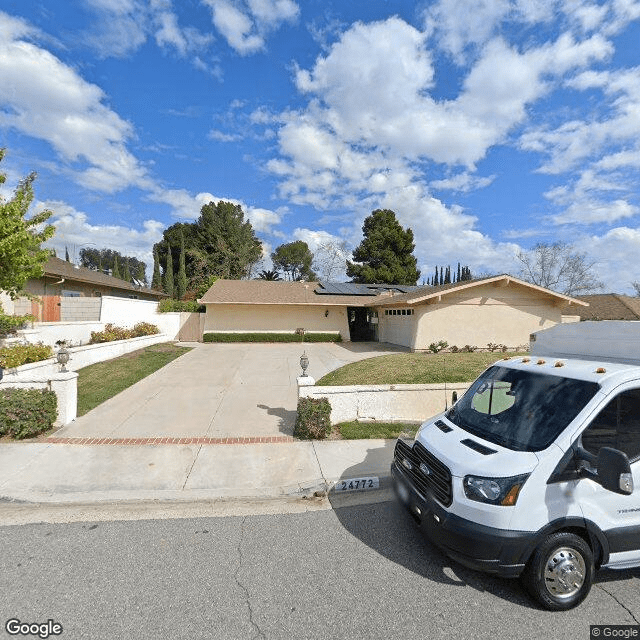
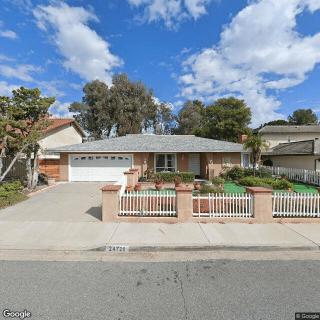
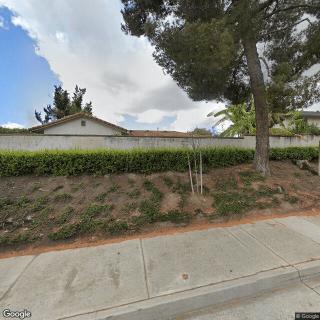
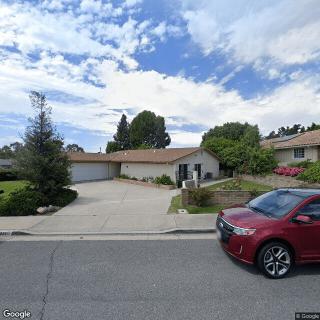
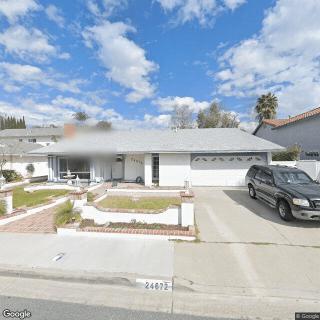
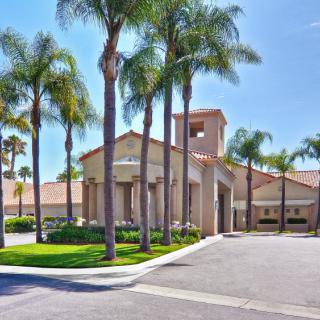
24772 Argus Dr, Mission Viejo, CA 92691
To contact a resident: (949) 533-4025
For more information about senior living options: (866) 208-4318
Golden Coast Senior Living # 3 Costs & Pricing
At Golden Coast Senior Living #3, the monthly cost for a semi-private room is set at $4,000. This rate is notably higher than the average costs found in Orange County, which stands at approximately $3,431, and considerably above the state average of around $3,333 for similar accommodations. While the pricing reflects the quality of care and amenities provided at Golden Coast Senior Living #3, it also highlights the competitive landscape within both the county and state. Residents can anticipate a comprehensive suite of services and a supportive environment that may justify this premium in comparison to other options available in the region.
| Floor plans | Golden Coast Senior Living # 3 | Orange County | California |
|---|---|---|---|
| Semi-Private | $4,000 | $3,431 | $3,333 |
Memory care communities with a similar price nearby
-
About the same
Cadence Brea
$3,995 to $5,500 / month24.8 miles away -
from -$500 / mo
Kun Bai Care
$3,500 to $4,500 / month23.4 miles away -
from +$500 / mo
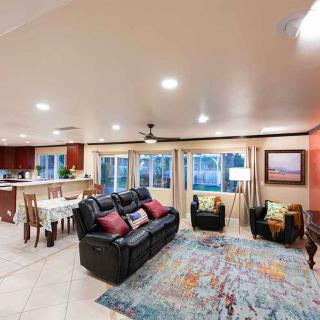
Casa Bella
$4,500 / month18.3 miles away -
About the same
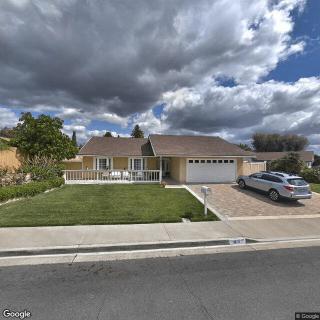
Active Senior Home Care
$4,000 to $5,000 / month1.5 miles away -
About the same
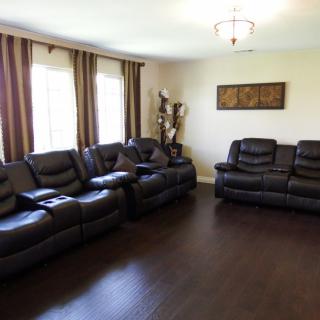
Royal
$4,000 to $4,800 / month19.1 miles away
Overall Review of Golden Coast Senior Living # 3
Pros
 The staff at Golden Coast Senior Living are extremely caring and professional.
- The entire staff treats residents with respect and dignity, ensuring all needs are met.
- The care provided is exceptional.
- Usha and the team are comforting, helpful, and coordinate care smoothly.
- Lulu and Roy are caring and conscientious, contributing to a loving environment.
- The owners keep competent and caring staff in-house.
- The meals are homemade with fresh ingredients, and staff spend time with residents.
- The facility communicates well with families and keeps them updated.
- The community is clean and the activities are engaging.
- The staff provide attentive care with respect and dignity at end of life.
Cons
 The experience was described as okay by one reviewer.
- The staff were described as okay by the reviewer.
Review
Golden Coast Senior Living #3 in Mission Viejo is best suited for families seeking a warm, intimate, home-like environment where care feels individualized, staff are consistently engaged, and families stay closely connected to daily decisions. This community shines for seniors who value personal attention, dignified treatment, and regular, reassuring communication with caregivers. It suits those who want a smaller, hands-on setting where the owner and a core team foster steady relationships with residents and families alike. For seniors who need highly structured medical supervision, or a larger campus with dedicated memory-care wings and on-site physicians around the clock, alternatives should be explored.
The core strengths are unmistakable: a staff culture that feels genuinely caring and professional, anchored by owner involvement. Usha’s leadership pervades the home, with staff consistently described as competent, compassionate, and attentive to individual needs. Food is a notable daily ritual, with home-cooked meals and fresh ingredients that families associate with a sense of home. The community also excels at coordinating essential services, prescription deliveries, nursing visits, and doctor appointments, so families experience fewer hassles and more peace of mind. Respect, dignity, and ongoing family communication are evident across multiple testimonials, reinforcing trust that loved ones are treated as individuals with ongoing needs and preferences.
The strongest caveat is that a few reviews characterize the experience as “okay,” and some residents and staff as not extraordinary. In a smaller operation, that variance translates to occasional fluctuations in how quickly a request is fulfilled or how consistently a particular shift excels. Yet these softer notes are consistently counterbalanced by the proven upside: a relationship-driven model where caregivers learn personal histories, routines, and preferences, plus a leadership team that remains accessible and transparent. End-of-life care is highlighted as thoughtful and compassionate, underscoring a facility culture that values continuity, comfort, and family presence during difficult moments. For families prioritizing a stable, intimate care environment, the overall balance still tilts strongly in favor of the positives.
Transitioning into Golden Coast is described as smooth and supported, not disruptive. The team’s proactive approach, from the initial conversations with Usha to on-site introductions with staff like Lulu, Roy, and Rebecca, builds confidence quickly. The care philosophy emphasizes staying informed about daily happenings, with regular updates that keep families in the loop without being intrusive. Daily life resembles a well-structured, small-community routine: meals, light activities, and social interaction, all underpinned by staff who are described as loving and patient. The presence of home-health support that feels kind and capable further reduces the stress of moving a loved one from a larger facility into a more personal setting.
From a decision-making standpoint, Golden Coast Senior Living #3 represents a strong value proposition for the right household. The 4.5 rating, drawn from a majority of five-star reviews, signals consistent satisfaction and loyalty among families who have experienced meaningful, day-to-day benefits, especially around meal quality, respectful care, and responsive communication. The community’s intimate size, combined with active family involvement and a hands-on owner, translates into a trustworthy atmosphere where residents can feel seen. However, care-seekers should mitigate expectations if the priority is round-the-clock clinical staffing or a formal, large-scale memory-care program; those needs may be better served elsewhere.
In sum, Golden Coast Senior Living #3 is a compelling choice for families seeking a trusted, small-scale, home-like setting where caregivers know residents well, meals feel personal, and care is guided by attentive ownership and clear family communication. It works best for seniors who thrive on consistency, dignity, and regular family engagement, and who do not require comprehensive, campus-wide medical infrastructures found in larger facilities. Pros offset the occasional softer review by delivering tangible, heart-led care, steady daily routines, and a culture that treats end-of-life moments with reverence. Prospective families should schedule a tour, meet Usha and the caregiving team, and ask direct questions about staffing patterns, medical oversight, and any specific dementia-support needs to confirm alignment with expectations.
 Board and Care Home
 Memory Care
 Activities off-site
 Devotional services off-site
 Indoor common areas
 Outdoor common areas
 Private bathrooms
 Respite or short term stays offered
 Wheelchair accessible showers
 John Wayne Orange Co (12 miles away)
 Diabetic care
 High acuity care
 Incontinence care
 Medication management
 Meals provided

 Comprehensive Insights on the Late Stages of Dementia: What to Expect and How to Provide Care
 Medications Associated with Dementia Risk: A Comprehensive Overview
 Guiding Your Journey: Understanding Power of Attorney for Elderly Parents